
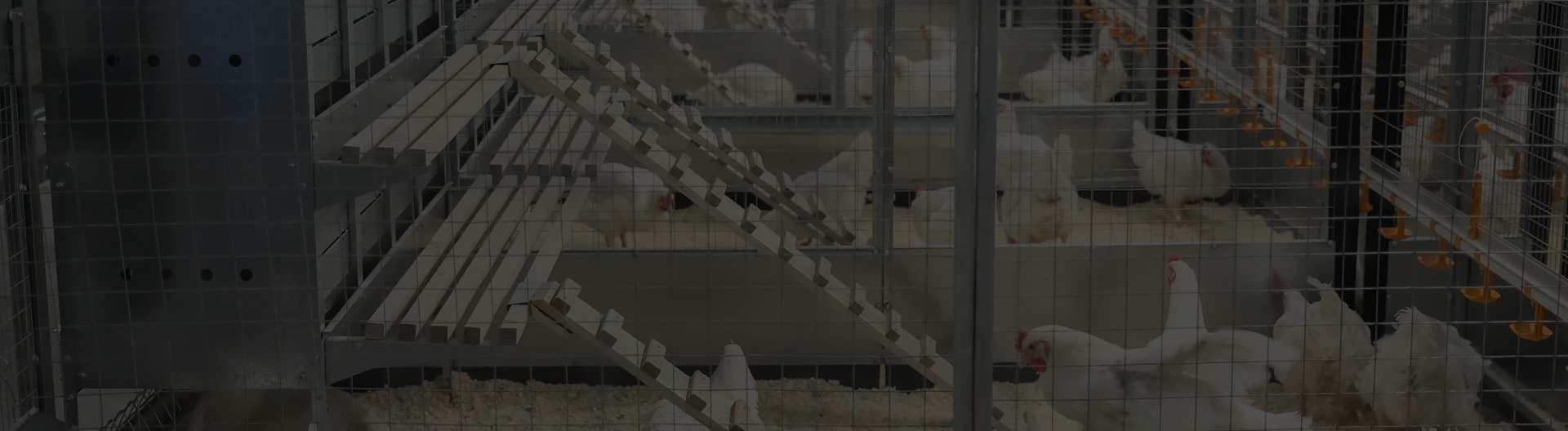
Layer Egg Chicken Cage – Efficient & Sustainable Poultry Housing Solutions
Dec . 13, 2025 17:00 Back to list
Layer Egg Chicken Cage – Efficient & Sustainable Poultry Housing Solutions
Layer Egg Chicken Cage: Why It Matters in Today’s Poultry Industry
If you’ve ever wandered past a chicken farm or glanced at an agricultural tech catalog, you might have spotted the humble layer egg chicken cage. It sounds straightforward, right? A cage for hens to lay eggs. But beneath that simplicity lies a surprisingly complex solution shaping food supply, animal welfare, and global sustainability efforts. Understanding this piece of poultry equipment gives insight into how billions of eggs are produced annually, how farms optimize space and cost, and how innovation in such a niche item can ripple through the global food system.
With worldwide demand for eggs projected to grow steadily, grasping the essentials of layer egg cages is more relevant than ever — whether you’re a farmer, supplier, policy maker, or just a curious foodie.
The Global Context: Why Layer Egg Chicken Cages Are Essential
We often overlook how much we depend on eggs, but according to the Food and Agriculture Organization, global egg production reached over 76 million metric tonnes in 2022, with per capita consumption rising yearly. This enormous scale demands efficient, safe housing for laying hens—enter the layer egg chicken cage.
Globally, poultry farming is a critical livelihood for millions, especially in developing regions. Layer cages help mitigate challenges like disease control and labor intensity by centralizing egg laying in manageable units. However, poultry farms also face criticism over animal welfare, and governments increasingly regulate cage design to balance productivity with hens' quality of life.
Frankly, it's a challenge: how to produce eggs at scale, sustainably, and ethically? Layer egg cages sit right at the intersection of these pressures.
What Is a Layer Egg Chicken Cage?
Simply put, a layer egg chicken cage is a specialized enclosure designed to house laying hens. It typically consists of steel or wire mesh partitions dividing space to separate hens, provide nesting spots, and facilitate egg collection.
These cages are designed to optimize space and manage hens efficiently; almost like a “mini apartment” for each bird. They’re used extensively in commercial egg farms, where thousands of hens lay eggs in parallel, with eggs rolling onto collection trays to reduce breakage and labor.
In modern agriculture, these cages are part of larger automated systems — think climate control, feed distribution, and waste removal — to maximize output and minimize human workload.
Quick takeaway:
- Layer egg cages provide efficient, scalable hen housing for commercial egg production.
- These cages anchor modern, automated poultry farms.
- They address global food supply challenges but balance on ethical debates.
Core Components of a Layer Egg Chicken Cage System
Durability and Material Quality
Most cages are made from galvanized steel or stainless steel to resist corrosion and withstand constant cleaning. Durability means fewer replacements and better biosecurity — crucial in high-density farming where disease can spread fast.
Scalability and Modular Design
Modular cages allow farmers to scale their operations from small to industrial size without massive renovations. This also helps spread investments over time — a big deal in emerging markets.
Cost Efficiency
Good cage design balances upfront cost, maintenance, and productivity. Lightweight materials reduce transport fees; automated egg collection speeds labor. Many operators swear by investing a little more initially to save later.
Ventilation and Waste Management
Proper airflow prevents ammonia buildup and disease, enhancing hen health. Many cages incorporate sloped floors so waste falls through to collection belts or trays, reducing labor and contamination.
Animal Welfare Features
Progressive cage designs include perches, nesting boxes, and reduced wire spacing to promote natural behaviors. While not perfect, these features reflect evolving legal and consumer demands for ethical farming.
Summary:
- Durability: Long-lasting materials reduce costs over time.
- Modularity: Flexibility to grow or adapt.
- Efficiency: Automation lowers labor and enhances productivity.
- Welfare: Better living conditions meet ethical standards.
Where Do Layer Egg Chicken Cages Come Into Play Globally?
From the vast farming belts of the U.S. Midwest to densely populated regions in Southeast Asia, layer egg chicken cages are foundational. In Europe, stringent animal welfare laws have pushed manufacturers to develop enriched cages with perches and nesting areas. In contrast, many developing nations use more basic, cost-effective designs optimized for local climates.
In post-disaster scenarios, mobile or modular cages help restart poultry operations quickly, restoring food security. Remote industrial zones leverage sturdy cages for self-sufficient egg production without extensive labor inputs. Even NGOs sometimes distribute cages as part of livelihood programs, teaching smallholder farmers efficient egg production techniques.
Typical Product Specification Table
| Specification | Details |
|---|---|
| Material | Galvanized Steel Wire Mesh |
| Dimensions (per cage unit) | 120cm x 50cm x 45cm |
| Capacity (Hens) | 3–5 Layers per cage |
| Coating | Zinc-rich anti-corrosion coating |
| Egg Collection | Automatic Rolling Egg Tray |
| Weight | Approx. 14 kg |
| Warranty | 3 Years Limited Warranty |
How Top Vendors Stack Up: A Quick Comparison
| Vendor | Material Quality | Innovations | Pricing | Global Reach |
|---|---|---|---|---|
| Yize Machine Co. | Premium galvanized steel | Modular, eco-friendly coatings | Mid-range | Asia, Europe, North America |
| FarmTech Solutions | Standard steel with plastic bits | Basic automation options | Budget-friendly | Latin America, Africa |
| GreenHen Technologies | Recycled steel and bio-plastics | Sustainability-focused, solar-powered options | Premium | Europe, Australia |
The Lasting Advantages of Layer Egg Chicken Cages
On the surface, layer cages provide a neat, organized way to keep hens and collect eggs. Dig a bit deeper, though, and you see benefits rippling outward:
- Cost savings: By nesting hens in smaller, manageable groups, farms reduce feeding waste and labor. Automated egg collection works wonders here.
- Biosecurity: Segmented cages reduce contagion risk, protecting flock health and viability.
- Sustainability: Modern cages use recycled materials and focus on waste management, aligning with global sustainability goals like those from the UN Sustainable Development Goals.
- Improved welfare: When properly designed, cages can allow hens to perch and nest, improving mental and physical health — something consumers care deeply about.
- Food security: Efficient egg production helps stabilize supplies, keeping millions fed worldwide in both rural and urban areas.
Looking Ahead: Trends and Innovations in Layer Egg Chicken Cages
The poultry industry isn’t stuck in the ’80s. Innovations continue to reshape the humble cage:
- Smart cages: Internet of Things (IoT) sensors track temperature, humidity, hen activity, and egg production in real-time.
- Sustainable materials: Biodegradable plastic components and recycled metals lower environmental impact.
- Automation: Robotic cleaning and feeding systems integrated with cages reduce labor and improve hygiene.
- Free-range hybrid designs: Combining cage efficiency with access to outdoor runs.
Oddly enough, as tech advances, we also see a push for designs that allow more natural hen movement — a nod to animal rights groups that will likely shape future policies.
Common Challenges and How They’re Being Solved
One major gripe about layer egg cages is animal welfare. Many traditional cage systems restrict movement, leading to stress and injury. New enriched cages add perches and nesting space, but these can cost more and require different management.
Another challenge: the upfront investment for high-tech cages can be a barrier for small farmers. That’s why many manufacturers offer modular, scalable systems so costs are spread out and customized to budgets.
Ventilation and disease control remain tricky in dense setups, but improved airflow designs and sensor technology provide early warnings, reducing losses.
FAQ: Quick Answers for Common Questions About Layer Egg Chicken Cages
-
Q: How do layer egg chicken cages improve egg collection efficiency?
A: Most cages use sloped floors and egg trays that let eggs roll gently to collection points, minimizing breakage and manual labor. This streamlines daily farm work and reduces labor costs. -
Q: Are these cages suitable for small-scale farmers?
A: Absolutely. Many manufacturers offer modular, smaller units ideal for backyard or smallholder producers. These can be expanded as operations grow. -
Q: What materials best resist corrosion in humid environments?
A: Galvanized steel with zinc coatings is the industry standard for corrosion resistance. Stainless steel works too but usually at a premium price. -
Q: Can cages be customized for animal welfare regulations?
A: Yes. Some manufacturers design cages with enriched features like perches and nesting boxes to comply with European or local welfare laws.
Final Thoughts and Next Steps
Understanding the layer egg chicken cage is a window into a segment of agriculture that silently feeds the world every day. It blends design, material science, animal welfare, and automation into one neat package. For anyone serious about poultry production—or just curious about where your eggs come from—knowing this technology is a solid start.
Looking for quality, innovation, and reliability in layer egg cages? Check out layer egg chicken cage options from trusted manufacturers. Your hens (and eggs) will thank you.
References:
-
Professional Mini Poultry Cage for Efficient Small Scale Farming
NewsApr.16,2026
-
Optimizing Poultry Production with Advanced Cage System Poultry
NewsApr.09,2026
-
Optimizing Layer Poultry Cages for Efficient and Profitable Egg Production
NewsApr.07,2026
-
Comprehensive Guide to Poultry Cages for Layers and Modern Farming Solutions
NewsApr.04,2026
-
Comprehensive Guide to Optimizing Poultry Laying Cages for Egg Production
NewsMar.31,2026
-
Maximize Egg Production with Efficient Poultry Layer Cage Systems
NewsMar.28,2026





 Afrikaans
 Albanian
 Amharic
 Arabic
 Armenian
 Azerbaijani
 Basque
 Belarusian
 Bengali
 Bosnian
 Bulgarian
 Catalan
 Cebuano
 Corsican
 Croatian
 Czech
Czech
 Danish
 Dutch
Dutch
 Esperanto
 Estonian
 Finnish
 French
 Frisian
 Galician
 Georgian
 German
 Greek
Greek
 Gujarati
 Haitian Creole
 Hausa
Hausa
 Hawaiian
 Hebrew
 Hindi
Hindi
 Miao
Miao
 Hungarian
 Icelandic
 Igbo
Igbo
 Indonesian
 Irish
Irish
 Italian
 Japanese
 Javanese
 Kannada
 Kazakh
 Khmer
Khmer
 Rwandese
 Korean
 Kurdish
 Kyrgyz
 Lao
Lao
 Latin
Latin
 Latvian
 Lithuanian
 Luxembourgish
 Macedonian
 Malgashi
 Malay
Malay
 Malayalam
 Maltese
 Maori
Maori
 Marathi
 Mongolian
 Myanmar
 Nepali
 Norwegian
 Norwegian
 Occitan
 Pashto
 Persian
 Polish
 Portuguese
 Punjabi
 Romanian
 Russian
 Samoan
 Scottish Gaelic
 Serbian
 Sesotho
 Shona
Shona
 Sindhi
 Sinhala
 Slovak
 Slovenian
 Somali
 Spanish
 Sundanese
 Swahili
 Swedish
 Tagalog
 Tajik
Tajik
 Tamil
Tamil
 Tatar
Tatar
 Telugu
 Thai
Thai
 Turkish
 Turkmen
 Ukrainian
 Urdu
Urdu
 Uighur
 Uzbek
Uzbek
 Vietnamese
 Welsh
Welsh
 Bantu
Bantu
 Yiddish
 Yoruba
 English