
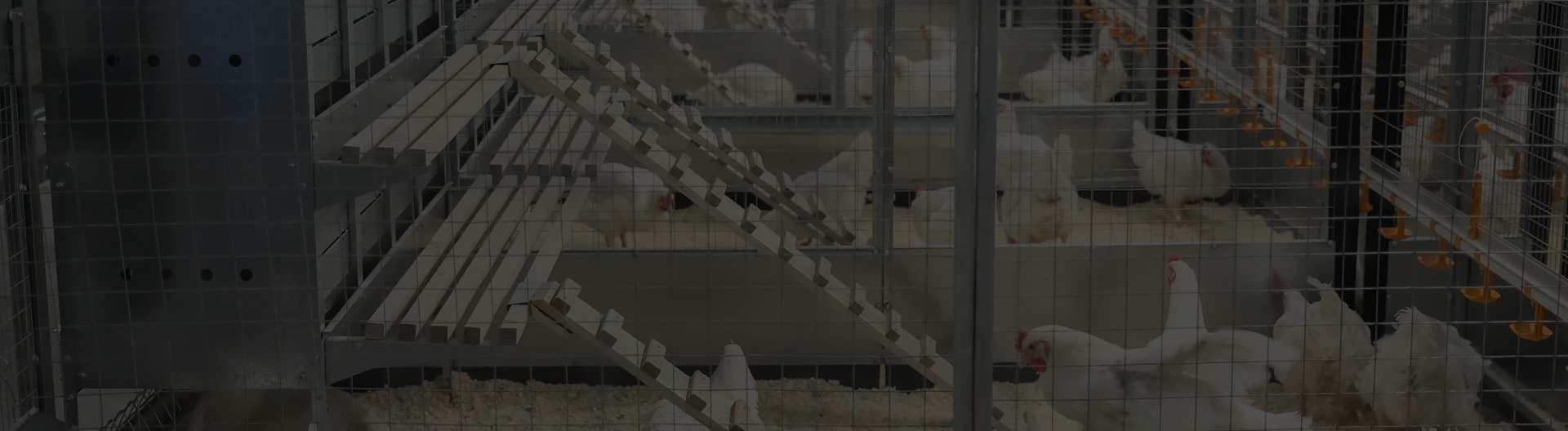
Optimizing Layer Poultry Cages for Efficient and Profitable Egg Production
Apr . 07, 2026 01:55 Back to list
Optimizing Layer Poultry Cages for Efficient and Profitable Egg Production
Optimizing Layer Poultry Cage Systems for Efficient Egg Production
In the competitive world of egg production, maximizing efficiency and profitability is crucial. A key component of successful poultry farming is the implementation of well-designed and properly maintained layer poultry cages. These systems offer numerous benefits, from improved egg hygiene and collection to better bird welfare and space utilization. This article delves into the intricacies of layer poultry cages, covering types, key considerations, benefits, and how to choose the right system for your farm. Investing in the right cage system is a pivotal step toward sustainable and profitable egg production.
Types of Layer Poultry Cages
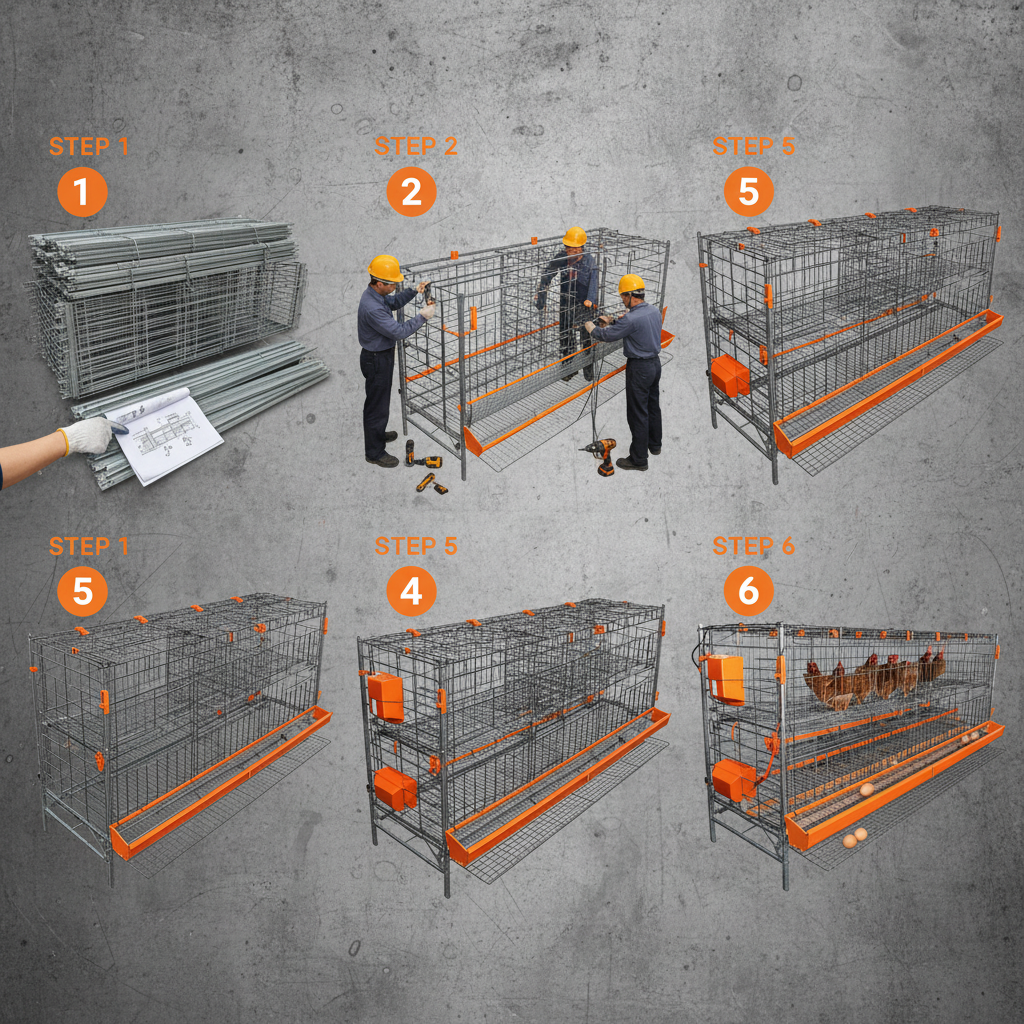
Layer poultry cages come in various designs, each suited to different farm sizes, budgets, and operational preferences. The two primary types are tiered cages (also known as A-frame cages) and step cages. Tiered cages are stacked vertically, maximizing space utilization and often incorporating automated egg collection and manure removal systems. Step cages, on the other hand, offer a staggered arrangement, allowing for easier access for bird management and inspection. More modern options include enriched cages that provide hens with more space and enrichment features like perches and nesting areas, designed to improve animal welfare. Choosing the right type of cage is a fundamental decision that impacts productivity and bird health.
Key Considerations: Selecting the appropriate cage type depends on factors like farm size, budget, automation level desired, and commitment to animal welfare standards.
Benefits of Implementing Modern Layer Poultry Cages
Modern layer poultry cages offer a substantial number of advantages over traditional floor rearing systems. Improved egg hygiene is a major benefit, as eggs are laid in a cleaner environment, reducing contamination and increasing marketability. Automated egg collection systems minimize breakage and labor costs. Furthermore, cages allow for higher stocking densities without compromising bird welfare, particularly when enriched cages are used. Efficient manure management is another key advantage, with systems designed to quickly remove waste, minimizing odor and the risk of disease. These benefits all contribute to increased profitability and a more sustainable operation.
Key Benefits:
• Improved egg hygiene and reduced contamination
• Automated egg collection for reduced breakage and labor costs
• Efficient manure management and reduced odor
• Higher stocking densities (with enriched cages)
Choosing the Right Layer Poultry Cage System
Selecting the optimal layer poultry cage system requires careful consideration of several factors. Farm size and layout are paramount, as this dictates the scale and configuration of the system. Budget constraints will influence the level of automation and the type of cage chosen. Animal welfare standards are increasingly important, and choosing enriched cages may be necessary to meet these requirements. Consider the local climate and environmental regulations, as these may impact ventilation and manure management needs. Finally, it is crucial to partner with a reputable supplier who can provide ongoing support and maintenance.
Layer Poultry Cages: Material and Durability
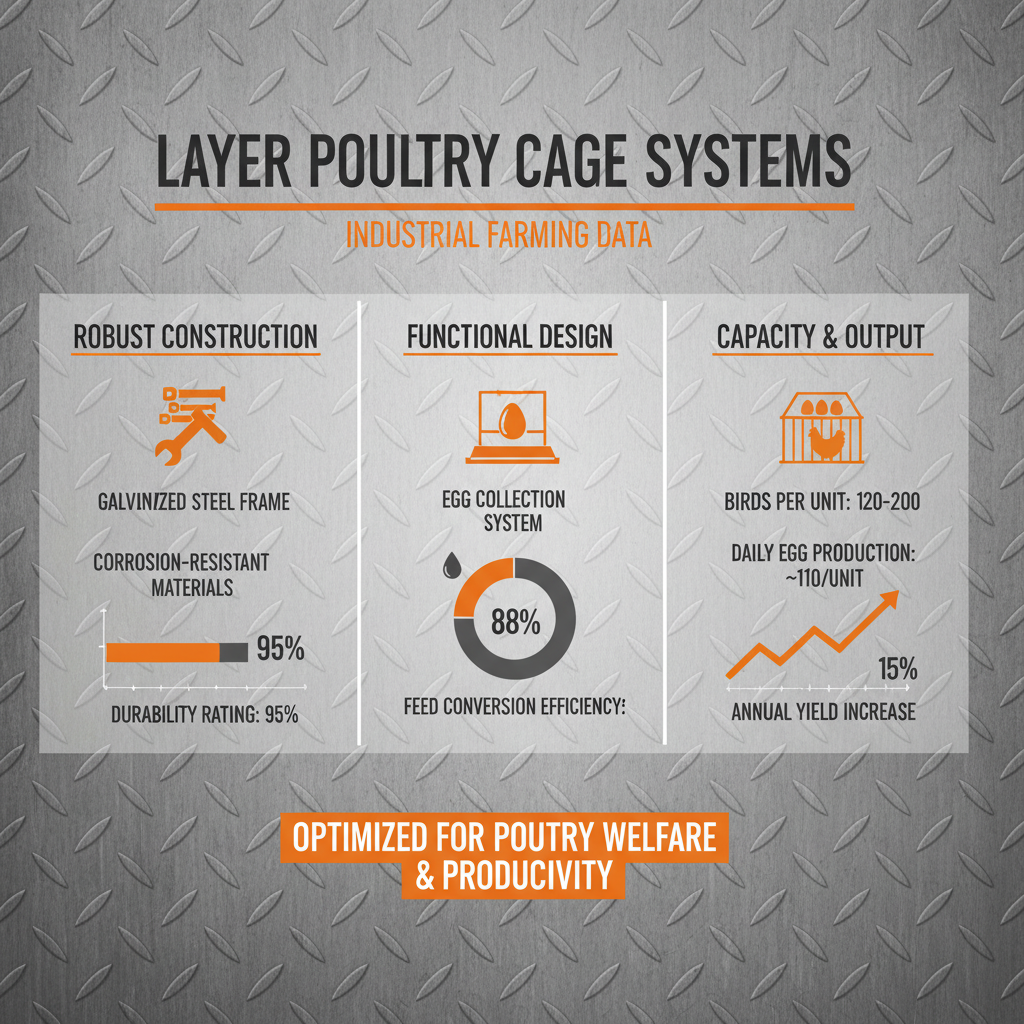
The material used in constructing layer poultry cages significantly impacts their longevity and resistance to corrosion. Galvanized steel is the most common material, offering good strength and rust protection. However, different levels of galvanization exist, with thicker coatings providing greater durability. Plastic cages are also available, offering lightweight and non-corrosive properties, but may be less robust than steel options. Choosing a supplier who uses high-quality materials and employs robust manufacturing processes is essential to ensure a long-lasting and reliable cage system.
Long-Term Maintenance and Care for Layer Poultry Cages
Regular maintenance is vital for maximizing the lifespan and performance of your layer poultry cages. This includes periodic cleaning to remove manure and debris, inspection for corrosion or damage, and lubrication of moving parts in automated systems. Promptly repair any damaged cages to prevent further deterioration and ensure bird safety. Maintaining good ventilation is also important to minimize moisture buildup and corrosion. Implementing a preventive maintenance schedule will help minimize downtime and extend the operational life of your cage system.
Conclusion: Investing in Quality for Long-Term Success
Investing in high-quality layer poultry cages is a critical step towards building a profitable and sustainable egg production operation. By carefully considering your farm’s specific needs, selecting the right cage type, and implementing a robust maintenance program, you can maximize efficiency, improve bird welfare, and ensure long-term success. Don't compromise on quality – choose a trusted supplier and invest in a cage system that will deliver years of reliable performance.
Frequently Asked Questions (FAQs)
What is the recommended stocking density for layer poultry cages?
Stocking density recommendations vary depending on the cage type, bird breed, and local regulations. Generally, traditional tiered cages accommodate 5-7 birds per cage, while enriched cages allow for lower densities, typically 4-6 birds per cage. It’s crucial to adhere to local animal welfare standards, which often specify maximum stocking densities. Overcrowding can lead to stress, reduced egg production, and increased risk of disease, so maintaining appropriate space is vital for bird health and productivity. Always consult with poultry experts and regulatory guidelines to determine the optimal stocking density for your specific operation.
How often should layer poultry cages be cleaned?
Layer poultry cages should be cleaned regularly to maintain hygiene and prevent the build-up of pathogens. A thorough cleaning, including removal of manure and debris, should be performed at least weekly. Automated manure removal systems can significantly reduce the labor required for this task. Daily spot cleaning to remove any spilled feed or water is also recommended. Disinfecting the cages after each flock cycle is crucial to eliminate potential disease vectors. Consistent cleaning practices contribute to improved bird health and higher egg quality.
What are the benefits of using automated egg collection systems?
Automated egg collection systems offer numerous benefits, including reduced labor costs, minimized egg breakage, and improved egg hygiene. These systems automatically convey eggs from the cages to a collection point, eliminating the need for manual collection. This not only saves time and labor but also reduces the risk of damage to the eggs. The automated system also keeps eggs cleaner, reducing contamination and improving marketability. Furthermore, automated systems can often be integrated with egg grading and packing equipment, streamlining the entire egg production process.
Are enriched cages really worth the investment?
Enriched cages, while having a higher upfront cost, often provide significant long-term benefits. They cater to increasing consumer demand for improved animal welfare standards and may be required to meet certain regulations. The perches, nesting areas, and increased space they offer encourage natural behaviors, reducing stress and improving bird health. This can lead to higher egg production and better egg quality. While the initial investment is greater, the enhanced reputation, potential for premium pricing, and reduced mortality rates can make enriched cages a worthwhile investment in the long run.
-
Professional Mini Poultry Cage for Efficient Small Scale Farming
NewsApr.16,2026
-
Optimizing Poultry Production with Advanced Cage System Poultry
NewsApr.09,2026
-
Optimizing Layer Poultry Cages for Efficient and Profitable Egg Production
NewsApr.07,2026
-
Comprehensive Guide to Poultry Cages for Layers and Modern Farming Solutions
NewsApr.04,2026
-
Comprehensive Guide to Optimizing Poultry Laying Cages for Egg Production
NewsMar.31,2026
-
Maximize Egg Production with Efficient Poultry Layer Cage Systems
NewsMar.28,2026





 Afrikaans
 Albanian
 Amharic
 Arabic
 Armenian
 Azerbaijani
 Basque
 Belarusian
 Bengali
 Bosnian
 Bulgarian
 Catalan
 Cebuano
 Corsican
 Croatian
 Czech
Czech
 Danish
 Dutch
Dutch
 Esperanto
 Estonian
 Finnish
 French
 Frisian
 Galician
 Georgian
 German
 Greek
Greek
 Gujarati
 Haitian Creole
 Hausa
Hausa
 Hawaiian
 Hebrew
 Hindi
Hindi
 Miao
Miao
 Hungarian
 Icelandic
 Igbo
Igbo
 Indonesian
 Irish
Irish
 Italian
 Japanese
 Javanese
 Kannada
 Kazakh
 Khmer
Khmer
 Rwandese
 Korean
 Kurdish
 Kyrgyz
 Lao
Lao
 Latin
Latin
 Latvian
 Lithuanian
 Luxembourgish
 Macedonian
 Malgashi
 Malay
Malay
 Malayalam
 Maltese
 Maori
Maori
 Marathi
 Mongolian
 Myanmar
 Nepali
 Norwegian
 Norwegian
 Occitan
 Pashto
 Persian
 Polish
 Portuguese
 Punjabi
 Romanian
 Russian
 Samoan
 Scottish Gaelic
 Serbian
 Sesotho
 Shona
Shona
 Sindhi
 Sinhala
 Slovak
 Slovenian
 Somali
 Spanish
 Sundanese
 Swahili
 Swedish
 Tagalog
 Tajik
Tajik
 Tamil
Tamil
 Tatar
Tatar
 Telugu
 Thai
Thai
 Turkish
 Turkmen
 Ukrainian
 Urdu
Urdu
 Uighur
 Uzbek
Uzbek
 Vietnamese
 Welsh
Welsh
 Bantu
Bantu
 Yiddish
 Yoruba
 English