
Comprehensive Guide to Poultry Cages for Layers and Modern Farming Solutions
Apr . 04, 2026 01:55 Back to list
Comprehensive Guide to Poultry Cages for Layers and Modern Farming Solutions
Poultry Cages for Layers: A Comprehensive Guide
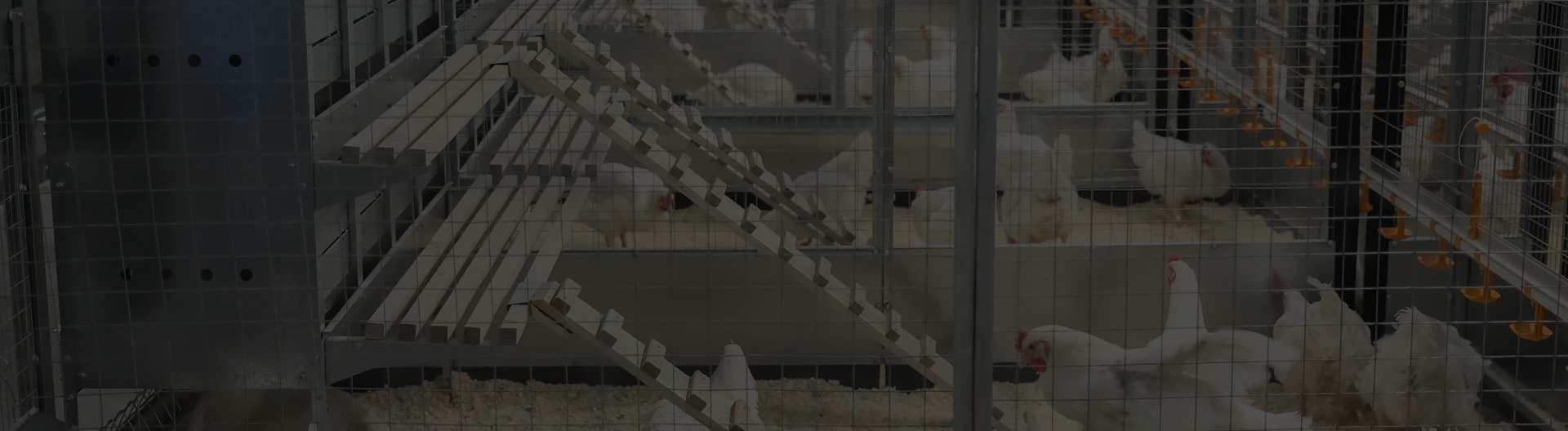
Raising layers (egg-laying hens) efficiently requires a well-designed housing system. Poultry cages for layers are a cornerstone of modern poultry farming, offering benefits like increased egg production, improved hygiene, and easier management. This guide will explore the different types, key considerations when choosing cages, and the advantages of investing in quality layer cages from a reputable supplier. Optimizing your layer housing is crucial for maximizing profitability and ensuring the well-being of your flock.
Types of Poultry Cages for Layers
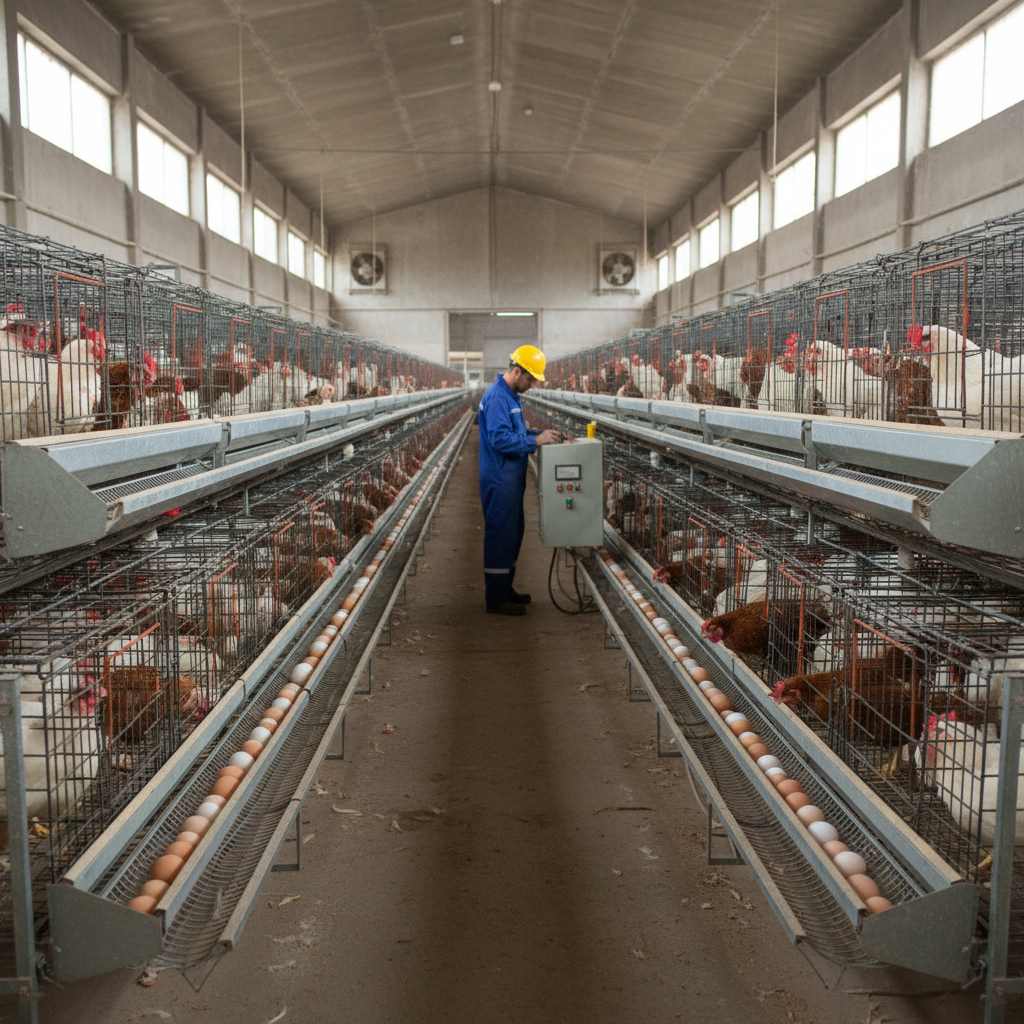
There are primarily two main types of layer cages: step cages and A-frame cages. Step cages are tiered, with each row slightly higher than the previous one, allowing for good ventilation and egg collection. A-frame cages have a more traditional, sloped design. Both types can be further categorized as manual or automatic. Manual cages require physical egg collection and manure removal, while automatic systems utilize conveyors and scrapers for increased efficiency. The choice depends on the size of your operation, labor costs, and desired level of automation.
Key Consideration: Automated systems require a higher initial investment but can significantly reduce labor costs and improve hygiene over time.
Key Features to Look for in Layer Cages
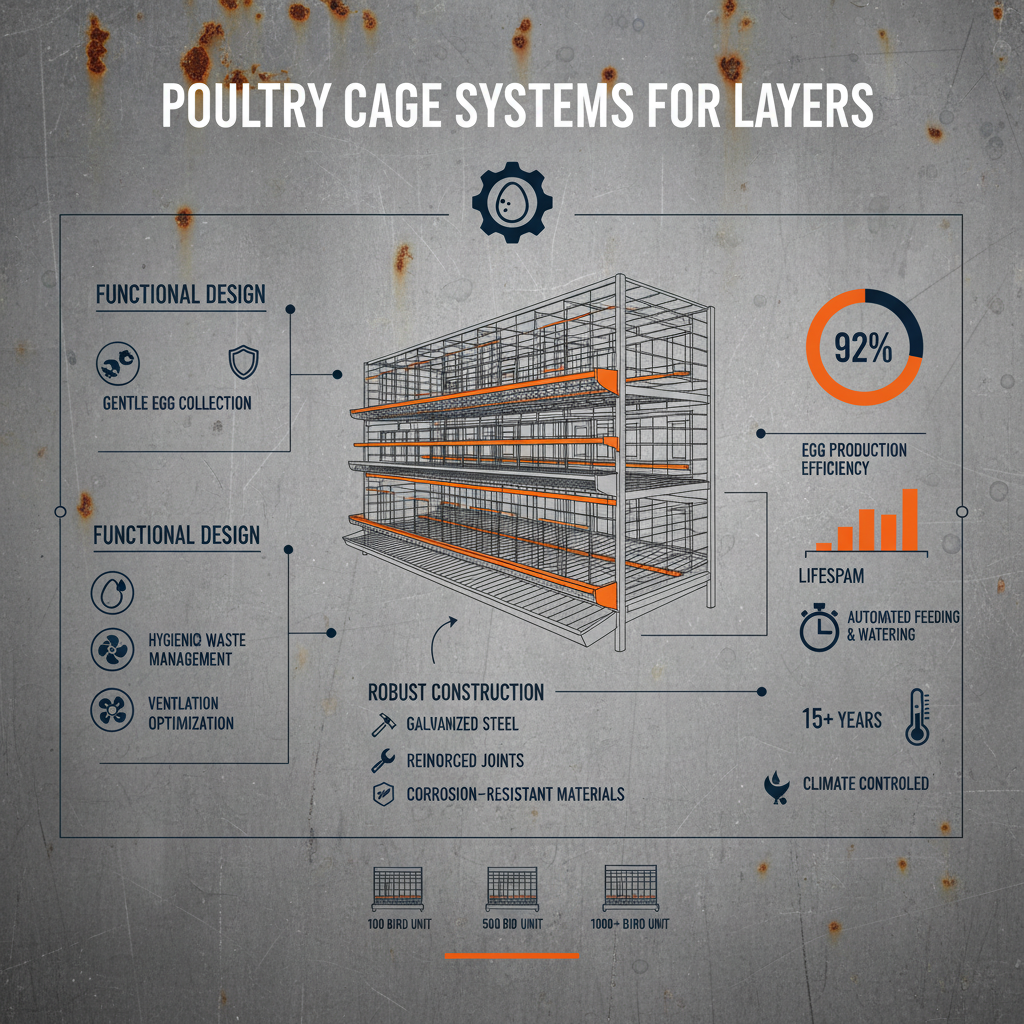
When selecting poultry cages for layers, prioritize features that contribute to bird welfare and operational efficiency. Galvanized steel is crucial for durability and resistance to corrosion. Cages should have smooth edges to prevent injuries to the birds. Adequate space per bird is essential for comfortable movement and reducing stress. Efficient manure removal systems are vital for maintaining hygiene and minimizing odor. Finally, consider the ease of access for cleaning and maintenance.
Essential Features:
• Durable galvanized steel construction
• Smooth, bird-friendly edges
• Adequate space per bird
• Efficient manure removal system
Step vs. A-Frame Cages: A Detailed Comparison
Choosing between step and A-frame cages requires a careful assessment of your specific needs. Step cages generally offer better ventilation and easier egg collection, but can be more expensive to install. A-frame cages are more affordable, but may require more manual labor and have slightly less efficient airflow. Here’s a comparison:
The Benefits of Investing in Quality Layer Cages
Investing in high-quality poultry cages for layers translates into several long-term benefits. Improved bird health and welfare lead to higher egg production and better egg quality. Efficient waste management reduces odor and improves biosecurity. Durable cages minimize maintenance costs and extend the lifespan of your investment. Ultimately, quality cages contribute to a more sustainable and profitable poultry operation.
Choosing the Right Supplier: Yize Machine
Selecting a reliable supplier is paramount. Yize Machine specializes in designing and manufacturing high-quality poultry cages for layers. We offer a wide range of options to suit different farm sizes and budgets, coupled with excellent customer support and after-sales service. We prioritize durable materials, innovative designs, and commitment to animal welfare. Contact us today to discuss your specific needs and get a customized quote.
Conclusion: Invest in Your Layers' Future
Choosing the right poultry cages for layers is a critical decision for any egg producer. By considering the factors discussed in this guide and partnering with a reputable supplier like Yize Machine, you can create a housing system that optimizes egg production, enhances bird welfare, and ensures long-term profitability. Don’t compromise on quality – invest in the future of your laying hens.
Frequently Asked Questions (FAQs)
What is the recommended space allowance per layer in a cage?
The recommended space allowance varies depending on breed and local regulations. However, a general guideline is to provide at least 18-20 inches of trough space and 12-14 inches of width per bird. Adequate space minimizes stress and allows for comfortable movement, contributing to better egg production and overall welfare. Overcrowding can lead to feather pecking, aggression, and reduced egg quality. Check with your local agricultural authorities for specific requirements in your region.
How often should layer cages be cleaned?
Layer cages should be cleaned regularly to maintain hygiene and prevent the buildup of harmful bacteria. Daily manure removal is crucial, especially in manual systems. A thorough cleaning and disinfection of the entire cage system should be performed after each flock is removed, before introducing new birds. This involves removing all litter, washing the cages with a disinfectant solution, and allowing them to dry completely before re-populating.
What is the lifespan of galvanized steel layer cages?
With proper maintenance, galvanized steel layer cages can have a lifespan of 10-15 years or even longer. The thickness of the galvanization plays a significant role in durability. Regularly inspect the cages for signs of corrosion, especially in areas exposed to moisture or ammonia. Promptly repair any damaged areas to prevent further corrosion. Choosing a high-quality galvanization process from a reputable manufacturer like Yize Machine will ensure a longer lifespan.
Are there any environmental considerations when choosing layer cages?
Yes, proper manure management is a critical environmental consideration. Efficient manure removal systems reduce ammonia emissions and prevent water contamination. Consider using manure composting or anaerobic digestion to convert manure into valuable fertilizer or biogas. Implementing a well-designed manure management plan is essential for minimizing the environmental impact of your poultry operation and ensuring compliance with local regulations.
-
Professional Mini Poultry Cage for Efficient Small Scale Farming
NewsApr.16,2026
-
Optimizing Poultry Production with Advanced Cage System Poultry
NewsApr.09,2026
-
Optimizing Layer Poultry Cages for Efficient and Profitable Egg Production
NewsApr.07,2026
-
Comprehensive Guide to Poultry Cages for Layers and Modern Farming Solutions
NewsApr.04,2026
-
Comprehensive Guide to Optimizing Poultry Laying Cages for Egg Production
NewsMar.31,2026
-
Maximize Egg Production with Efficient Poultry Layer Cage Systems
NewsMar.28,2026





 Afrikaans
 Albanian
 Amharic
 Arabic
 Armenian
 Azerbaijani
 Basque
 Belarusian
 Bengali
 Bosnian
 Bulgarian
 Catalan
 Cebuano
 Corsican
 Croatian
 Czech
Czech
 Danish
 Dutch
Dutch
 Esperanto
 Estonian
 Finnish
 French
 Frisian
 Galician
 Georgian
 German
 Greek
Greek
 Gujarati
 Haitian Creole
 Hausa
Hausa
 Hawaiian
 Hebrew
 Hindi
Hindi
 Miao
Miao
 Hungarian
 Icelandic
 Igbo
Igbo
 Indonesian
 Irish
Irish
 Italian
 Japanese
 Javanese
 Kannada
 Kazakh
 Khmer
Khmer
 Rwandese
 Korean
 Kurdish
 Kyrgyz
 Lao
Lao
 Latin
Latin
 Latvian
 Lithuanian
 Luxembourgish
 Macedonian
 Malgashi
 Malay
Malay
 Malayalam
 Maltese
 Maori
Maori
 Marathi
 Mongolian
 Myanmar
 Nepali
 Norwegian
 Norwegian
 Occitan
 Pashto
 Persian
 Polish
 Portuguese
 Punjabi
 Romanian
 Russian
 Samoan
 Scottish Gaelic
 Serbian
 Sesotho
 Shona
Shona
 Sindhi
 Sinhala
 Slovak
 Slovenian
 Somali
 Spanish
 Sundanese
 Swahili
 Swedish
 Tagalog
 Tajik
Tajik
 Tamil
Tamil
 Tatar
Tatar
 Telugu
 Thai
Thai
 Turkish
 Turkmen
 Ukrainian
 Urdu
Urdu
 Uighur
 Uzbek
Uzbek
 Vietnamese
 Welsh
Welsh
 Bantu
Bantu
 Yiddish
 Yoruba
 English