Understanding Automatic Chicken Cage Systems: Why They Matter in Modern Poultry Farming
If you've ever wondered how poultry farms manage to keep thousands of chickens safe, fed, and productive with such efficiency, chances are an
automatic chicken cage played a starring role. These devices aren't just steel boxes with birds inside; they're the silent workhorses of poultry agriculture worldwide.
Globally, the demand for poultry products has skyrocketed. According to the Food and Agriculture Organization (FAO), the world’s poultry production reached over 130 million tons in 2022, reflecting the growing appetite for chicken meat and eggs. Feeding billions requires systems that combine durability, hygiene, and automation—all wrapped up in the humble automatic chicken cage. Understanding this technology isn't just for farmers; it's pivotal in addressing global food security, sustainability, and animal welfare challenges.
---
The Global Context: Why Automatic Chicken Cage Systems Are Crucial Today
Poultry farming has morphed into a global industry shaped by rising populations and shifting diets. The UN estimates that by 2050, global food production must increase by nearly 60% to feed the growing population, and poultry is a key protein source filling that gap. However, this surge brings challenges: disease outbreaks, labor costs, and environmental impacts.
Enter the automatic chicken cage—these systems automate feeding, watering, egg collection, and waste management. They help reduce labor, improve biosecurity, and optimize space in farms from rural China to the industrial zones of the USA.
In fact, the ISO 22000 food safety standards increasingly require farms to implement such technologies to ensure animal and product safety. These cages help farmers meet those global demands efficiently and sustainably.
---
What Is an Automatic Chicken Cage?
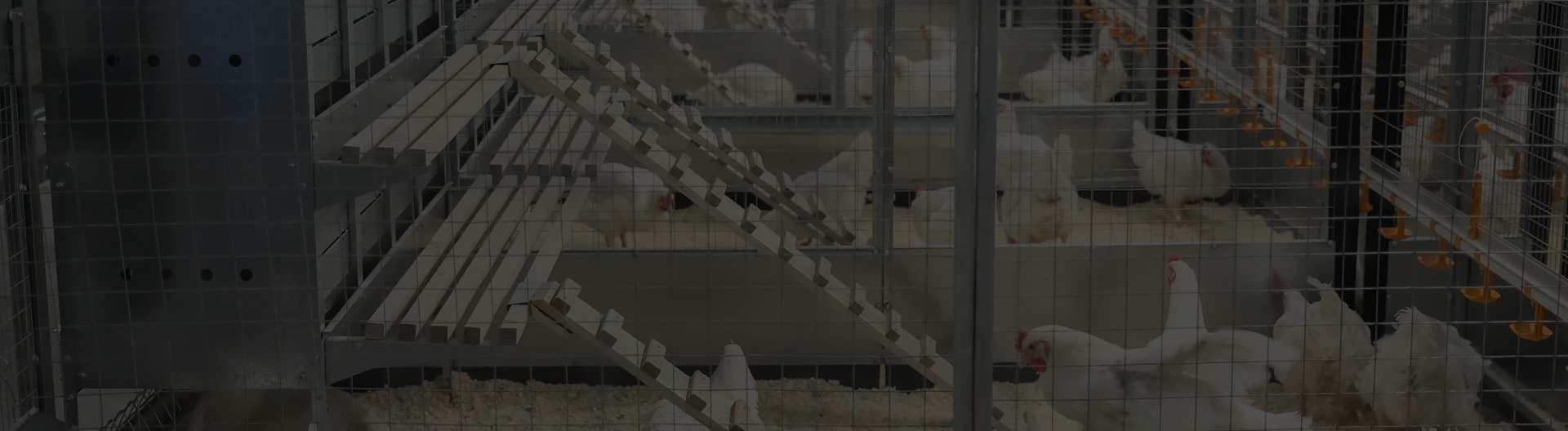
Put simply, an automatic chicken cage is a mechanized poultry enclosure designed to house chickens safely while automating essential husbandry tasks. Unlike traditional coops, these cages incorporate conveyor belts, sensors, and feeding systems that regulate the environment and reduce human intervention.
Think of it as a mini assembly line for chicken rearing: feed drops here automatically, water is refreshed there, and eggs gently roll down to collection trays without manual handling. This setup enhances productivity while safeguarding bird health.
Oddly enough, they’ve become indispensable not just in industrial farms but also in humanitarian contexts—a glimpse of modern agriculture’s blend of tradition and technology.
---
Key Components That Make Automatic Chicken Cages Tick
1. Durable Frame and Material
Most cages use galvanized steel or aluminum, resistant to corrosion and easy to clean. Durability matters because the farm environment is harsh—humidity, droppings, and the daily hustle-and-bustle of birds mean materials need endurance.
2. Automated Feeding Systems
These distribute feed in measured doses at programmed intervals. Many systems now use sensors to adjust feeding based on the number of birds and their growth stage, reducing waste.
3. Egg Collection Mechanism
Probably the most satisfying advancement: eggs naturally roll onto conveyor belts covered with soft rubber or foam to avoid cracking, making collection faster and safer.
4. Waste Management
Some cages include sloped floors or conveyor belts beneath to collect droppings, reducing contamination and labor costs. Cleanliness directly influences poultry health.
5. Environmental Controls
Temperature, humidity, and air quality sensors integrated with ventilation systems to maintain optimal bird welfare. Comfort equals productivity, after all.
6. Scalability and Modularity
Farms can add or remove cage units depending on needs, making expansion hassle-free.
---
Mini Takeaway:
An automatic chicken cage is less about just holding chickens and more about smartly combining engineering, animal care, and efficiency. The magic happens in the details—materials, automation, and environment all working seamlessly.
---
Automatic Chicken Cage in Action Around the World
If you look at countries like Brazil, China, and the US—some of the biggest poultry producers—you'll find vast networks of these cages humming quietly. In Brazil, for instance, modern farms with these systems have reportedly boosted egg production by 30% over older methods, according to local agricultural reports.
In humanitarian scenarios, such as rebuilding communities affected by natural disasters, small-scale automatic chicken cages have been deployed to kickstart poultry rearing with minimal labor input, promoting food security and income.
Additionally, remote industrial zones benefit from their low maintenance and self-regulating designs. One poultry farm manager in Australia noted how automation helped maintain care standards despite limited on-site staff.
---
Advantages That Make Automatic Chicken Cages a Long-Term Asset
-
Cost Efficiency: Though initial investment is higher, reduced labor and better feed optimization balance costs over time.
-
Sustainability: Less feed waste and better manure management reduce environmental footprints.
-
Animal Welfare: Proper ventilation, clean feeding, and hygiene improve bird health, addressing ethical farming concerns.
-
Reliability: Automated systems run day-in, day-out, with data-logged maintenance schedules to prevent failures.
-
Innovation & Trust: Farmers often report peace of mind, knowing their flocks are cared for even during unusual events like storms or staff shortages.
---
Future Trends: Where Automatic Chicken Cages Are Headed
What's next? Frankly, the pace of innovation is relentless. Some farms are integrating AI and IoT sensors to monitor chicken behavior in real-time, tweaking conditions automatically for welfare and yield. Solar-powered systems are emerging to reduce electricity dependency globally, improving sustainability.
Materials science is also advancing: bioplastics and antimicrobial coatings are making cages easier to keep clean and extend lifespan.
Policies worldwide increasingly emphasize sustainable farming, which means regulations may soon mandate these smart cages for commercial poultry operations — a win-win for animals, consumers, and the planet.
---
Challenges and How Experts Are Tackling Them
No solution is perfect. Automatic chicken cages require upfront investment and technical know-how, sometimes limiting access in developing regions. Also, system failures can be disastrous if not quickly detected.
To counteract these, manufacturers provide training and remote troubleshooting services. Modular designs simplify repairs, and evolving sensor tech offers early warnings when parts underperform.
Furthermore, researchers are working on affordable, scalable models to democratize access without compromising quality.
---
Product Specification Table: Typical Automatic Chicken Cage Model
| Specification |
Details |
| Material |
Galvanized steel with powder coating |
| Dimensions (L×W×H) |
2000mm × 600mm ×1500mm |
| Capacity |
50 layers per cage unit |
| Automation Features |
Feeding, watering, egg collection, waste removal |
| Power Consumption |
150W per unit |
| Warranty |
3 years |
---
Vendor Comparison: Popular Automatic Chicken Cage Suppliers
| Vendor |
Price Range |
Customization Options |
Customer Support |
Global Reach |
| Yize Machine |
$$$ |
Full modular design |
24/7 multilingual |
Global (50+ countries) |
| Alpha Poultry Tech |
$$ |
Basic automation |
Business hours support |
Regional (Asia, Europe) |
| FarmTech Solutions |
$$$$ |
Custom projects & AI integration |
Dedicated account manager |
Global with local offices |
---
Frequently Asked Questions About Automatic Chicken Cage Systems
- Q1: How does an automatic chicken cage improve egg production?
- A1: By automating feeding, watering, and egg collection, these cages reduce stress on chickens, maintain cleanliness, and optimize nutrition. Result? Consistent, higher quality egg yields with less manual labor involved.
- Q2: Can these cages be adapted for small-scale or backyard farmers?
- A2: Absolutely. While many automatic chicken cages serve industrial farms, modular designs make smaller setups feasible for backyard or semi-commercial farmers, increasing accessibility.
- Q3: What is the typical lifespan of an automatic chicken cage?
- A3: Generally, a well-maintained automatic chicken cage lasts 10-15 years, depending on materials and environment. Regular maintenance and cleaning extend durability.
- Q4: How energy-efficient are these cages?
- A4: Modern systems focus on low power consumption and can integrate solar panels or energy-saving components. Typical units consume around 150 watts, making them cost-effective in operation.
- Q5: Are automatic chicken cages compliant with animal welfare standards?
- A5: Most design standards consider bird comfort, ventilation, and hygiene, meeting or exceeding regulations like those from ISO or regional authorities. Still, it depends on model choice and farm management.
---
Wrapping Up: The Future of Poultry Farming Starts with Smarter Cages
If you think about it, automatic chicken cage systems embody a blend of tradition and tech that’s reshaping how we farm protein sustainably, safely, and at scale. Investing in these cages elevates not just production efficiency but animal welfare and environmental responsibility—a triple win. They’re a cornerstone in the sustainable food chain that the world so desperately needs.
Curious to explore what these systems can do for your operation? Check out
automatic chicken cage options and see how automation can transform poultry care.
---
References
- FAO Poultry Production Statistics
- ISO 22000 Food Safety Standards
- UN Food Systems Summit






 Afrikaans
 Albanian
 Amharic
 Arabic
 Armenian
 Azerbaijani
 Basque
 Belarusian
 Bengali
 Bosnian
 Bulgarian
 Catalan
 Cebuano
 Corsican
 Croatian
 Czech
Czech
 Danish
 Dutch
Dutch
 Esperanto
 Estonian
 Finnish
 French
 Frisian
 Galician
 Georgian
 German
 Greek
Greek
 Gujarati
 Haitian Creole
 Hausa
Hausa
 Hawaiian
 Hebrew
 Hindi
Hindi
 Miao
Miao
 Hungarian
 Icelandic
 Igbo
Igbo
 Indonesian
 Irish
Irish
 Italian
 Japanese
 Javanese
 Kannada
 Kazakh
 Khmer
Khmer
 Rwandese
 Korean
 Kurdish
 Kyrgyz
 Lao
Lao
 Latin
Latin
 Latvian
 Lithuanian
 Luxembourgish
 Macedonian
 Malgashi
 Malay
Malay
 Malayalam
 Maltese
 Maori
Maori
 Marathi
 Mongolian
 Myanmar
 Nepali
 Norwegian
 Norwegian
 Occitan
 Pashto
 Persian
 Polish
 Portuguese
 Punjabi
 Romanian
 Russian
 Samoan
 Scottish Gaelic
 Serbian
 Sesotho
 Shona
Shona
 Sindhi
 Sinhala
 Slovak
 Slovenian
 Somali
 Spanish
 Sundanese
 Swahili
 Swedish
 Tagalog
 Tajik
Tajik
 Tamil
Tamil
 Tatar
Tatar
 Telugu
 Thai
Thai
 Turkish
 Turkmen
 Ukrainian
 Urdu
Urdu
 Uighur
 Uzbek
Uzbek
 Vietnamese
 Welsh
Welsh
 Bantu
Bantu
 Yiddish
 Yoruba
 English