
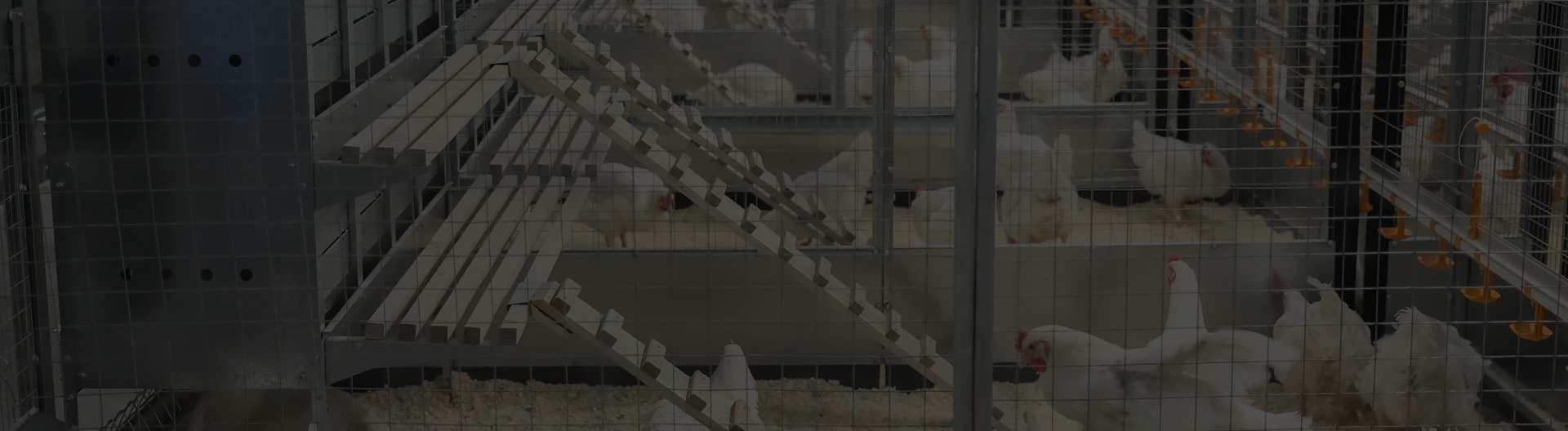
Durable Poultry Housing Solutions for Industrial Farms | YizeMachine
Dec . 12, 2025 03:25 Back to list
Durable Poultry Housing Solutions for Industrial Farms | YizeMachine
Poultry Housing: Durable Solutions for Today's Industrial Farms
Having spent over a decade working around industrial equipment and livestock infrastructure, I can say that poultry housing is one of those areas where the right design and materials make a day-and-night difference. Frankly, getting it right doesn’t just improve the chickens’ health and productivity — it can save a farm from costly headaches down the road.
Over the years, I've seen everything from traditional wooden coops (which tend to struggle with moisture and pests) to the latest galvanized steel and modular poultry housing systems that tout longer lifespans and easier maintenance. Oddly enough, despite all the tech advances, some basics never change: ventilation, space, and ease of cleaning remain king.
Today’s industrial setups demand an evolution in housing materials. Steel frames coated with weather-resistant paints, combined with high-density, UV-stabilized panels, offer a balance between sturdiness and comfort. You want a structure strong enough to stand years of wear but also something the birds can thrive in without excessive heat or dampness buildup. In real terms, that means a roofing system that prevents leaks but lets air circulate well.
Here’s a snapshot of a typical modern poultry housing unit’s specs that I came across recently. It’s fair to say these specs are becoming the benchmark for commercial farms:
| Specification | Details |
|---|---|
| Frame Material | Galvanized steel, powder coated |
| Wall Panels | UV-stabilized polypropylene, insulated |
| Roof Type | Corrugated steel with waterproof coating |
| Ventilation | Adjustable vents + natural airflow tunnels |
| Dimensions (typical model) | 12m x 5m x 3m (length x width x height) |
You know, many engineers I've worked alongside often highlight customization as a crucial selling point. Farms differ substantially in climate, bird density, and biosecurity requirements. So having a modular system that can be adapted — say, by scaling in width or swapping out panel types — gives a big operational edge. I remember one client from the Midwest who needed a poultry house that could endure harsh winters without condensation problems. With some tweaks to insulation thickness, they achieved just that.
Now, if you’re looking into suppliers in this space, here’s a quick comparison chart I put together based on features I find the most relevant from three vendors well-known in the industrial poultry housing field:
| Vendor | Material Quality | Customization Options | Price Range | Delivery Time |
|---|---|---|---|---|
| YizeMachine | High-grade galvanized steel & poly | Extensive (sizes & panel types) | $$$ | 3-4 weeks |
| AgroBuild | Standard steel frame, fibreglass panels | Moderate | $$ | 4-6 weeks |
| FarmEquip Pro | Aluminum frames, vinyl walls | Basic | $ | 2-3 weeks |
In my experience, the upfront investment in quality materials like those from YizeMachine often translates into less downtime and fewer repairs over the lifetime of the housing. One farming partner confided that after switching to their modular steel system, their chicken mortality rate dropped due to better pathogen control — partly thanks to improved ventilation design.
I guess what all this comes down to is understanding that poultry housing isn’t just a "set it and forget it" kind of thing. It’s about tailoring structures to your specific conditions and knowing your vendor’s track record, product specs, and customer service. You might think it’s just four walls and a roof, but in reality, it’s a critical piece of farm infrastructure that deserves serious thought.
If you’re hunting for dependable poultry housing that’s been tested in demanding settings, you’ll want to explore options that offer durability, customization, and solid local support — all things I’ve found to be true with reputable suppliers like YizeMachine.
-
Professional Mini Poultry Cage for Efficient Small Scale Farming
NewsApr.16,2026
-
Optimizing Poultry Production with Advanced Cage System Poultry
NewsApr.09,2026
-
Optimizing Layer Poultry Cages for Efficient and Profitable Egg Production
NewsApr.07,2026
-
Comprehensive Guide to Poultry Cages for Layers and Modern Farming Solutions
NewsApr.04,2026
-
Comprehensive Guide to Optimizing Poultry Laying Cages for Egg Production
NewsMar.31,2026
-
Maximize Egg Production with Efficient Poultry Layer Cage Systems
NewsMar.28,2026





 Afrikaans
 Albanian
 Amharic
 Arabic
 Armenian
 Azerbaijani
 Basque
 Belarusian
 Bengali
 Bosnian
 Bulgarian
 Catalan
 Cebuano
 Corsican
 Croatian
 Czech
Czech
 Danish
 Dutch
Dutch
 Esperanto
 Estonian
 Finnish
 French
 Frisian
 Galician
 Georgian
 German
 Greek
Greek
 Gujarati
 Haitian Creole
 Hausa
Hausa
 Hawaiian
 Hebrew
 Hindi
Hindi
 Miao
Miao
 Hungarian
 Icelandic
 Igbo
Igbo
 Indonesian
 Irish
Irish
 Italian
 Japanese
 Javanese
 Kannada
 Kazakh
 Khmer
Khmer
 Rwandese
 Korean
 Kurdish
 Kyrgyz
 Lao
Lao
 Latin
Latin
 Latvian
 Lithuanian
 Luxembourgish
 Macedonian
 Malgashi
 Malay
Malay
 Malayalam
 Maltese
 Maori
Maori
 Marathi
 Mongolian
 Myanmar
 Nepali
 Norwegian
 Norwegian
 Occitan
 Pashto
 Persian
 Polish
 Portuguese
 Punjabi
 Romanian
 Russian
 Samoan
 Scottish Gaelic
 Serbian
 Sesotho
 Shona
Shona
 Sindhi
 Sinhala
 Slovak
 Slovenian
 Somali
 Spanish
 Sundanese
 Swahili
 Swedish
 Tagalog
 Tajik
Tajik
 Tamil
Tamil
 Tatar
Tatar
 Telugu
 Thai
Thai
 Turkish
 Turkmen
 Ukrainian
 Urdu
Urdu
 Uighur
 Uzbek
Uzbek
 Vietnamese
 Welsh
Welsh
 Bantu
Bantu
 Yiddish
 Yoruba
 English