
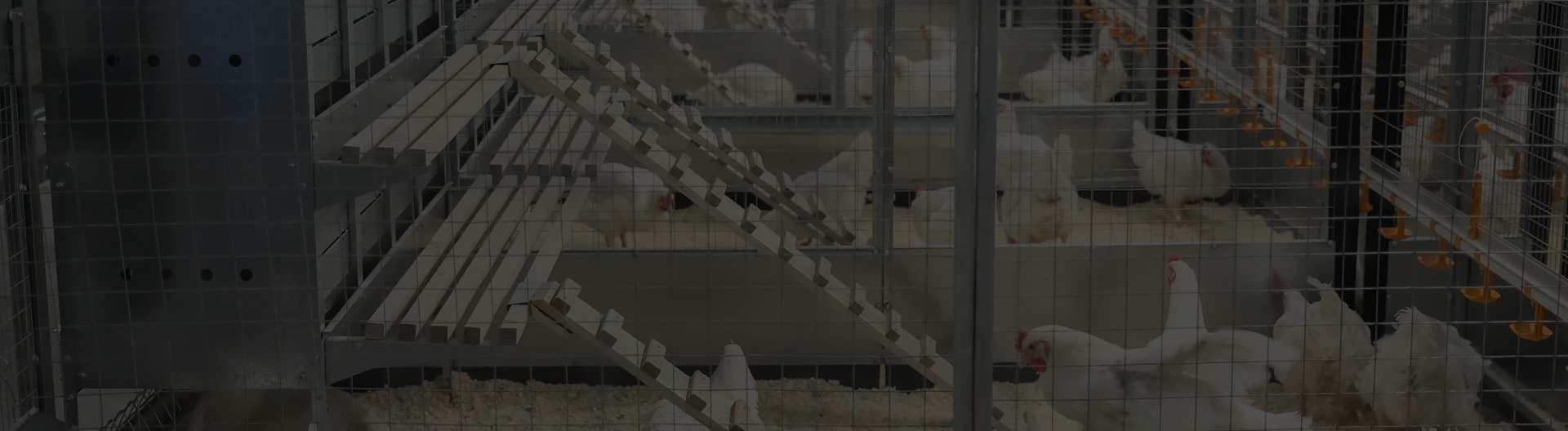
Optimal Layer Chicken Cage Solutions for Efficient Poultry Farming
Dec . 12, 2025 06:25 Back to list
Optimal Layer Chicken Cage Solutions for Efficient Poultry Farming
Layer Chicken Cage: A Veteran’s Perspective on Efficiency and Design
If you’ve ever spent time in poultry farming — particularly in layer chicken production — you’ll know that the quality of the cage system is almost as important as the breed itself. Frankly, canned poultry stories aside, designing and choosing the right layer chicken cage can make or break your output and labor efficiency.
In my two decades working with industrial livestock equipment, I’ve seen how these cages evolved from fairly crude wooden frames to sleek, galvanized steel architectures. What stands out is the balance they've struck between animal welfare, productivity, and operational maintenance.
Take the material for example. Most modern layer cages—especially the ones I recommend—are made from galvanized steel wire mesh. The galvanization isn’t just for show; it’s vital because it protects the structure from rust caused by constant exposure to chicken droppings and cleaning agents. It’s a tough environment, no doubt.
When I first started on poultry projects, cages were frequently overbuilt (read: heavy) and less practical in terms of ventilation and egg collection. It was common to see laying hens stressed by poor cage design. Now, ergonomic cages include features like sloped floors for better egg roll-out, easily detachable trays, and modular designs allowing scalability.
Here’s a quick rundown — based on specifications from industry leaders — on a typical layer chicken cage that hits a sweet spot of durability and usability:
| Feature | Specification |
|---|---|
| Material | Hot-dip galvanized steel wire |
| Dimensions (per cage) | 100 cm × 50 cm × 45 cm |
| Capacity | 4-6 laying hens |
| Design Highlights | Sloped floor, egg roll-out system, removable manure tray |
| Lifespan (approx.) | 8-10 years with proper maintenance |
Now, when it comes to purchasing, not all vendors are created equal, as you might guess. I remember working with three main vendors during one large-scale project across Asia, and the differences in quality and support were quite telling.
| Vendor | Material Quality | Customization Options | After-Sales Support | Price Range |
|---|---|---|---|---|
| Yize Machine | High-grade galvanized steel | Flexible; cages & systems tailored | Responsive, long-term assistance | Mid-range |
| Vendor B | Standard galvanized | Limited customization | Basic support | Low-range |
| Vendor C | Premium stainless steel | Highly customizable | Comprehensive support | High-range |
From my experience, a mid-range vendor like Yize Machine strikes a practical balance. I recall a farmer in Henan Province who upgraded to their cages—he reported cleaner eggs, less bird stress, and noticeably easier manure removal in just the first few months.
One small nugget I've learned over the years: while stainless is tempting for its corrosion resistance, it’s often an overkill cost for most standard poultry operations. The galvanized steel cages, especially those with a proper coating and quality mesh, offer all the durability needed with better price efficiency.
Maintenance-wise, simple things like routinely cleaning the trays, checking for rust spots, and ensuring the structural integrity of the mesh go a long way. Oddly enough, operators sometimes neglect these basics, hastening their equipment’s wear.
In real terms, good cage design and vendor partnership reduce downtime and boost egg production… which, if you ask me, is kind of the whole point. The right layer chicken cage pays for itself over time through increased yields and easier management.
If you’re exploring this market, I’d say start by focusing on build quality, scalability, and vendor support. And, of course, see if they align with your stocking density goals and local conditions.
For a trusted partner, I suggest you check out layer chicken cage options there. You may find their solutions conveniently robust and tailored for long-term commercial success.
At the end of the day, layer hens deserve a comfortable environment, and farmers need equipment that won’t let them down. That, as I see it, is the real measure of a good cage.
So, here’s a little takeaway from someone who has lived this sector: never underestimate how much the cage influences your operation. A few smart choices there ripple through the entire production chain.
References:
- "Poultry Housing Design" – FAO, 2020.
- Yize Machine Official Product Catalog, 2023.
- Smith J., "Industrial Layer Cage Innovations," Poultry Today, 2022.
-
Professional Mini Poultry Cage for Efficient Small Scale Farming
NewsApr.16,2026
-
Optimizing Poultry Production with Advanced Cage System Poultry
NewsApr.09,2026
-
Optimizing Layer Poultry Cages for Efficient and Profitable Egg Production
NewsApr.07,2026
-
Comprehensive Guide to Poultry Cages for Layers and Modern Farming Solutions
NewsApr.04,2026
-
Comprehensive Guide to Optimizing Poultry Laying Cages for Egg Production
NewsMar.31,2026
-
Maximize Egg Production with Efficient Poultry Layer Cage Systems
NewsMar.28,2026





 Afrikaans
 Albanian
 Amharic
 Arabic
 Armenian
 Azerbaijani
 Basque
 Belarusian
 Bengali
 Bosnian
 Bulgarian
 Catalan
 Cebuano
 Corsican
 Croatian
 Czech
Czech
 Danish
 Dutch
Dutch
 Esperanto
 Estonian
 Finnish
 French
 Frisian
 Galician
 Georgian
 German
 Greek
Greek
 Gujarati
 Haitian Creole
 Hausa
Hausa
 Hawaiian
 Hebrew
 Hindi
Hindi
 Miao
Miao
 Hungarian
 Icelandic
 Igbo
Igbo
 Indonesian
 Irish
Irish
 Italian
 Japanese
 Javanese
 Kannada
 Kazakh
 Khmer
Khmer
 Rwandese
 Korean
 Kurdish
 Kyrgyz
 Lao
Lao
 Latin
Latin
 Latvian
 Lithuanian
 Luxembourgish
 Macedonian
 Malgashi
 Malay
Malay
 Malayalam
 Maltese
 Maori
Maori
 Marathi
 Mongolian
 Myanmar
 Nepali
 Norwegian
 Norwegian
 Occitan
 Pashto
 Persian
 Polish
 Portuguese
 Punjabi
 Romanian
 Russian
 Samoan
 Scottish Gaelic
 Serbian
 Sesotho
 Shona
Shona
 Sindhi
 Sinhala
 Slovak
 Slovenian
 Somali
 Spanish
 Sundanese
 Swahili
 Swedish
 Tagalog
 Tajik
Tajik
 Tamil
Tamil
 Tatar
Tatar
 Telugu
 Thai
Thai
 Turkish
 Turkmen
 Ukrainian
 Urdu
Urdu
 Uighur
 Uzbek
Uzbek
 Vietnamese
 Welsh
Welsh
 Bantu
Bantu
 Yiddish
 Yoruba
 English