
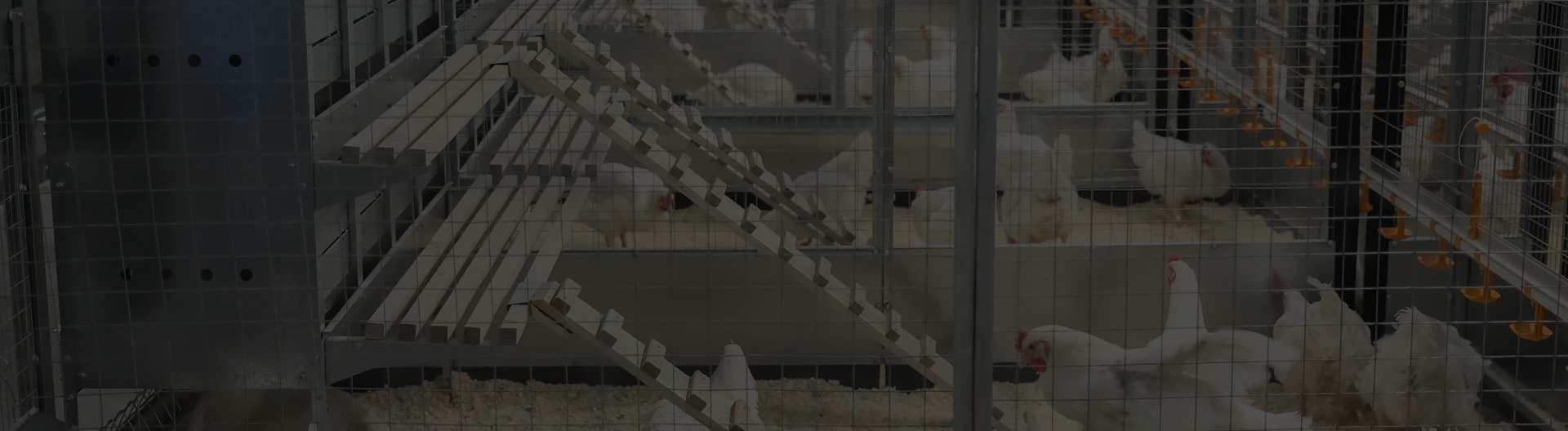
Comprehensive Guide to Poultry Transport Cages for Safe and Efficient Transit
Mar . 24, 2026 02:05 Back to list
Comprehensive Guide to Poultry Transport Cages for Safe and Efficient Transit
Poultry Transport Cages: A Comprehensive Guide
Efficient and safe transportation of poultry is crucial for the success of any poultry farming operation. Poultry transport cages are designed to minimize stress, injury, and mortality during transit. This article will delve into the benefits, features, types, and selection criteria of poultry transport cages, offering valuable insights for farmers and industry professionals. Choosing the right cage is an investment in animal welfare and ultimately, your profitability.
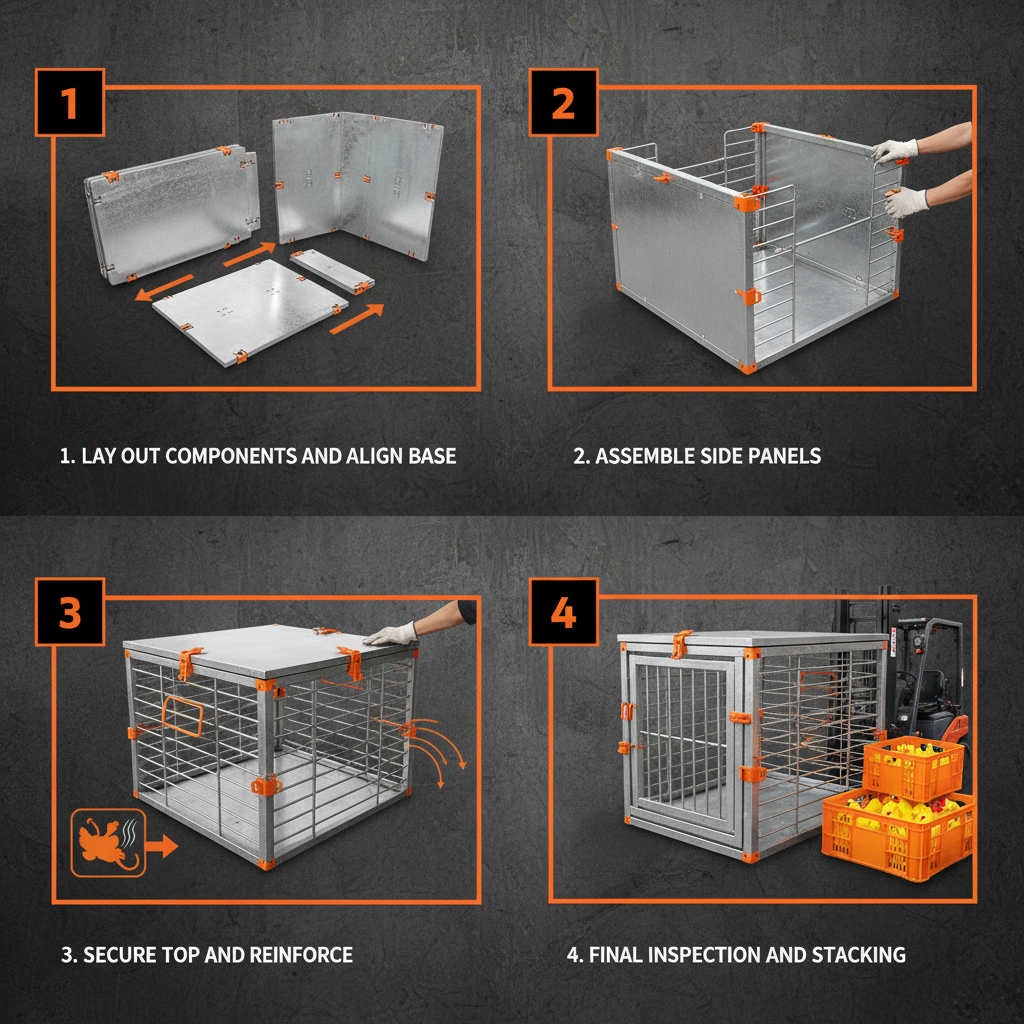
Why Use Poultry Transport Cages?
Using dedicated poultry transport cages instead of open crates or simply loading birds loosely offers numerous advantages. Primarily, cages provide a secure environment, reducing the risk of birds injuring themselves during movement. They also minimize stress by providing individual space and preventing overcrowding. Furthermore, cages significantly reduce feather loss and contamination from droppings, maintaining hygiene and improving the quality of the transported birds. Properly designed cages also facilitate efficient loading, unloading, and cleaning, saving time and labor costs.
Key Benefits: Reduced stress and injury, improved hygiene, minimized feather loss, efficient handling, and increased bird quality.
Types of Poultry Transport Cages
Poultry transport cages come in various designs to suit different poultry types and transportation needs. The most common types include:
- Layer Cages: Designed for laying hens, these cages typically have multiple compartments to house individual birds.
- Broiler Cages: Larger compartments accommodate the faster growth of broiler chickens.
- Quail Cages: Smaller and more compact cages designed for transporting quail.
- Duck Cages: Designed with deeper compartments to accommodate the size and behavior of ducks.
- Stackable Cages: These cages can be stacked on top of each other to maximize space utilization during transport.
The specific cage type should be selected based on the species, age, and size of the birds being transported, as well as the duration and distance of the journey.
Key Features to Consider When Choosing Poultry Transport Cages
Selecting the right poultry transport cage involves considering several key features. Durable construction is paramount; cages should be made from high-quality, rust-resistant materials like galvanized steel or plastic. Proper ventilation is crucial to ensure adequate airflow and prevent overheating. Secure locking mechanisms prevent birds from escaping during transit. Ease of cleaning and disinfection is also essential for maintaining hygiene and preventing disease spread. Finally, consider the cage's weight and dimensions to ensure compatibility with your transportation vehicle and handling equipment.
Essential Features:
• Durable and rust-resistant materials
• Adequate ventilation
• Secure locking mechanisms
• Easy to clean and disinfect
Poultry Transport Cage Materials: A Comparison
The material of a poultry transport cage significantly impacts its durability, weight, and cost. Here's a comparison of common materials:
Ensuring Animal Welfare During Transport
Using appropriate poultry transport cages is just one aspect of ensuring animal welfare. Proper stocking density is crucial to prevent overcrowding and stress. Avoid transporting birds during extreme weather conditions. Provide adequate water and, if the journey is long, consider providing feed. Minimize handling to reduce stress and potential injuries. Regularly inspect the cages during transport to ensure birds are comfortable and safe. Following best practices for animal welfare not only ensures the ethical treatment of your poultry but also contributes to higher product quality and reduced losses.
Conclusion: Investing in Quality Poultry Transport Cages
Investing in high-quality poultry transport cages is a vital step in optimizing your poultry farming operation. By prioritizing bird welfare, reducing losses, and improving efficiency, you can ensure a more sustainable and profitable business. Yize Machinery offers a comprehensive range of durable and well-designed transport cages to meet your specific needs. Contact us today to learn more.
Frequently Asked Questions (FAQs)
How do I determine the appropriate cage size for my birds?
Determining the correct cage size is crucial for bird welfare and minimizing stress. Consider the bird's species, age, and breed. Generally, birds should have enough space to stand, turn around, and lie down comfortably. Overcrowding can lead to injuries, feather loss, and increased mortality. Consult with a poultry specialist or the cage manufacturer for specific recommendations based on your bird type and transportation needs. The goal is to provide adequate space without unnecessarily increasing transportation costs.
What cleaning and disinfection procedures should I follow for poultry transport cages?
Maintaining hygiene is essential to prevent the spread of disease. After each use, thoroughly clean the cages with a detergent solution to remove droppings and debris. Then, disinfect the cages with an approved poultry disinfectant, following the manufacturer’s instructions. Allow the cages to dry completely before storing them. Regular inspection for damage and repair of any broken parts is also important. Implement a cleaning schedule and keep records to ensure consistent hygiene practices.
Are there any regulations regarding poultry transport cage standards?
Yes, regulations regarding poultry transport cage standards vary by region and country. Many regions have guidelines or regulations specifying minimum cage dimensions, ventilation requirements, and construction materials. It's essential to comply with all applicable regulations to ensure animal welfare and avoid penalties. Check with your local agricultural authorities or poultry industry associations for specific requirements. Yize Machinery's cages are designed to meet many of these standards.
-
Professional Mini Poultry Cage for Efficient Small Scale Farming
NewsApr.16,2026
-
Optimizing Poultry Production with Advanced Cage System Poultry
NewsApr.09,2026
-
Optimizing Layer Poultry Cages for Efficient and Profitable Egg Production
NewsApr.07,2026
-
Comprehensive Guide to Poultry Cages for Layers and Modern Farming Solutions
NewsApr.04,2026
-
Comprehensive Guide to Optimizing Poultry Laying Cages for Egg Production
NewsMar.31,2026
-
Maximize Egg Production with Efficient Poultry Layer Cage Systems
NewsMar.28,2026





 Afrikaans
 Albanian
 Amharic
 Arabic
 Armenian
 Azerbaijani
 Basque
 Belarusian
 Bengali
 Bosnian
 Bulgarian
 Catalan
 Cebuano
 Corsican
 Croatian
 Czech
Czech
 Danish
 Dutch
Dutch
 Esperanto
 Estonian
 Finnish
 French
 Frisian
 Galician
 Georgian
 German
 Greek
Greek
 Gujarati
 Haitian Creole
 Hausa
Hausa
 Hawaiian
 Hebrew
 Hindi
Hindi
 Miao
Miao
 Hungarian
 Icelandic
 Igbo
Igbo
 Indonesian
 Irish
Irish
 Italian
 Japanese
 Javanese
 Kannada
 Kazakh
 Khmer
Khmer
 Rwandese
 Korean
 Kurdish
 Kyrgyz
 Lao
Lao
 Latin
Latin
 Latvian
 Lithuanian
 Luxembourgish
 Macedonian
 Malgashi
 Malay
Malay
 Malayalam
 Maltese
 Maori
Maori
 Marathi
 Mongolian
 Myanmar
 Nepali
 Norwegian
 Norwegian
 Occitan
 Pashto
 Persian
 Polish
 Portuguese
 Punjabi
 Romanian
 Russian
 Samoan
 Scottish Gaelic
 Serbian
 Sesotho
 Shona
Shona
 Sindhi
 Sinhala
 Slovak
 Slovenian
 Somali
 Spanish
 Sundanese
 Swahili
 Swedish
 Tagalog
 Tajik
Tajik
 Tamil
Tamil
 Tatar
Tatar
 Telugu
 Thai
Thai
 Turkish
 Turkmen
 Ukrainian
 Urdu
Urdu
 Uighur
 Uzbek
Uzbek
 Vietnamese
 Welsh
Welsh
 Bantu
Bantu
 Yiddish
 Yoruba
 English