Look, I've spent the last fifteen years knee-deep in concrete and dust, watching construction sites evolve. And let me tell you, the backbone of any successful project isn’t just fancy software or blueprints, it’s the right machinery. Specifically, having the right poultry machines – the dependable, efficient ones that keep things moving. Too often I see projects stalled, budgets blown, all because someone skimped on the equipment. It’s not just about initial cost; it's about uptime, reliability, and how it impacts the entire workflow. You need machines that can withstand the day-to-day grind, and that’s where specialization really pays off.
We're not talking about one-size-fits-all here. Different sites, different needs. From small-scale family farms needing efficient processing, to large-scale commercial operations demanding peak output, the right poultry machines are tailored to the specific challenges of the job. I've seen crews struggle with outdated, inefficient systems, watching product spoil or getting bottlenecks in processing. It's frustrating, costly, and frankly, avoidable. The modern industry demands precision and speed, and that comes down to the quality of your core equipment.
And it’s not just about the equipment itself; it's about the support behind it. A machine breaking down is bad enough, but a slow response time for parts or service can cripple a project. That's why I always look for manufacturers who understand the real-world demands of construction and offer robust support networks. It's about building a partnership, not just making a purchase.
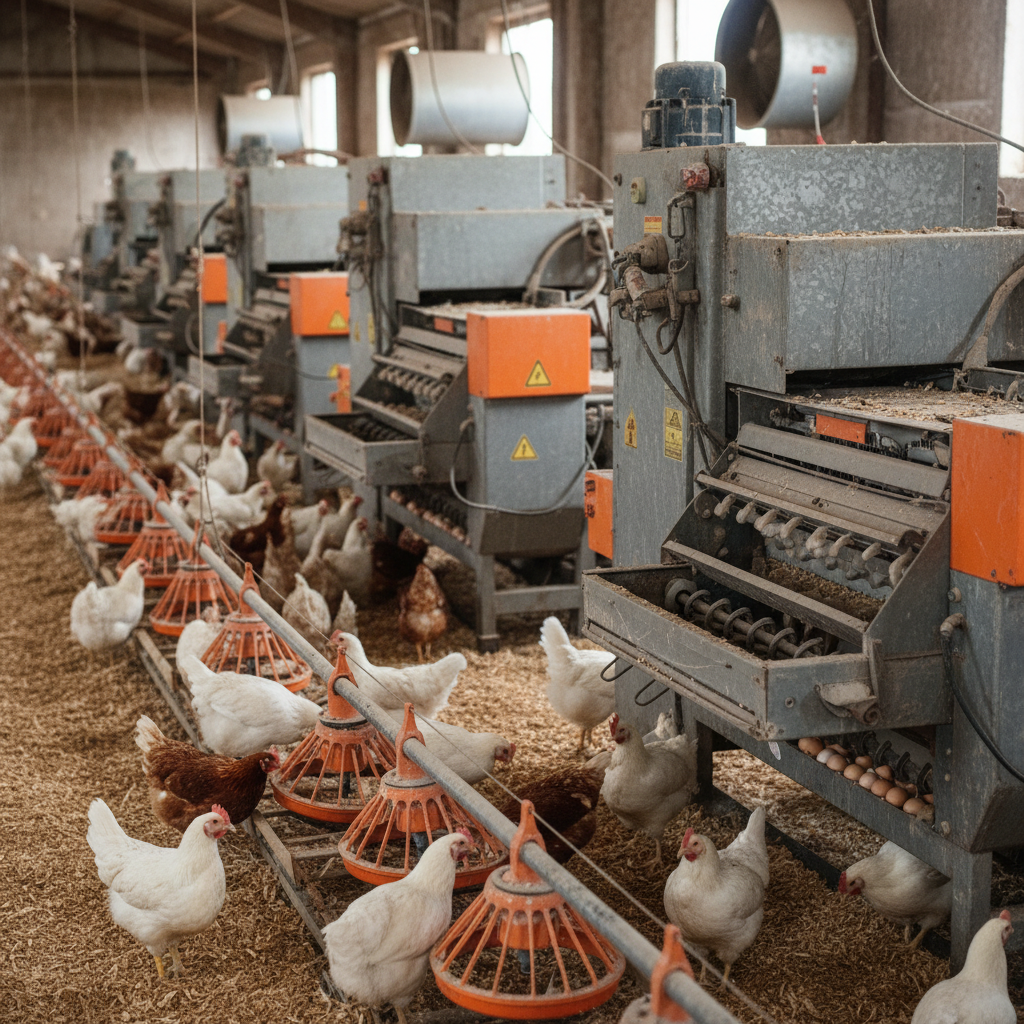
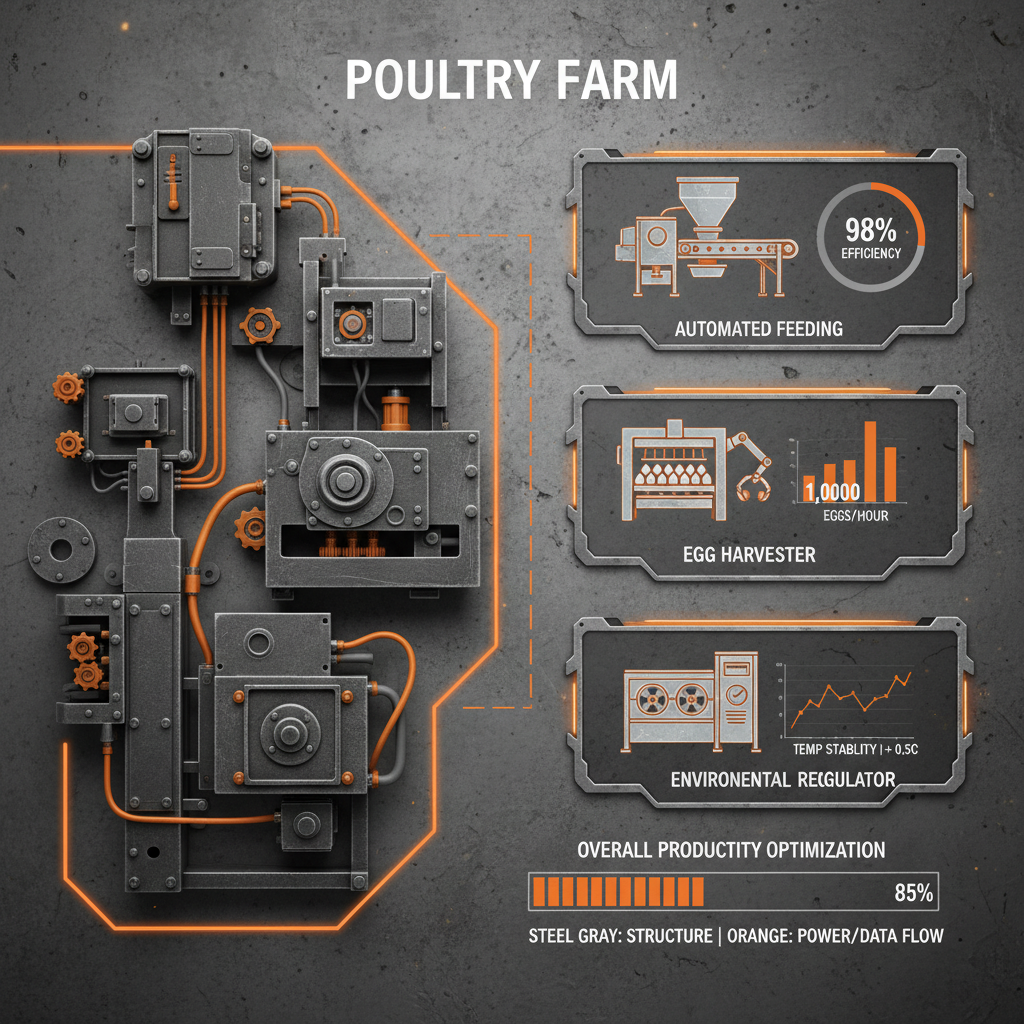
I’ve seen firsthand how the implementation of the right poultry machines can drastically alter the efficiency of an entire operation. It’s not just about faster processing, it’s about reducing waste, improving hygiene, and ensuring a safer working environment. A well-equipped facility, optimized with the correct machinery, directly translates into a higher quality product and increased profitability. Think about it – reduced labor costs, minimized spoilage, and a consistent output.
The poultry industry is growing rapidly, driven by increasing global demand. According to the UN, global meat consumption is projected to rise substantially in the coming decades. Meeting this demand requires scalable and reliable infrastructure, and the right poultry machines are absolutely critical to achieving that. Ignoring this fact is a recipe for falling behind.
When selecting right poultry machines, prioritize durability, scalability, and cost-efficiency. Consider your specific processing needs, the volume of poultry, and your budget. Don’t just look at the upfront cost; factor in long-term maintenance, energy consumption, and potential downtime. I always tell folks, cheap isn’t always better. You need reliable equipment that can handle the daily grind without breaking the bank.
Preventative maintenance is key to maximizing uptime and extending the life of your right poultry machines. A good rule of thumb is to follow the manufacturer's recommendations, but typically, you should conduct visual inspections daily, lubrication checks weekly, and more thorough servicing quarterly or bi-annually. Ignoring maintenance is a recipe for disaster.
The ROI varies depending on your existing setup, processing volume, and the specific machines you invest in. However, you can typically expect to see significant improvements in efficiency, reduced labor costs, and minimized waste. These savings often translate into a payback period of 2-5 years. Remember that efficiency means more throughput with the same resources or the same throughput with fewer resources.
Sanitation is absolutely critical. Poultry processing requires strict hygiene standards to prevent contamination and ensure food safety. Choose machines that are easy to clean, sanitize, and maintain. Stainless steel construction is a must. Regular cleaning and disinfection are non-negotiable. Think about it - the health of your customers depends on it.
Several financing options are available for right poultry machines. These include traditional bank loans, equipment leasing, and manufacturer financing programs. Some government programs also offer subsidies or grants for agricultural technology upgrades. Work with a financial advisor to determine the best option for your business.
Proper training is vital for maximizing the efficiency and safety of your right poultry machines. Most manufacturers offer comprehensive training programs for operators and maintenance personnel. Consider sending your team for hands-on training and providing ongoing refresher courses. A well-trained workforce is a safe and productive workforce.
Investing in the right poultry machines isn’t just about buying equipment; it’s about investing in the future of your operation. From increased efficiency and reduced costs to improved product quality and enhanced food safety, the benefits are undeniable. The modern poultry industry demands precision, scalability, and sustainability, and the right machinery is the foundation for achieving those goals.
Don’t settle for outdated or inadequate equipment. Take the time to research your options, consult with experts, and choose machines that are tailored to your specific needs. A well-equipped processing facility will not only improve your bottom line but also build a stronger, more resilient business for years to come. For the right poultry machines to power your success, visit our website: right poultry machines






 Afrikaans
 Albanian
 Amharic
 Arabic
 Armenian
 Azerbaijani
 Basque
 Belarusian
 Bengali
 Bosnian
 Bulgarian
 Catalan
 Cebuano
 Corsican
 Croatian
 Czech
Czech
 Danish
 Dutch
Dutch
 Esperanto
 Estonian
 Finnish
 French
 Frisian
 Galician
 Georgian
 German
 Greek
Greek
 Gujarati
 Haitian Creole
 Hausa
Hausa
 Hawaiian
 Hebrew
 Hindi
Hindi
 Miao
Miao
 Hungarian
 Icelandic
 Igbo
Igbo
 Indonesian
 Irish
Irish
 Italian
 Japanese
 Javanese
 Kannada
 Kazakh
 Khmer
Khmer
 Rwandese
 Korean
 Kurdish
 Kyrgyz
 Lao
Lao
 Latin
Latin
 Latvian
 Lithuanian
 Luxembourgish
 Macedonian
 Malgashi
 Malay
Malay
 Malayalam
 Maltese
 Maori
Maori
 Marathi
 Mongolian
 Myanmar
 Nepali
 Norwegian
 Norwegian
 Occitan
 Pashto
 Persian
 Polish
 Portuguese
 Punjabi
 Romanian
 Russian
 Samoan
 Scottish Gaelic
 Serbian
 Sesotho
 Shona
Shona
 Sindhi
 Sinhala
 Slovak
 Slovenian
 Somali
 Spanish
 Sundanese
 Swahili
 Swedish
 Tagalog
 Tajik
Tajik
 Tamil
Tamil
 Tatar
Tatar
 Telugu
 Thai
Thai
 Turkish
 Turkmen
 Ukrainian
 Urdu
Urdu
 Uighur
 Uzbek
Uzbek
 Vietnamese
 Welsh
Welsh
 Bantu
Bantu
 Yiddish
 Yoruba
 English