
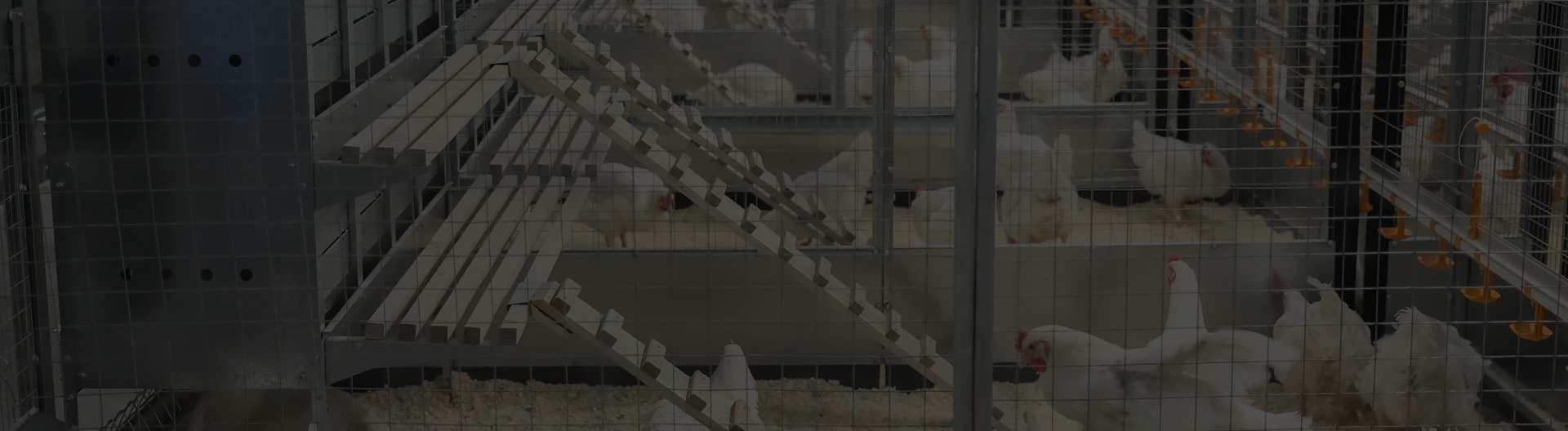
Comprehensive Guide to Optimizing Poultry Laying Cages for Egg Production
Mar . 31, 2026 01:55 Back to list
Comprehensive Guide to Optimizing Poultry Laying Cages for Egg Production
Poultry Laying Cages: A Comprehensive Guide
Optimizing egg production requires efficient and comfortable housing for your hens. Poultry laying cages are a popular choice for commercial farms, offering numerous benefits over free-range systems. This article will delve into the different types of laying cages, their advantages, considerations for choosing the right system, and the latest innovations. We'll explore how selecting the right poultry laying cages can significantly impact your farm’s productivity and profitability.
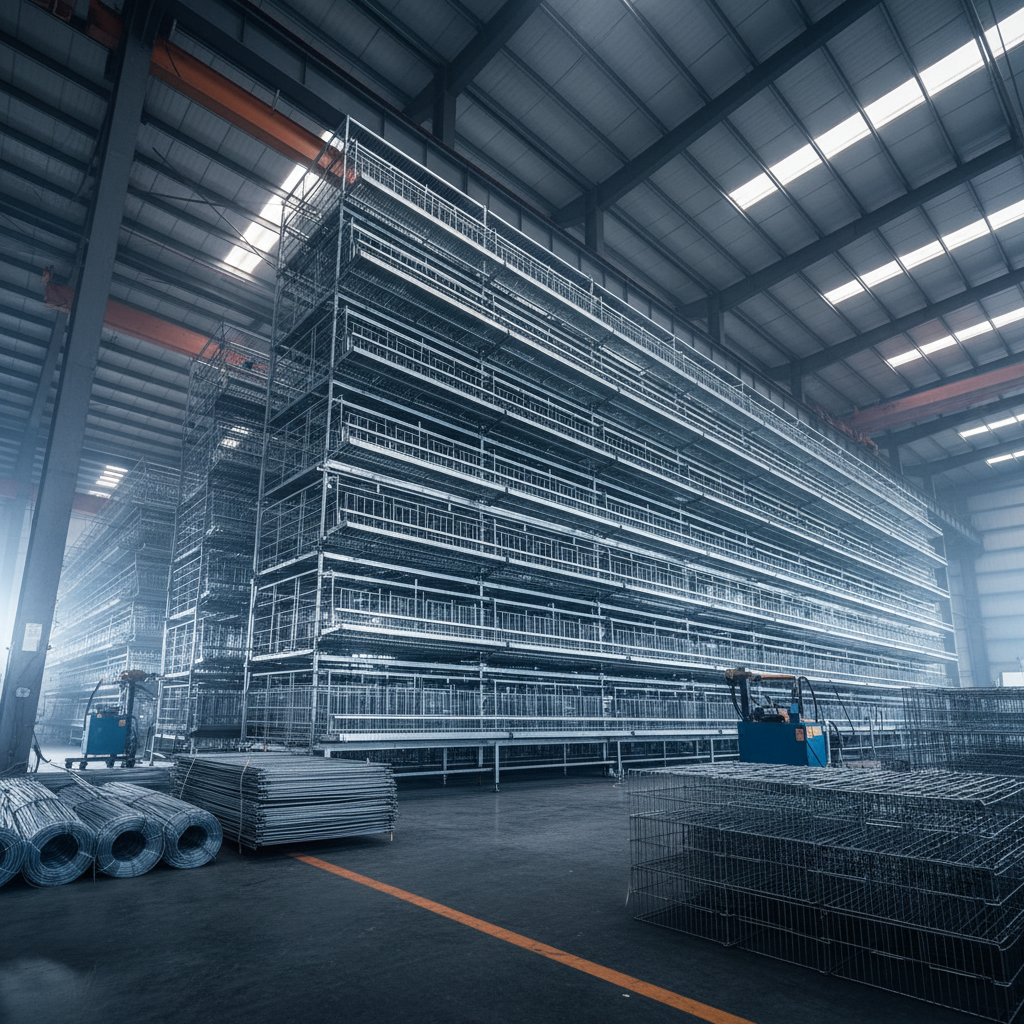
Types of Poultry Laying Cages
There are several types of poultry laying cages available, each with its own advantages and disadvantages. The most common include:
- Traditional Cage Systems: These are the most widely used and often the most affordable. Hens are housed in small cages with limited space.
- Enriched Cage Systems: These offer more space per hen and include enrichments like perches, nest boxes, and scratch areas to promote natural behaviors.
- Step Cage Systems: These are multi-tiered systems that maximize space utilization and offer improved ventilation.
- A-Frame Cages: Similar to step cages, A-frame cages provide excellent space efficiency and manure removal.
Understanding the different options is crucial to selecting the best system for your specific needs and budget. Yizemachine offers a wide range of cage systems tailored to various farm sizes and requirements.
Key Takeaway: Choosing the right cage system is a significant investment. Carefully consider your farm’s size, budget, and production goals.
Benefits of Using Poultry Laying Cages
Using poultry laying cages offers several key benefits:
- Increased Egg Production: Cages provide a controlled environment that minimizes stress and maximizes egg laying rates.
- Improved Egg Quality: Cleaner eggs, as hens are separated from manure.
- Reduced Feed Waste: Cages minimize feed spillage and contamination.
- Better Disease Control: Easier sanitation and biosecurity management.
- Efficient Space Utilization: Multi-tiered systems maximize space efficiency.
- Easier Management: Automated systems streamline feeding, watering, and egg collection.
These benefits contribute to increased profitability and a more sustainable farming operation.
Choosing the Right Poultry Laying Cage System
Selecting the optimal poultry laying cage system requires careful consideration of several factors:
- Farm Size: Larger farms often benefit from automated, high-density systems.
- Budget: Initial investment costs vary significantly between different systems.
- Production Goals: Consider the desired egg production rate and egg quality.
- Climate: The local climate influences ventilation and temperature control requirements.
- Regulations: Ensure compliance with local animal welfare regulations.
Yizemachine’s team of experts can help you assess your needs and recommend the most suitable system for your farm.
Key Considerations:
• Farm Size & Budget
• Production Goals & Egg Quality
• Climate & Regulations
Comparison of Poultry Laying Cage Systems
Here's a comparative overview of different laying cage systems:
Innovations in Poultry Laying Cage Technology
Recent advancements in cage technology focus on improving animal welfare and automation. These include:
- Automated Egg Collection: Robotic systems for efficient egg handling.
- Automated Feeding and Watering: Precision systems for optimal resource management.
- Manure Removal Systems: Efficient and hygienic manure handling.
- Climate Control Systems: Maintaining optimal temperature and ventilation.
- Smart Cage Monitoring: Using sensors to track hen health and performance.
Yizemachine is committed to providing cutting-edge solutions that incorporate these innovations, helping you optimize your poultry farm’s efficiency and sustainability.
Conclusion: Investing in Efficient Poultry Housing
Investing in the right poultry laying cage system is crucial for the success of your farm. By carefully considering your needs, budget, and production goals, you can select a system that maximizes egg production, improves egg quality, and enhances animal welfare. Yizemachine is your trusted partner in providing high-quality, innovative poultry equipment and expert support.
Frequently Asked Questions (FAQs)
What is the recommended space allowance per hen in a laying cage?
Space allowance varies depending on the type of cage system and local regulations. Generally, enriched cages require at least 0.08 to 0.12 square meters per hen, while traditional cages may allow for as little as 0.05 to 0.07 square meters. Regulations are becoming stricter, emphasizing the importance of providing adequate space for hens to exhibit natural behaviors. Sufficient space contributes to hen welfare and overall productivity. Contact Yizemachine for specific recommendations tailored to your region and system.
How often should poultry laying cages be cleaned?
Regular cleaning is essential for maintaining hygiene and preventing disease. Cages should be cleaned thoroughly after each flock cycle. Daily removal of manure is also recommended, especially with automated systems. Disinfection should be performed between flocks to eliminate harmful pathogens. Proper cleaning and disinfection practices are crucial for maintaining a healthy flock and maximizing egg production.
What materials are poultry laying cages typically made from?
Poultry laying cages are typically constructed from galvanized steel wire or PVC-coated steel wire. Galvanized steel provides excellent strength and durability, while the PVC coating offers additional corrosion resistance. The choice of material depends on the specific requirements of the farm and the local climate. Yizemachine uses high-quality materials to ensure the longevity and reliability of its cage systems.
-
Professional Mini Poultry Cage for Efficient Small Scale Farming
NewsApr.16,2026
-
Optimizing Poultry Production with Advanced Cage System Poultry
NewsApr.09,2026
-
Optimizing Layer Poultry Cages for Efficient and Profitable Egg Production
NewsApr.07,2026
-
Comprehensive Guide to Poultry Cages for Layers and Modern Farming Solutions
NewsApr.04,2026
-
Comprehensive Guide to Optimizing Poultry Laying Cages for Egg Production
NewsMar.31,2026
-
Maximize Egg Production with Efficient Poultry Layer Cage Systems
NewsMar.28,2026





 Afrikaans
 Albanian
 Amharic
 Arabic
 Armenian
 Azerbaijani
 Basque
 Belarusian
 Bengali
 Bosnian
 Bulgarian
 Catalan
 Cebuano
 Corsican
 Croatian
 Czech
Czech
 Danish
 Dutch
Dutch
 Esperanto
 Estonian
 Finnish
 French
 Frisian
 Galician
 Georgian
 German
 Greek
Greek
 Gujarati
 Haitian Creole
 Hausa
Hausa
 Hawaiian
 Hebrew
 Hindi
Hindi
 Miao
Miao
 Hungarian
 Icelandic
 Igbo
Igbo
 Indonesian
 Irish
Irish
 Italian
 Japanese
 Javanese
 Kannada
 Kazakh
 Khmer
Khmer
 Rwandese
 Korean
 Kurdish
 Kyrgyz
 Lao
Lao
 Latin
Latin
 Latvian
 Lithuanian
 Luxembourgish
 Macedonian
 Malgashi
 Malay
Malay
 Malayalam
 Maltese
 Maori
Maori
 Marathi
 Mongolian
 Myanmar
 Nepali
 Norwegian
 Norwegian
 Occitan
 Pashto
 Persian
 Polish
 Portuguese
 Punjabi
 Romanian
 Russian
 Samoan
 Scottish Gaelic
 Serbian
 Sesotho
 Shona
Shona
 Sindhi
 Sinhala
 Slovak
 Slovenian
 Somali
 Spanish
 Sundanese
 Swahili
 Swedish
 Tagalog
 Tajik
Tajik
 Tamil
Tamil
 Tatar
Tatar
 Telugu
 Thai
Thai
 Turkish
 Turkmen
 Ukrainian
 Urdu
Urdu
 Uighur
 Uzbek
Uzbek
 Vietnamese
 Welsh
Welsh
 Bantu
Bantu
 Yiddish
 Yoruba
 English