
Rabbit stacking cages aren’t just about housing rabbits; they represent a smarter, more efficient approach to animal husbandry, especially when scaling operations. I’ve spent years on farms, in research facilities, and even at smaller hobbyist setups, and what always strikes me is how much time and space is wasted with traditional methods. These stacking systems – done right, and that’s key – free up valuable floor space, improve sanitation, and ultimately, contribute to healthier animals and better productivity. It’s a deceptively simple solution to a complex problem, and one I’ve seen transform businesses.
The demand for rabbit products – meat, fur, laboratory animals – is consistent globally, and increasingly, consumers are demanding higher welfare standards. That pressure trickles down to producers who have to find ways to manage larger herds while improving animal conditions. The UN estimates global meat consumption will rise significantly in the coming decades, and rabbit meat is a sustainable and efficient protein source. Ignoring solutions like well-designed rabbit stacking cages isn’t just bad business; it’s potentially unsustainable. I’ve seen too many operations cramped, dirty, and struggling to meet even basic animal welfare requirements.
Ultimately, rabbit stacking cages aren't about squeezing more animals into less space, they are about designing a system that works with the animal's needs and the operator’s requirements. They're an engineered solution, and like any good engineering project, the details matter. It's about maximizing efficiency while maintaining – and even improving – animal wellbeing.
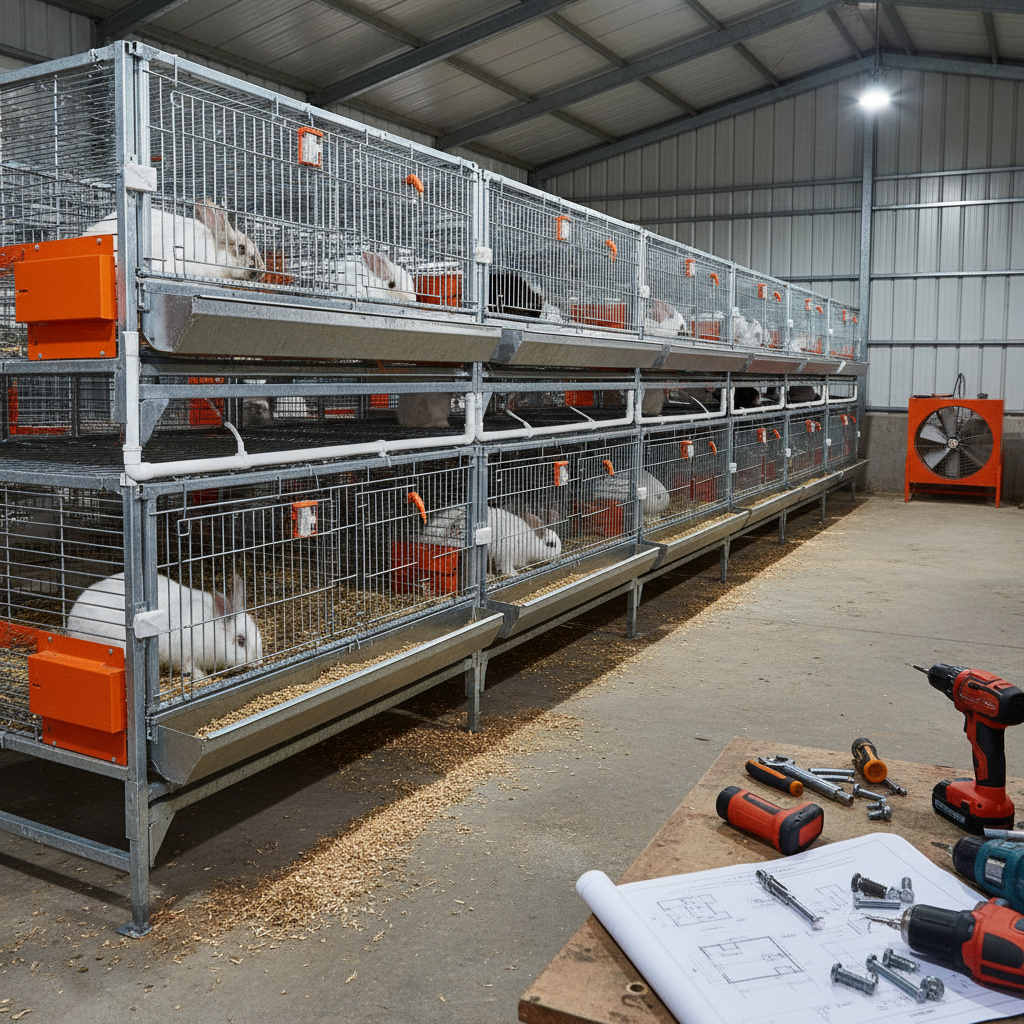
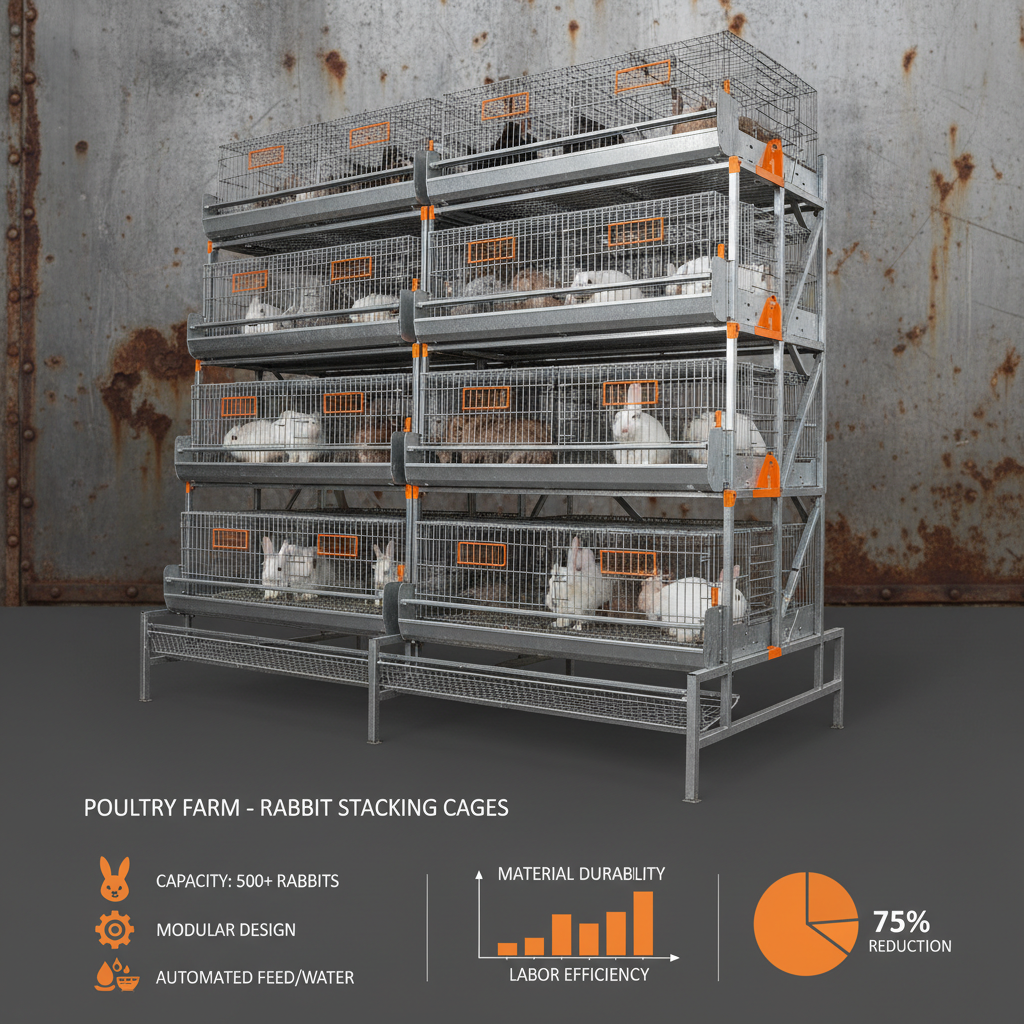
I’ve seen firsthand how a properly designed rabbit stacking cage system can absolutely transform an operation. It’s not just about increasing density – although that’s a significant benefit. It’s about improving workflow, reducing labor costs, and creating a more hygienic environment for the animals. I remember one farm in particular where they’d manually clean rows and rows of floor pens. Switching to a three-tier system cut their cleaning time in half. That’s real money saved, and it translates directly to profit.
The biggest mistake I see is people trying to DIY a system without considering the fundamentals. Load capacity, material durability, ventilation – these aren’t things you can just wing. A poorly built system will collapse, cause injury, and ultimately cost more to replace than investing in a quality solution from the start. It’s about building for the long haul.
When selecting rabbit stacking cages for a commercial farm, you need to consider several factors. Durability, ventilation, ease of cleaning and disinfection, and the size of the cages relative to the breed of rabbit are all critical. It's also vital to assess the cage's load-bearing capacity and ensure it meets all relevant animal welfare regulations. From my experience, a slightly higher initial investment in a well-designed system pays off in the long run through reduced maintenance, improved animal health, and increased productivity.
Rabbit stacking cages, when designed and implemented correctly, can positively impact animal welfare. Adequate cage space, proper ventilation, and a solid, slatted floor to prevent sores are essential. Regular cleaning is crucial to maintain hygiene and prevent the buildup of ammonia. A well-designed system minimizes stress and promotes healthier animals. However, poorly designed or overcrowded cages can negatively impact welfare, so it's crucial to prioritize animal needs during selection and management.
A high-quality rabbit stacking cage system, constructed from durable materials like galvanized steel or UV-resistant plastic, should have a lifespan of 10-15 years with proper maintenance. Regular inspections for corrosion, damage, and loose components are essential. Routine cleaning and disinfection will also contribute to the system’s longevity. Proper use and maintenance are key to maximizing your investment.
Yes, there are various regulations and standards governing rabbit housing, particularly in commercial farming. These regulations vary by region and country but typically address minimum cage sizes, ventilation requirements, sanitation protocols, and material specifications. In Europe, for example, there are strict guidelines outlined by the European Food Safety Authority (EFSA). It's crucial to ensure your chosen system complies with all applicable regulations in your area.
Ease of cleaning is a major benefit of well-designed rabbit stacking cages. Systems with removable trays, slatted floors, and smooth surfaces are much easier to clean and disinfect than traditional floor pens. Choosing materials that are resistant to corrosion and can withstand frequent sanitization is also vital. Automated cleaning systems can further streamline the process and reduce labor costs.
The cost of a rabbit stacking cage system varies significantly depending on the size of the operation, the materials used, and the level of automation. Smaller systems for hobby farms can start around $500, while large-scale commercial systems can cost several thousand dollars. It's essential to consider the long-term cost savings – reduced labor, improved animal health, and increased productivity – when evaluating the investment.
Rabbit stacking cages, when thoughtfully designed and implemented, represent a significant advancement in animal husbandry. They offer a compelling solution to the challenges of maximizing space, improving sanitation, and enhancing animal welfare, all while boosting productivity. It's not just about stacking cages; it’s about building a smarter, more sustainable system for raising rabbits.
Looking ahead, innovation in materials, automation, and integration with monitoring technologies will continue to drive the evolution of these systems. The key to success lies in a commitment to both animal wellbeing and efficient production. To explore the right solutions for your needs, and to see how our systems can transform your operation, visit our website: rabbit stacking cages.
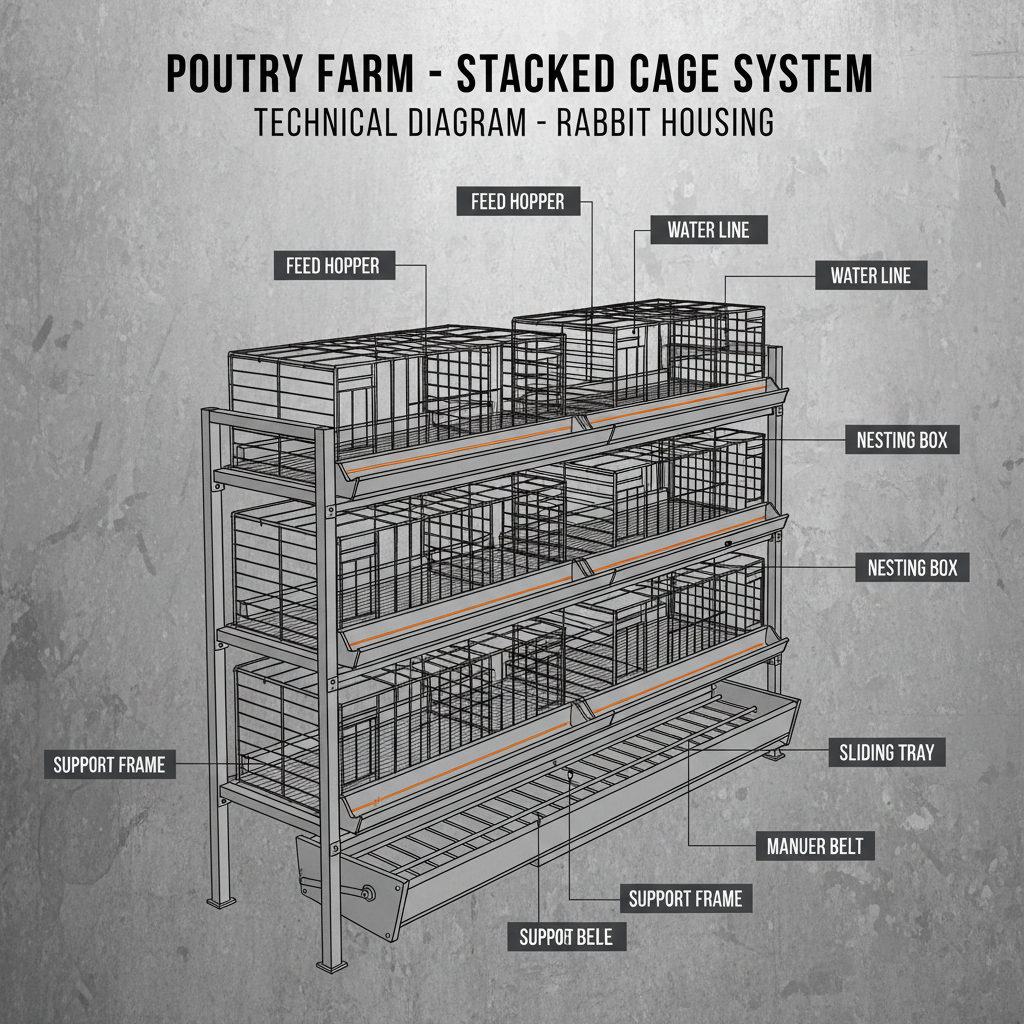
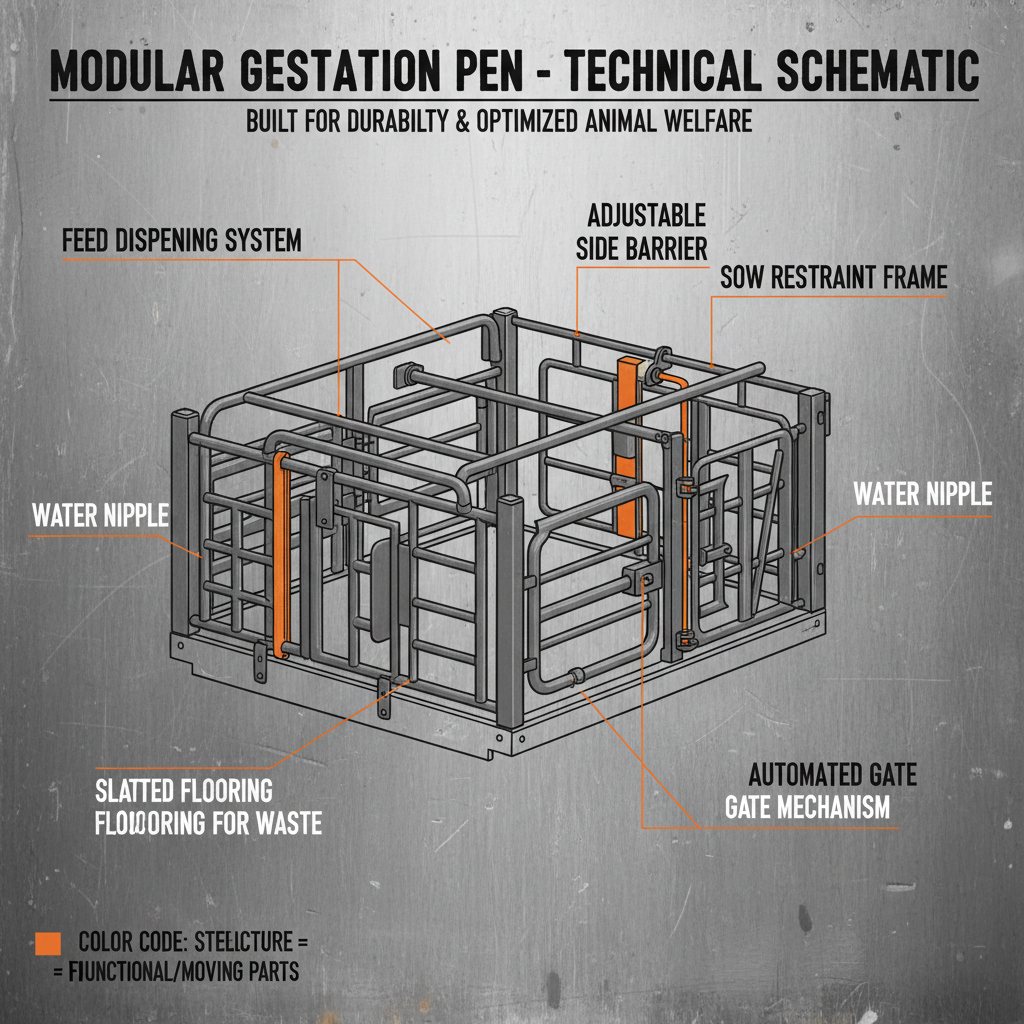






 Afrikaans
 Albanian
 Amharic
 Arabic
 Armenian
 Azerbaijani
 Basque
 Belarusian
 Bengali
 Bosnian
 Bulgarian
 Catalan
 Cebuano
 Corsican
 Croatian
 Czech
Czech
 Danish
 Dutch
Dutch
 Esperanto
 Estonian
 Finnish
 French
 Frisian
 Galician
 Georgian
 German
 Greek
Greek
 Gujarati
 Haitian Creole
 Hausa
Hausa
 Hawaiian
 Hebrew
 Hindi
Hindi
 Miao
Miao
 Hungarian
 Icelandic
 Igbo
Igbo
 Indonesian
 Irish
Irish
 Italian
 Japanese
 Javanese
 Kannada
 Kazakh
 Khmer
Khmer
 Rwandese
 Korean
 Kurdish
 Kyrgyz
 Lao
Lao
 Latin
Latin
 Latvian
 Lithuanian
 Luxembourgish
 Macedonian
 Malgashi
 Malay
Malay
 Malayalam
 Maltese
 Maori
Maori
 Marathi
 Mongolian
 Myanmar
 Nepali
 Norwegian
 Norwegian
 Occitan
 Pashto
 Persian
 Polish
 Portuguese
 Punjabi
 Romanian
 Russian
 Samoan
 Scottish Gaelic
 Serbian
 Sesotho
 Shona
Shona
 Sindhi
 Sinhala
 Slovak
 Slovenian
 Somali
 Spanish
 Sundanese
 Swahili
 Swedish
 Tagalog
 Tajik
Tajik
 Tamil
Tamil
 Tatar
Tatar
 Telugu
 Thai
Thai
 Turkish
 Turkmen
 Ukrainian
 Urdu
Urdu
 Uighur
 Uzbek
Uzbek
 Vietnamese
 Welsh
Welsh
 Bantu
Bantu
 Yiddish
 Yoruba
 English