
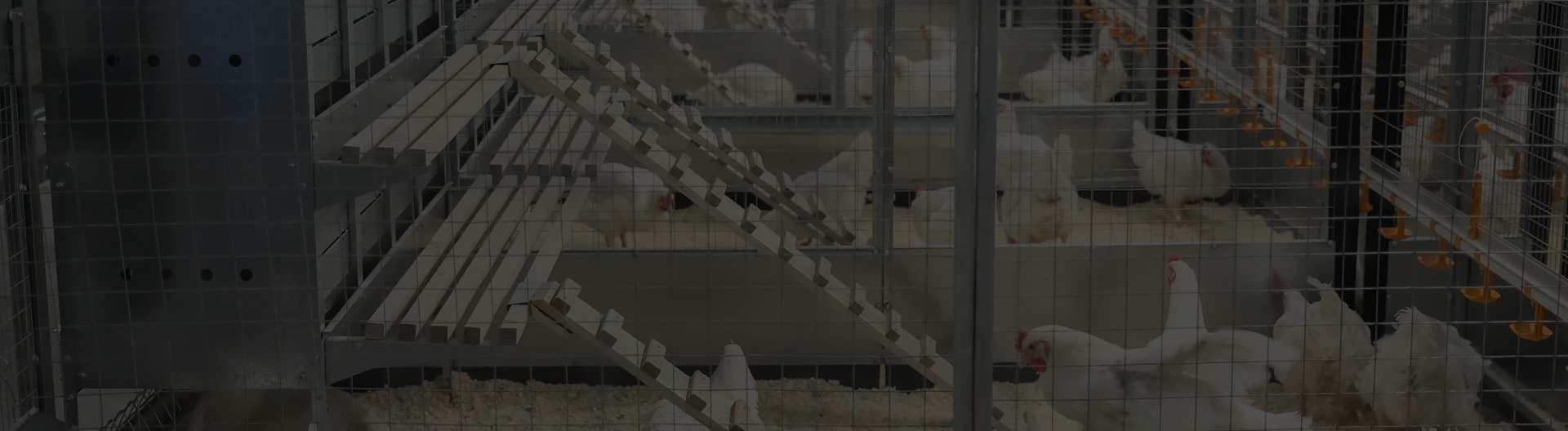
Comprehensive Guide to Optimizing Egg Production with Poultry Cage for Layers
Mar . 26, 2026 01:55 Back to list
Comprehensive Guide to Optimizing Egg Production with Poultry Cage for Layers
Poultry Cage for Layers: A Comprehensive Guide
Raising layers efficiently requires optimal housing. A well-designed poultry cage for layers is crucial for maximizing egg production, maintaining bird health, and streamlining farm management. This article provides a detailed overview of layer cages, covering their benefits, types, materials, and essential considerations for choosing the right system. Investing in quality layer cages significantly impacts profitability and operational efficiency.
The Benefits of Using Poultry Cage Systems for Layers
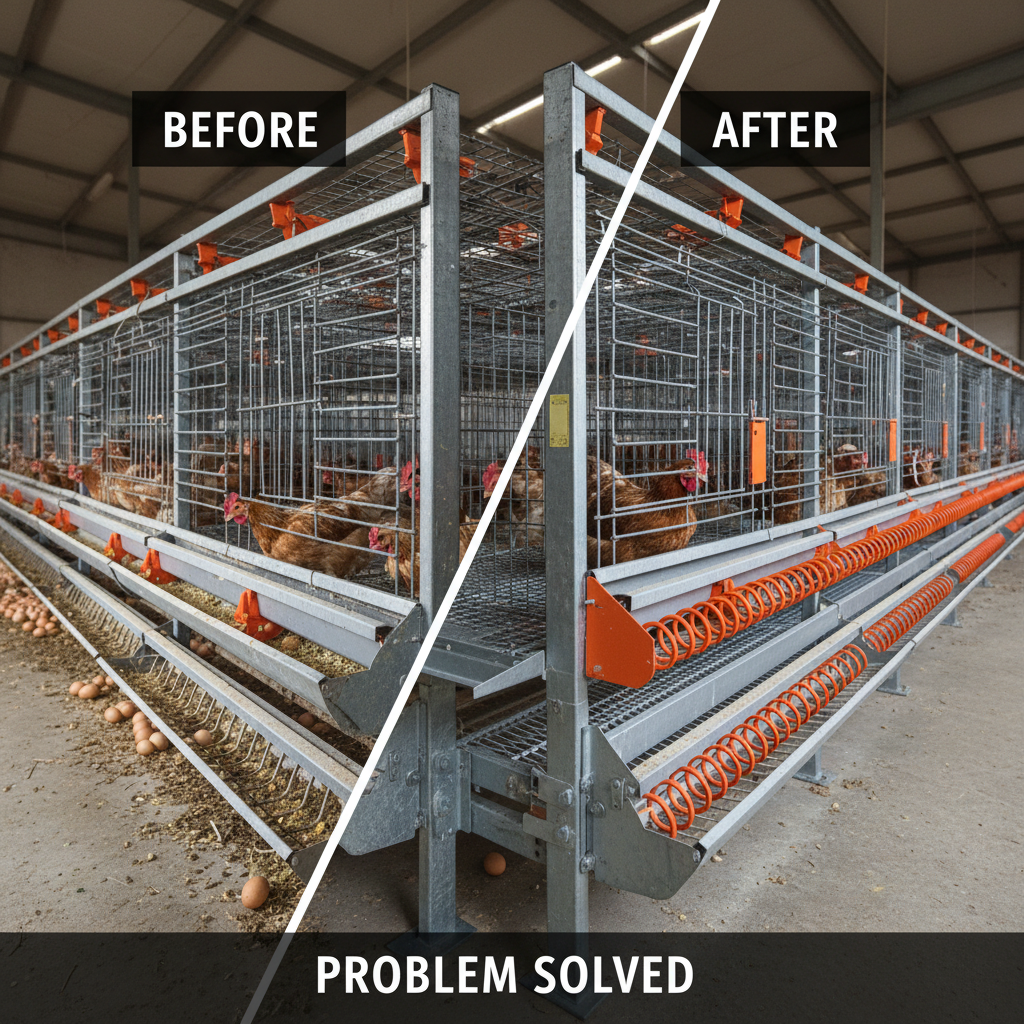
Implementing a layer cage system offers numerous advantages over free-range or floor rearing methods. These include increased egg production due to reduced breakage and contamination, improved hygiene and disease control, efficient space utilization, and easier management of feeding and waste removal. Cages allow for higher stocking densities while maintaining bird welfare standards when designed correctly. Furthermore, automated systems for egg collection and manure removal can significantly reduce labor costs and enhance farm productivity. Yizemachine provides systems designed for these benefits.
Key Highlights: Increased egg production, improved hygiene, efficient space usage, and reduced labor costs.
Types of Poultry Cages for Layers
Several types of layer cages cater to different farm sizes and production preferences. Common types include:
- Step Cages: Also known as A-frame cages, these are multi-tiered systems with sloped floors facilitating egg collection.
- Staggered Cages: These cages feature alternating rows, improving ventilation and reducing stress.
- Flat Deck Cages: These have a flat floor and are often automated for egg collection and manure removal.
- Enriched Cages: These provide birds with more space and enrichments like perches and scratch pads, addressing welfare concerns.
The best type for your operation depends on factors such as budget, available space, and desired level of automation. Yizemachine’s experienced team can assist you in determining the most appropriate cage system for your specific needs.
Cage Type Benefits:
• Step Cages: Efficient egg collection.
• Staggered Cages: Improved ventilation.
• Flat Deck Cages: Suitable for automation.
• Enriched Cages: Enhanced bird welfare.
Comparing Cage Materials: Galvanized Steel vs. PVC
The material used in cage construction significantly impacts durability, hygiene, and cost. The two primary materials are galvanized steel and PVC. Galvanized steel offers excellent strength and longevity but can be prone to rust if the coating is damaged. PVC is corrosion-resistant and lightweight but less durable than steel. Choosing the right material depends on your climate and budget.
Key Considerations When Choosing a Poultry Cage System
Several factors should guide your selection process. These include flock size, available space, climate, budget, and desired level of automation. Consider future expansion plans when determining cage capacity. Proper ventilation and lighting are essential for bird health and productivity. Also, ensure the cage system meets local animal welfare regulations. Yizemachine offers customized solutions to meet these varying requirements.
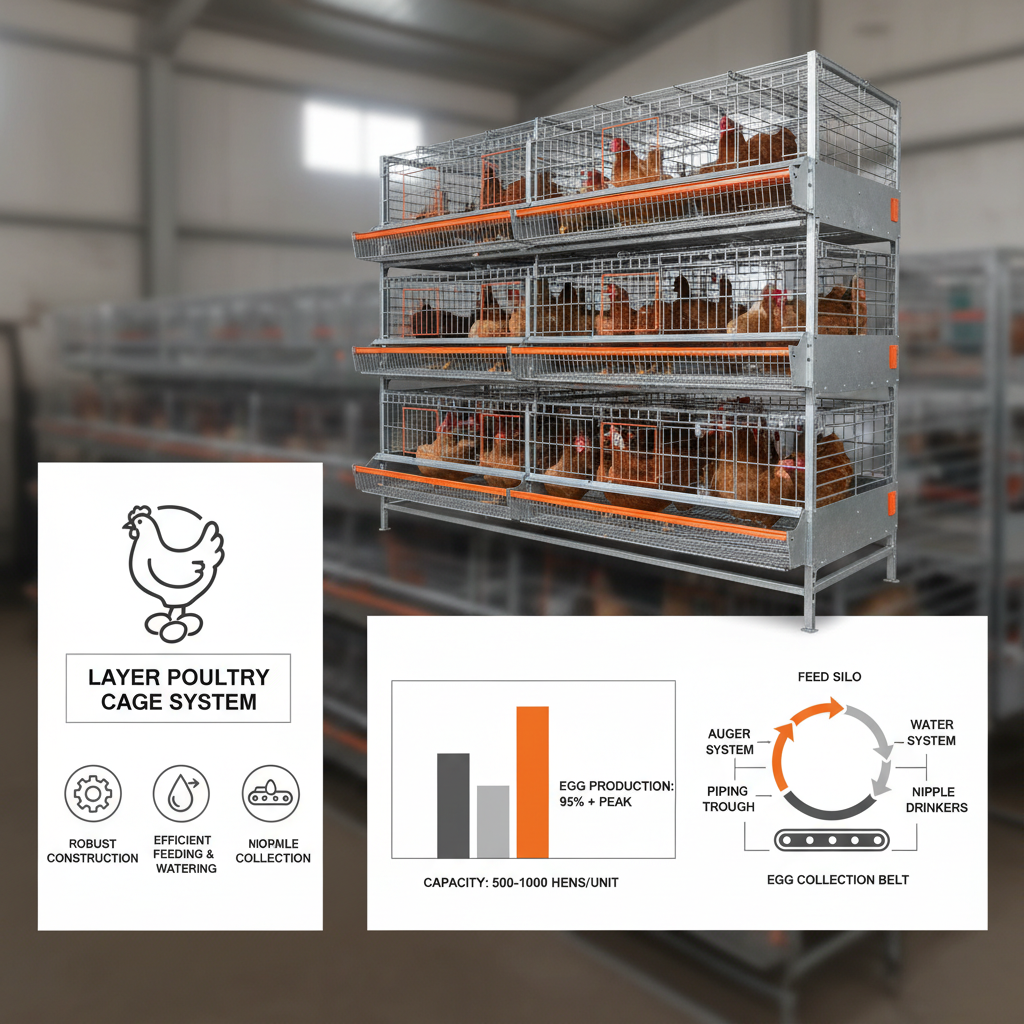
Product Specifications: Yizemachine Layer Cages
Here are some typical specifications for Yizemachine's layer cages:
Conclusion: Choosing the Right Layer Cage System
Selecting the right poultry cage for layers is a significant investment in the success of your operation. Carefully consider your specific needs, budget, and long-term goals. Yizemachine offers high-quality, durable, and customizable cage systems to optimize your layer production. Contact us today to discuss your requirements and receive a tailored solution.
Frequently Asked Questions (FAQs)
What is the recommended stocking density for layer cages?
Recommended stocking density varies depending on bird breed, climate, and cage type. Generally, 5-7 birds per square foot is a common guideline for conventional cages. Enriched cages typically accommodate fewer birds per unit area to provide adequate space for natural behaviors. Overcrowding can lead to stress, reduced egg production, and increased disease risk. Always consult local regulations and best practices to determine appropriate stocking densities for your specific situation. Yizemachine can advise on optimal densities for our cage systems.
How often should layer cages be cleaned?
Layer cages should be cleaned regularly to maintain hygiene and prevent disease. Manure should be removed daily or at least every other day, especially in areas with high humidity. Thorough cleaning and disinfection of the entire cage system should be performed between flocks. Proper ventilation is also crucial for reducing ammonia levels and maintaining air quality. Automated manure removal systems can significantly simplify this process.
What are the benefits of automated egg collection systems?
Automated egg collection systems offer significant labor savings, reduced egg breakage, and improved egg hygiene. These systems use conveyor belts or robots to collect eggs automatically, eliminating the need for manual collection. This reduces the risk of damage and contamination, leading to higher quality eggs. Automated systems also allow for more frequent egg collection, minimizing the time eggs spend in the cages.
What are enriched cages, and why are they important?
Enriched cages are designed to provide laying hens with more space and environmental enrichment compared to conventional cages. They typically include perches, scratch pads, and nesting areas, allowing birds to express more natural behaviors. Enriched cages address animal welfare concerns and are increasingly required by regulations in many countries. Providing enrichments can improve bird welfare, reduce stress, and enhance overall flock health.
-
Professional Mini Poultry Cage for Efficient Small Scale Farming
NewsApr.16,2026
-
Optimizing Poultry Production with Advanced Cage System Poultry
NewsApr.09,2026
-
Optimizing Layer Poultry Cages for Efficient and Profitable Egg Production
NewsApr.07,2026
-
Comprehensive Guide to Poultry Cages for Layers and Modern Farming Solutions
NewsApr.04,2026
-
Comprehensive Guide to Optimizing Poultry Laying Cages for Egg Production
NewsMar.31,2026
-
Maximize Egg Production with Efficient Poultry Layer Cage Systems
NewsMar.28,2026





 Afrikaans
 Albanian
 Amharic
 Arabic
 Armenian
 Azerbaijani
 Basque
 Belarusian
 Bengali
 Bosnian
 Bulgarian
 Catalan
 Cebuano
 Corsican
 Croatian
 Czech
Czech
 Danish
 Dutch
Dutch
 Esperanto
 Estonian
 Finnish
 French
 Frisian
 Galician
 Georgian
 German
 Greek
Greek
 Gujarati
 Haitian Creole
 Hausa
Hausa
 Hawaiian
 Hebrew
 Hindi
Hindi
 Miao
Miao
 Hungarian
 Icelandic
 Igbo
Igbo
 Indonesian
 Irish
Irish
 Italian
 Japanese
 Javanese
 Kannada
 Kazakh
 Khmer
Khmer
 Rwandese
 Korean
 Kurdish
 Kyrgyz
 Lao
Lao
 Latin
Latin
 Latvian
 Lithuanian
 Luxembourgish
 Macedonian
 Malgashi
 Malay
Malay
 Malayalam
 Maltese
 Maori
Maori
 Marathi
 Mongolian
 Myanmar
 Nepali
 Norwegian
 Norwegian
 Occitan
 Pashto
 Persian
 Polish
 Portuguese
 Punjabi
 Romanian
 Russian
 Samoan
 Scottish Gaelic
 Serbian
 Sesotho
 Shona
Shona
 Sindhi
 Sinhala
 Slovak
 Slovenian
 Somali
 Spanish
 Sundanese
 Swahili
 Swedish
 Tagalog
 Tajik
Tajik
 Tamil
Tamil
 Tatar
Tatar
 Telugu
 Thai
Thai
 Turkish
 Turkmen
 Ukrainian
 Urdu
Urdu
 Uighur
 Uzbek
Uzbek
 Vietnamese
 Welsh
Welsh
 Bantu
Bantu
 Yiddish
 Yoruba
 English