Look, I’ve spent the last fifteen years knee-deep in dust and concrete, building everything from schools to warehouses. And let me tell you, a solid, reliable enclosure for rabbits – a good metal rabbit cage – is more important than folks realize. It's not just about keeping the bunnies safe; it's about hygiene, disease control, and frankly, making life easier for the people caring for them. We see a lot of DIY solutions on job sites, and nine times out of ten, they're a headache waiting to happen. Rust, flimsy wire, difficulty cleaning…it adds up.
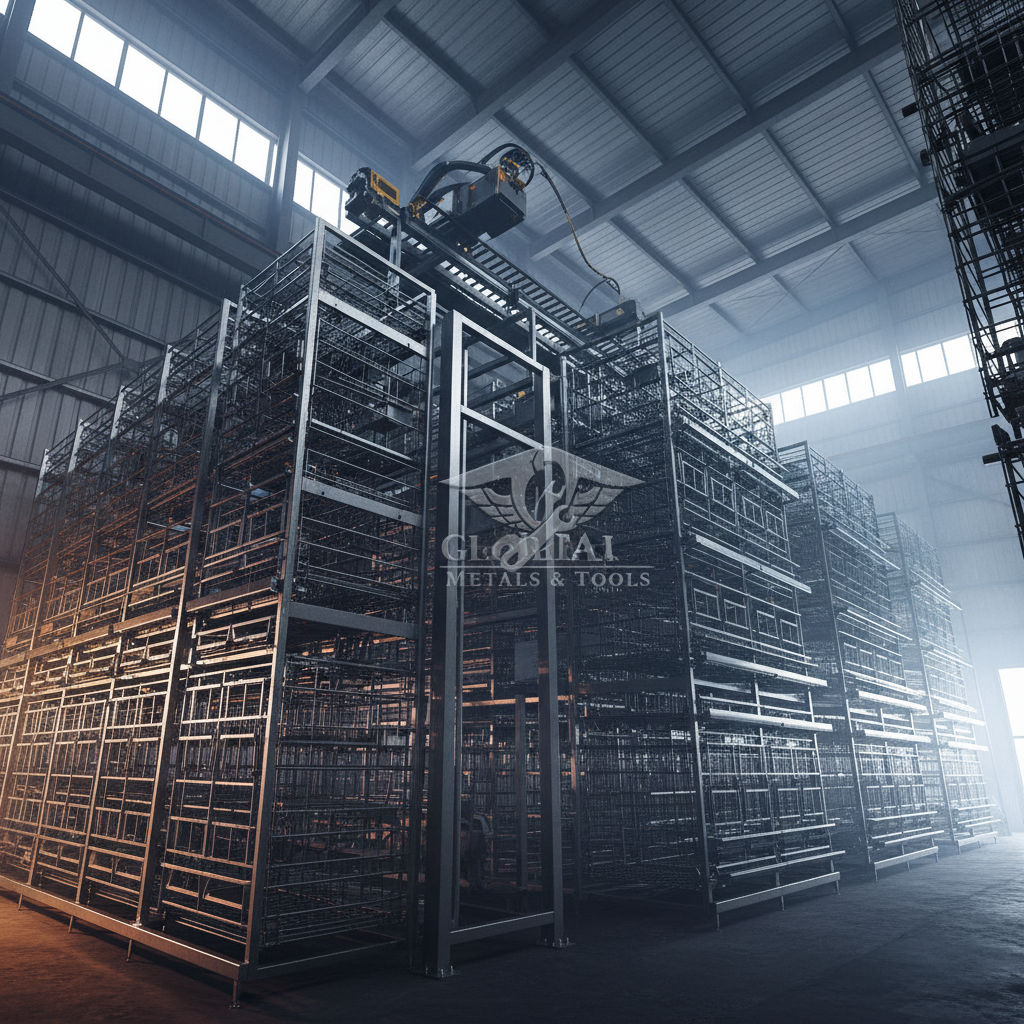
The demand for quality rabbit housing isn't just limited to hobby farmers anymore. Commercial breeders, research facilities, even veterinary clinics – they all need durable, sanitary, and efficient solutions. The global rabbit meat and fur industry is substantial, and responsible animal husbandry is a growing concern. That means investing in properly designed cages. We're talking about a global market exceeding billions of dollars annually, and the need for robust metal rabbit cage solutions is only increasing.
Frankly, a well-built cage impacts the whole operation. Better ventilation means healthier animals. Easier cleaning means less labor. A strong structure means less maintenance and fewer escapes. It’s a small investment that pays dividends across the board. I’ve seen firsthand how a poorly designed cage can lead to disease outbreaks, increased mortality rates, and ultimately, significant financial losses.
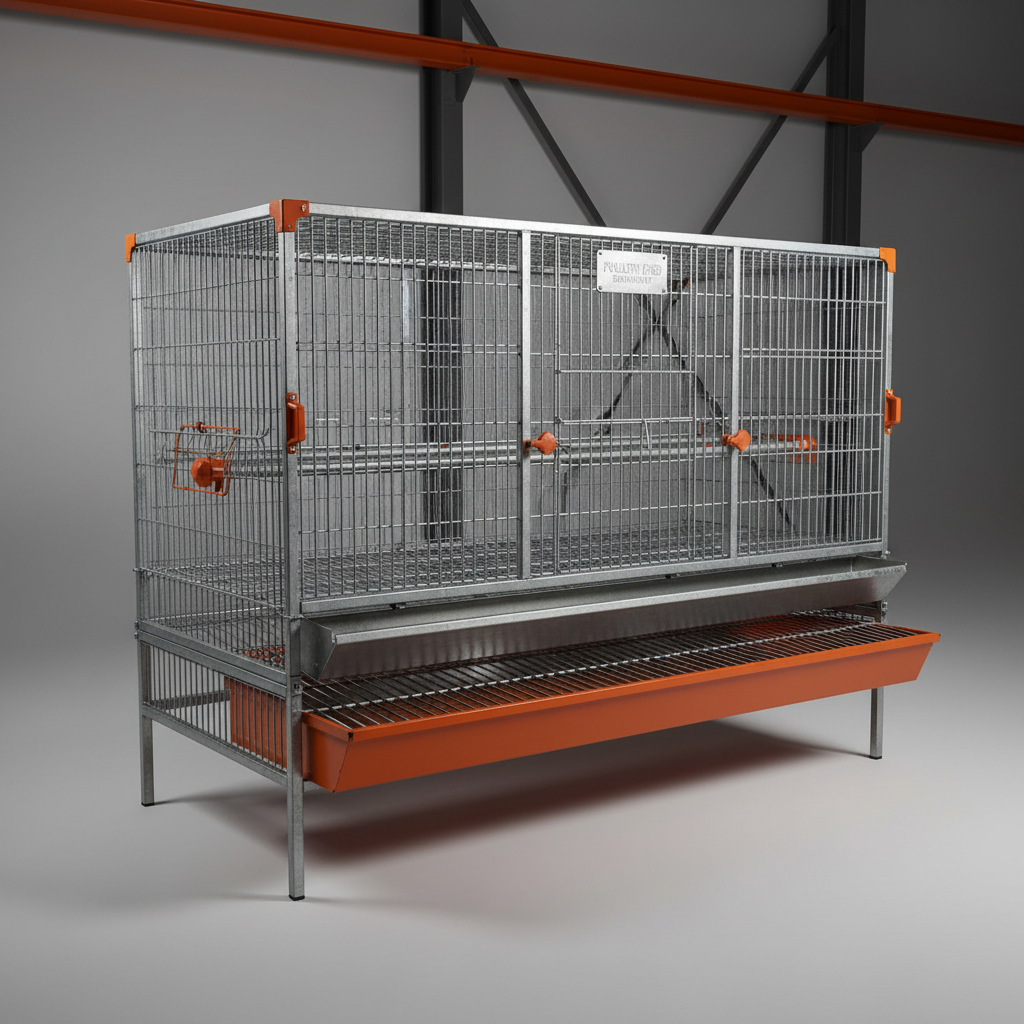
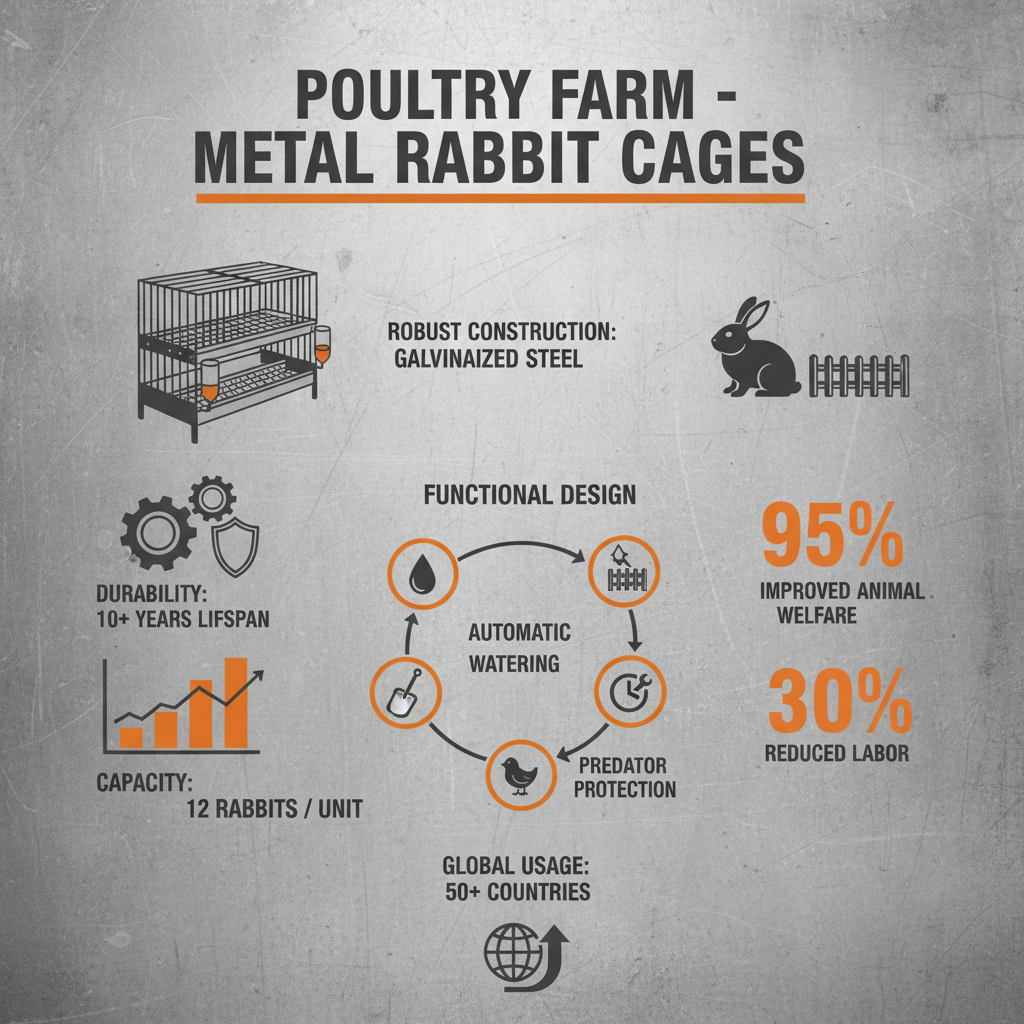
I’ve seen too many operations cut corners on housing, thinking it’s a minor expense. But trust me, a flimsy metal rabbit cage is a false economy. They rust quickly, the wire bends, and keeping things sanitary becomes a constant battle. It’s about more than just keeping the animals contained; it’s about protecting their health and ensuring a productive, efficient operation.
The initial cost of a quality cage might be higher, but the lifespan and reduced maintenance make it worthwhile. We're talking about a significant reduction in repair costs, less time spent on cleaning, and a healthier, more productive herd. It’s a simple equation, really.
A properly constructed metal rabbit cage, particularly one made from galvanized or stainless steel, can easily last 10-15 years, even with heavy use. Regular cleaning and occasional inspection for wear and tear are key. The quality of the galvanization really matters – a thicker coating equals a longer lifespan. We’ve seen cages still going strong after 20 years with diligent maintenance.
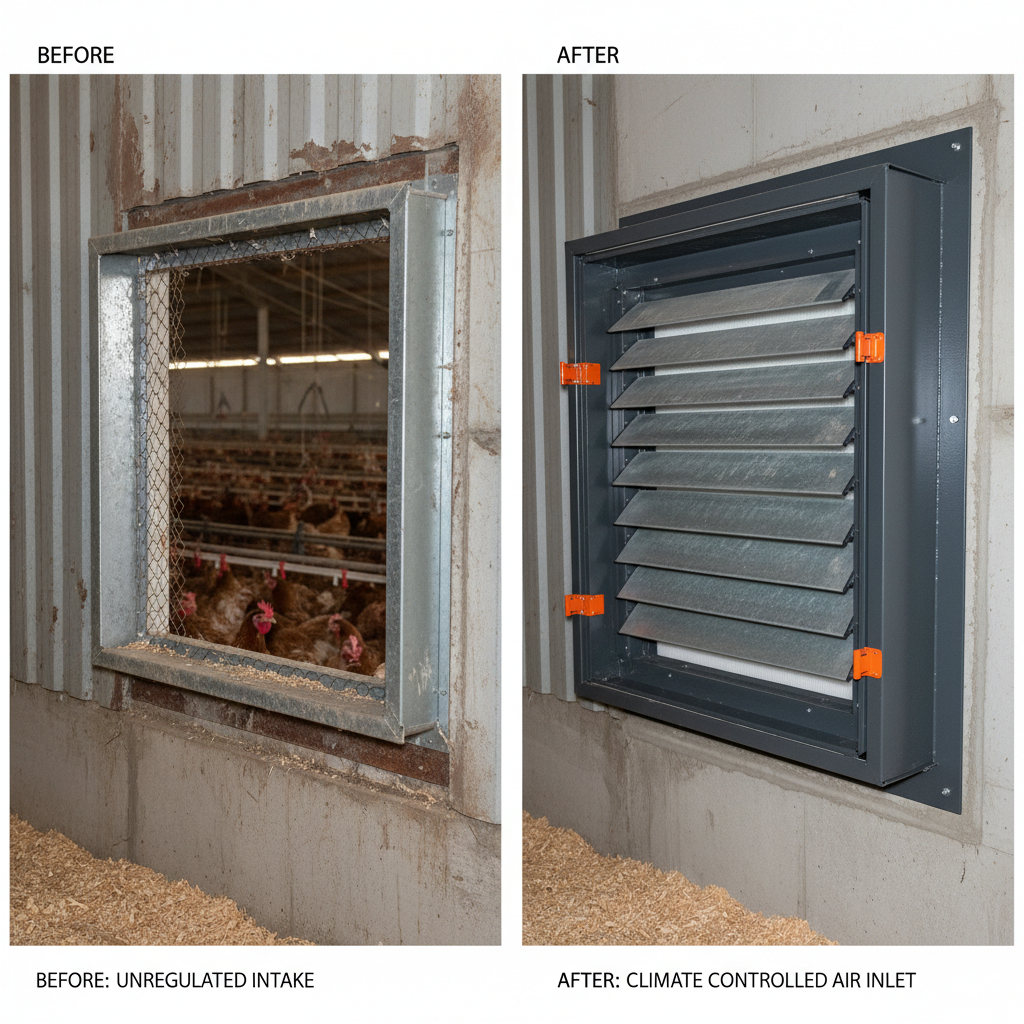
Ventilation is critical. Rabbits produce a lot of ammonia from their waste, and poor ventilation can lead to respiratory problems and overall poor health. A cage with adequate wire mesh spacing and good airflow will significantly reduce ammonia buildup and improve the animal’s well-being. Think about it: you wouldn’t want to work in a poorly ventilated space all day, and neither do the rabbits.
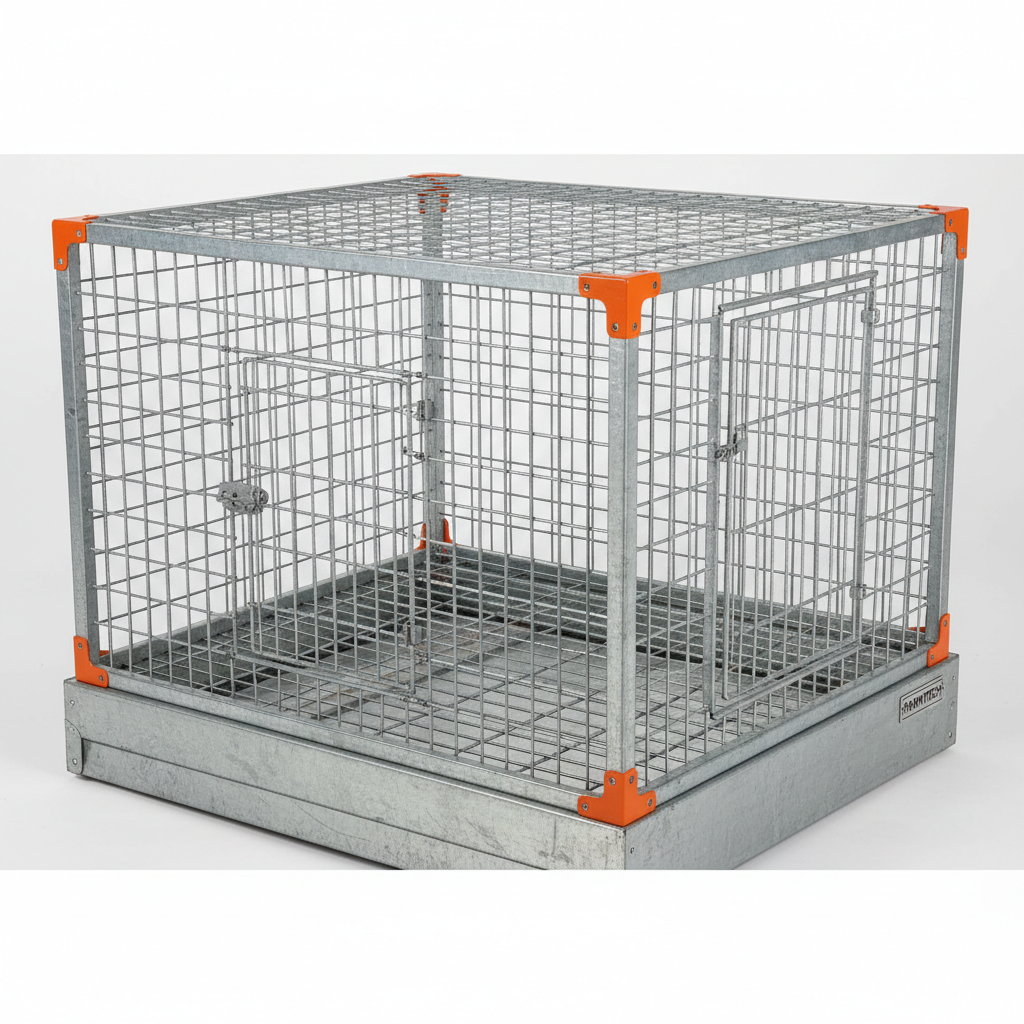
For most rabbit breeds, 12-14 gauge wire is a good starting point. For larger breeds or those prone to chewing, you might want to go thicker, like 10-12 gauge. The wire needs to be strong enough to withstand the animal’s weight and prevent escapes, but not so thick that it poses a risk of injury. It’s a balance.
That's the beauty of metal! They’re far easier to clean and disinfect than wooden cages. A good cage will have a sloped floor with a removable tray for easy waste removal. You can use a variety of disinfectants without damaging the metal. Regular cleaning is essential for preventing the spread of disease.
A secure latch is non-negotiable. Rabbits are surprisingly resourceful when it comes to escaping. Look for latches that are easy for humans to operate but difficult for rabbits to open. Spring-loaded latches or double-locking mechanisms are good choices. Trust me, preventing escapes saves a lot of headaches!
The primary downside is the initial cost compared to wooden cages. However, the long-term durability, reduced maintenance, and improved hygiene usually outweigh that initial investment. Also, metal can get cold in colder climates, so providing adequate bedding and insulation is important. It’s a matter of weighing the pros and cons for your specific needs.
Ultimately, a robust, well-designed metal rabbit cage is an investment in the health, productivity, and overall success of any rabbit farming or breeding operation. It’s about more than just keeping the animals contained; it’s about creating a sanitary, comfortable, and efficient environment.
Don’t cut corners on housing. Prioritize quality materials, solid construction, and attention to detail. Investing in the right cages will pay dividends in the long run. If you're looking for durable, reliable solutions, visit our website to explore our range of metal rabbit cages and find the perfect fit for your needs.






 Afrikaans
 Albanian
 Amharic
 Arabic
 Armenian
 Azerbaijani
 Basque
 Belarusian
 Bengali
 Bosnian
 Bulgarian
 Catalan
 Cebuano
 Corsican
 Croatian
 Czech
Czech
 Danish
 Dutch
Dutch
 Esperanto
 Estonian
 Finnish
 French
 Frisian
 Galician
 Georgian
 German
 Greek
Greek
 Gujarati
 Haitian Creole
 Hausa
Hausa
 Hawaiian
 Hebrew
 Hindi
Hindi
 Miao
Miao
 Hungarian
 Icelandic
 Igbo
Igbo
 Indonesian
 Irish
Irish
 Italian
 Japanese
 Javanese
 Kannada
 Kazakh
 Khmer
Khmer
 Rwandese
 Korean
 Kurdish
 Kyrgyz
 Lao
Lao
 Latin
Latin
 Latvian
 Lithuanian
 Luxembourgish
 Macedonian
 Malgashi
 Malay
Malay
 Malayalam
 Maltese
 Maori
Maori
 Marathi
 Mongolian
 Myanmar
 Nepali
 Norwegian
 Norwegian
 Occitan
 Pashto
 Persian
 Polish
 Portuguese
 Punjabi
 Romanian
 Russian
 Samoan
 Scottish Gaelic
 Serbian
 Sesotho
 Shona
Shona
 Sindhi
 Sinhala
 Slovak
 Slovenian
 Somali
 Spanish
 Sundanese
 Swahili
 Swedish
 Tagalog
 Tajik
Tajik
 Tamil
Tamil
 Tatar
Tatar
 Telugu
 Thai
Thai
 Turkish
 Turkmen
 Ukrainian
 Urdu
Urdu
 Uighur
 Uzbek
Uzbek
 Vietnamese
 Welsh
Welsh
 Bantu
Bantu
 Yiddish
 Yoruba
 English