
Automatic Drinking Line: Durable & Efficient Industrial Fluid Delivery
Dec . 12, 2025 09:30 Back to list
Automatic Drinking Line: Durable & Efficient Industrial Fluid Delivery
Why the automatic drinking line is a Game-Changer in Industrial Equipment
Having spent roughly a decade walking factory floors and managing industrial setups, I can tell you that not all gear is created equal. But when it comes to the automatic drinking line, I’ve always felt there’s something a bit different — almost elegant — about its design and sheer practicality. Honestly, it’s not just a fancy conveyance system; it’s a lifeline for countless operations where fluid dispensing speed and hygiene cannot be compromised.
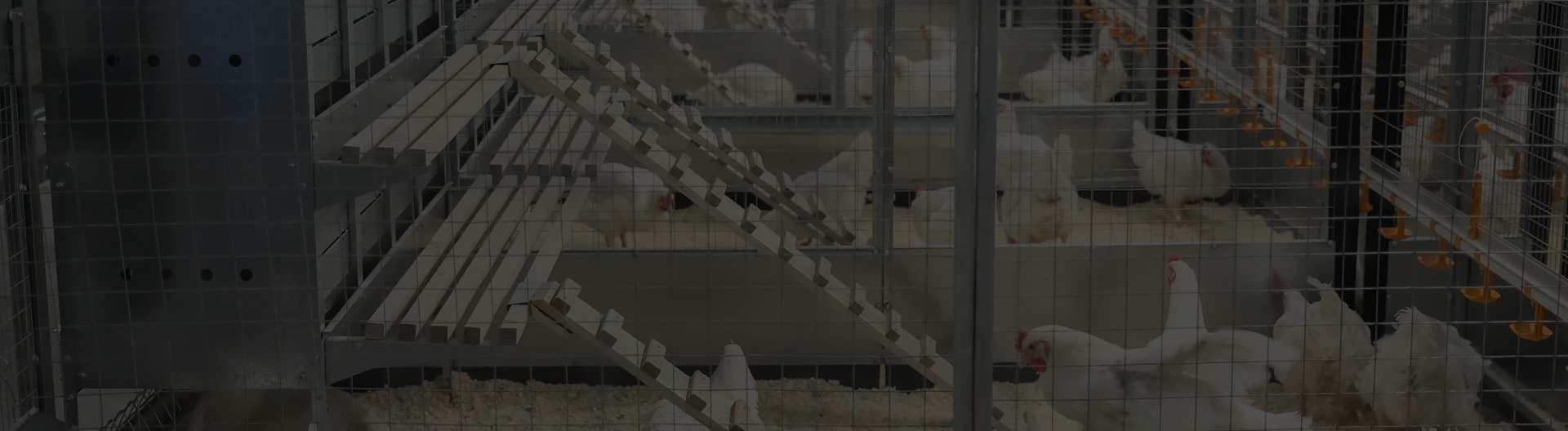
The idea of automating the delivery of liquids—beverages in food production, supplements in animal husbandry, or even certain chemicals—has always intrigued me. I recall visiting a poultry farm in the Midwest where the manager showed me their setup. They switched to an automatic drinking line two years back. She noted a clear drop in water wastage, and oddly enough, a noticeable improvement in bird health. Makes sense if you think about it: cleaner, controlled flow means fewer contaminants and less stress on the animals. It’s these subtle benefits that often get overlooked.
Now, zooming into the product itself: it’s an impressive feat of engineering tailored for durability and easy maintenance. Most manufacturers opt for high-quality stainless steel or food-grade plastic tubing that’s corrosion-resistant and easy to clean. Some systems come with a modular design, allowing the user to swap out damaged parts or customize the length and layout depending on the facility’s needs.
Of course, the automatic drinking line isn’t just a tube with taps. The valves have been tested rigorously—many I’ve worked with use innovative pneumatic or mechanical actuators that ensure the water or liquid is dispensed only when needed, reducing waste. The pressure control mechanisms are pretty slick too, managing to keep flow steady even when demand spikes unexpectedly.
Product Specifications at a Glance
| Feature | Specification |
|---|---|
| Material | Food-grade stainless steel & BPA-free plastic tubing |
| Operating Pressure | 0.2 - 0.5 MPa |
| Valve Type | Mechanical/Pneumatic actuation |
| Flow Rate | 1.5 - 4 L/min |
| Length | Customizable, up to 100 meters |
| Cleaning | Easy disassembly for CIP (Cleaning in Place) |
In terms of real-world use, it never ceases to amaze me how many tweaks engineers continuously add. For example, some vendors now integrate quick-release couplings and use additives resistant to biofilm, which frankly can be a nightmare if ignored. The importance of these little features only dawns on you once you’ve been scrubbing corrosion or mineral buildup off pipes at 5 AM.
Comparing Leading Vendors in Automatic Drinking Lines
| Vendor | Material Quality | Customization | Valve Technology | Price Range |
|---|---|---|---|---|
| Vendor A | Premium stainless steel | Highly customizable | Pneumatic actuation | $$$ |
| Vendor B | Food-grade plastic | Standard lengths | Mechanical actuation | $ |
| Vendor C | Stainless steel/plastic hybrid | Moderate customization | Digital control valves | $$ |
It’s always good practice to match your industrial need with the vendor’s specialty. I’ve seen clients pick cheaper models only to spend more time and money later adapting the system — frustrating, really. The trick is to view the investment not merely as a capital expense but as a long-term productivity booster.
One memorable installation that sticks with me was at a dairy processing plant. They struggled with manual watering points and frequent downtime because of valve failures. After switching to an automatic drinking line — installed swiftly and supported with robust after-sales service — the downtime shrank by half. Operators also noticed the ease of cleaning improved safety and compliance. That story, frankly, sums up why automation in fluid delivery is so crucial.
So, if you find yourself spec’ing out an automatic drinking line, remember: it’s not just about throughput. Consider maintainability, hygiene, and adaptability. The better you plan, the fewer headaches you face down the road… and trust me, those early mornings staring down a clogged valve are no fun.
What I take away from years in the field is this: technology comes and goes, but dependable equipment that respects the realities of industrial environments tends to stick around. The automatic drinking line, with its blend of simplicity and smart engineering, is one such keeper.
References:
1. Industry standards on food-grade piping materials, FDA 2022
2. Case studies on poultry farm automation, AgriEquip Journal 2023
3. Interviews with plant engineers from various sectors, personal archive 2018-2023
-
Professional Mini Poultry Cage for Efficient Small Scale Farming
NewsApr.16,2026
-
Optimizing Poultry Production with Advanced Cage System Poultry
NewsApr.09,2026
-
Optimizing Layer Poultry Cages for Efficient and Profitable Egg Production
NewsApr.07,2026
-
Comprehensive Guide to Poultry Cages for Layers and Modern Farming Solutions
NewsApr.04,2026
-
Comprehensive Guide to Optimizing Poultry Laying Cages for Egg Production
NewsMar.31,2026
-
Maximize Egg Production with Efficient Poultry Layer Cage Systems
NewsMar.28,2026





 Afrikaans
 Albanian
 Amharic
 Arabic
 Armenian
 Azerbaijani
 Basque
 Belarusian
 Bengali
 Bosnian
 Bulgarian
 Catalan
 Cebuano
 Corsican
 Croatian
 Czech
Czech
 Danish
 Dutch
Dutch
 Esperanto
 Estonian
 Finnish
 French
 Frisian
 Galician
 Georgian
 German
 Greek
Greek
 Gujarati
 Haitian Creole
 Hausa
Hausa
 Hawaiian
 Hebrew
 Hindi
Hindi
 Miao
Miao
 Hungarian
 Icelandic
 Igbo
Igbo
 Indonesian
 Irish
Irish
 Italian
 Japanese
 Javanese
 Kannada
 Kazakh
 Khmer
Khmer
 Rwandese
 Korean
 Kurdish
 Kyrgyz
 Lao
Lao
 Latin
Latin
 Latvian
 Lithuanian
 Luxembourgish
 Macedonian
 Malgashi
 Malay
Malay
 Malayalam
 Maltese
 Maori
Maori
 Marathi
 Mongolian
 Myanmar
 Nepali
 Norwegian
 Norwegian
 Occitan
 Pashto
 Persian
 Polish
 Portuguese
 Punjabi
 Romanian
 Russian
 Samoan
 Scottish Gaelic
 Serbian
 Sesotho
 Shona
Shona
 Sindhi
 Sinhala
 Slovak
 Slovenian
 Somali
 Spanish
 Sundanese
 Swahili
 Swedish
 Tagalog
 Tajik
Tajik
 Tamil
Tamil
 Tatar
Tatar
 Telugu
 Thai
Thai
 Turkish
 Turkmen
 Ukrainian
 Urdu
Urdu
 Uighur
 Uzbek
Uzbek
 Vietnamese
 Welsh
Welsh
 Bantu
Bantu
 Yiddish
 Yoruba
 English