
Choosing the Best Guinea Pig Pens For a Happy and Healthy Life
Feb . 11, 2026 01:55 Back to list
Choosing the Best Guinea Pig Pens For a Happy and Healthy Life
Choosing the Right Guinea Pig Pens: A Comprehensive Guide
Providing a safe, comfortable, and stimulating environment for your guinea pigs is crucial for their well-being. Selecting the appropriate guinea pig pens is a key part of responsible pet ownership. This article will cover everything you need to know about choosing the best pen for your furry friends, considering size, materials, safety features, and more. We’ll explore different types of pens and help you make an informed decision to ensure your guinea pigs thrive.
Understanding Guinea Pig Pen Requirements
Guinea pigs need significantly more space than many people realize. A cramped cage can lead to stress, boredom, and even health problems. The minimum recommended size for two guinea pigs is 7.5 square feet, but larger is always better. Consider that guinea pigs are active animals who enjoy running, exploring, and playing. Pens should be designed to accommodate these natural behaviors. Beyond size, the materials used in the pen construction are also important. Look for durable, non-toxic materials that are easy to clean. The floor of the pen should be solid to prevent foot injuries, and the sides should be high enough to prevent escapes, but still allow for adequate ventilation.
Key Considerations: Ensure the pen offers adequate space, utilizes safe materials, and is easy to maintain for a healthy and happy guinea pig environment.
Types of Guinea Pig Pens: A Comparative Overview
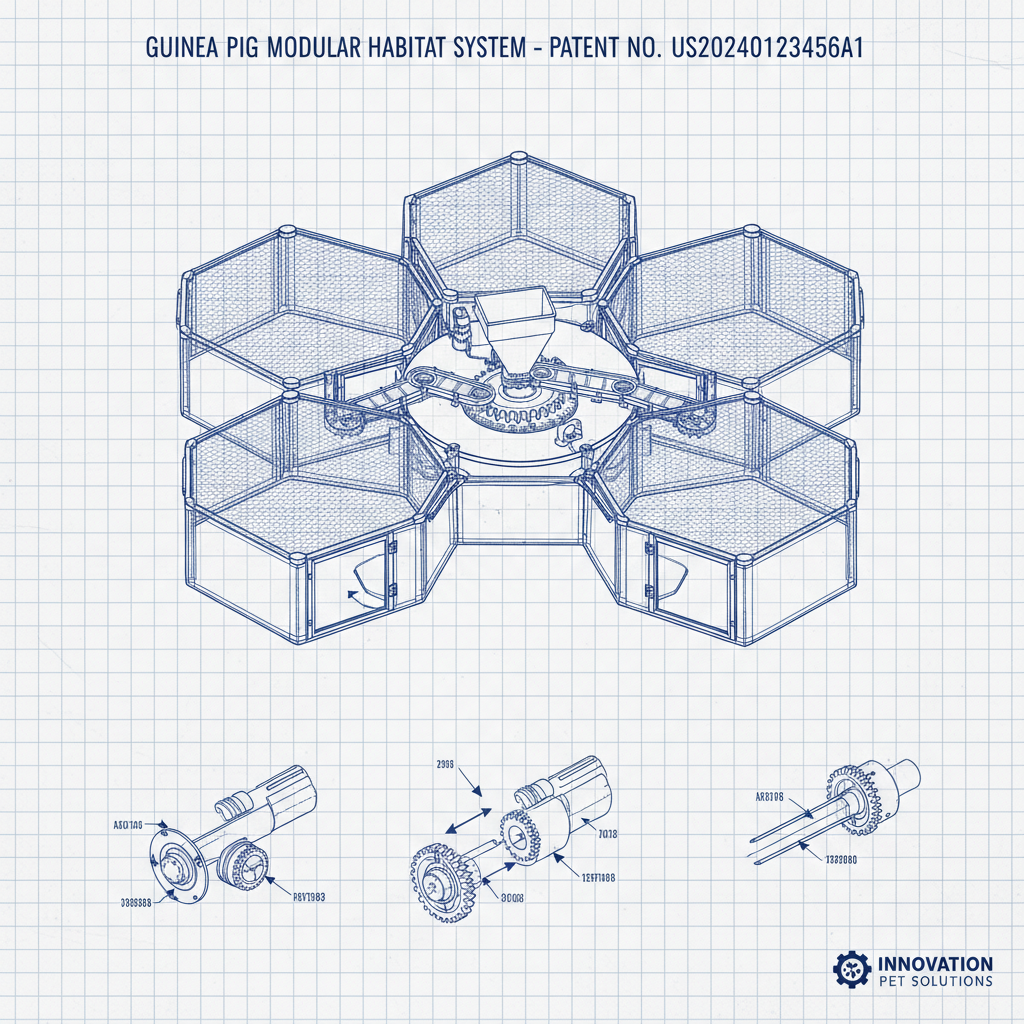
There are several types of guinea pig pens available, each with its own advantages and disadvantages. Common options include wire pens with plastic bottoms, C&C (Cubes & Coroplast) cages, and wooden enclosures. Wire pens are relatively inexpensive and easy to assemble, but the wire floor can be uncomfortable for guinea pigs' feet. C&C cages offer a customizable and spacious option, but require some DIY assembly. Wooden pens provide a more aesthetically pleasing look, but can be more difficult to clean and maintain. Carefully weighing the pros and cons of each type will help you choose the best option for your needs.
Pen Type Benefits:
• Wire Pens: Affordable, easy to assemble.
• C&C Cages: Customizable, spacious.
• Wooden Pens: Aesthetically pleasing, durable.
Guinea Pig Pen Materials: Safety and Durability
The materials used to construct your guinea pig pen are paramount to their health and safety. Avoid pens with sharp edges or small parts that could be ingested. The floor of the pen should be solid to prevent bumblefoot, a painful condition affecting the soles of their feet. Plastic bottoms are generally easy to clean, but ensure they are made of non-toxic, BPA-free plastic. Wire mesh should be closely spaced to prevent injuries. Wooden pens should be made from untreated wood to avoid exposure to harmful chemicals. Regularly inspect the pen for any signs of damage or wear and tear.
Selecting the Right Size Guinea Pig Pen
Determining the appropriate size for your guinea pig pens is perhaps the most critical factor. As mentioned previously, the minimum recommendation for two guinea pigs is 7.5 square feet. However, providing 10-12 square feet or more will significantly enhance their quality of life. Consider the number of guinea pigs you have, their age, and their activity level. Younger, more active guinea pigs will require more space to run and play. Measure your available space and choose a pen that fits comfortably without overcrowding. Remember, a spacious pen promotes physical and mental well-being.
Safety Features to Look For in Guinea Pig Pens
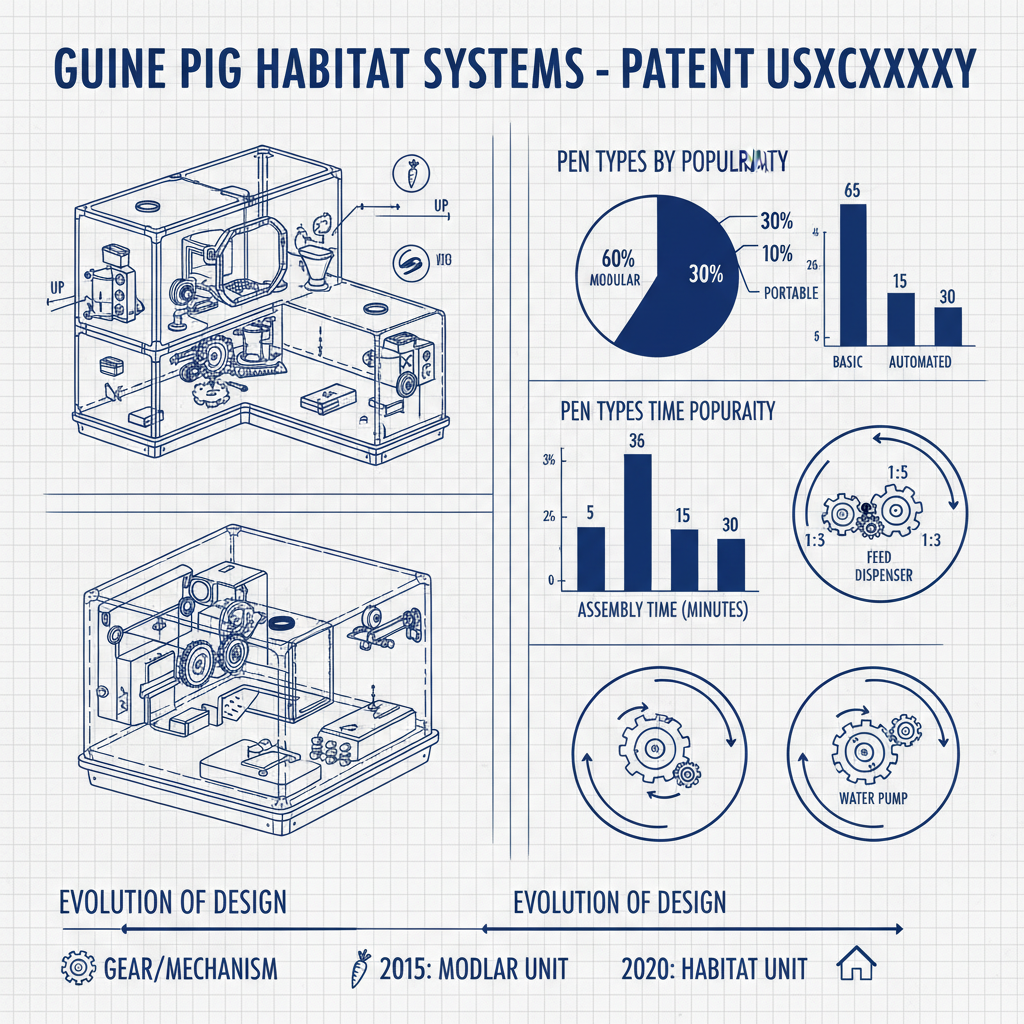
Prioritize safety when choosing a guinea pig pen. Look for features like secure latches to prevent escapes, smooth edges to avoid injuries, and a sturdy construction that can withstand their activity. Ensure the pen is stable and won't tip over easily. Avoid pens with gaps or holes that could allow guinea pigs to get stuck. Regularly inspect the pen for any potential hazards and address them promptly. A safe environment is essential for your guinea pigs' happiness and health.
Conclusion: Creating a Happy Habitat
Choosing the right guinea pig pens is an investment in your pets' well-being. By considering their needs for space, safety, and comfort, you can create a happy and stimulating habitat. Remember to prioritize quality materials, appropriate size, and secure construction. A well-chosen pen will provide your guinea pigs with a safe and enjoyable home for years to come.
Frequently Asked Questions (FAQs)
How often should I clean my guinea pig pen?
Spot cleaning should be done daily, removing soiled bedding and droppings. A full cage clean, including replacing all bedding and disinfecting the pen, should be performed at least once a week, or more frequently if necessary. Maintaining a clean environment is vital for preventing odors and minimizing the risk of bacterial infections. Use a pet-safe disinfectant and ensure the pen is completely dry before adding fresh bedding.
What bedding is best for guinea pig pens?
Safe and absorbent bedding options include fleece liners, paper-based bedding, and aspen shavings. Avoid cedar or pine shavings, as they contain oils that can be harmful to guinea pigs. Fleece liners are comfortable and reusable but require frequent washing. Paper-based bedding is highly absorbent and easy to clean. Aspen shavings are a natural option, but ensure they are kiln-dried to remove harmful oils. Always provide a generous layer of bedding to cushion their feet and absorb moisture.
How can I enrich my guinea pig's pen?
Enrichment is crucial for preventing boredom and promoting mental stimulation. Provide a variety of toys, such as tunnels, chew toys, and hidey houses. Offer fresh vegetables and hay daily, hiding them around the pen to encourage foraging. Rotate toys regularly to keep them engaged. Social interaction is also important, so spend time interacting with your guinea pigs and providing them with opportunities to explore outside of their pen (under supervision, of course).
-
Professional Mini Poultry Cage for Efficient Small Scale Farming
NewsApr.16,2026
-
Optimizing Poultry Production with Advanced Cage System Poultry
NewsApr.09,2026
-
Optimizing Layer Poultry Cages for Efficient and Profitable Egg Production
NewsApr.07,2026
-
Comprehensive Guide to Poultry Cages for Layers and Modern Farming Solutions
NewsApr.04,2026
-
Comprehensive Guide to Optimizing Poultry Laying Cages for Egg Production
NewsMar.31,2026
-
Maximize Egg Production with Efficient Poultry Layer Cage Systems
NewsMar.28,2026





 Afrikaans
 Albanian
 Amharic
 Arabic
 Armenian
 Azerbaijani
 Basque
 Belarusian
 Bengali
 Bosnian
 Bulgarian
 Catalan
 Cebuano
 Corsican
 Croatian
 Czech
Czech
 Danish
 Dutch
Dutch
 Esperanto
 Estonian
 Finnish
 French
 Frisian
 Galician
 Georgian
 German
 Greek
Greek
 Gujarati
 Haitian Creole
 Hausa
Hausa
 Hawaiian
 Hebrew
 Hindi
Hindi
 Miao
Miao
 Hungarian
 Icelandic
 Igbo
Igbo
 Indonesian
 Irish
Irish
 Italian
 Japanese
 Javanese
 Kannada
 Kazakh
 Khmer
Khmer
 Rwandese
 Korean
 Kurdish
 Kyrgyz
 Lao
Lao
 Latin
Latin
 Latvian
 Lithuanian
 Luxembourgish
 Macedonian
 Malgashi
 Malay
Malay
 Malayalam
 Maltese
 Maori
Maori
 Marathi
 Mongolian
 Myanmar
 Nepali
 Norwegian
 Norwegian
 Occitan
 Pashto
 Persian
 Polish
 Portuguese
 Punjabi
 Romanian
 Russian
 Samoan
 Scottish Gaelic
 Serbian
 Sesotho
 Shona
Shona
 Sindhi
 Sinhala
 Slovak
 Slovenian
 Somali
 Spanish
 Sundanese
 Swahili
 Swedish
 Tagalog
 Tajik
Tajik
 Tamil
Tamil
 Tatar
Tatar
 Telugu
 Thai
Thai
 Turkish
 Turkmen
 Ukrainian
 Urdu
Urdu
 Uighur
 Uzbek
Uzbek
 Vietnamese
 Welsh
Welsh
 Bantu
Bantu
 Yiddish
 Yoruba
 English