
The global demand for efficient egg handling and transportation is constantly growing, driven by increasing populations and a rising emphasis on food safety. The egg tray machine plays a crucial role in meeting this demand, providing a cost-effective and hygienic solution for protecting eggs during storage and transit. Understanding the nuances of these machines is vital for poultry farmers, food processing businesses, and packaging industries worldwide.
The economic impact of egg breakage and damage during handling is substantial, leading to significant financial losses for producers. An egg tray machine directly addresses this challenge, minimizing waste and maximizing profitability. Furthermore, the evolving environmental regulations necessitate sustainable packaging solutions, making modern egg tray machines – particularly those utilizing recycled materials – increasingly important.
Innovation in egg tray machine technology is focused on automation, material efficiency, and improved hygiene standards. This technology provides not just a packaging solution but a critical component in a modern, efficient, and sustainable egg supply chain, impacting everything from farm to consumer.
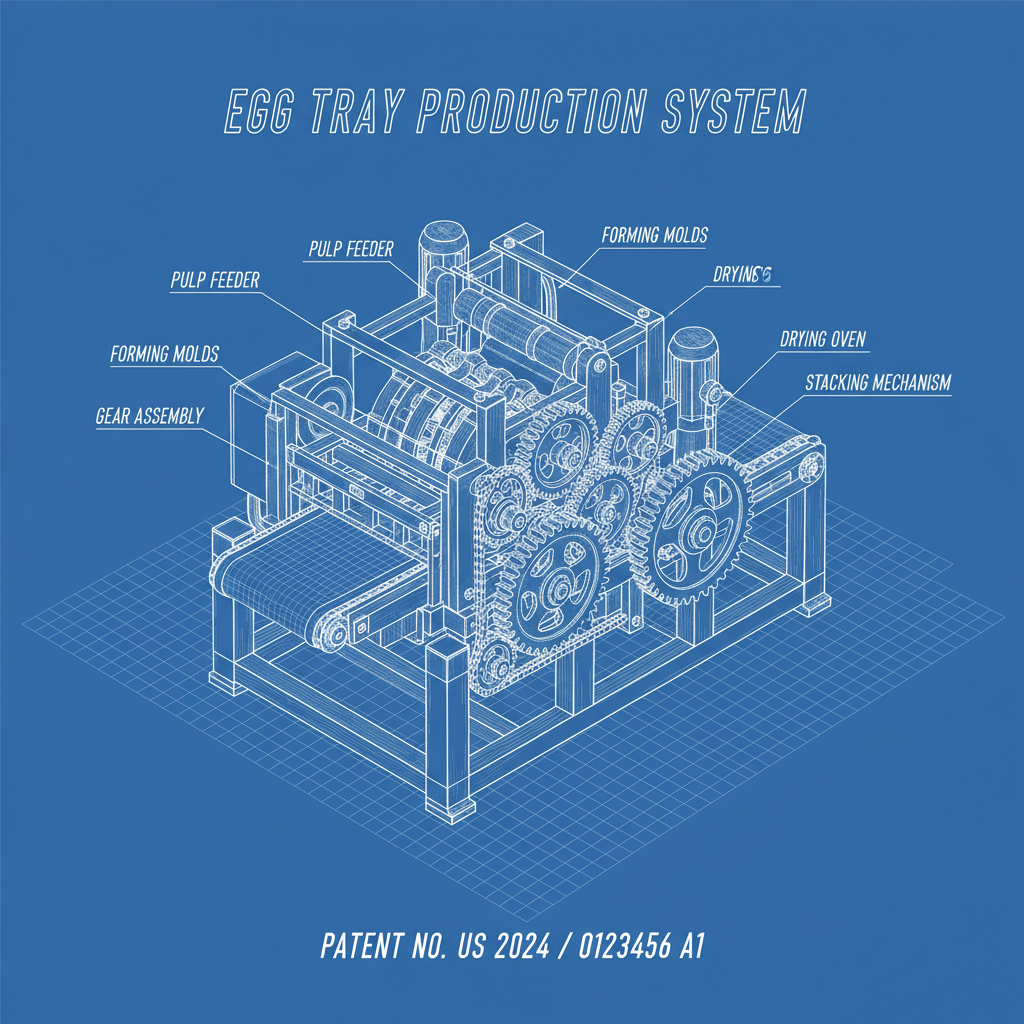
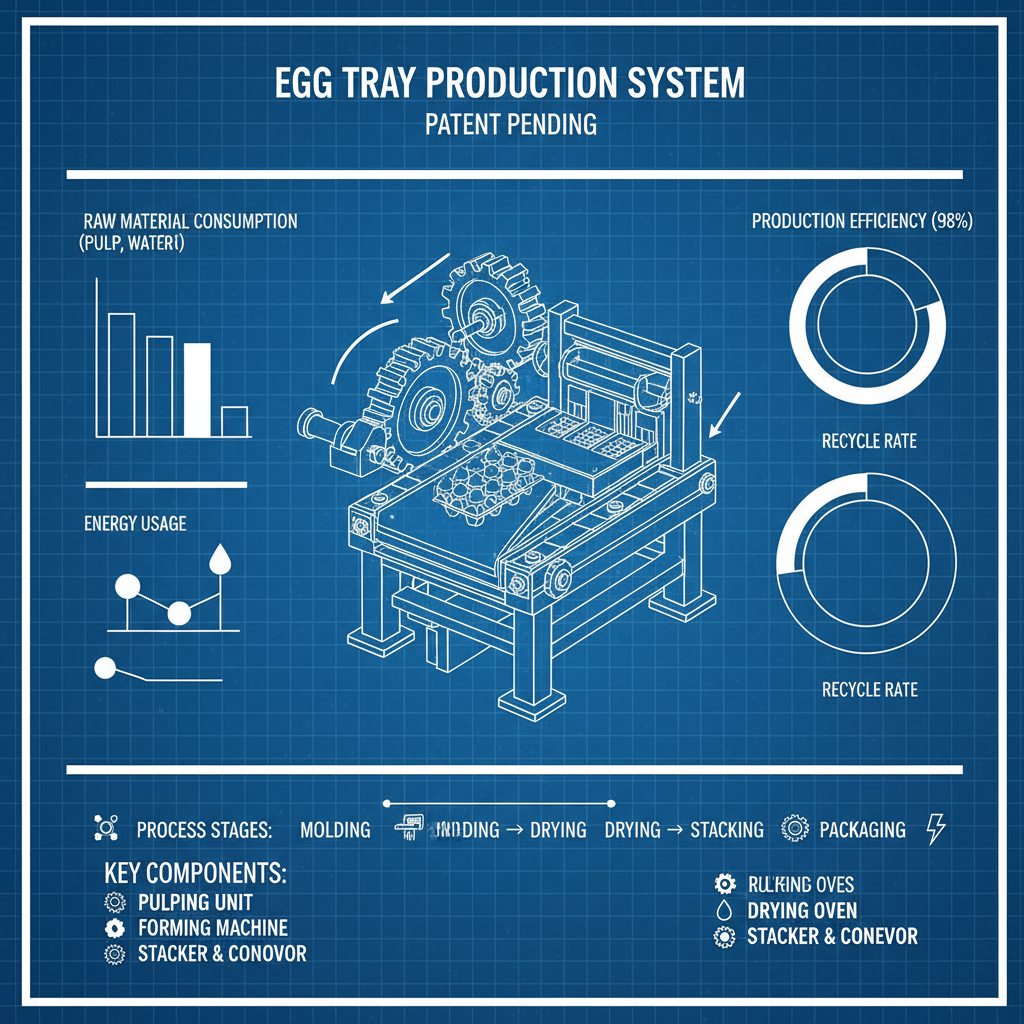
The efficient handling of eggs is paramount in the poultry industry, impacting both the quality of the final product and the profitability of producers. Egg tray machines represent a fundamental component in mitigating egg breakage, maintaining freshness, and streamlining the logistical processes within the supply chain.
Without effective egg tray machines, the vulnerability of eggs to damage during transportation and storage creates significant economic losses. These machines provide a crucial buffer, ensuring that a larger percentage of eggs reach consumers in pristine condition.
The lifespan of an egg tray machine typically ranges from 8 to 15 years, depending on the quality of construction, frequency of use, and level of maintenance. Regular maintenance, including cleaning, lubrication, and timely replacement of worn parts, is crucial for maximizing the machine's lifespan and ensuring consistent performance. Selecting a machine from a reputable manufacturer like Yizemachine also contributes significantly to long-term durability.
A wide variety of raw materials can be used, including waste paper, cardboard, newspaper, and even agricultural waste like bamboo fiber and sugarcane bagasse. The key requirement is that the material must be capable of being pulped into a slurry form. Using recycled materials offers a sustainable and cost-effective solution for tray production.
Energy consumption varies depending on the machine's size, capacity, and drying method. Generally, the drying process consumes the most energy. Modern machines often incorporate energy-saving features like heat recovery systems and optimized drying cycles to minimize consumption. Consider a machine with a variable frequency drive for improved energy efficiency.
Regular maintenance is essential. This includes daily cleaning of the pulp tank and forming molds, weekly lubrication of moving parts, monthly inspection of the drying system, and annual inspection by a qualified technician. Proper maintenance prevents breakdowns, ensures consistent tray quality, and extends the machine's lifespan.
The space requirements vary based on the machine's capacity. Smaller, semi-automatic machines may require as little as 50 square meters, while large, fully automated lines can require 200 square meters or more. Consider space for raw material storage, the machine itself, drying area, and finished product storage.
Prioritize safety by ensuring proper grounding, wearing appropriate personal protective equipment (PPE) like safety glasses and gloves, and strictly adhering to the manufacturer's operating instructions. Regularly inspect electrical components and ensure emergency stop mechanisms are functioning correctly. Adequate ventilation is also crucial when working with pulp materials.
In conclusion, the egg tray machine is an indispensable component of the modern egg industry, offering a cost-effective, hygienic, and increasingly sustainable solution for egg packaging. From improving product protection and reducing waste to enhancing operational efficiency and supporting environmental responsibility, the benefits are multifaceted and far-reaching.
Investing in a high-quality egg tray machine is not simply a purchase of equipment, but an investment in the future of your business and a commitment to sustainable practices. We encourage you to explore the options available and select a machine that aligns with your specific needs and long-term goals. Visit our website at www.yizemachine.com to learn more and discover how we can help you optimize your egg packaging process.







 Afrikaans
 Albanian
 Amharic
 Arabic
 Armenian
 Azerbaijani
 Basque
 Belarusian
 Bengali
 Bosnian
 Bulgarian
 Catalan
 Cebuano
 Corsican
 Croatian
 Czech
Czech
 Danish
 Dutch
Dutch
 Esperanto
 Estonian
 Finnish
 French
 Frisian
 Galician
 Georgian
 German
 Greek
Greek
 Gujarati
 Haitian Creole
 Hausa
Hausa
 Hawaiian
 Hebrew
 Hindi
Hindi
 Miao
Miao
 Hungarian
 Icelandic
 Igbo
Igbo
 Indonesian
 Irish
Irish
 Italian
 Japanese
 Javanese
 Kannada
 Kazakh
 Khmer
Khmer
 Rwandese
 Korean
 Kurdish
 Kyrgyz
 Lao
Lao
 Latin
Latin
 Latvian
 Lithuanian
 Luxembourgish
 Macedonian
 Malgashi
 Malay
Malay
 Malayalam
 Maltese
 Maori
Maori
 Marathi
 Mongolian
 Myanmar
 Nepali
 Norwegian
 Norwegian
 Occitan
 Pashto
 Persian
 Polish
 Portuguese
 Punjabi
 Romanian
 Russian
 Samoan
 Scottish Gaelic
 Serbian
 Sesotho
 Shona
Shona
 Sindhi
 Sinhala
 Slovak
 Slovenian
 Somali
 Spanish
 Sundanese
 Swahili
 Swedish
 Tagalog
 Tajik
Tajik
 Tamil
Tamil
 Tatar
Tatar
 Telugu
 Thai
Thai
 Turkish
 Turkmen
 Ukrainian
 Urdu
Urdu
 Uighur
 Uzbek
Uzbek
 Vietnamese
 Welsh
Welsh
 Bantu
Bantu
 Yiddish
 Yoruba
 English