
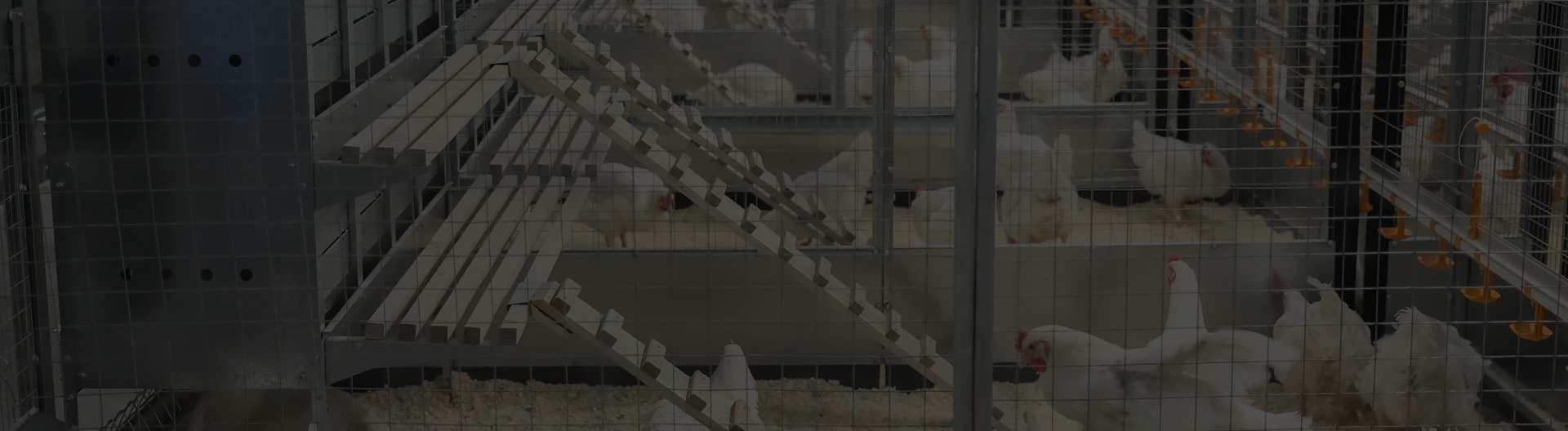
Understanding Chickens Cages: Design, Benefits & Global Impact | Yize Machine
Dec . 13, 2025 21:45 Back to list
Understanding Chickens Cages: Design, Benefits & Global Impact | Yize Machine
The Curious World of Chickens Cages: More than Just a Coop
When you hear the term chickens cages, you might picture a modest farmyard setup. But in reality, these structures are a vital piece of a global puzzle—balancing productivity, animal welfare, and sustainability in an industry feeding billions. With the world’s demand for poultry meat growing steadily (FAO forecasts a steady 3.5% increase annually), understanding chickens cages isn't just about farming; it’s about food security, ethical farming, and environmental interplay.
Why does this matter so much? Because how poultry is housed impacts health, yields, even carbon footprints. A well-designed cage can reduce disease spread, optimize space, and frankly, make life easier for farmers everywhere. Dive in with me, and I’ll share why this sometimes overlooked aspect is quietly shaping global agriculture.
Global Relevance: The Role of Chickens Cages in Modern Agriculture
Poultry farming is a cornerstone of global food systems. According to the Food and Agriculture Organization (FAO), over 23 billion chickens are raised yearly worldwide. That’s a stunning figure — and most require some form of containment or housing. Chickens cages, in particular, help address space constraints, biosecurity challenges, and labor efficiency on small to large scales.
Even the World Health Organization highlights that better animal housing reduces zoonotic diseases — the kind that jump from animals to humans. So beyond productivity, it’s also about health safety. Yet, this brings up challenges like animal welfare concerns, environmental regulations, and the quest for sustainable solutions in both developed and developing economies.
What Exactly Are Chickens Cages?
Simply put, chickens cages are structures designed to house poultry securely. They can range from simple wire enclosures on a backyard farm to large-scale, battery cage systems in industrial setups. These cages provide protection from predators, allow for easy feeding and egg collection, and enable farmers to manage flocks efficiently.
In modern farming or humanitarian contexts (think post-disaster food solutions or rural development programs), chickens cages help ensure that poultry management is standardized, sane, and scalable. That connection to industry and societal need makes them a surprisingly interesting piece of agricultural tech.
Core Components of Effective Chickens Cages
Durability and Material Quality
Farmers often say the “cage is only as good as its frame.” Wire gauge, coating, and frame materials (mostly galvanized steel or stainless steel) dictate lifespan and maintenance efforts. Better materials mean less rust, fewer repairs, and ultimately savings.
Scalability and Modular Design
Modern cages aren’t just one-size-fits-all. Modular designs let farmers expand or downsize as market demands shift—sort of like LEGO for chickens. This adaptability accelerates farm growth without massive upfront investments.
Cost Efficiency Over Time
The initial price tag isn’t the whole story. Cages designed for easy cleaning, ventilation, and egg collection can reduce labor hours and improve productivity, delivering value beyond the upfront cost.
Animal Welfare Considerations
Increasingly, farmers and regulators focus on humane designs. Space allowances, perch access, and minimizing stress are part of evolving cage standards worldwide, evidenced by ISO and EU guidelines.
Ease of Maintenance and Hygiene
A cage layout that allows quick removal of droppings and simple disinfecting routines helps curb disease spread—a crucial factor remembered by seasoned poultry managers.
Mini takeaway:
- Durability and materials set the backbone.
- Modularity supports flexible farming.
- Long-term cost savings matter more than upfront expenses.
Real-World Uses of Chickens Cages
Regions with high poultry demand, like Southeast Asia, Latin America, and parts of Africa, rely heavily on tailored chicken housing solutions. Take Vietnam—where smallholder farmers use portable chickens cages to optimize limited space and secure flocks against predators.
In post-disaster relief operations, NGOs often deploy modular cages to help communities quickly re-establish food sources, boosting nutritional security and livelihoods. Meanwhile, large industrial farms in the US and Europe utilize automated cage systems, integrating feeding, egg collection, and ventilation for massive scalability.
Interestingly, some remote industrial zones also incorporate chickens cages as part of sustainable onsite food production—a small but crucial nod to local food independence.
Mini takeaway:
- Chickens cages adapt to diverse climates and cultures.
- They're instrumental in humanitarian aid and commercial farming alike.
- Technology integration accelerates efficiency in large systems.
The Long-Term Advantages of Chickens Cages
At first glance, you might think cages just keep chickens in one place. But in real terms, they:
- Boost productivity: Controlled environments mean healthier birds, leading to more eggs and meat.
- Improve food safety: Reducing contamination risk protects consumers and farms.
- Support sustainability: Efficient resource use and waste management cut emissions.
- Empower farmers: Easier maintenance and management allow a focus on quality and expansion.
- Enhance animal welfare: Thoughtful designs reduce stress and injury, supporting ethical farming.
Ultimately, these benefits spiral beyond economics; they foster trust in poultry products and contribute toward global food security goals.
Innovations Shaping the Future of Chickens Cages
It feels like we’re on the cusp of a new era — aided by advances in materials science, automation, and green energy.
- Smart cages with sensors monitor health and environmental conditions in real-time.
- Eco-friendly materials derived from recycled plastics or biodegradable composites reduce waste.
- Solar-powered ventilation and lighting cut energy costs and improve sustainability.
- Robotic cleaning and feeding systems reduce labor demands while maintaining hygiene.
It's surprising how quickly these innovations are being commercialized — a testament to the escalating demands for humane and sustainable poultry farming.
Addressing Challenges with Practical Solutions
Despite their proven benefits, chickens cages face criticism for tight spaces and environmental impact. Many farmers wrestle with balancing cost constraints and welfare standards.
Experts recommend adopting enriched cage systems offering more space and enrichment items. Plus, integrating waste recycling programs to turn manure into biogas or fertilizer is a win-win. Stakeholders also stress that education around best practices can bridge gaps between traditional and modern approaches.
Mini takeaway:
- Upgrade design for welfare without sacrificing profitability.
- Use waste as a resource.
- Training empowers better decision-making on the farm.
Product Specification Table: Typical Chickens Cages
| Feature | Specification |
|---|---|
| Material | Galvanized Steel Wire, PVC Coated Frames |
| Dimensions | Length: 1.2 m, Width: 0.6 m, Height: 0.45 m (per unit) |
| Capacity | 5-6 Laying Hens per Cage |
| Features | Slide-out Droppings Tray, Nest Box, Feed Trough |
| Weight | Approx. 15 kg |
| Warranty | 2 Years Limited |
Vendor Comparison: Leading Chickens Cages Manufacturers
| Vendor | Material Quality | Price Range | Customization Options | Global Shipping |
|---|---|---|---|---|
| Yize Machine | High (Galvanized & PVC Coated) | $$$ | Yes – Modular Sizes & Accessories | Worldwide |
| FarmTech Supplies | Medium (Galvanized Steel) | $$ | Basic Sizes | Selective Regions |
| AgroCage Global | Premium (Stainless Steel) | $$$$ | Highly Customizable | Worldwide |
FAQ: Your Top Questions About Chickens Cages
- What are the benefits of modular chickens cages?
- Modular cages allow farmers to start small and expand easily, optimizing space and investment costs. They simplify maintenance and adapt to changing flock sizes.
- How do chickens cages improve animal welfare?
- Modern cages provide enough space for movement, access to perches, and nesting areas, reducing stress and injury compared to traditional cramped systems.
- Are chickens cages environmentally sustainable?
- When combined with waste management and energy-efficient designs, cages can reduce environmental impact by optimizing feed use and limiting resource waste.
- Can small farms afford industrial-style chickens cages?
- Yes, many vendors offer scalable or portable options (like chickens cages) designed specifically for small to medium-scale farmers with tight budgets.
- How do I choose the right chickens cage for my farm?
- Consider your flock size, climate, budget, and labor availability. Prioritize durability, ease of cleaning, and animal welfare features. Consulting suppliers with customizable solutions can help.
Wrapping Up: Why Chickens Cages Deserve Your Attention
At the end of the day, chickens cages are a small piece with a big role in the vast ecosystem of poultry farming. They serve as the intersection between tradition and innovation, animal welfare and business demand, local context and global food security.
If you’re a farmer, a business looking to optimize, or just a poultry aficionado, leaning into better housing solutions pays dividends across the board.
Curious where to start? Check out chickens cages from specialists like Yize Machine — a name synonymous with quality and adaptability.
Final thought:
Sometimes, the humble chicken cage tells a larger story about progress — one wire mesh and sunset-lit farmyard at a time.
References
-
Professional Mini Poultry Cage for Efficient Small Scale Farming
NewsApr.16,2026
-
Optimizing Poultry Production with Advanced Cage System Poultry
NewsApr.09,2026
-
Optimizing Layer Poultry Cages for Efficient and Profitable Egg Production
NewsApr.07,2026
-
Comprehensive Guide to Poultry Cages for Layers and Modern Farming Solutions
NewsApr.04,2026
-
Comprehensive Guide to Optimizing Poultry Laying Cages for Egg Production
NewsMar.31,2026
-
Maximize Egg Production with Efficient Poultry Layer Cage Systems
NewsMar.28,2026





 Afrikaans
 Albanian
 Amharic
 Arabic
 Armenian
 Azerbaijani
 Basque
 Belarusian
 Bengali
 Bosnian
 Bulgarian
 Catalan
 Cebuano
 Corsican
 Croatian
 Czech
Czech
 Danish
 Dutch
Dutch
 Esperanto
 Estonian
 Finnish
 French
 Frisian
 Galician
 Georgian
 German
 Greek
Greek
 Gujarati
 Haitian Creole
 Hausa
Hausa
 Hawaiian
 Hebrew
 Hindi
Hindi
 Miao
Miao
 Hungarian
 Icelandic
 Igbo
Igbo
 Indonesian
 Irish
Irish
 Italian
 Japanese
 Javanese
 Kannada
 Kazakh
 Khmer
Khmer
 Rwandese
 Korean
 Kurdish
 Kyrgyz
 Lao
Lao
 Latin
Latin
 Latvian
 Lithuanian
 Luxembourgish
 Macedonian
 Malgashi
 Malay
Malay
 Malayalam
 Maltese
 Maori
Maori
 Marathi
 Mongolian
 Myanmar
 Nepali
 Norwegian
 Norwegian
 Occitan
 Pashto
 Persian
 Polish
 Portuguese
 Punjabi
 Romanian
 Russian
 Samoan
 Scottish Gaelic
 Serbian
 Sesotho
 Shona
Shona
 Sindhi
 Sinhala
 Slovak
 Slovenian
 Somali
 Spanish
 Sundanese
 Swahili
 Swedish
 Tagalog
 Tajik
Tajik
 Tamil
Tamil
 Tatar
Tatar
 Telugu
 Thai
Thai
 Turkish
 Turkmen
 Ukrainian
 Urdu
Urdu
 Uighur
 Uzbek
Uzbek
 Vietnamese
 Welsh
Welsh
 Bantu
Bantu
 Yiddish
 Yoruba
 English