Stacked rabbit cages are becoming increasingly vital in modern rabbit farming, driven by the global demand for rabbit meat and fur. These systems offer a space-saving and efficient solution for breeders aiming to maximize production while minimizing land usage. They are particularly relevant in regions with limited arable land and growing populations seeking sustainable protein sources. Understanding the benefits and applications of stacked rabbit cages is crucial for optimizing rabbit farming operations and ensuring responsible animal husbandry.
The growing demand for rabbit products globally necessitates innovative farming solutions. Factors like increasing urbanization, a preference for white meat, and the rabbit’s high reproductive rate contribute to this demand. Stacked rabbit cages address the challenge of maximizing production in limited spaces, making rabbit farming a more viable option in diverse geographical locations. This is particularly important in densely populated areas where land is a premium.
Furthermore, the efficiency of stacked rabbit cages impacts the overall cost of production, potentially making rabbit meat more accessible to a wider consumer base. Investing in optimized breeding systems is no longer just a matter of maximizing profit, but also of contributing to a more sustainable and food-secure future.
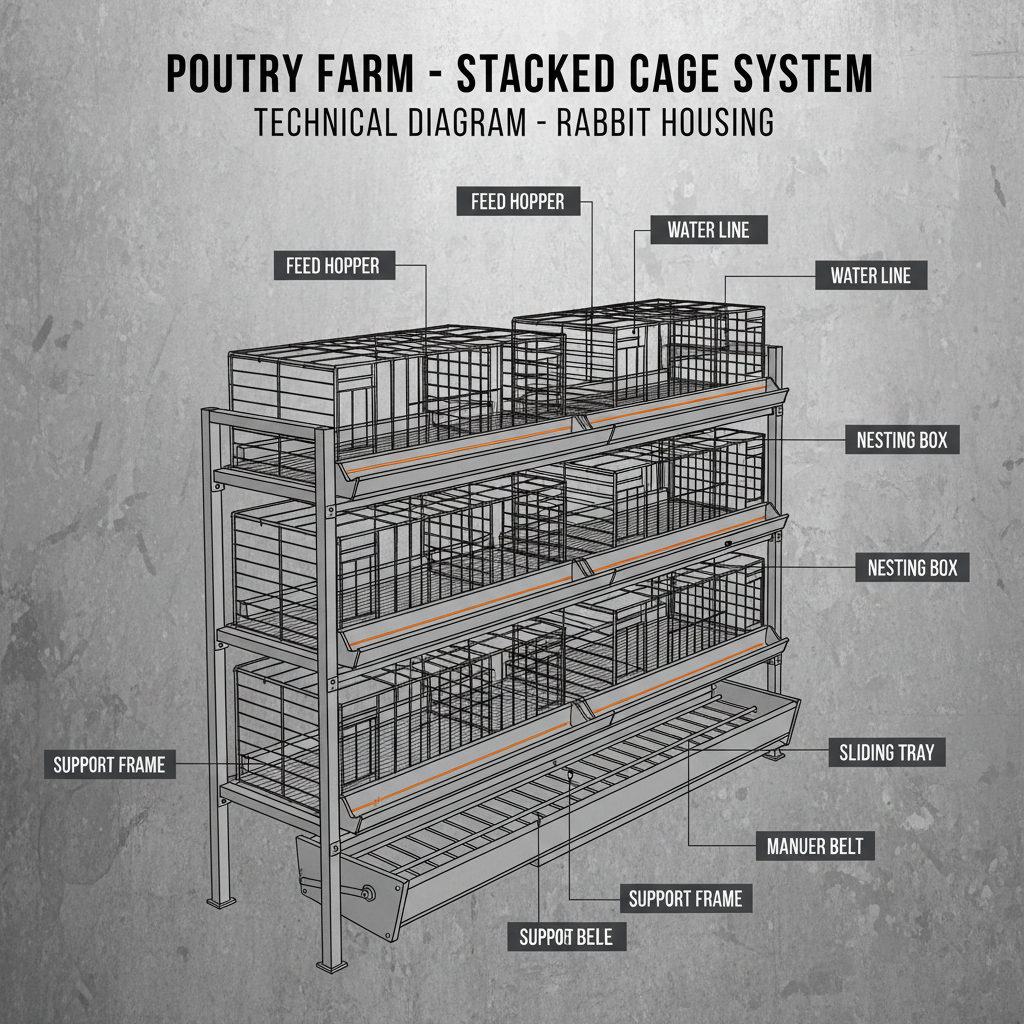
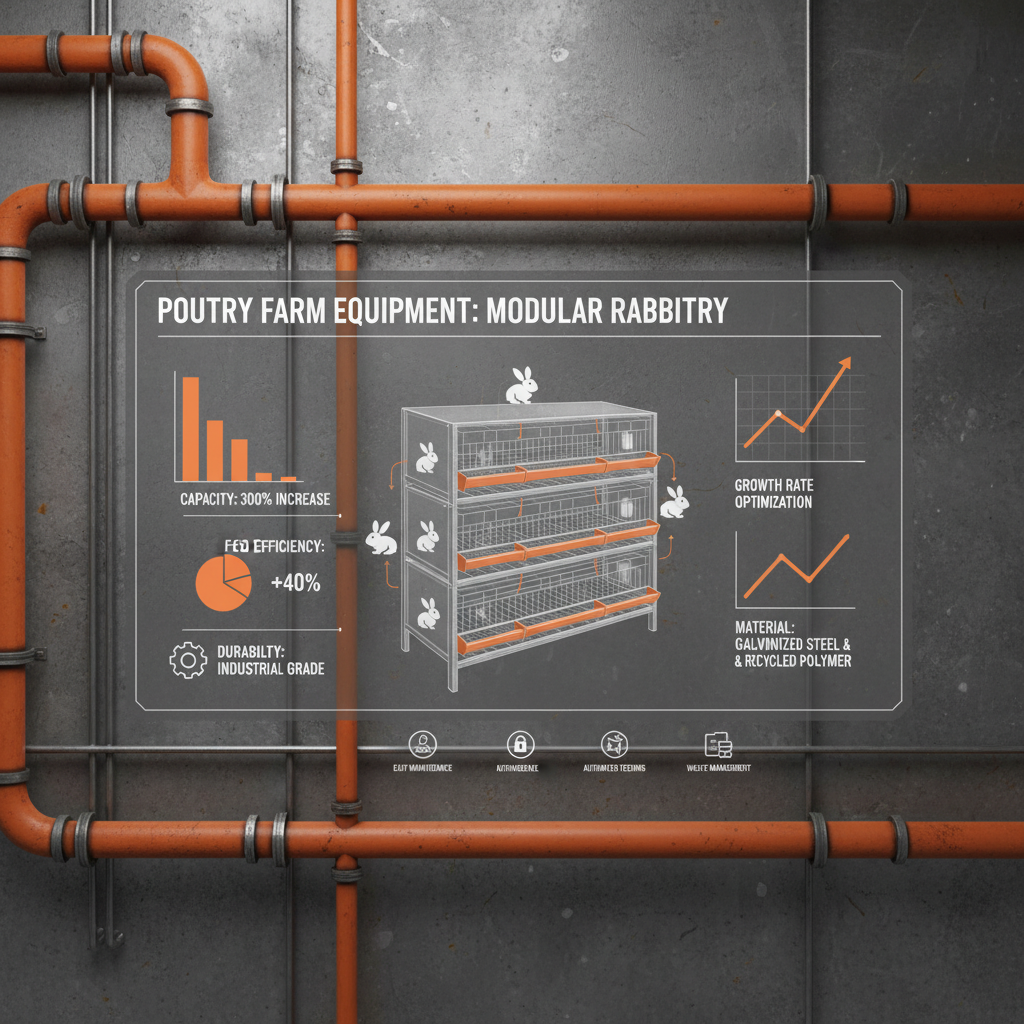
Stacked rabbit cages represent a significant advancement in rabbit farming, addressing the need for increased efficiency and space optimization. They allow breeders to house a larger number of rabbits in a smaller footprint compared to traditional floor-based systems. This is crucial for commercial operations striving to maximize output and profitability.
The economic benefits of stacked rabbit cages extend beyond space savings. Improved hygiene, reduced labor costs associated with cleaning, and enhanced disease control contribute to a healthier rabbit population and ultimately, higher yields.
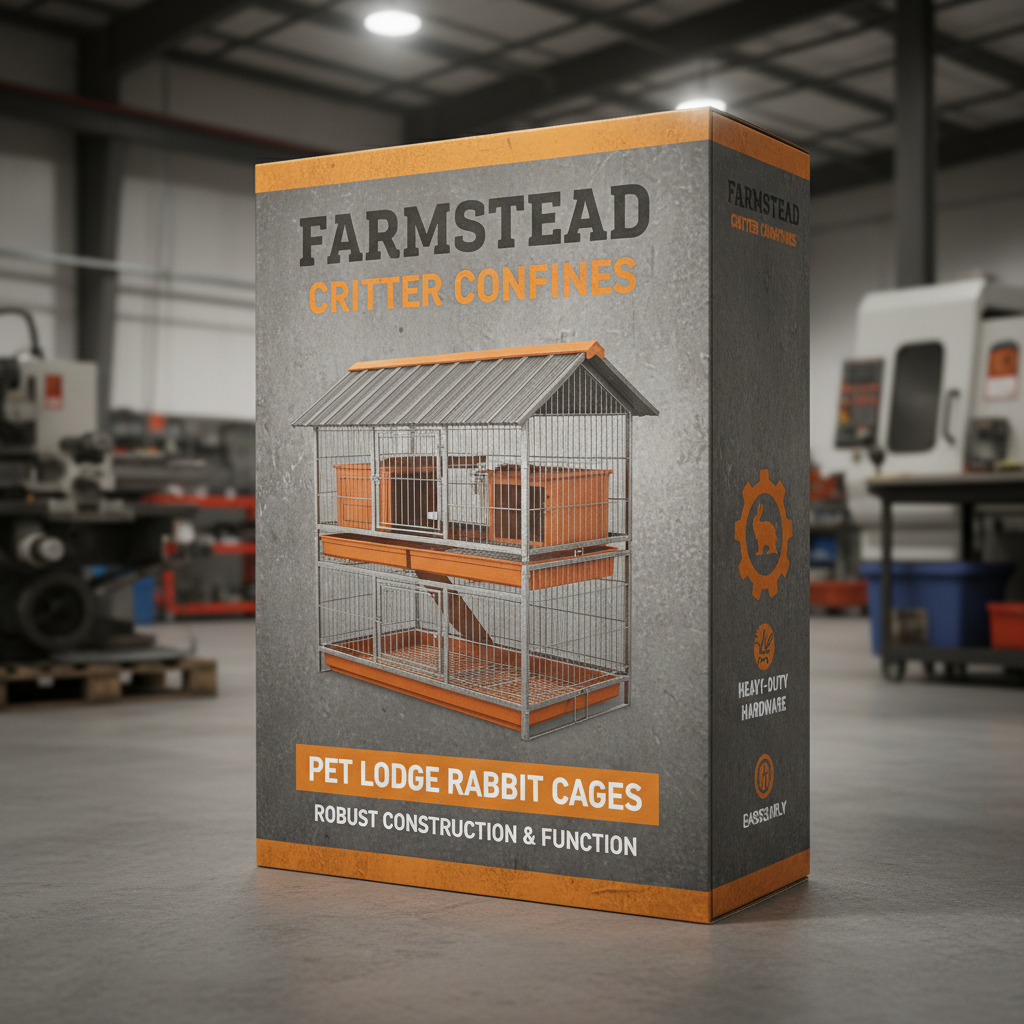
Stacked rabbit cages offer significant advantages in terms of space utilization, hygiene, and disease control. They allow for a higher density of rabbits in a smaller area, making them ideal for commercial operations. The elevated structure also facilitates easier cleaning and prevents the spread of pathogens.
The ideal size and type of cage depend on the breed of rabbit, the age of the animals, and the overall scale of your operation. Consider the space requirements for each rabbit, ensuring adequate room for movement and comfort. Material durability and ventilation are also crucial factors.
Regular cleaning is essential to prevent disease outbreaks. Remove manure and soiled bedding daily. Disinfect the cages weekly with an appropriate veterinary-grade disinfectant. Ensure proper ventilation during and after cleaning to allow for thorough drying.
Adequate ventilation is vital for rabbit health. Ensure cages have sufficient wire mesh to promote airflow. Consider incorporating fans or a forced air ventilation system, especially in enclosed buildings. Regularly monitor ammonia levels to assess ventilation effectiveness.
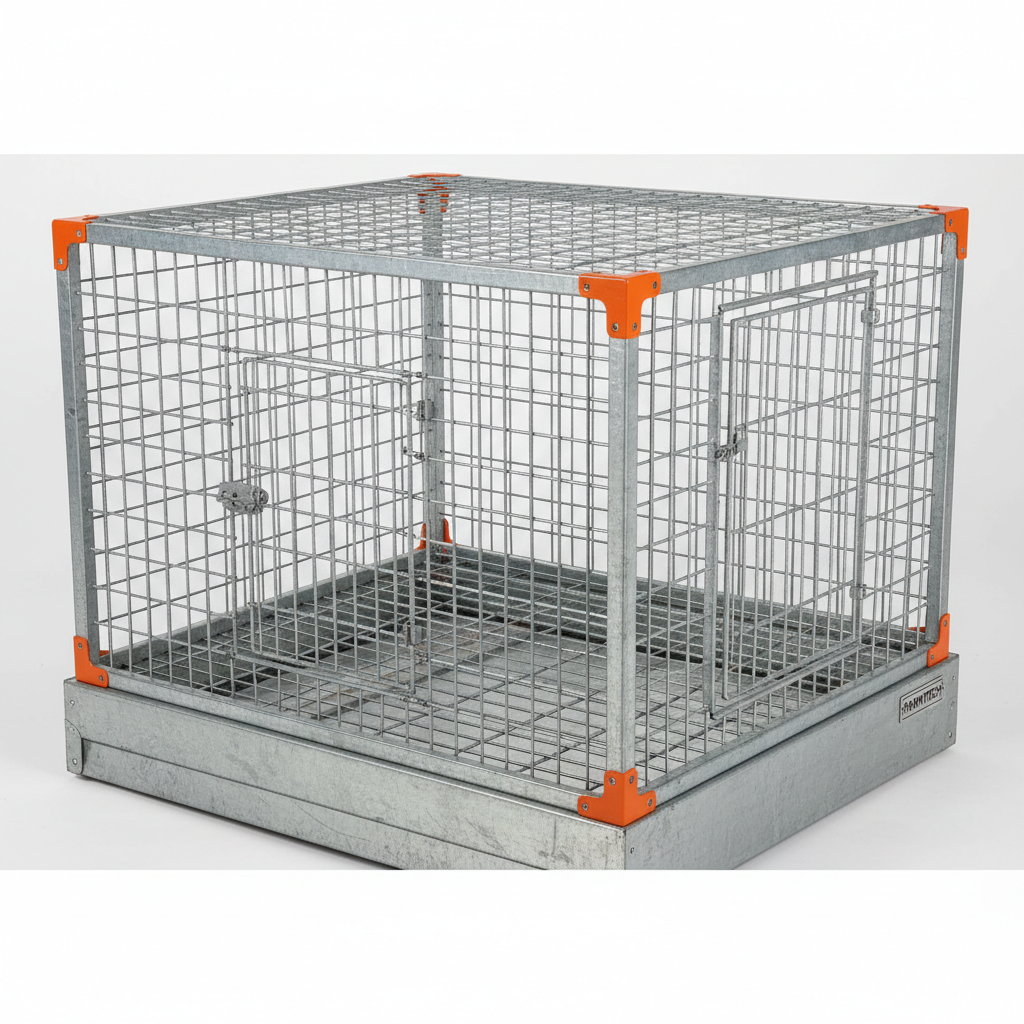
A well-maintained stacked rabbit cage system, constructed from durable materials like galvanized steel, can last for 10-15 years or even longer. Regular inspection, repair of any damaged components, and proper cleaning contribute to longevity.
Yes, depending on your location, there may be local regulations regarding animal welfare, housing standards, and waste management. It’s essential to check with your local agricultural authorities to ensure compliance.
In conclusion, stacked rabbit cages represent a significant advancement in rabbit farming, offering increased efficiency, improved hygiene, and enhanced productivity. They provide a viable solution for maximizing production in limited spaces and addressing the growing global demand for rabbit meat and fur. Investing in a well-designed and maintained system can deliver substantial long-term benefits.
Looking ahead, continued innovation in materials, automation, and sustainable practices will further enhance the effectiveness and appeal of stacked rabbit cages. We encourage all rabbit farmers to explore the potential of these systems to optimize their operations and contribute to a more sustainable and food-secure future. For more information and to browse our range of stacked rabbit cages, please visit our website.






 Afrikaans
 Albanian
 Amharic
 Arabic
 Armenian
 Azerbaijani
 Basque
 Belarusian
 Bengali
 Bosnian
 Bulgarian
 Catalan
 Cebuano
 Corsican
 Croatian
 Czech
Czech
 Danish
 Dutch
Dutch
 Esperanto
 Estonian
 Finnish
 French
 Frisian
 Galician
 Georgian
 German
 Greek
Greek
 Gujarati
 Haitian Creole
 Hausa
Hausa
 Hawaiian
 Hebrew
 Hindi
Hindi
 Miao
Miao
 Hungarian
 Icelandic
 Igbo
Igbo
 Indonesian
 Irish
Irish
 Italian
 Japanese
 Javanese
 Kannada
 Kazakh
 Khmer
Khmer
 Rwandese
 Korean
 Kurdish
 Kyrgyz
 Lao
Lao
 Latin
Latin
 Latvian
 Lithuanian
 Luxembourgish
 Macedonian
 Malgashi
 Malay
Malay
 Malayalam
 Maltese
 Maori
Maori
 Marathi
 Mongolian
 Myanmar
 Nepali
 Norwegian
 Norwegian
 Occitan
 Pashto
 Persian
 Polish
 Portuguese
 Punjabi
 Romanian
 Russian
 Samoan
 Scottish Gaelic
 Serbian
 Sesotho
 Shona
Shona
 Sindhi
 Sinhala
 Slovak
 Slovenian
 Somali
 Spanish
 Sundanese
 Swahili
 Swedish
 Tagalog
 Tajik
Tajik
 Tamil
Tamil
 Tatar
Tatar
 Telugu
 Thai
Thai
 Turkish
 Turkmen
 Ukrainian
 Urdu
Urdu
 Uighur
 Uzbek
Uzbek
 Vietnamese
 Welsh
Welsh
 Bantu
Bantu
 Yiddish
 Yoruba
 English