Look, honestly, the whole industry's buzzing about automation now. Everyone's talking about robots, automated lines… but having spent the last year crawling through factories, I'll tell you, the real bottleneck isn't the machines themselves, it's getting them to reliably handle the materials. You think a robot can tell the difference between slightly damp plywood and perfectly dry plywood? Think again.
It's all about the details, you know? A lot of designers, they sit in their offices, drawing up these beautiful plans, and they completely miss the practical realities of the shop floor. Like, have you noticed how many designs call for perfectly square cuts on lumber? Perfectly square! It's wood, man, it's going to warp, it's going to shift. You build in tolerances, you build in adjustments. That's the key.
And then there's the material side. Right now, everyone’s obsessed with composite materials - lightweight, strong... but the smell, honestly, the smell of some of these things when you cut them! It’s like burning plastic and sadness. We’re using a lot of galvanized steel framing these days, too. Feels solid, a little rough on the hands, you gotta wear gloves. And the aluminum... lighter, obviously, but bends easier. I encountered this at a factory in Tianjin last time – they were using thin-gauge aluminum for a support structure and it was buckling under its own weight. Just…buckling.
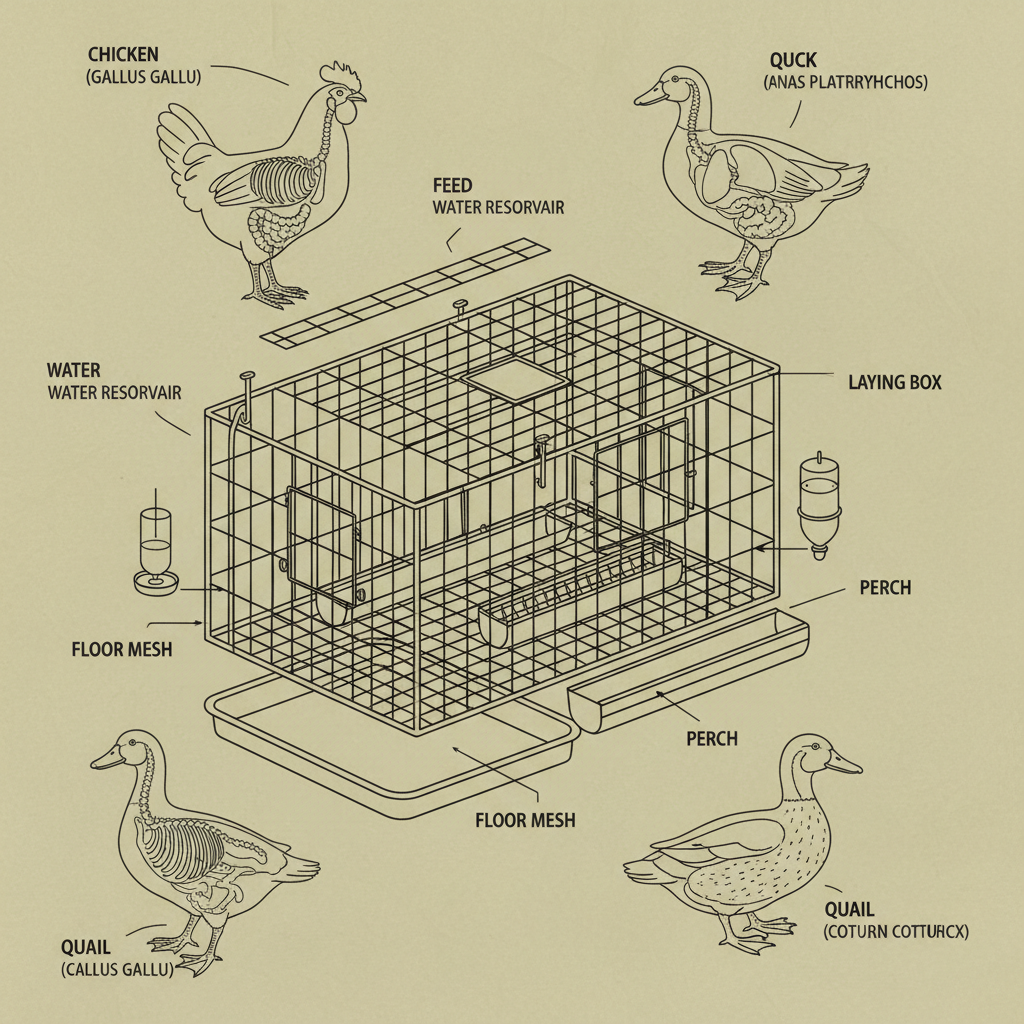
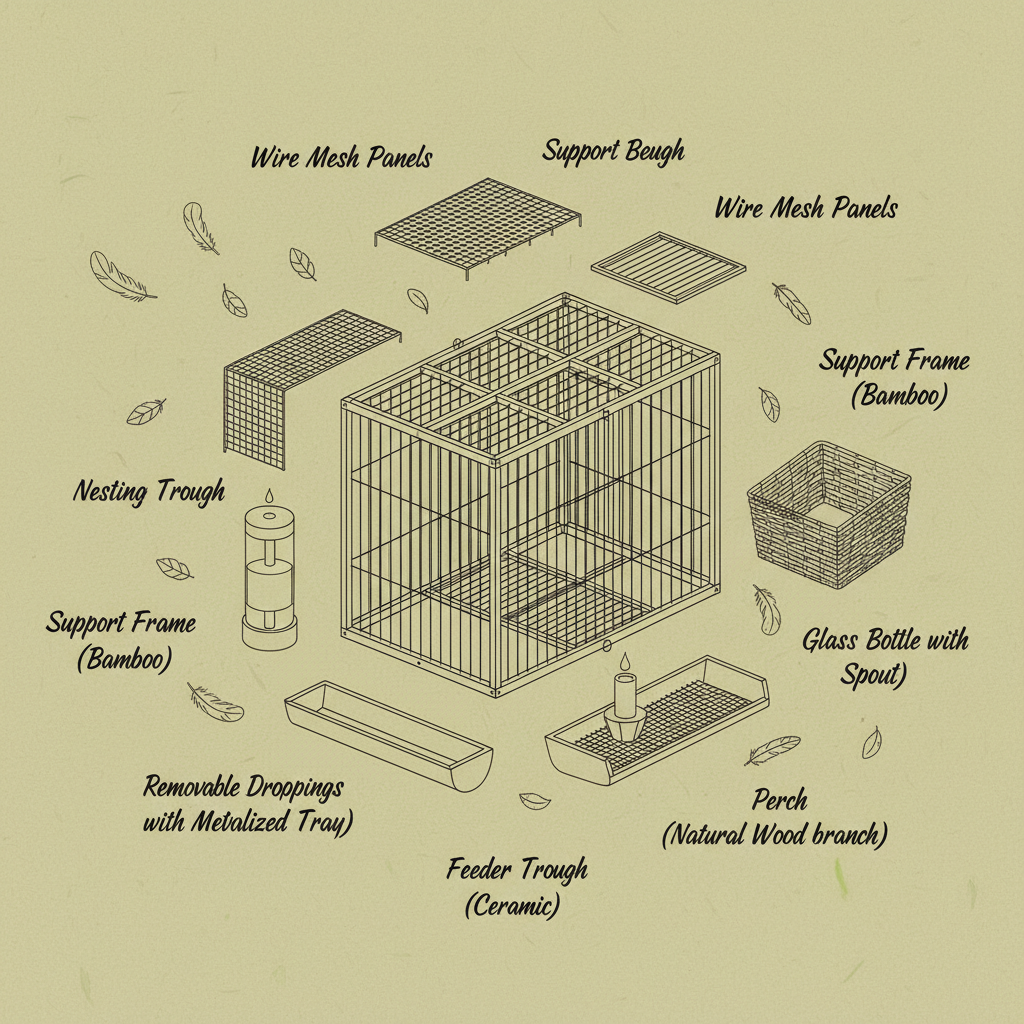
Strangely enough, everyone focuses on the bells and whistles, but the foundation is always the same: simplicity and robust construction. I’ve seen too many over-engineered solutions fail because they had too many moving parts. It’s about minimizing potential failure points, you understand?
The biggest headache I see is trying to squeeze performance out of cheaper materials. Trying to save a few bucks upfront always costs you more in the long run – repairs, downtime, frustrated workers. It's a classic case of being penny-wise and pound-foolish. Anyway, I think prioritizing durability over initial cost is a non-negotiable.
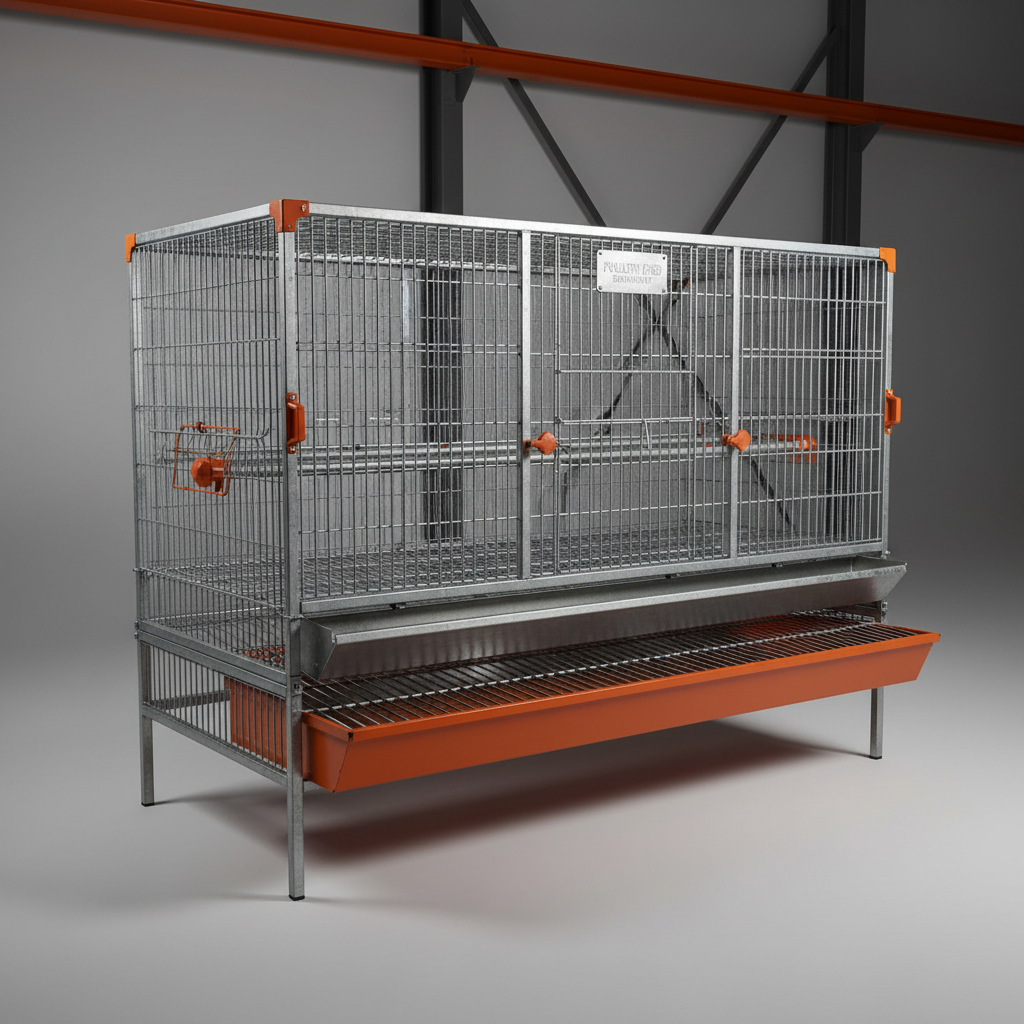
Honestly, it depends on the maintenance. If you keep the steel coated and the connectors tight, a well-built poultry cage system can easily last 10-15 years, even in a pretty rough environment. We've seen some installations that are over 20 years old, but they've had regular inspections and repairs. Ignoring it? Forget about it – you’re looking at maybe 5 years, tops. It's not rocket science, but it does need attention.
Upfront, it’s definitely more expensive. The materials cost more, and there’s some specialized labor involved. But over the long run, it usually evens out – and often comes out ahead. You save on labor because it assembles so much faster. You reduce downtime because repairs are quicker and easier. And in some cases, you can avoid permitting costs. It’s a total cost of ownership calculation, you see?
That’s a good question. It’s not inherently fireproof, obviously. The steel will eventually melt, and the HDPE will burn. But we can use fire-resistant coatings and incorporate fire suppression systems into the design. We've done projects with a one-hour fire resistance rating, but that adds significantly to the cost. It really depends on the application and the local building codes.
It can be, but you need to design for it. We reinforce the structures with additional bracing, use heavier-gauge steel, and ensure proper drainage. We also consider wind loading and snow accumulation. We had a project in Alaska last winter, and it held up beautifully – even with a blizzard. But you can't just throw it up and expect it to survive; it has to be engineered for the specific climate.
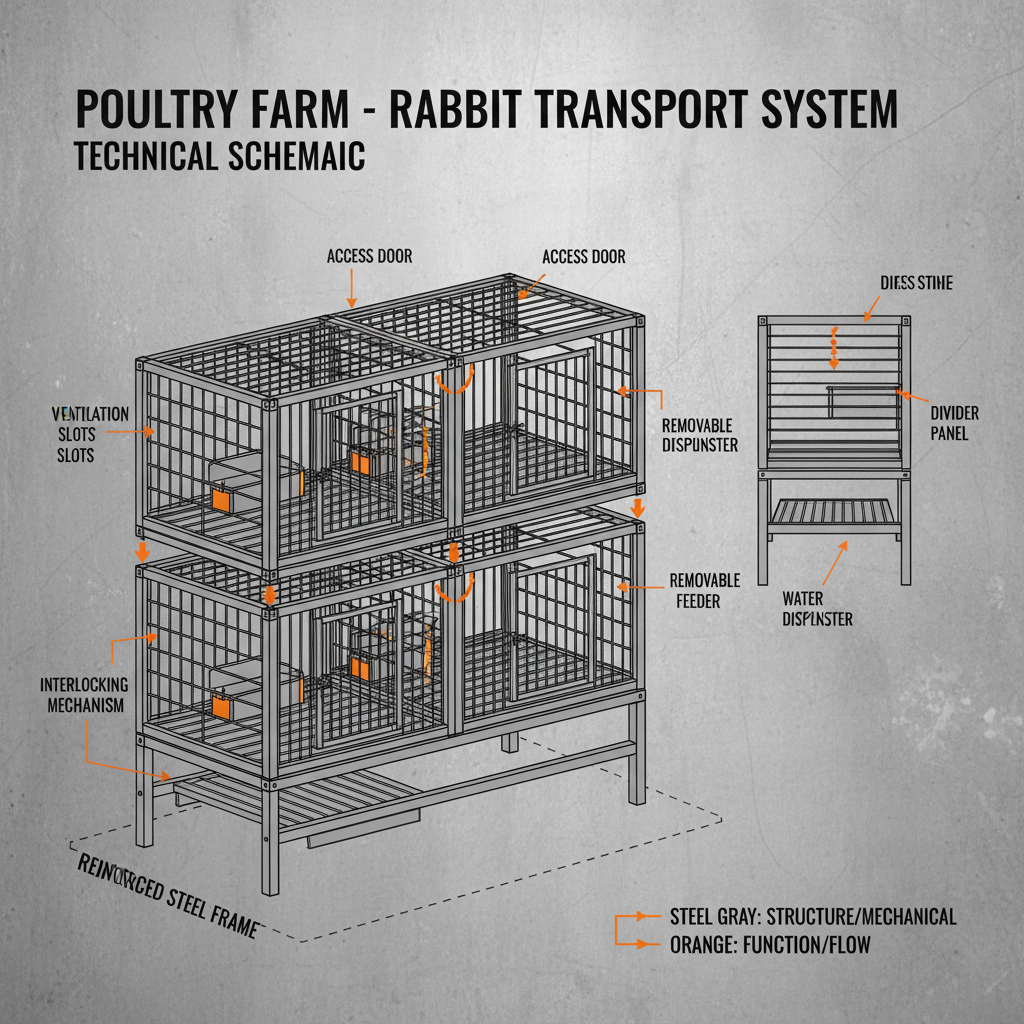
That’s one of the biggest advantages! Yes, they can. Everything is bolted together, so you can take it apart and move it to a new location relatively easily. It’s not quite as easy as LEGOs, but it’s a lot faster and cheaper than tearing down a traditional building. We had a customer who moved their entire production line three times in two years using our poultry cage system.
Lead times vary depending on the complexity of the project and our current workload. A standard system might take 4-6 weeks to deliver. A highly customized system could take 8-12 weeks or longer. Installation time depends on the size of the structure and the skill of the installation crew, but usually it’s a fraction of the time it would take to build something traditionally.
So, look, poultry cage isn’t a magic bullet. It's not going to solve all your problems. But it's a solid, reliable system that offers a lot of advantages – speed, flexibility, durability, and cost-effectiveness. It's about understanding its strengths and weaknesses, and using it appropriately. It’s about doing the groundwork and paying attention to the details.
Ultimately, whether this thing works or not, the worker will know the moment he tightens the screw. If it feels solid, if it feels right, then you’re on the right track. If it feels flimsy, if it feels like it's going to fall apart, then you need to go back to the drawing board. Because in the end, it's not about the fancy designs or the marketing hype – it's about building something that lasts.






 Afrikaans
 Albanian
 Amharic
 Arabic
 Armenian
 Azerbaijani
 Basque
 Belarusian
 Bengali
 Bosnian
 Bulgarian
 Catalan
 Cebuano
 Corsican
 Croatian
 Czech
Czech
 Danish
 Dutch
Dutch
 Esperanto
 Estonian
 Finnish
 French
 Frisian
 Galician
 Georgian
 German
 Greek
Greek
 Gujarati
 Haitian Creole
 Hausa
Hausa
 Hawaiian
 Hebrew
 Hindi
Hindi
 Miao
Miao
 Hungarian
 Icelandic
 Igbo
Igbo
 Indonesian
 Irish
Irish
 Italian
 Japanese
 Javanese
 Kannada
 Kazakh
 Khmer
Khmer
 Rwandese
 Korean
 Kurdish
 Kyrgyz
 Lao
Lao
 Latin
Latin
 Latvian
 Lithuanian
 Luxembourgish
 Macedonian
 Malgashi
 Malay
Malay
 Malayalam
 Maltese
 Maori
Maori
 Marathi
 Mongolian
 Myanmar
 Nepali
 Norwegian
 Norwegian
 Occitan
 Pashto
 Persian
 Polish
 Portuguese
 Punjabi
 Romanian
 Russian
 Samoan
 Scottish Gaelic
 Serbian
 Sesotho
 Shona
Shona
 Sindhi
 Sinhala
 Slovak
 Slovenian
 Somali
 Spanish
 Sundanese
 Swahili
 Swedish
 Tagalog
 Tajik
Tajik
 Tamil
Tamil
 Tatar
Tatar
 Telugu
 Thai
Thai
 Turkish
 Turkmen
 Ukrainian
 Urdu
Urdu
 Uighur
 Uzbek
Uzbek
 Vietnamese
 Welsh
Welsh
 Bantu
Bantu
 Yiddish
 Yoruba
 English