
In the modern landscape of livestock management, the adoption of a rabbit cage with wire bottom has become a cornerstone for commercial breeders aiming to balance high-density housing with rigorous hygiene standards. By allowing waste to fall through the flooring, these specialized cages minimize the rabbits' direct contact with excrement, significantly reducing the risk of pododermatitis and other parasitic infections that often plague traditional bedding systems.
From a global perspective, the demand for efficient rabbit protein sources is rising, pushing the industry toward automation and standardized equipment. A high-quality rabbit cage with wire bottom is not merely a container but a sophisticated tool that integrates structural durability with animal welfare, ensuring that breeding cycles remain productive and mortality rates stay low.
Understanding the nuances of wire mesh gauge, coating materials, and ergonomic design is essential for any operator looking to scale their production. Whether for small-scale hobbyists or large industrial farms, investing in a professionally engineered rabbit cage with wire bottom ensures long-term operational stability and a healthier environment for the livestock.
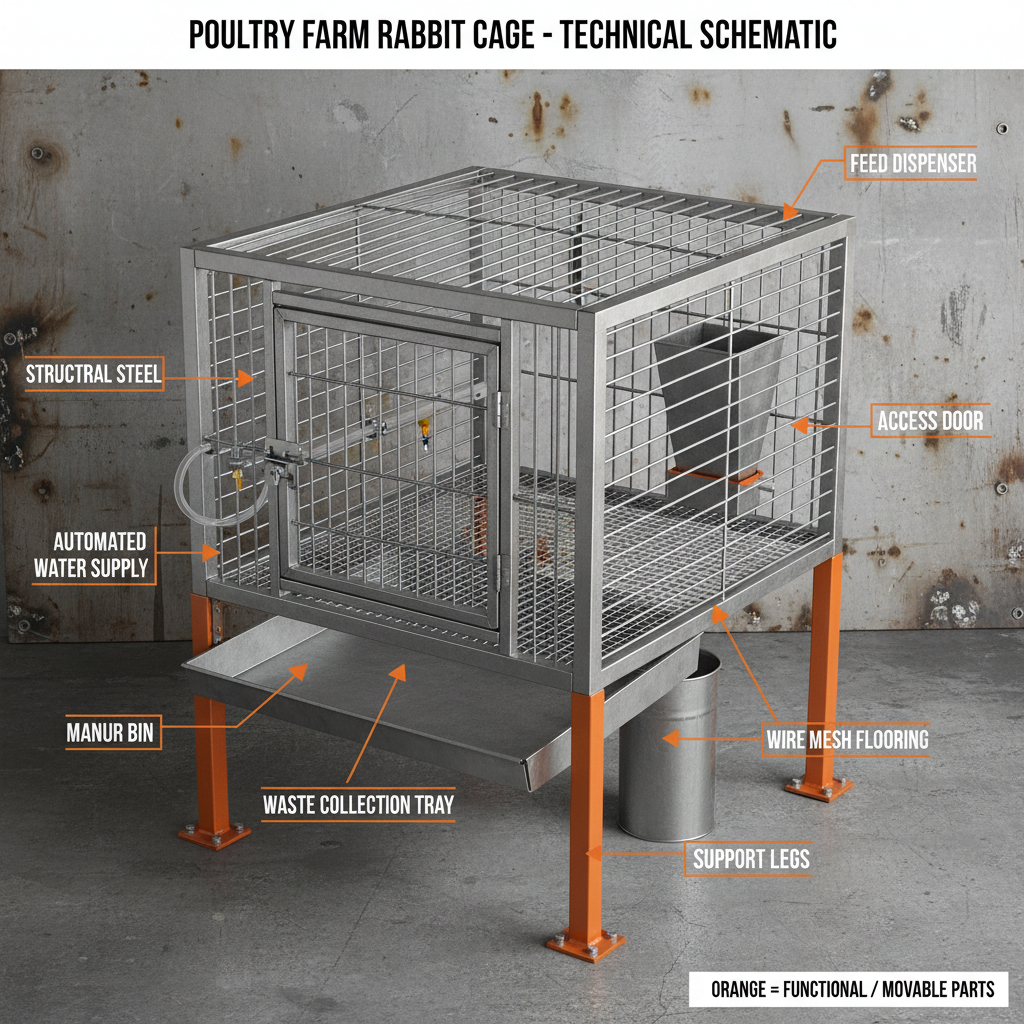
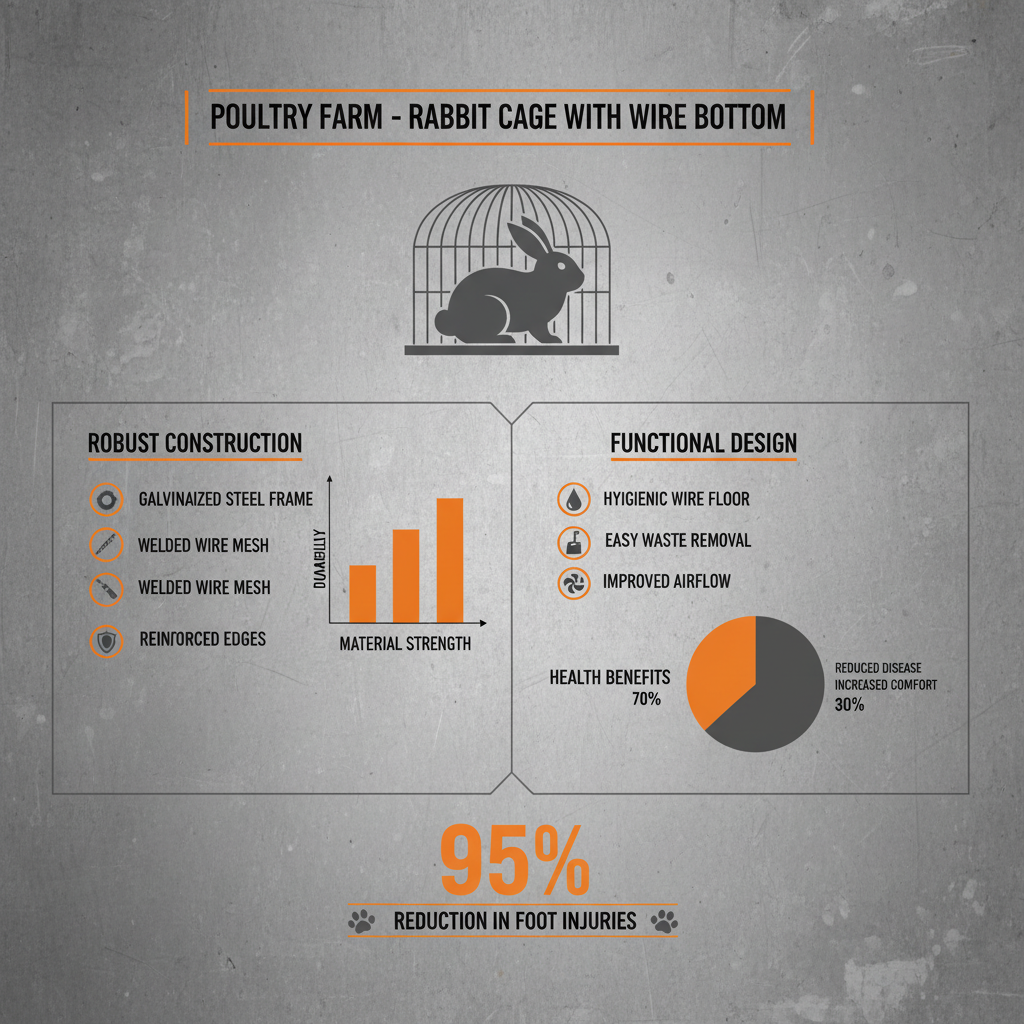
Across Europe and Asia, where rabbit meat is a staple part of the diet, the transition to a rabbit cage with wire bottom has revolutionized the efficiency of protein production. According to agricultural trends mirrored in ISO standards for livestock equipment, the shift from floor-pen systems to elevated wire systems has led to a marked decrease in ammonia buildup, which is the primary cause of respiratory distress in rabbits.
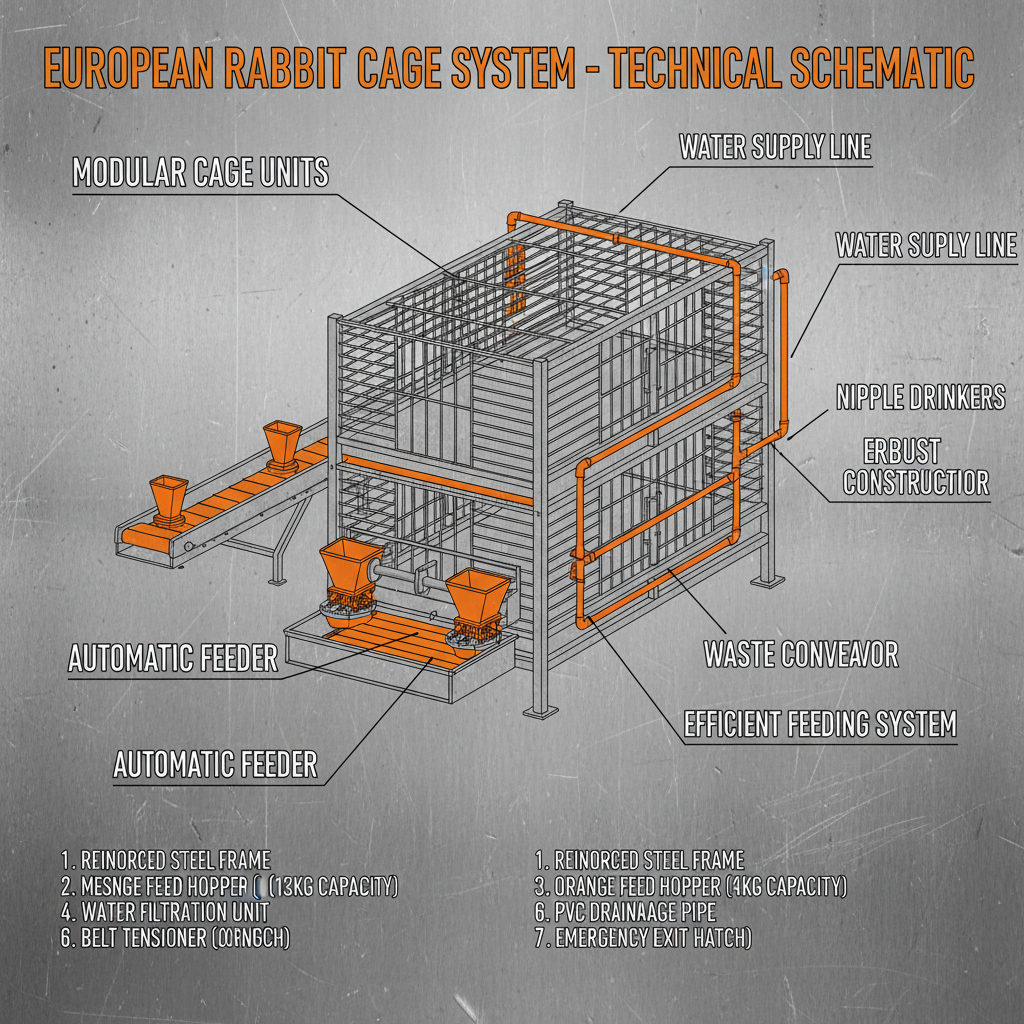
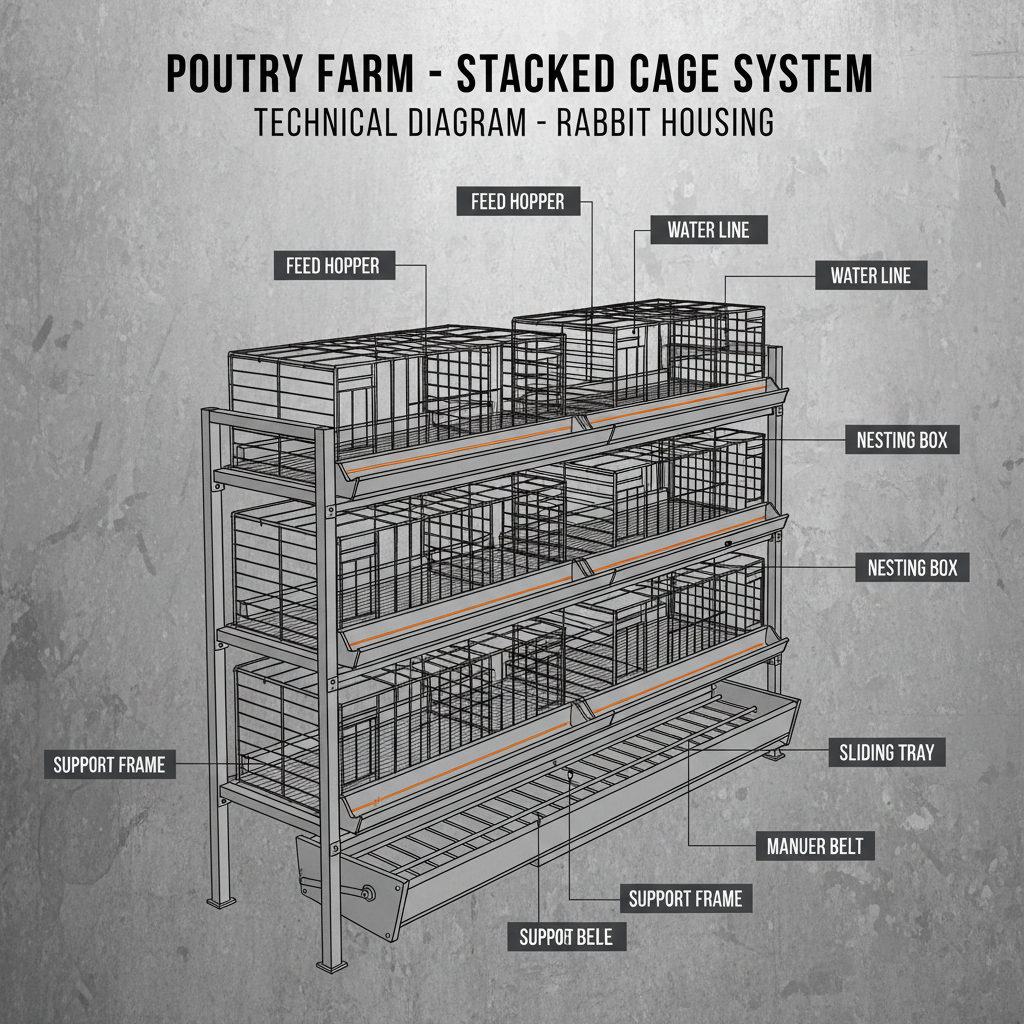
The industrialization of rabbit farming requires a solution that handles waste automatically. By utilizing a wire bottom, farmers can implement conveyor-belt manure removal systems underneath the cages, transforming a labor-intensive cleaning process into a streamlined operation. This not only saves hundreds of man-hours but also ensures a sterile environment that meets stringent food safety regulations.
Not if the cage is engineered correctly. Professional rabbit cages with wire bottoms use specific wire gauges and spacing that provide support without causing pressure sores. For rabbits sensitive to wire, farmers often provide a small "resting slab" or a ceramic tile in one corner of the cage to allow the animal to take its feet off the wire occasionally.
The primary advantage of the wire bottom is that waste falls through. For industrial setups, we recommend installing a manure collection tray or a conveyor belt underneath. For smaller setups, simply sweeping or hosing down the area beneath the cages daily prevents ammonia buildup and maintains a sterile environment.
Stainless steel is the gold standard for durability and corrosion resistance, making it ideal for long-term investments. However, hot-dip galvanized steel is a highly cost-effective alternative that offers excellent protection for most farming environments. The choice depends on your budget and the acidity of your environmental conditions.
Yes, but with a modification. When using a rabbit cage with wire bottom for breeding, it is essential to provide a nesting box. The doe will build her nest inside the box, protecting the kits from the wire floor until they are old enough to support their own weight and move around the cage safely.
A high-quality, hot-dip galvanized or stainless steel cage can last between 10 to 20 years depending on the maintenance and environmental exposure. Regular inspections for rust or broken wires are recommended to ensure the safety of the animals.
Generally, yes. However, the wire gauge must be matched to the breed's size. Heavy breeds require thicker, reinforced wire to prevent the floor from sagging, while smaller breeds need a tighter mesh to prevent their limbs from getting caught.
The implementation of a rabbit cage with wire bottom represents a strategic shift toward professionalized, hygienic, and scalable rabbit farming. By prioritizing waste management through structural design, breeders can drastically reduce disease prevalence, lower labor costs, and improve the overall quality of their livestock. From the selection of galvanized materials to the integration of automated cleaning, every detail of the wire-bottom system contributes to a more sustainable and humane production cycle.
Looking forward, the integration of smart sensing and eco-friendly coatings will further elevate the standards of rabbit housing. We encourage farmers to move away from obsolete floor-pen systems and embrace the efficiency of modern caging. For those seeking world-class breeding automation and equipment, investing in high-grade wire-bottom solutions is the most reliable path to operational success. Visit our website for more information: www.yizemachine.com






 Afrikaans
 Albanian
 Amharic
 Arabic
 Armenian
 Azerbaijani
 Basque
 Belarusian
 Bengali
 Bosnian
 Bulgarian
 Catalan
 Cebuano
 Corsican
 Croatian
 Czech
Czech
 Danish
 Dutch
Dutch
 Esperanto
 Estonian
 Finnish
 French
 Frisian
 Galician
 Georgian
 German
 Greek
Greek
 Gujarati
 Haitian Creole
 Hausa
Hausa
 Hawaiian
 Hebrew
 Hindi
Hindi
 Miao
Miao
 Hungarian
 Icelandic
 Igbo
Igbo
 Indonesian
 Irish
Irish
 Italian
 Japanese
 Javanese
 Kannada
 Kazakh
 Khmer
Khmer
 Rwandese
 Korean
 Kurdish
 Kyrgyz
 Lao
Lao
 Latin
Latin
 Latvian
 Lithuanian
 Luxembourgish
 Macedonian
 Malgashi
 Malay
Malay
 Malayalam
 Maltese
 Maori
Maori
 Marathi
 Mongolian
 Myanmar
 Nepali
 Norwegian
 Norwegian
 Occitan
 Pashto
 Persian
 Polish
 Portuguese
 Punjabi
 Romanian
 Russian
 Samoan
 Scottish Gaelic
 Serbian
 Sesotho
 Shona
Shona
 Sindhi
 Sinhala
 Slovak
 Slovenian
 Somali
 Spanish
 Sundanese
 Swahili
 Swedish
 Tagalog
 Tajik
Tajik
 Tamil
Tamil
 Tatar
Tatar
 Telugu
 Thai
Thai
 Turkish
 Turkmen
 Ukrainian
 Urdu
Urdu
 Uighur
 Uzbek
Uzbek
 Vietnamese
 Welsh
Welsh
 Bantu
Bantu
 Yiddish
 Yoruba
 English