Broiler cages represent a vital component of modern poultry farming, facilitating efficient and hygienic meat production. Globally, the demand for affordable protein, particularly chicken, is consistently rising, driving the need for optimized rearing systems. The implementation of well-designed broiler cage systems directly addresses this demand by maximizing bird density while maintaining animal welfare standards, reducing disease transmission, and ultimately increasing yield.
The growth of the poultry industry is particularly significant in developing nations, where increased access to protein is crucial for public health and economic development. However, challenges remain in balancing productivity with responsible farming practices. Effective broiler cage management plays a key role in mitigating these challenges, offering solutions for space optimization, waste management, and environmental sustainability.
Understanding the nuances of broiler cage systems—from material science to ventilation design—is essential for farmers, investors, and policymakers alike. Investment in advanced caging technology translates to more consistent product quality, reduced operational costs, and a greater capacity to meet the ever-increasing global demand for poultry meat.
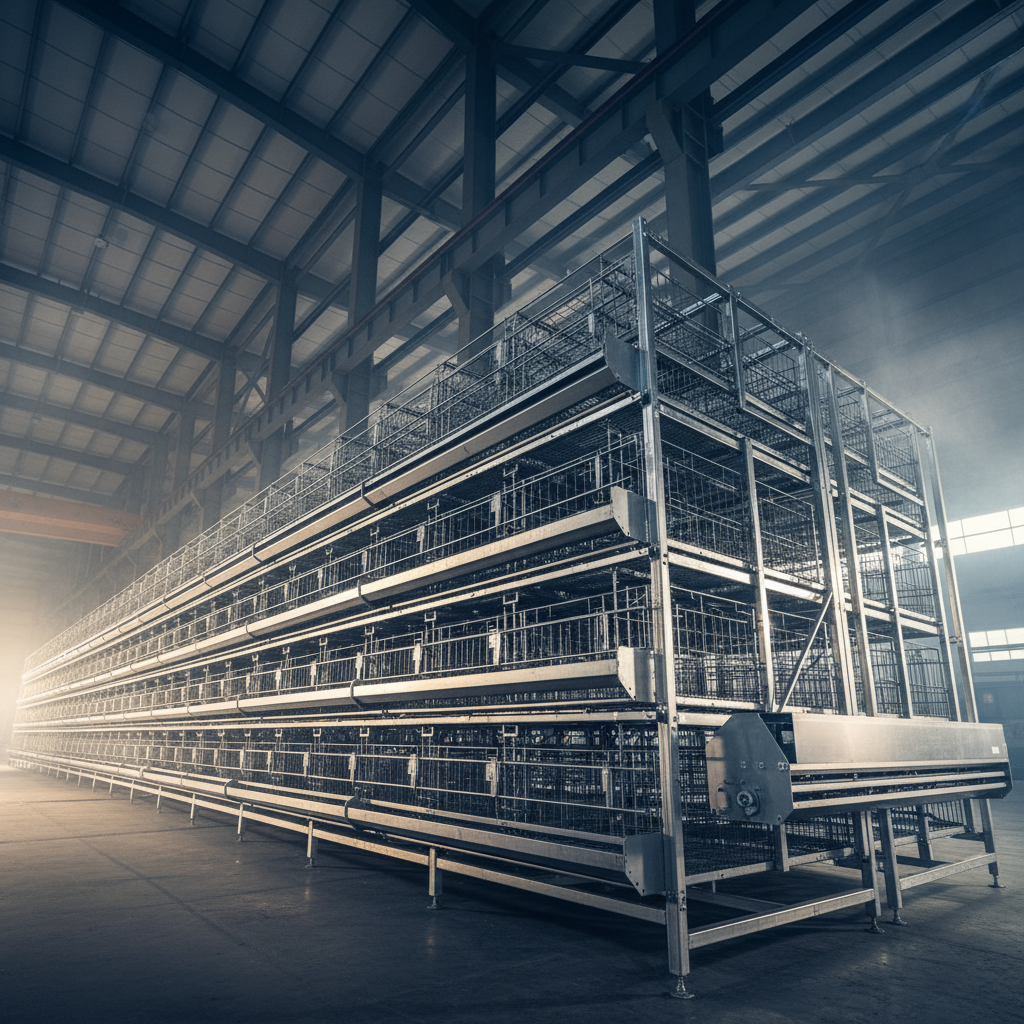
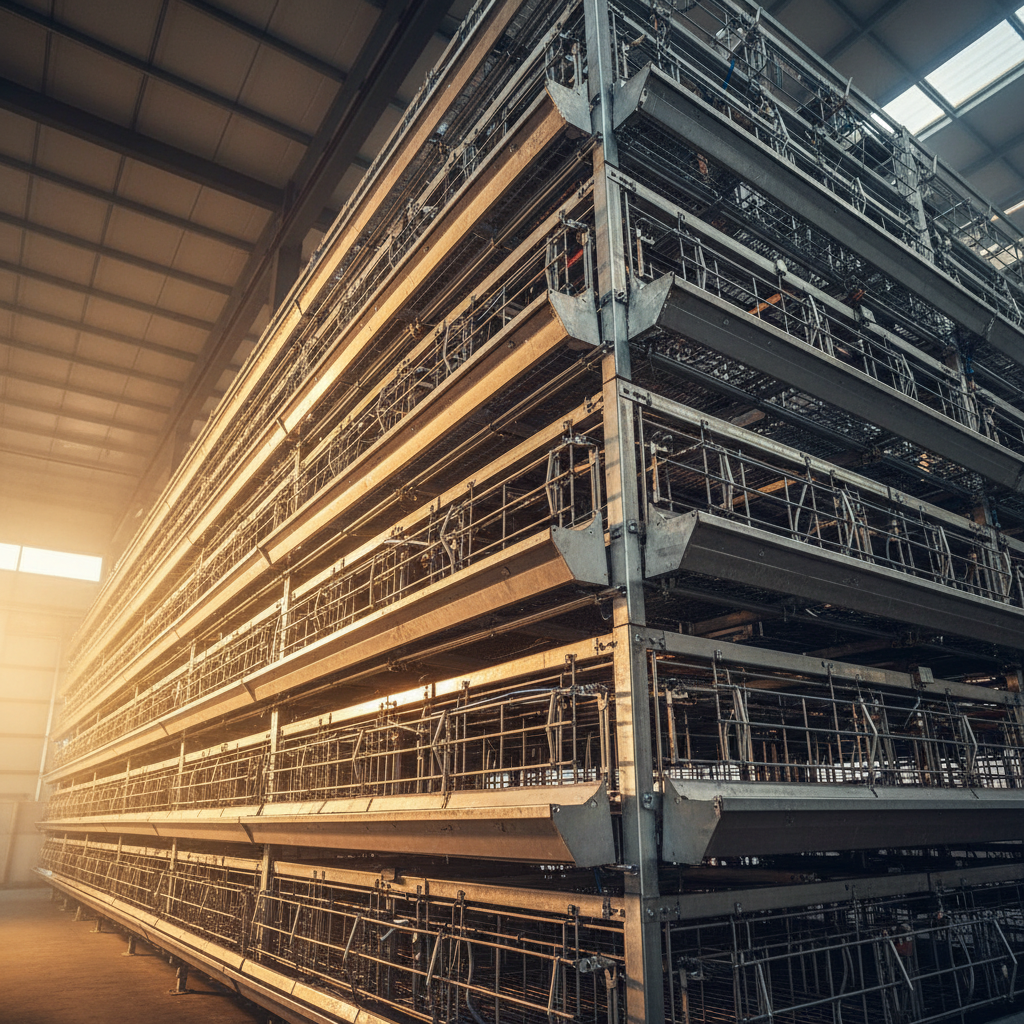
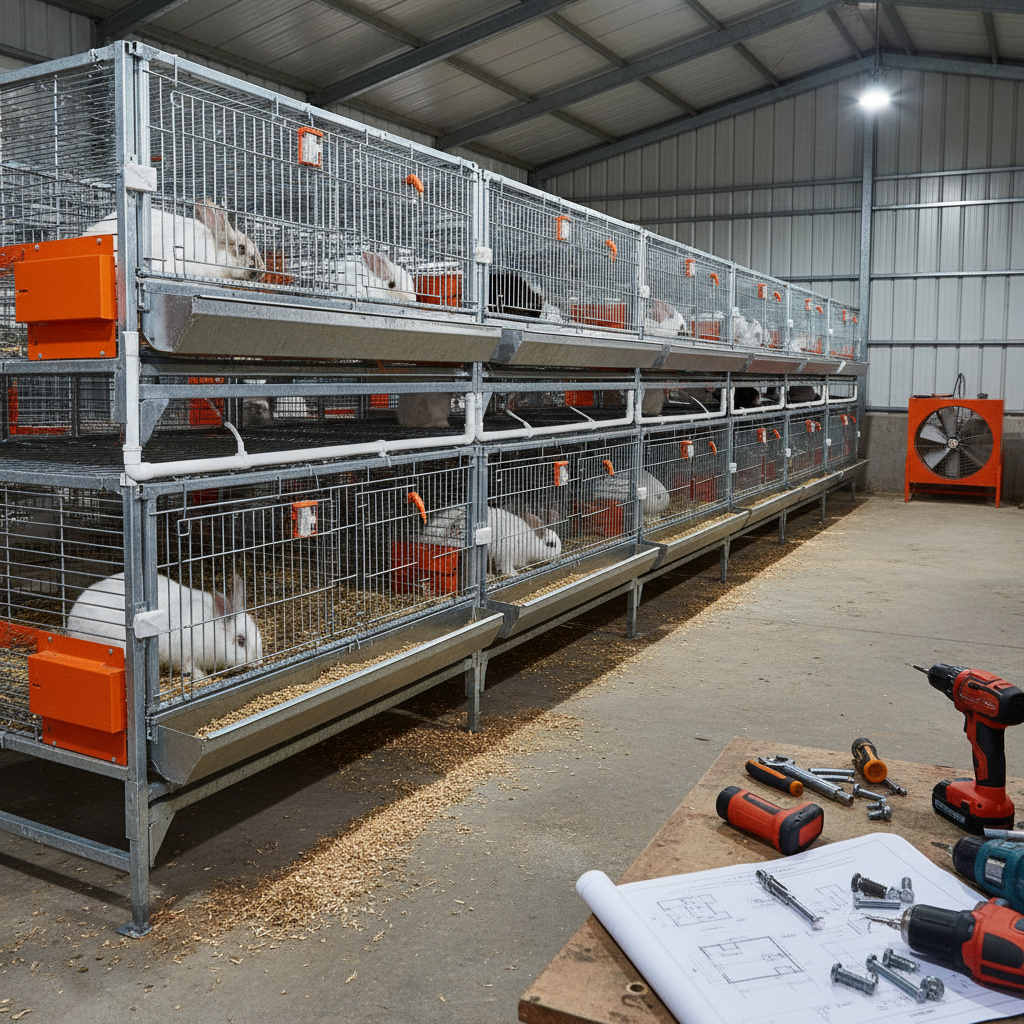
Modern broiler farming relies heavily on efficient and hygienic rearing systems, and broiler cage systems are central to achieving these goals. They provide a controlled environment that minimizes disease spread, reduces feed wastage, and optimizes space utilization. This is crucial in an industry where maximizing output while minimizing environmental impact is paramount.
The shift towards caged systems, particularly in large-scale operations, has significantly contributed to the increased affordability of chicken meat. By providing a more manageable environment for birds, farmers can reduce mortality rates and improve feed conversion ratios, ultimately lowering production costs and benefiting consumers.
Broiler cages offer several advantages over free-range systems, including improved biosecurity, reduced feed wastage, more efficient space utilization, and enhanced control over bird health. Caged systems allow for more consistent product quality and often lower production costs, making them a preferred choice for large-scale commercial operations. However, it's important to balance these benefits with animal welfare considerations, and enriched cages are becoming increasingly popular as a compromise.
Selecting the right broiler cage depends on several factors, including your budget, production goals, local regulations, and animal welfare standards. Consider the cage material (galvanized steel is common), dimensions, ventilation system, feeding and watering systems, and ease of cleaning. Enriched cages offer improved bird welfare but come at a higher cost. Assessing your specific needs and consulting with poultry farming experts can help you make the best choice.
A well-maintained broiler cage system, constructed from high-quality galvanized steel, can typically last for 10-15 years or even longer. Regular cleaning, disinfection, and prompt repair of any corrosion or damage are crucial for maximizing lifespan. Proper maintenance not only extends the system's life but also ensures optimal hygiene and reduces the risk of disease outbreaks.
Improving biosecurity in a broiler cage operation involves several key practices. These include strict control of access to the poultry house, thorough cleaning and disinfection of cages and equipment, proper waste management, and effective pest control. Implementing a robust biosecurity protocol minimizes the risk of disease outbreaks and ensures the health and productivity of your flock.
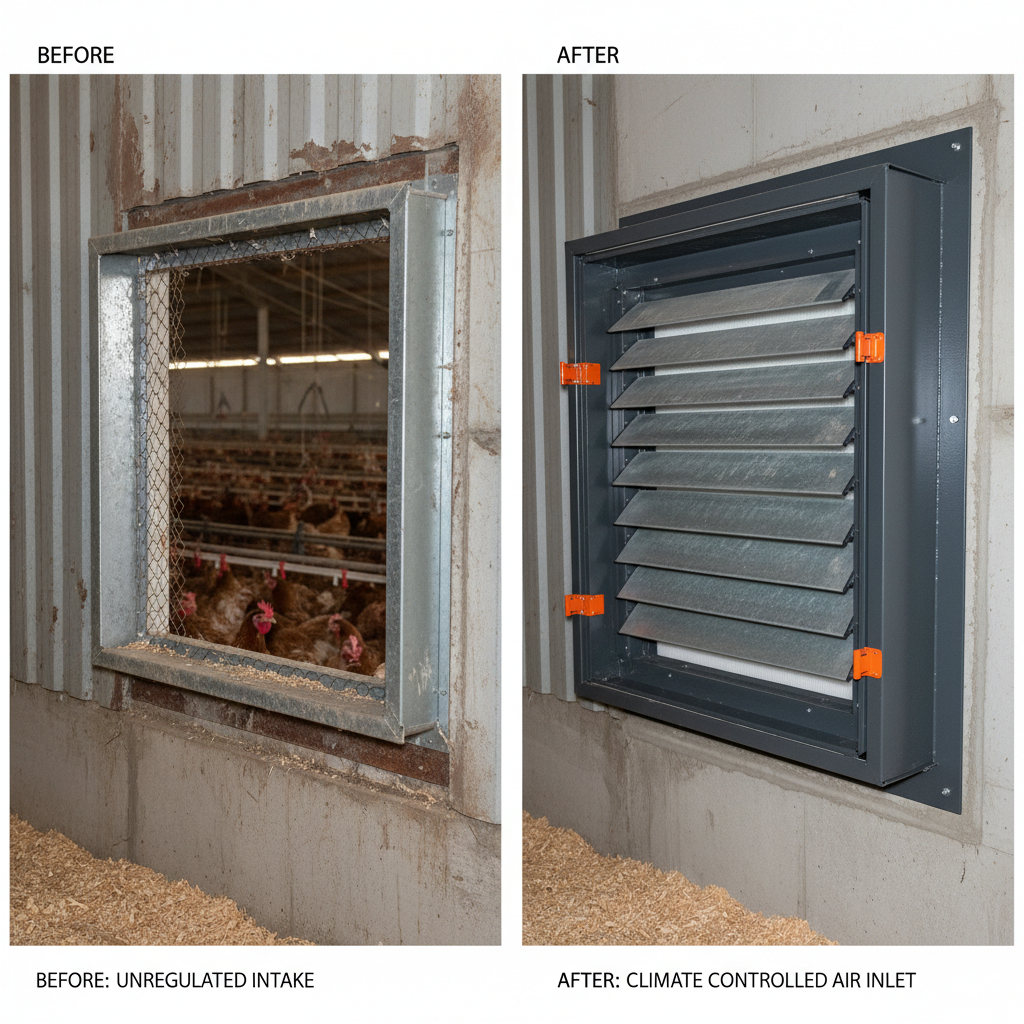
Recent innovations in broiler cage technology include the development of enriched cages that offer birds more space and environmental enrichment, automated feeding and watering systems, and the integration of sensors and data analytics for real-time monitoring of bird health and environmental conditions. These advancements aim to improve animal welfare, optimize efficiency, and reduce the environmental impact of broiler production.
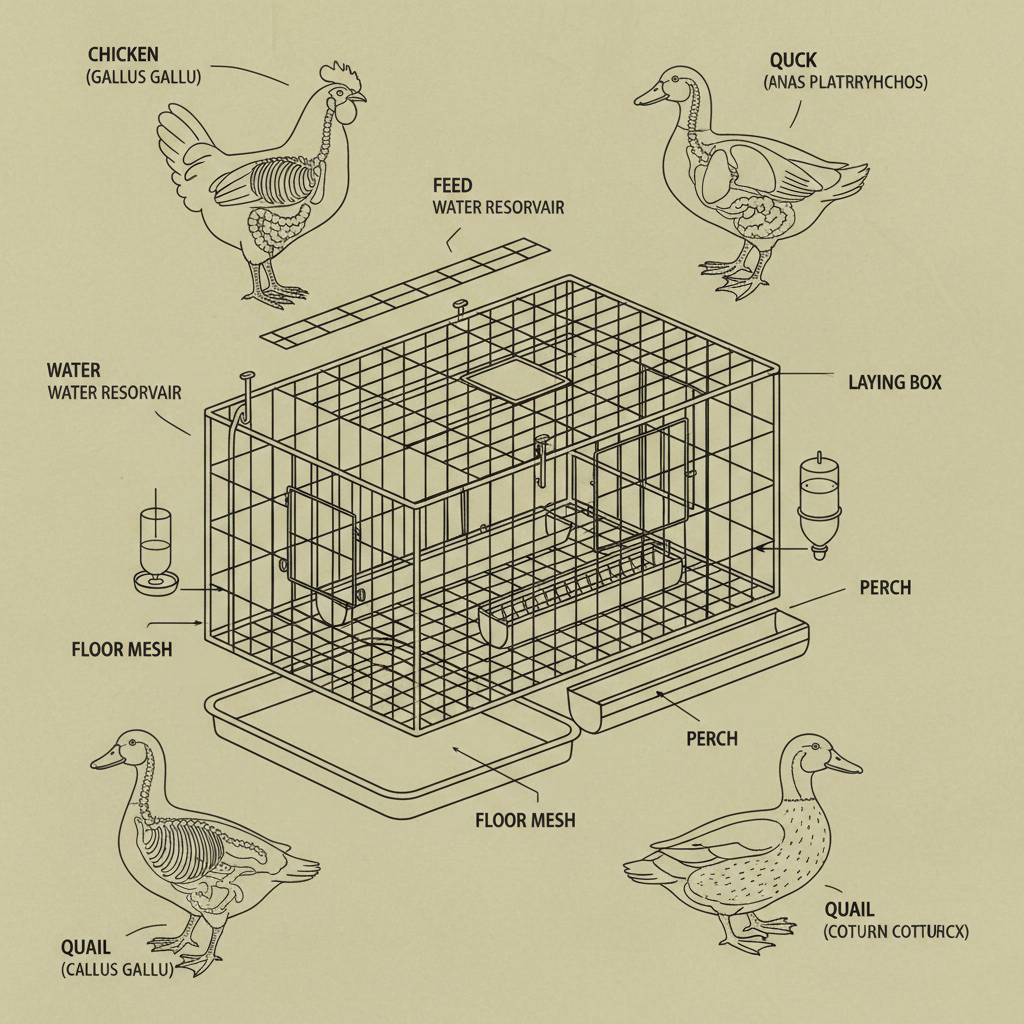
Broiler cage design significantly impacts bird welfare. Traditional cages offer limited space and restrict natural behaviors, leading to stress and potential health issues. Enriched cages, with features like perches, scratching areas, and dust-bathing zones, provide birds with more opportunities to express natural behaviors, improving their overall well-being. Space allowance, ventilation, and lighting are also critical factors in ensuring bird welfare within a cage system.
In conclusion, broiler cage systems remain a crucial component of the global poultry industry, providing efficient and cost-effective solutions for meat production. Understanding the nuances of cage design, material durability, and biosecurity protocols is essential for maximizing profitability and ensuring animal welfare. Continued innovation, particularly in the areas of enriched cages and automated technologies, will further enhance the sustainability and ethical aspects of broiler farming.
Looking ahead, a holistic approach that balances economic viability with environmental responsibility and animal well-being will be key to the long-term success of the broiler industry. Investing in research and development, adopting best practices, and promoting transparency in production processes will be vital for meeting the evolving demands of consumers and ensuring a sustainable food supply for future generations. Visit our website at www.yizemachine.com to learn more about our broiler cage solutions.






 Afrikaans
 Albanian
 Amharic
 Arabic
 Armenian
 Azerbaijani
 Basque
 Belarusian
 Bengali
 Bosnian
 Bulgarian
 Catalan
 Cebuano
 Corsican
 Croatian
 Czech
Czech
 Danish
 Dutch
Dutch
 Esperanto
 Estonian
 Finnish
 French
 Frisian
 Galician
 Georgian
 German
 Greek
Greek
 Gujarati
 Haitian Creole
 Hausa
Hausa
 Hawaiian
 Hebrew
 Hindi
Hindi
 Miao
Miao
 Hungarian
 Icelandic
 Igbo
Igbo
 Indonesian
 Irish
Irish
 Italian
 Japanese
 Javanese
 Kannada
 Kazakh
 Khmer
Khmer
 Rwandese
 Korean
 Kurdish
 Kyrgyz
 Lao
Lao
 Latin
Latin
 Latvian
 Lithuanian
 Luxembourgish
 Macedonian
 Malgashi
 Malay
Malay
 Malayalam
 Maltese
 Maori
Maori
 Marathi
 Mongolian
 Myanmar
 Nepali
 Norwegian
 Norwegian
 Occitan
 Pashto
 Persian
 Polish
 Portuguese
 Punjabi
 Romanian
 Russian
 Samoan
 Scottish Gaelic
 Serbian
 Sesotho
 Shona
Shona
 Sindhi
 Sinhala
 Slovak
 Slovenian
 Somali
 Spanish
 Sundanese
 Swahili
 Swedish
 Tagalog
 Tajik
Tajik
 Tamil
Tamil
 Tatar
Tatar
 Telugu
 Thai
Thai
 Turkish
 Turkmen
 Ukrainian
 Urdu
Urdu
 Uighur
 Uzbek
Uzbek
 Vietnamese
 Welsh
Welsh
 Bantu
Bantu
 Yiddish
 Yoruba
 English