Look, after running around construction sites all year, you start to see things. Trends come and go, but the basics? They stay the same. Right now, everyone's yelling about prefabrication, modular designs, trying to shave time off projects. Seems simple, right? It's not. It’s a whole different beast. To be honest, the push for speed sometimes leads to corners being cut. And that's where things get…interesting.
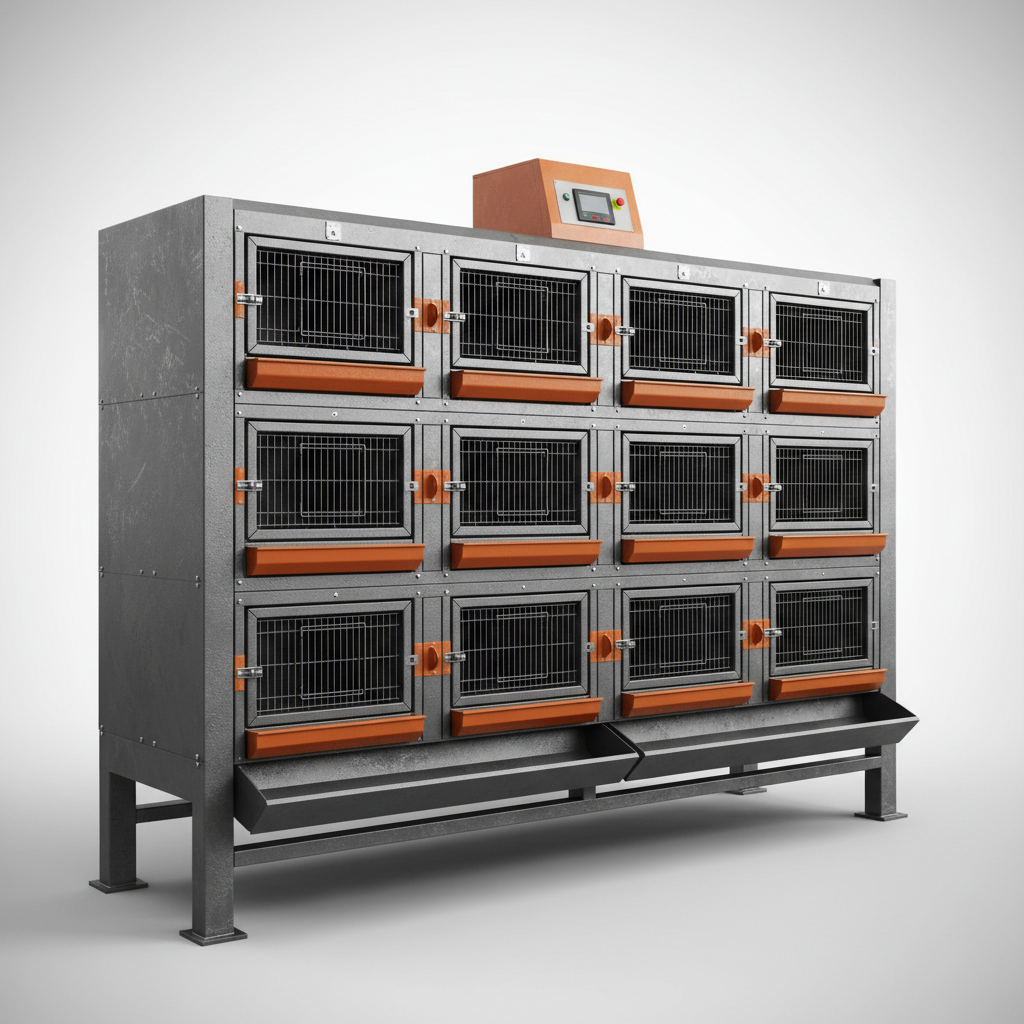
We’ve been doing a lot with poultry breeding cage lately, not the traditional stuff, but the newer, more adaptable systems. It’s a surprisingly hot market, you know? Demand's up, especially in areas looking for efficient, scalable solutions for large-scale poultry farming. It's not glamorous, but it's vital.
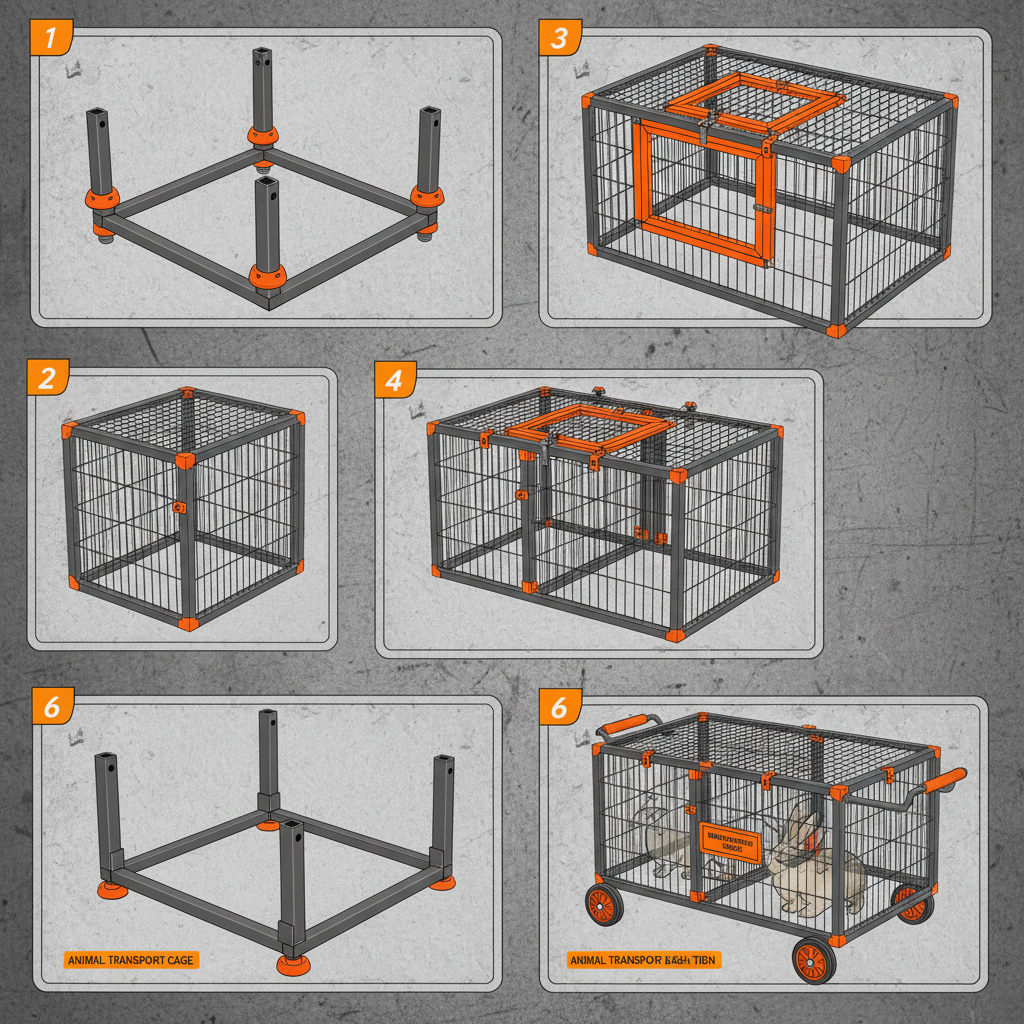
I’ve seen enough projects fail because someone thought they could "engineer" their way around practical realities. Like, have you noticed how many designs look great on paper but fall apart when a real worker tries to assemble them? It’s frustrating. Really frustrating.
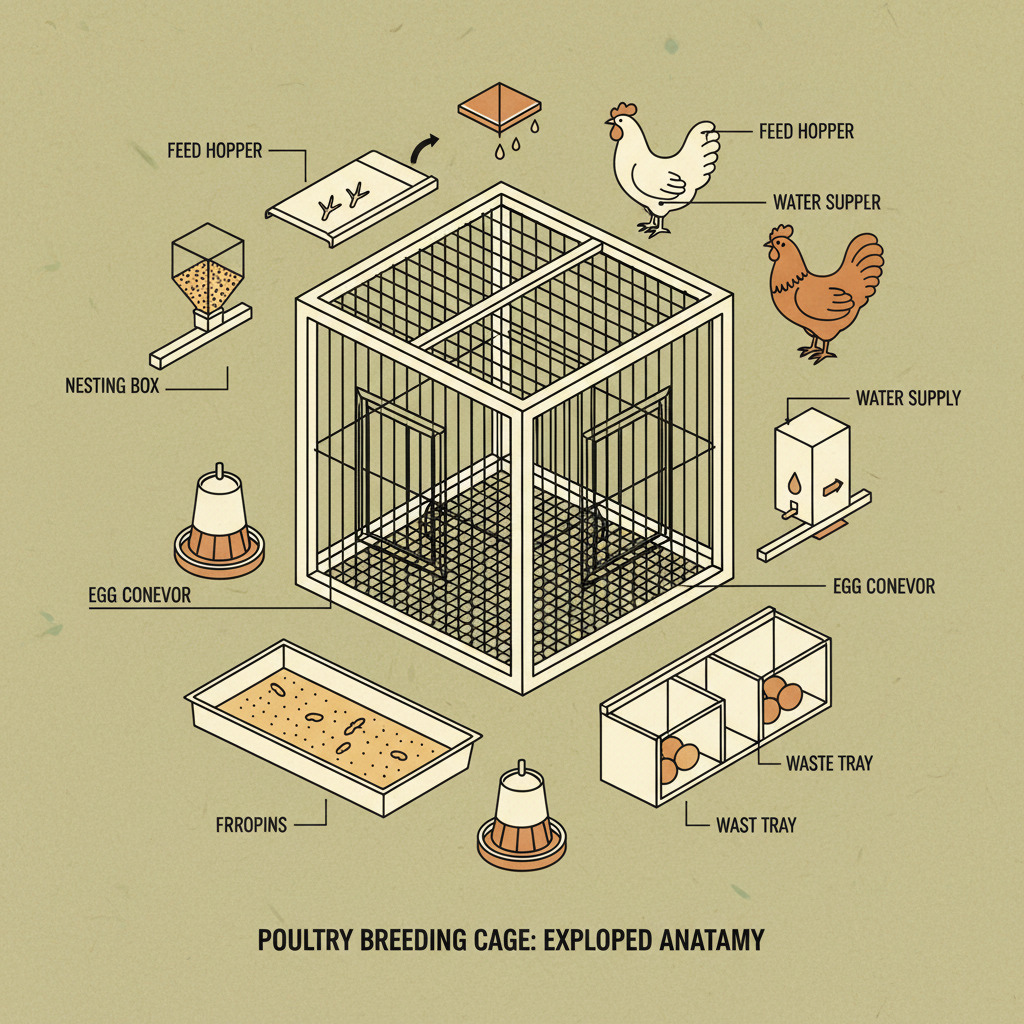
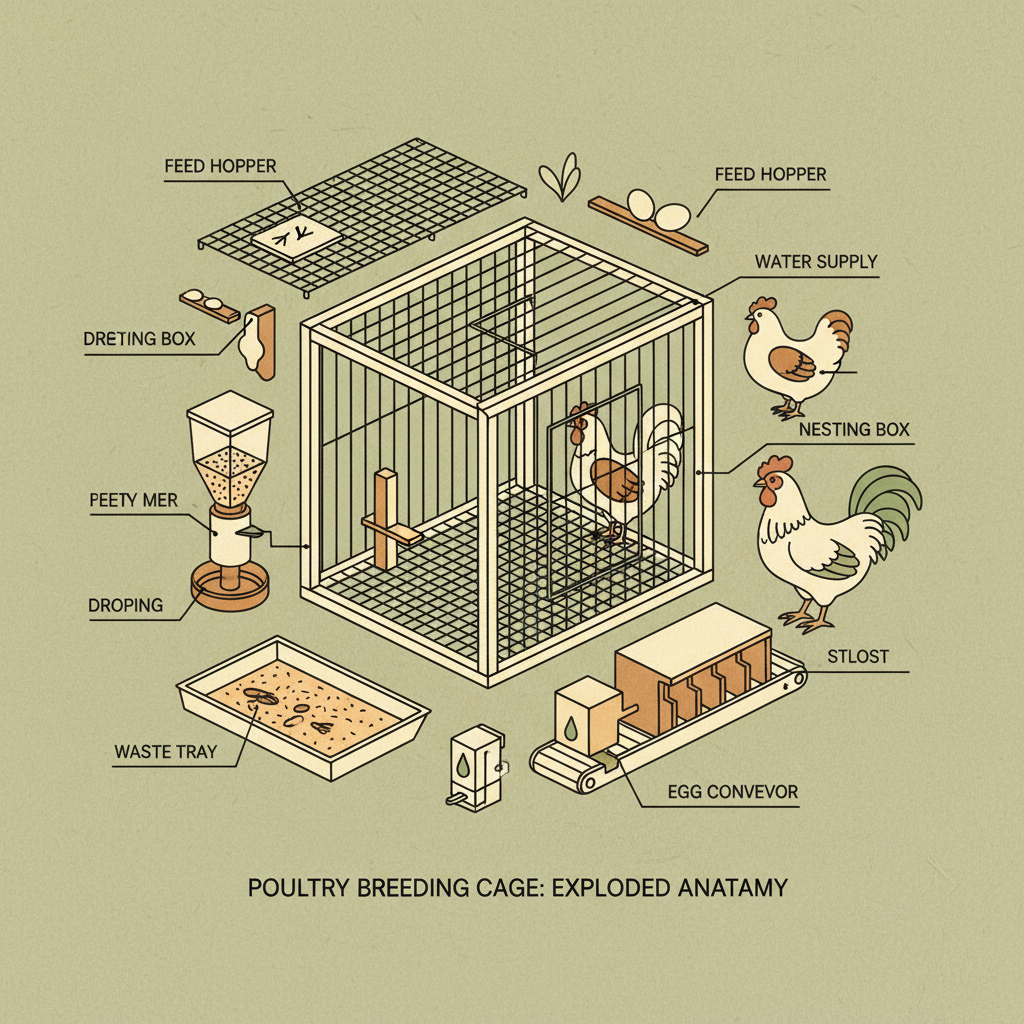
The big push right now is for automation, naturally. Everyone wants robots doing everything. But let me tell you, I encountered this at a factory in Jiangsu last time, the robots kept getting jammed because the cage designs weren't accounting for slight variations in material thickness. Strangely enough, a human could feel the difference and adjust, but the robot? No luck. The designs need to be… forgiving.
And this whole “minimalist” design trend? Looks clean, sure, but often means thinner gauge steel, fewer welds. Seems good for the budget upfront, but it doesn’t hold up. You’re looking at corrosion issues, structural fatigue… it’s just asking for trouble. Anyway, I think quality materials are worth the extra investment.
A well-maintained, heavy-duty galvanized steel poultry breeding cage can easily last 8-10 years, sometimes even longer. The lifespan is heavily influenced by the climate, cleaning practices, and the number of birds housed. Regular inspections and preventative maintenance, like re-galvanizing worn areas, can significantly extend its useful life. It's important to consider the long-term cost savings versus cheaper, less durable options.
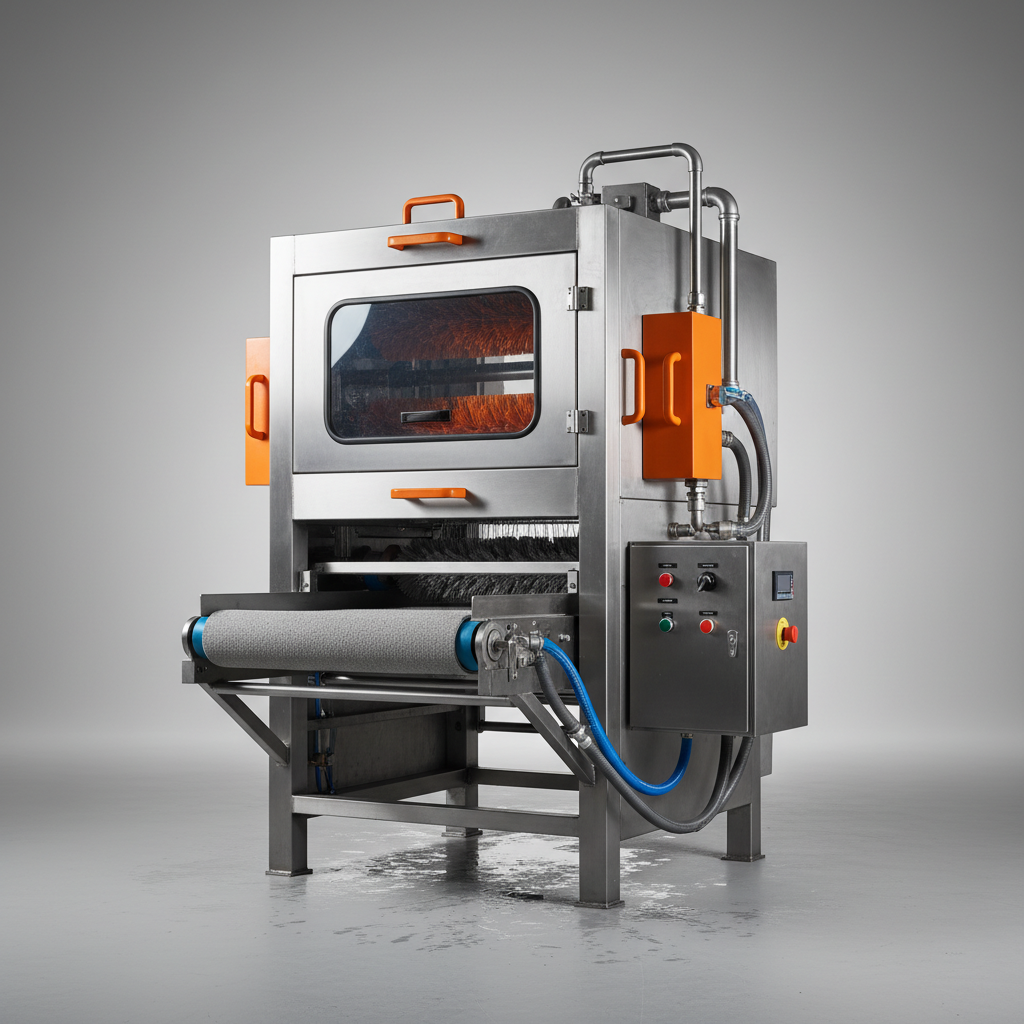
Ease of cleaning is crucial for biosecurity. Our cage designs prioritize smooth surfaces and accessible areas to minimize the buildup of manure and bacteria. We recommend using a combination of high-pressure washing and appropriate disinfectants regularly. The type of disinfectant depends on local regulations and the specific pathogens you're trying to control. Avoid harsh chemicals that can damage the cage materials.
Cage size requirements vary significantly based on the breed, age, and weight of the birds. Larger breeds, like broilers, need more space than smaller breeds, like layers. Overcrowding can lead to stress, reduced egg production, and increased susceptibility to disease. We offer a range of cage sizes and can provide recommendations based on your specific poultry operation. It’s always best to err on the side of more space rather than less.
Absolutely. We frequently work with customers integrating automated egg collection systems. Our cages can be modified to accommodate different types of conveyor belts, egg lifters, and sensors. We can also advise on the best cage layout to optimize automation efficiency. However, like that guy in Shenzhen with the … be prepared for potential challenges and added costs!
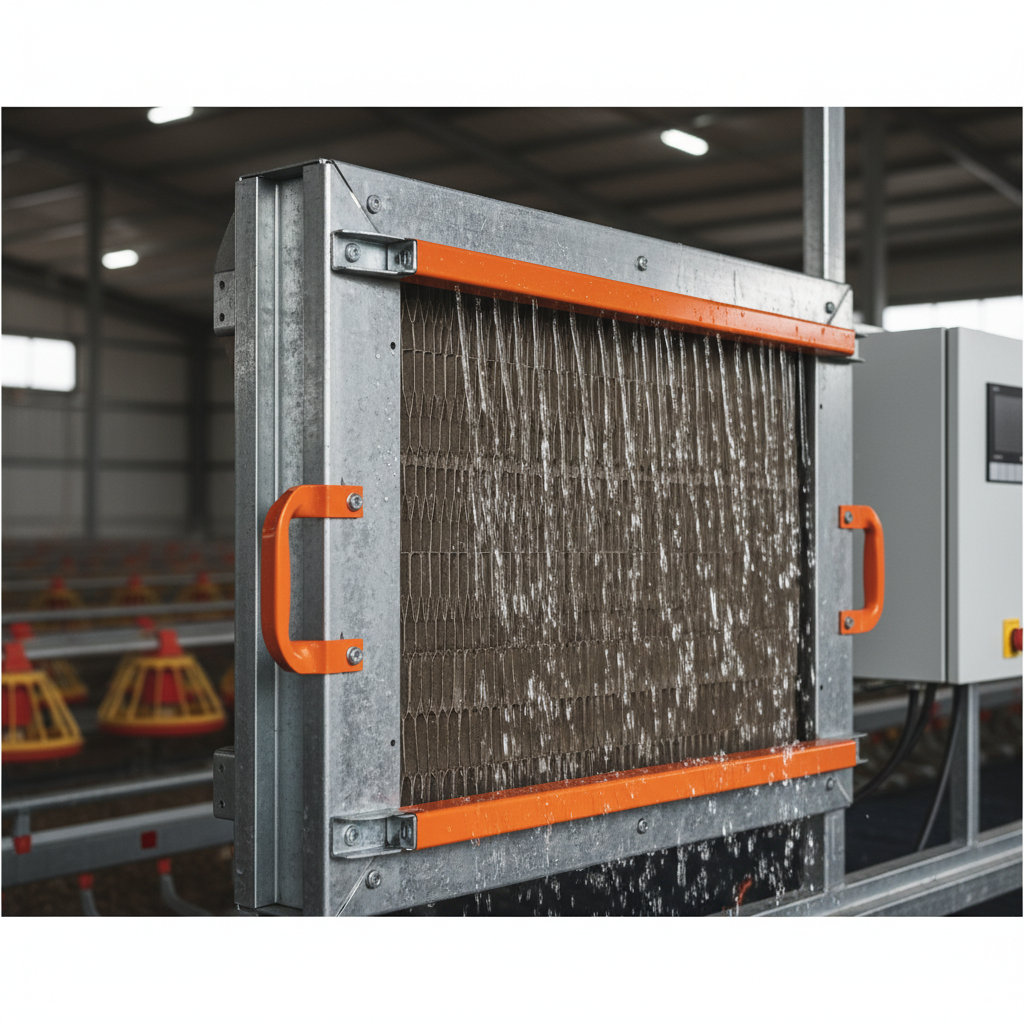
Proper ventilation is essential for maintaining air quality, removing moisture, and controlling temperature. Poor ventilation can lead to ammonia buildup, respiratory problems, and reduced bird performance. Key considerations include airflow rate, fan placement, and the design of inlets and outlets. It’s important to consider prevailing wind patterns and the overall layout of the poultry house. We can help you design a ventilation system that meets your specific needs.
While the initial investment in our cages may be higher than some cheaper alternatives, the long-term cost-effectiveness is significantly better. Our cages are built to last, require less maintenance, and improve bird health and productivity. Reduced mortality rates, increased egg production, and lower labor costs all contribute to a higher return on investment. We focus on providing quality and durability, which ultimately saves our customers money in the long run.
So, what does all this boil down to? Good poultry breeding cage, well-designed and properly installed, can dramatically improve the efficiency and profitability of a poultry operation. It's not just about housing birds; it’s about creating an environment that promotes their health, comfort, and productivity. It’s about understanding the practical realities of farm life and building solutions that actually work.
Ultimately, whether this thing works or not, the worker will know the moment he tightens the screw. If it feels solid, if it’s easy to assemble, if it’s built to last… then we’ve done our job right. And if it doesn’t? Well, we go back to the drawing board. Because at the end of the day, it’s not about the fancy designs or the marketing hype; it’s about building something that stands up to the real world.






 Afrikaans
 Albanian
 Amharic
 Arabic
 Armenian
 Azerbaijani
 Basque
 Belarusian
 Bengali
 Bosnian
 Bulgarian
 Catalan
 Cebuano
 Corsican
 Croatian
 Czech
Czech
 Danish
 Dutch
Dutch
 Esperanto
 Estonian
 Finnish
 French
 Frisian
 Galician
 Georgian
 German
 Greek
Greek
 Gujarati
 Haitian Creole
 Hausa
Hausa
 Hawaiian
 Hebrew
 Hindi
Hindi
 Miao
Miao
 Hungarian
 Icelandic
 Igbo
Igbo
 Indonesian
 Irish
Irish
 Italian
 Japanese
 Javanese
 Kannada
 Kazakh
 Khmer
Khmer
 Rwandese
 Korean
 Kurdish
 Kyrgyz
 Lao
Lao
 Latin
Latin
 Latvian
 Lithuanian
 Luxembourgish
 Macedonian
 Malgashi
 Malay
Malay
 Malayalam
 Maltese
 Maori
Maori
 Marathi
 Mongolian
 Myanmar
 Nepali
 Norwegian
 Norwegian
 Occitan
 Pashto
 Persian
 Polish
 Portuguese
 Punjabi
 Romanian
 Russian
 Samoan
 Scottish Gaelic
 Serbian
 Sesotho
 Shona
Shona
 Sindhi
 Sinhala
 Slovak
 Slovenian
 Somali
 Spanish
 Sundanese
 Swahili
 Swedish
 Tagalog
 Tajik
Tajik
 Tamil
Tamil
 Tatar
Tatar
 Telugu
 Thai
Thai
 Turkish
 Turkmen
 Ukrainian
 Urdu
Urdu
 Uighur
 Uzbek
Uzbek
 Vietnamese
 Welsh
Welsh
 Bantu
Bantu
 Yiddish
 Yoruba
 English