
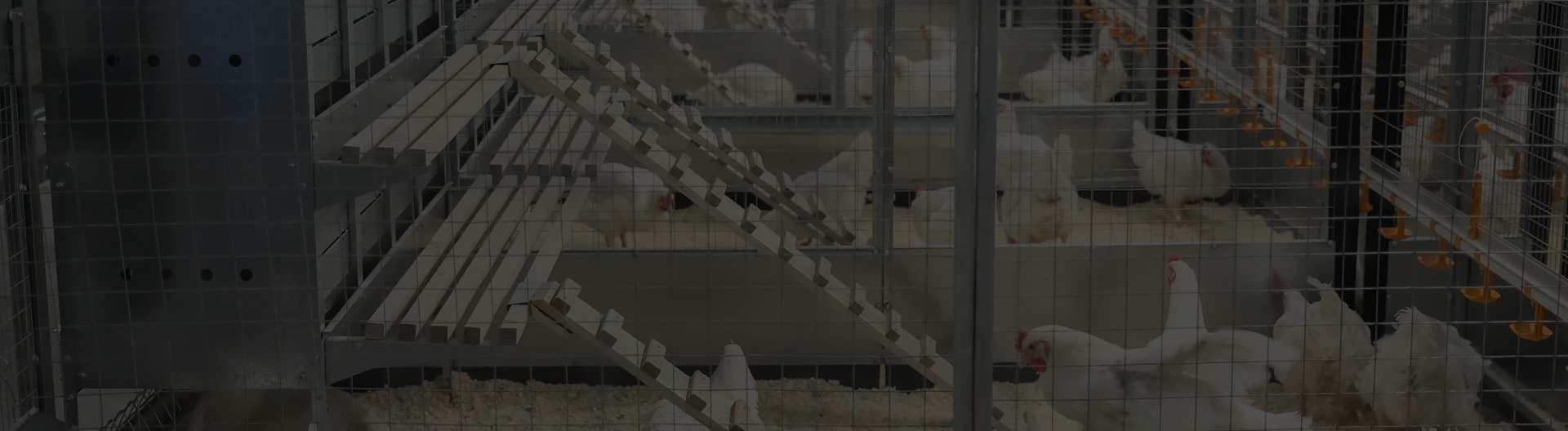
Efficient Manure Scrapper System for Modern Livestock Farms
Jan . 03, 2026 03:25 Back to list
Efficient Manure Scrapper System for Modern Livestock Farms
Understanding the Manure Scrapper System in Modern Livestock Farming
Having spent over a decade in the industrial equipment field, especially revolving around agricultural setups, I can tell you that manure scrapper system technology has seen some remarkable evolution. It’s one of those unsung heroes on farms that keeps the environment cleaner and the animals healthier — frankly, without it, the whole process gets messy, literally.
You know, early in my career, I encountered many farms that still relied on manual cleaning, which was not just laborious, but often ineffective. The advent of automated scrapper systems revolutionized this routine. These systems run along barn floors, gathering manure and directing it to disposal points — reducing odors and preventing the spread of bacteria.
In real terms, the design of these scrappers is elegantly simple but tough as nails. Most units use stainless steel or heavy-grade polyurethane blades. That combination ensures durability against constant abrasion and exposure to corrosive elements. It’s kind of a balancing act: you want something rigid enough to scrape effectively but flexible enough to avoid damage to the barn floors.
Over the years, manufacturers have refined their systems to include customizable speeds, blade types, and even integrated sensors that monitor manure levels — quite high-tech stuff. I was surprised to learn how a single system can be tailored depending on barn size, livestock type, and even regional regulations.
Here’s a quick glance at a typical manure scrapper system’s specs to get you grounded in what you might expect:
| Feature | Specification |
|---|---|
| Motor Power | 0.75 – 1.5 kW |
| Blade Material | Stainless Steel / Polyurethane |
| Scraper Width | 3 - 15 meters (customizable) |
| Speed | 5 – 15 meters/min |
| Control System | Automated with manual override |
When it comes to choosing the right vendor, I often counsel clients to look beyond price tags. Different suppliers offer varying warranties, installation support, and custom engineering options — factors that matter a lot once you get the system up and running. Oddly enough, it’s the after-sales support that makes a huge difference in long-term satisfaction.
Here’s a handy vendor comparison I put together based on real industry feedback and specs:
| Vendor | Warranty | Customization | Support Availability | Price Range |
|---|---|---|---|---|
| Yize Machine | 2 years | High (custom specs available) | 24/7 online & phone | $$$ |
| AgriClean | 1 year | Medium | Business hours only | $$ |
| BarnScrape Inc. | 3 years | Low | Limited phone support | $$$ |
I once worked with a dairy farmer in the Midwest who upgraded to a high-quality scrapper from the brand linked above. They reported fewer labor hours spent on cleaning and a noticeable improvement in herd health due to drier floors. It feels like those small improvements make a huge cumulative difference over a year or two of operation.
As a final thought — while manure scrapper systems might not be the flashiest machinery on a farm, they’re a prime example of how solid engineering combined with good design solves everyday challenges. If you’re scouting for something that combines efficiency, reliability, and long-term savings, this equipment deserves a serious look.
For more on this and related systems, don’t hesitate to explore the options at Yize Machine — they are leaders in this niche for good reason.
Cheers to cleaner barns and happier livestock!
References:
1. Industry reports on livestock waste management, 2023
2. Manufacturer technical manuals, Yize Machine (2024)
3. Customer testimonials from Midwest farms, 2022-2023
-
Professional Mini Poultry Cage for Efficient Small Scale Farming
NewsApr.16,2026
-
Optimizing Poultry Production with Advanced Cage System Poultry
NewsApr.09,2026
-
Optimizing Layer Poultry Cages for Efficient and Profitable Egg Production
NewsApr.07,2026
-
Comprehensive Guide to Poultry Cages for Layers and Modern Farming Solutions
NewsApr.04,2026
-
Comprehensive Guide to Optimizing Poultry Laying Cages for Egg Production
NewsMar.31,2026
-
Maximize Egg Production with Efficient Poultry Layer Cage Systems
NewsMar.28,2026





 Afrikaans
 Albanian
 Amharic
 Arabic
 Armenian
 Azerbaijani
 Basque
 Belarusian
 Bengali
 Bosnian
 Bulgarian
 Catalan
 Cebuano
 Corsican
 Croatian
 Czech
Czech
 Danish
 Dutch
Dutch
 Esperanto
 Estonian
 Finnish
 French
 Frisian
 Galician
 Georgian
 German
 Greek
Greek
 Gujarati
 Haitian Creole
 Hausa
Hausa
 Hawaiian
 Hebrew
 Hindi
Hindi
 Miao
Miao
 Hungarian
 Icelandic
 Igbo
Igbo
 Indonesian
 Irish
Irish
 Italian
 Japanese
 Javanese
 Kannada
 Kazakh
 Khmer
Khmer
 Rwandese
 Korean
 Kurdish
 Kyrgyz
 Lao
Lao
 Latin
Latin
 Latvian
 Lithuanian
 Luxembourgish
 Macedonian
 Malgashi
 Malay
Malay
 Malayalam
 Maltese
 Maori
Maori
 Marathi
 Mongolian
 Myanmar
 Nepali
 Norwegian
 Norwegian
 Occitan
 Pashto
 Persian
 Polish
 Portuguese
 Punjabi
 Romanian
 Russian
 Samoan
 Scottish Gaelic
 Serbian
 Sesotho
 Shona
Shona
 Sindhi
 Sinhala
 Slovak
 Slovenian
 Somali
 Spanish
 Sundanese
 Swahili
 Swedish
 Tagalog
 Tajik
Tajik
 Tamil
Tamil
 Tatar
Tatar
 Telugu
 Thai
Thai
 Turkish
 Turkmen
 Ukrainian
 Urdu
Urdu
 Uighur
 Uzbek
Uzbek
 Vietnamese
 Welsh
Welsh
 Bantu
Bantu
 Yiddish
 Yoruba
 English