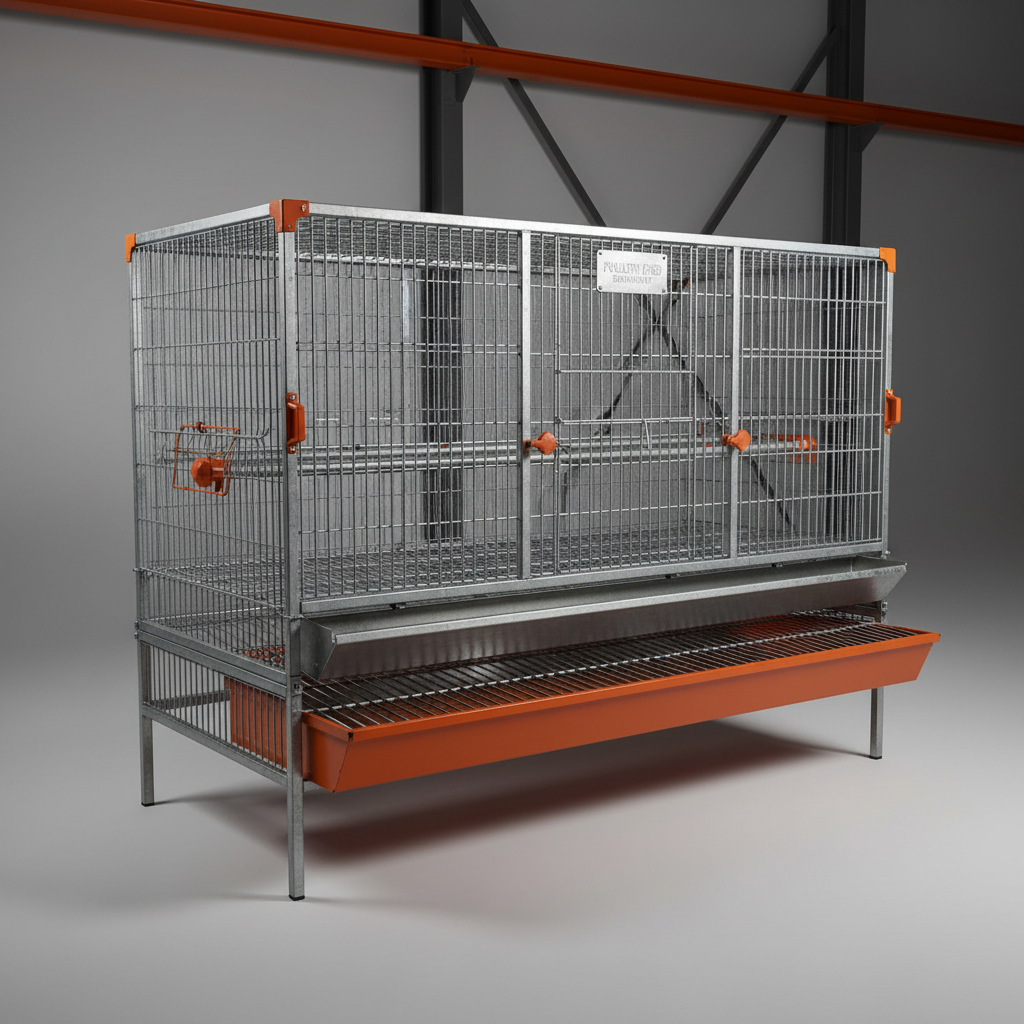
The modern livestock industry is undergoing a significant transition toward vertical integration and spatial optimization, where the stackable rabbit cage has emerged as a cornerstone for efficient breeding. By utilizing vertical space, farmers can exponentially increase their animal capacity without expanding their physical real estate, making it an essential tool for both small-scale hobbyists and large commercial operations.
Implementing a high-quality stacking system is not merely about saving space; it is about enhancing the overall hygiene and management of the colony. A well-designed stackable rabbit cage allows for integrated waste management systems and streamlined feeding processes, which directly correlate to lower labor costs and healthier livestock.
Understanding the nuances of these systems—from material durability to ventilation dynamics—is crucial for any producer aiming to maximize yield while maintaining animal welfare. As global demand for lean protein rises, the adoption of precision-engineered housing solutions becomes a strategic necessity rather than a luxury.
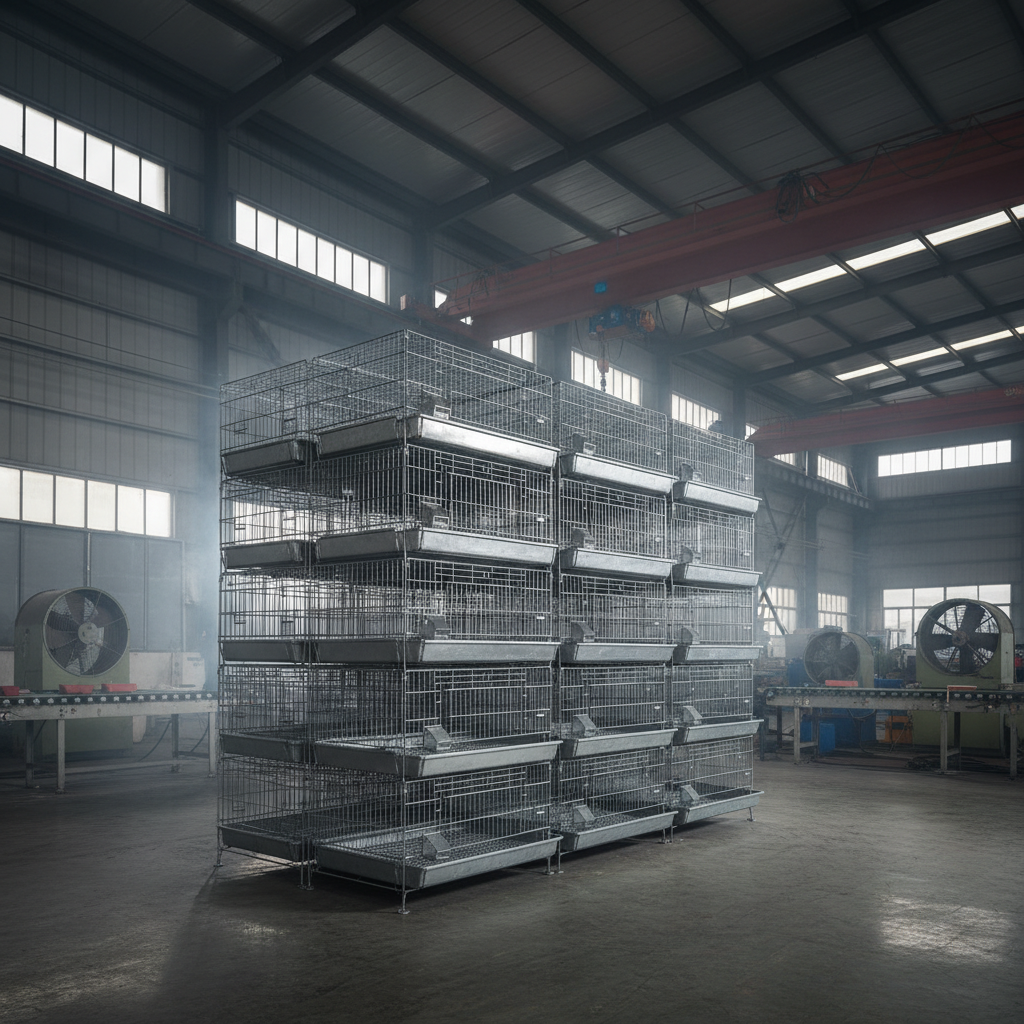
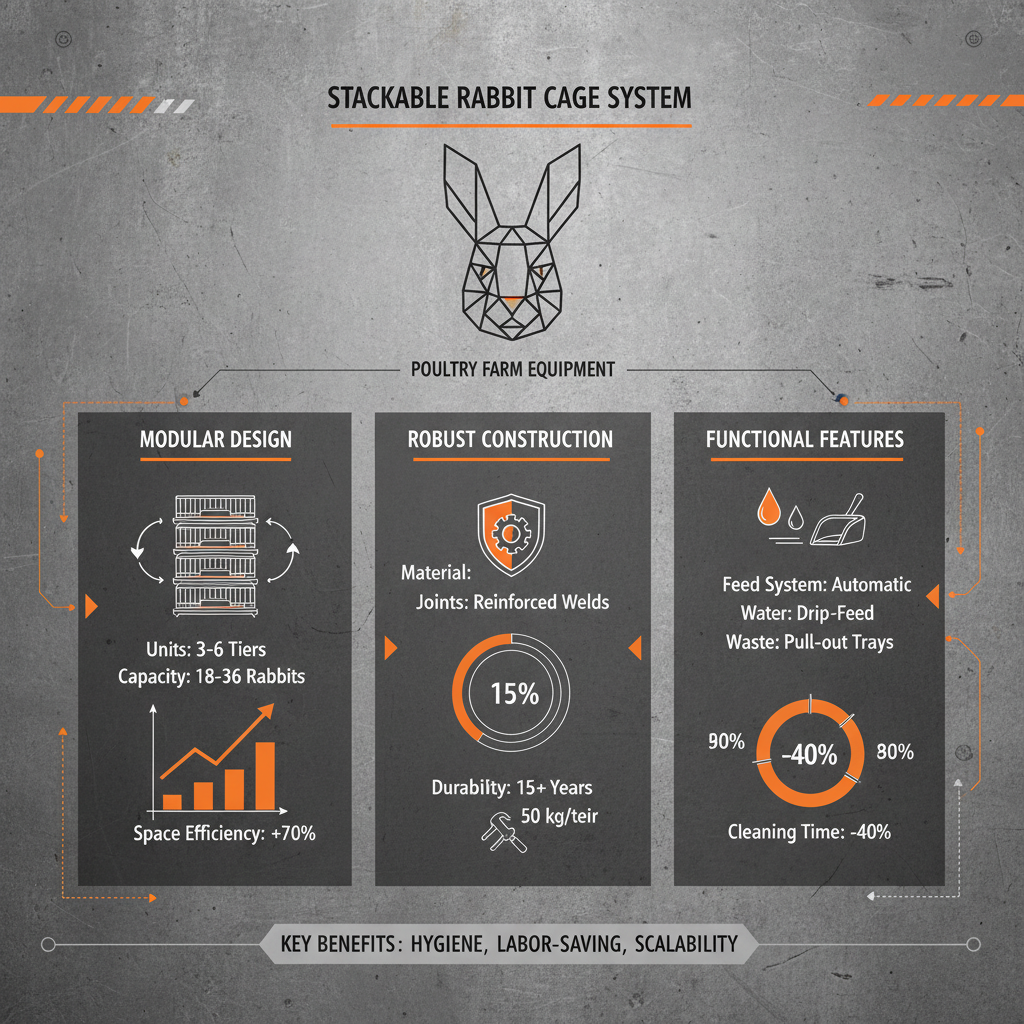
Across the globe, the pressure on agricultural land is increasing, forcing producers to look upward rather than outward. The stackable rabbit cage addresses this crisis by enabling high-density farming that complies with modern land-use regulations. In regions like Europe and Asia, where land costs are prohibitive, vertical housing allows for the commercial viability of cuniculture.
Furthermore, international standards for animal husbandry are shifting toward systems that minimize soil contamination. By lifting the animals off the ground using a stacking architecture, farmers can implement precise waste collection, reducing the environmental footprint and aligning with global sustainability goals set by agricultural oversight bodies.
For most commercial operations, 3 to 5 tiers are recommended. This balance allows for maximum space utilization while ensuring that the top cages remain accessible for daily feeding and health checks without requiring ladders or specialized lifting equipment. Beyond 5 tiers, ventilation can become a challenge, requiring forced-air systems.
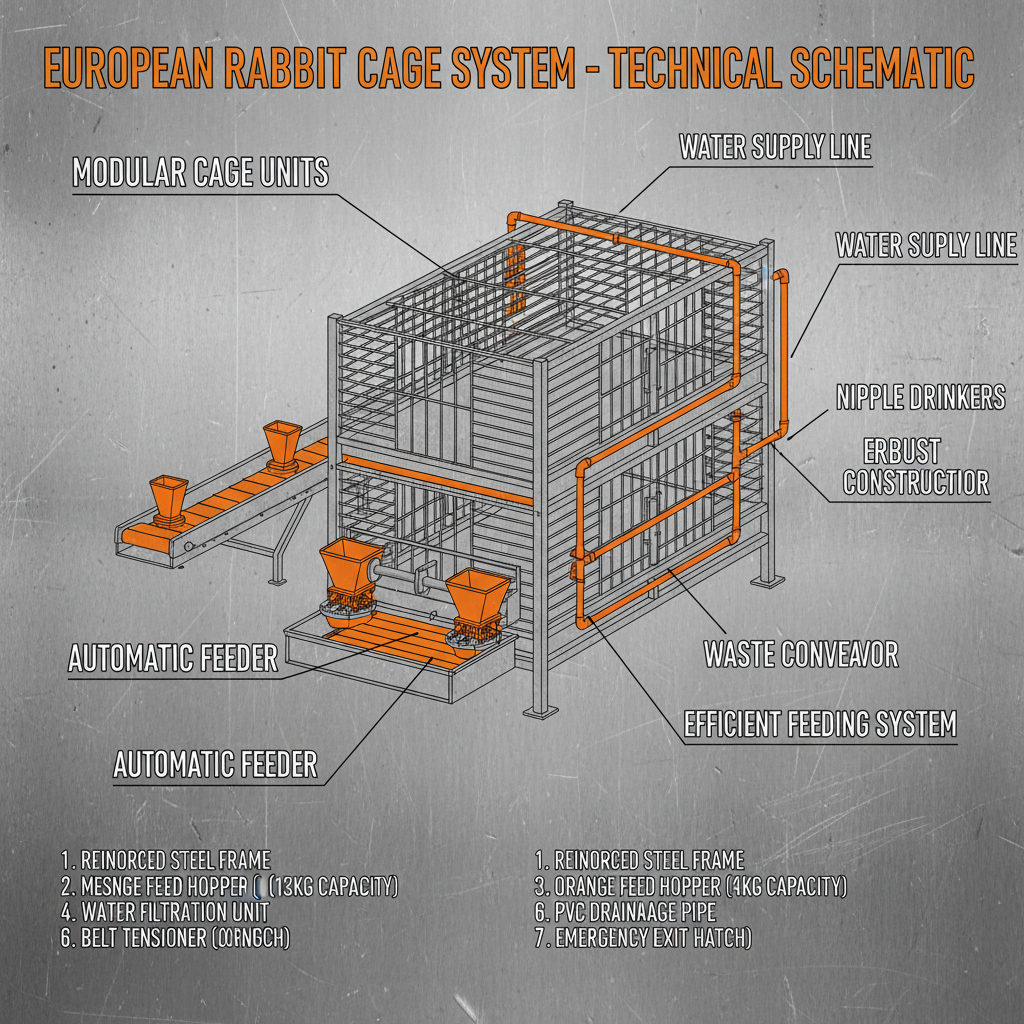
Yes, most professional stackable rabbit cage systems are designed with nipple-drinker integration. A central PVC or stainless steel line runs vertically or horizontally across the tiers, ensuring a constant supply of fresh water. This reduces labor and prevents the water contamination common with open bowls.
The key is a robust waste management system. Quality cages feature deep-sloped floors and high-capacity waste trays or a continuous conveyor belt system. By ensuring a tight seal between the cage floor and the tray, urine and droppings are channeled away from the rabbits and the lower tiers.
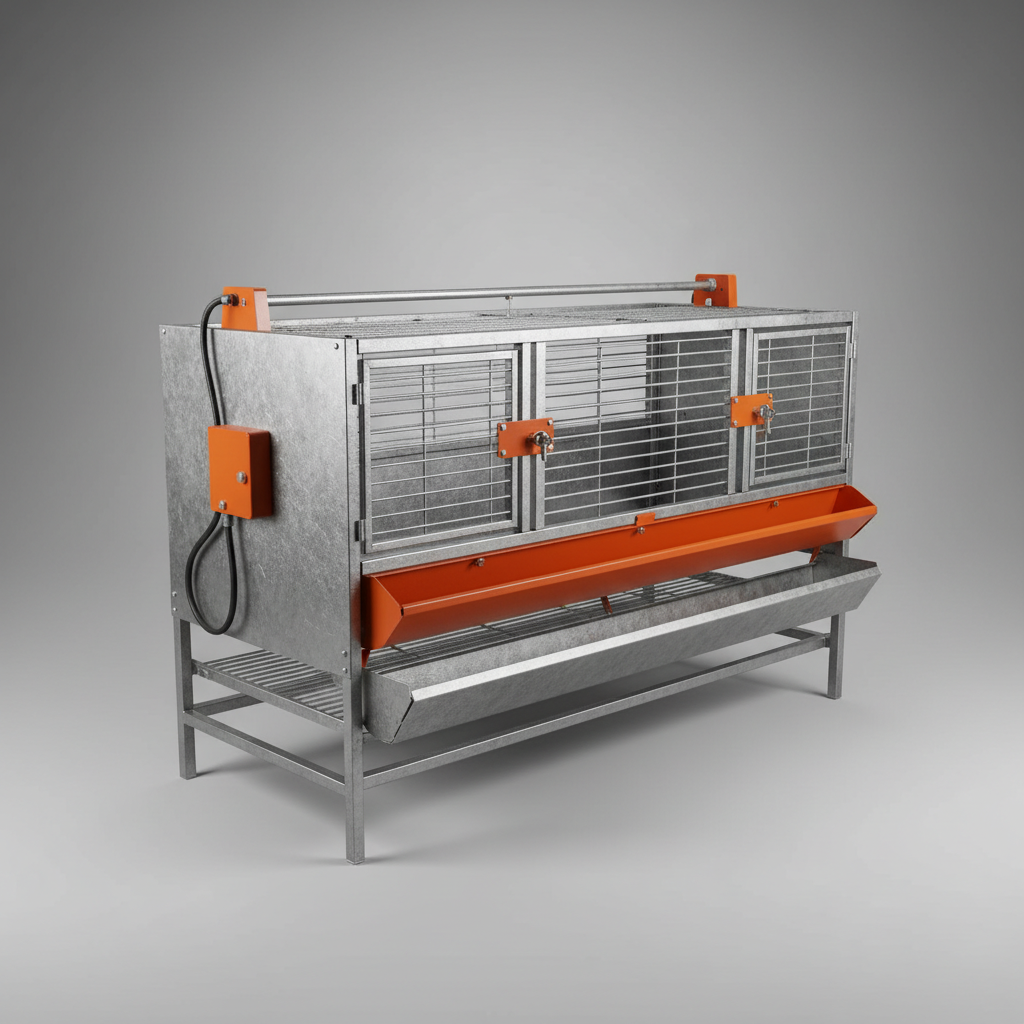
They are suitable for both, but breeding does require specific modifications. For does, we recommend cages with larger dimensions and integrated nesting boxes. The stackable nature allows you to dedicate specific tiers to maternity, while using tighter configurations for growers and bucks.
Depending on the environment and maintenance, a high-quality galvanized steel system typically lasts 10 to 15 years. Regular cleaning and the occasional application of anti-corrosive sprays on joints can extend this lifespan significantly, making it a highly cost-effective long-term investment.
Yes, reputable manufacturers offer modular options. Whether you are raising Giant Flemish or smaller Netherland Dwarfs, you can select cage dimensions that ensure the animals have enough room to move and stand, maintaining welfare standards while still benefiting from the stackable architecture.
Looking forward, the integration of automation and IoT will continue to refine the efficiency of these systems, turning rabbit farms into precision-managed facilities. For any producer looking to scale their business or improve their animal welfare standards, investing in a professional, modular stacking system is the most logical step toward sustainable growth. Visit our website for more professional solutions: www.yizemachine.com






 Afrikaans
 Albanian
 Amharic
 Arabic
 Armenian
 Azerbaijani
 Basque
 Belarusian
 Bengali
 Bosnian
 Bulgarian
 Catalan
 Cebuano
 Corsican
 Croatian
 Czech
Czech
 Danish
 Dutch
Dutch
 Esperanto
 Estonian
 Finnish
 French
 Frisian
 Galician
 Georgian
 German
 Greek
Greek
 Gujarati
 Haitian Creole
 Hausa
Hausa
 Hawaiian
 Hebrew
 Hindi
Hindi
 Miao
Miao
 Hungarian
 Icelandic
 Igbo
Igbo
 Indonesian
 Irish
Irish
 Italian
 Japanese
 Javanese
 Kannada
 Kazakh
 Khmer
Khmer
 Rwandese
 Korean
 Kurdish
 Kyrgyz
 Lao
Lao
 Latin
Latin
 Latvian
 Lithuanian
 Luxembourgish
 Macedonian
 Malgashi
 Malay
Malay
 Malayalam
 Maltese
 Maori
Maori
 Marathi
 Mongolian
 Myanmar
 Nepali
 Norwegian
 Norwegian
 Occitan
 Pashto
 Persian
 Polish
 Portuguese
 Punjabi
 Romanian
 Russian
 Samoan
 Scottish Gaelic
 Serbian
 Sesotho
 Shona
Shona
 Sindhi
 Sinhala
 Slovak
 Slovenian
 Somali
 Spanish
 Sundanese
 Swahili
 Swedish
 Tagalog
 Tajik
Tajik
 Tamil
Tamil
 Tatar
Tatar
 Telugu
 Thai
Thai
 Turkish
 Turkmen
 Ukrainian
 Urdu
Urdu
 Uighur
 Uzbek
Uzbek
 Vietnamese
 Welsh
Welsh
 Bantu
Bantu
 Yiddish
 Yoruba
 English