The global egg industry is a cornerstone of food security, providing a vital protein source for billions worldwide. However, ensuring egg quality and efficiency requires sophisticated processing, and that’s where the egg grading machine plays a crucial role. These machines automate the process of sorting eggs based on weight, size, and internal quality, maximizing yield and minimizing waste in a rapidly growing market.
Demand for eggs is continually rising, fueled by population growth and increasing awareness of their nutritional benefits. This escalating demand places immense pressure on producers to optimize their operations. An efficient egg grading machine isn’t merely a convenience; it's a necessity for maintaining competitiveness and meeting consumer expectations in a world increasingly focused on food safety and quality.
Understanding the capabilities and advancements in egg grading technology is paramount for stakeholders across the entire supply chain, from producers and processors to retailers and consumers. Investing in the right equipment can significantly impact profitability, sustainability, and the overall integrity of the egg industry.
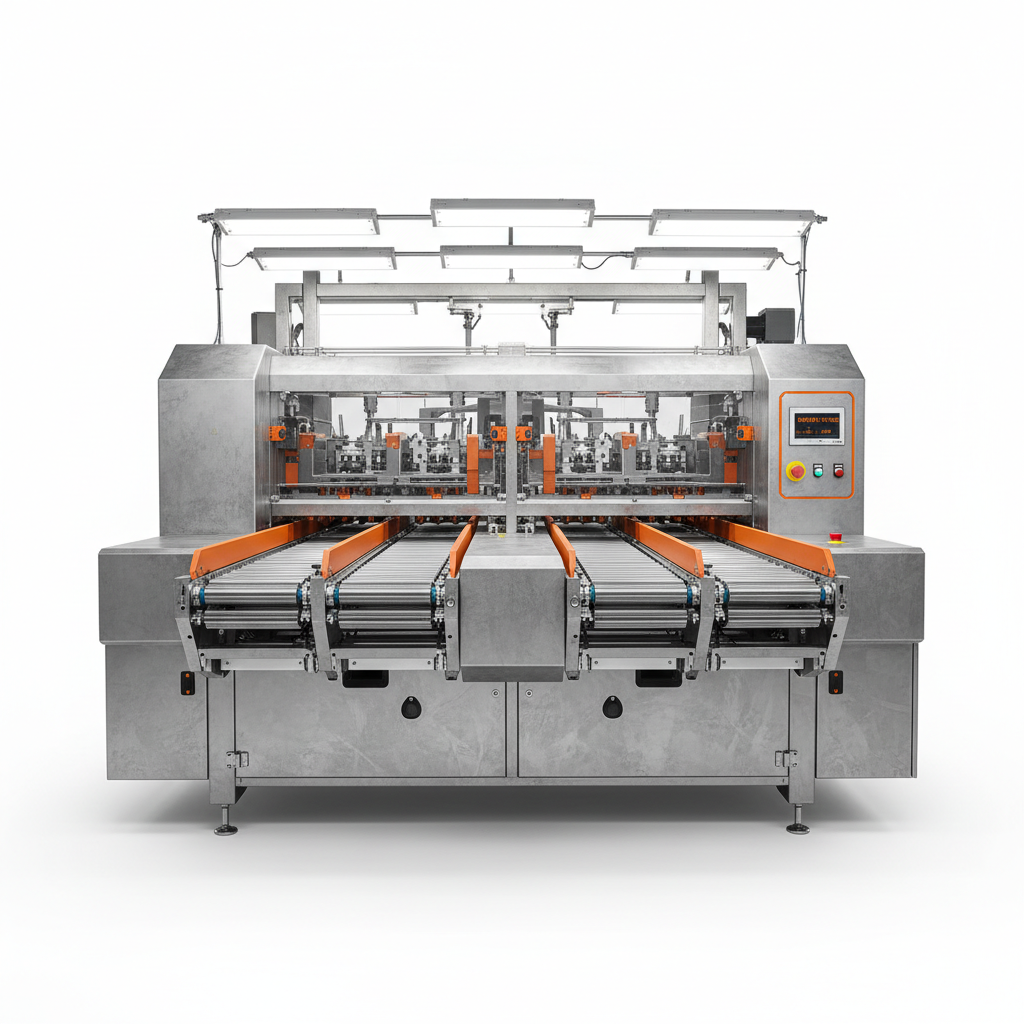
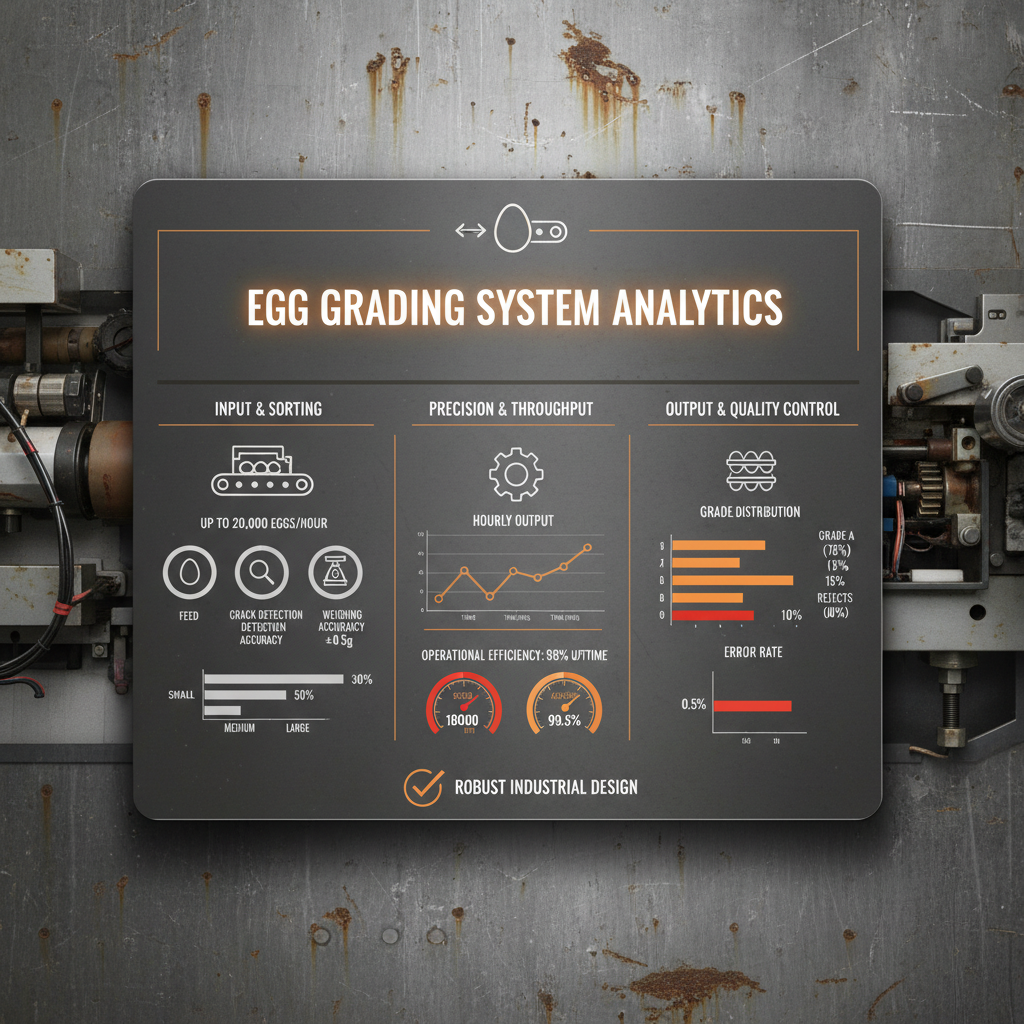
The efficient sorting of eggs is critical to maximizing profitability for producers. An egg grading machine automates a process that would otherwise require significant manual labor, reducing costs and increasing throughput. This is particularly important in large-scale egg production facilities where volume is high and consistency is paramount.
Beyond economic benefits, egg grading contributes significantly to food safety. By identifying and removing eggs with cracks, deformities, or internal defects, these machines prevent substandard products from reaching consumers, upholding industry standards, and building consumer trust.
The payback period for an egg grading machine typically ranges from 18 months to 5 years, depending on the scale of the operation, the level of automation, and the existing labor costs. Factors like increased throughput, reduced egg breakage, and decreased labor requirements all contribute to a faster return on investment. A detailed cost-benefit analysis specific to your operation is highly recommended.
Modern egg grading machines are designed for relatively low maintenance. Routine tasks include cleaning, lubrication, and periodic inspection of belts and sensors. Preventative maintenance schedules, as outlined in the machine’s manual, are crucial. More complex repairs should be performed by qualified technicians. Remote diagnostics are increasingly available, allowing for proactive troubleshooting.
Automation levels vary widely. Basic machines offer automated weighing and sizing, while advanced models incorporate robotic egg handling, automatic candling/vision systems, and self-cleaning capabilities. Fully automated systems can handle the entire grading process with minimal human intervention, resulting in significantly increased efficiency.
Yes, most egg grading machines are designed to accommodate a range of egg sizes, from small to jumbo. Some machines also have adjustable settings for different egg types, such as brown or white eggs. It's important to specify your egg size and type requirements when selecting a machine to ensure compatibility.
Safety is paramount. Modern machines incorporate features like emergency stop buttons, safety guards to prevent access to moving parts, and automatic shut-off mechanisms. Compliance with relevant safety standards is essential. Proper operator training is also crucial to ensure safe operation.
Most egg grading machines are designed to integrate seamlessly with existing conveyor systems and egg packing equipment. Compatibility is typically achieved through standard conveyor belt widths and adjustable output heights. Proper planning and coordination are crucial to ensure a smooth integration process. Custom integration solutions are also available.
In conclusion, the egg grading machine is far more than a simple piece of equipment. It is a vital component of a modern, efficient, and safe egg production system. From increasing throughput and reducing labor costs to enhancing food safety and meeting stringent quality standards, the benefits are undeniable. Investing in the right machine is a strategic decision that can significantly impact the long-term success of any egg production operation.
As the demand for eggs continues to grow, the need for advanced grading technology will only become more critical. By embracing innovation and staying abreast of the latest advancements, producers can ensure they remain competitive in a dynamic market. For further information and to explore the latest egg grading machine solutions, visit our website today.






 Afrikaans
 Albanian
 Amharic
 Arabic
 Armenian
 Azerbaijani
 Basque
 Belarusian
 Bengali
 Bosnian
 Bulgarian
 Catalan
 Cebuano
 Corsican
 Croatian
 Czech
Czech
 Danish
 Dutch
Dutch
 Esperanto
 Estonian
 Finnish
 French
 Frisian
 Galician
 Georgian
 German
 Greek
Greek
 Gujarati
 Haitian Creole
 Hausa
Hausa
 Hawaiian
 Hebrew
 Hindi
Hindi
 Miao
Miao
 Hungarian
 Icelandic
 Igbo
Igbo
 Indonesian
 Irish
Irish
 Italian
 Japanese
 Javanese
 Kannada
 Kazakh
 Khmer
Khmer
 Rwandese
 Korean
 Kurdish
 Kyrgyz
 Lao
Lao
 Latin
Latin
 Latvian
 Lithuanian
 Luxembourgish
 Macedonian
 Malgashi
 Malay
Malay
 Malayalam
 Maltese
 Maori
Maori
 Marathi
 Mongolian
 Myanmar
 Nepali
 Norwegian
 Norwegian
 Occitan
 Pashto
 Persian
 Polish
 Portuguese
 Punjabi
 Romanian
 Russian
 Samoan
 Scottish Gaelic
 Serbian
 Sesotho
 Shona
Shona
 Sindhi
 Sinhala
 Slovak
 Slovenian
 Somali
 Spanish
 Sundanese
 Swahili
 Swedish
 Tagalog
 Tajik
Tajik
 Tamil
Tamil
 Tatar
Tatar
 Telugu
 Thai
Thai
 Turkish
 Turkmen
 Ukrainian
 Urdu
Urdu
 Uighur
 Uzbek
Uzbek
 Vietnamese
 Welsh
Welsh
 Bantu
Bantu
 Yiddish
 Yoruba
 English