
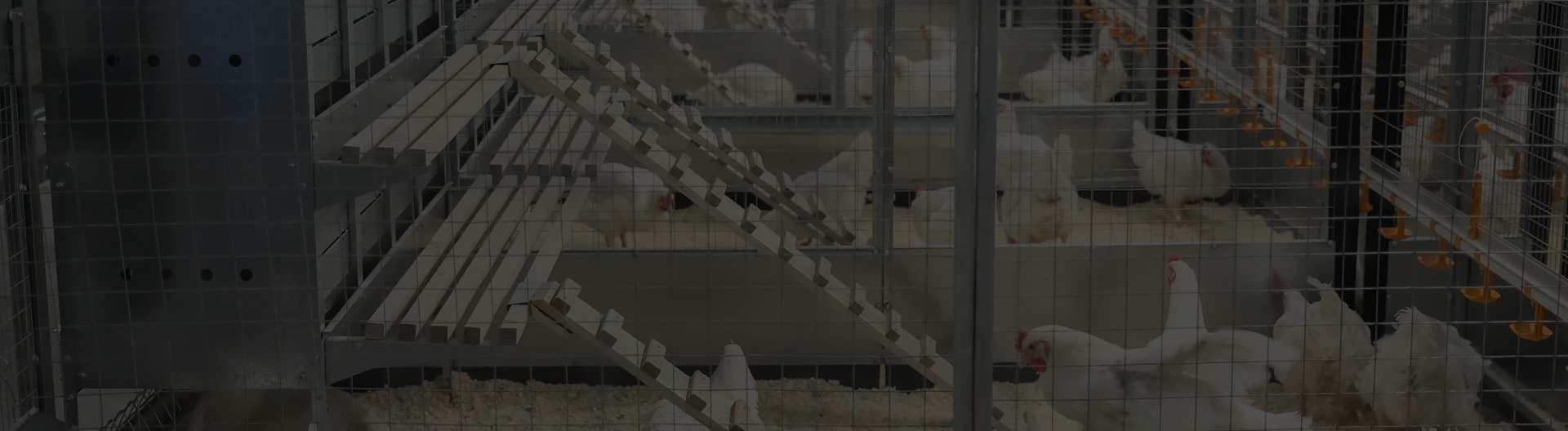
Designing the Perfect Pig Pen House for Optimal Animal Wellbeing and Farm Productivity
Feb . 27, 2026 01:55 Back to list
Designing the Perfect Pig Pen House for Optimal Animal Wellbeing and Farm Productivity
The Ultimate Guide to Pig Pen Houses: Design, Benefits & Considerations
Providing a safe, comfortable, and enriching environment for your pigs is paramount to their wellbeing and your farm’s success. A well-designed pig pen house isn't just shelter; it’s a vital component of efficient and humane pig farming. This article will explore the benefits, design elements, and key considerations when choosing or building a pig pen house. Whether you're a seasoned farmer or just starting out, understanding the nuances of pig housing will contribute to healthier, happier pigs and a more productive operation.
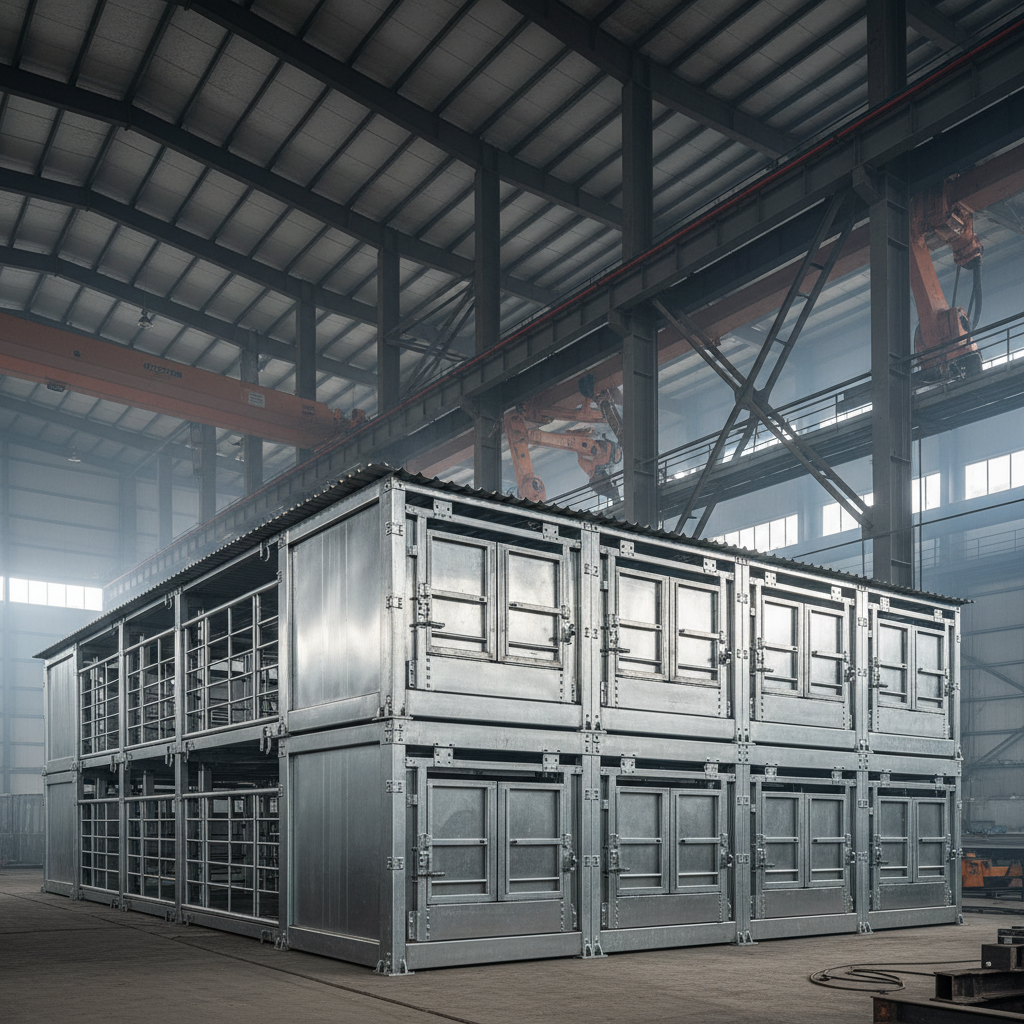
Why Invest in a Dedicated Pig Pen House?
Traditionally, pigs were often left to roam relatively freely. However, modern pig farming practices emphasize the benefits of dedicated housing. A well-constructed pig pen house offers significant advantages including protection from harsh weather conditions – be it intense heat, biting cold, rain, or snow. This protection translates to reduced stress on the animals and lower mortality rates. Furthermore, it allows for better control over the pig’s environment, contributing to improved hygiene and reduced disease transmission. Effective housing also facilitates easier management of the pigs, streamlining feeding, cleaning, and health monitoring.
Key Benefits: Protection from weather, Reduced stress & mortality, Improved hygiene & disease control, Easier management.
Essential Design Considerations for Pig Pen Houses
Designing an effective pig pen house requires careful consideration of several factors. Ventilation is critical to remove harmful gases like ammonia and maintain air quality. Adequate space is essential to prevent overcrowding and associated stress. Flooring should be durable, easy to clean, and provide good footing for the pigs. Insulation is crucial in colder climates to maintain a comfortable temperature, and shading is equally important in hotter regions. Finally, the structural integrity of the building must be robust enough to withstand the weight and activity of the pigs.
Key Design Elements:
• Ventilation for air quality
• Adequate space to prevent stress
• Durable and easy-to-clean flooring
• Insulation and shading for temperature control
Pig Pen House Materials: A Comparative Overview
Selecting the right materials is crucial for a durable and cost-effective pig pen house. Common materials include wood, concrete, metal, and plastic. Each material has its pros and cons. Wood is relatively inexpensive but requires regular maintenance and is susceptible to rot. Concrete is durable but can be cold and uncomfortable for pigs. Metal is strong and long-lasting, but can be expensive and prone to corrosion. Plastic is lightweight and easy to clean, but may not be as strong as other materials. Considering your budget, climate, and pig management style will guide your material selection.
Optimizing Space within the Pig Pen House
Space allocation is critical for pig welfare and productivity. Overcrowding leads to stress, aggression, and increased disease transmission. Generally, pigs need sufficient space to lie down comfortably, stand up, and move around freely. The amount of space required will vary depending on the age and size of the pigs. Weaning pigs require less space than growing or finishing pigs. Proper planning within the pig pen house should also consider separate areas for feeding, resting, and waste management.
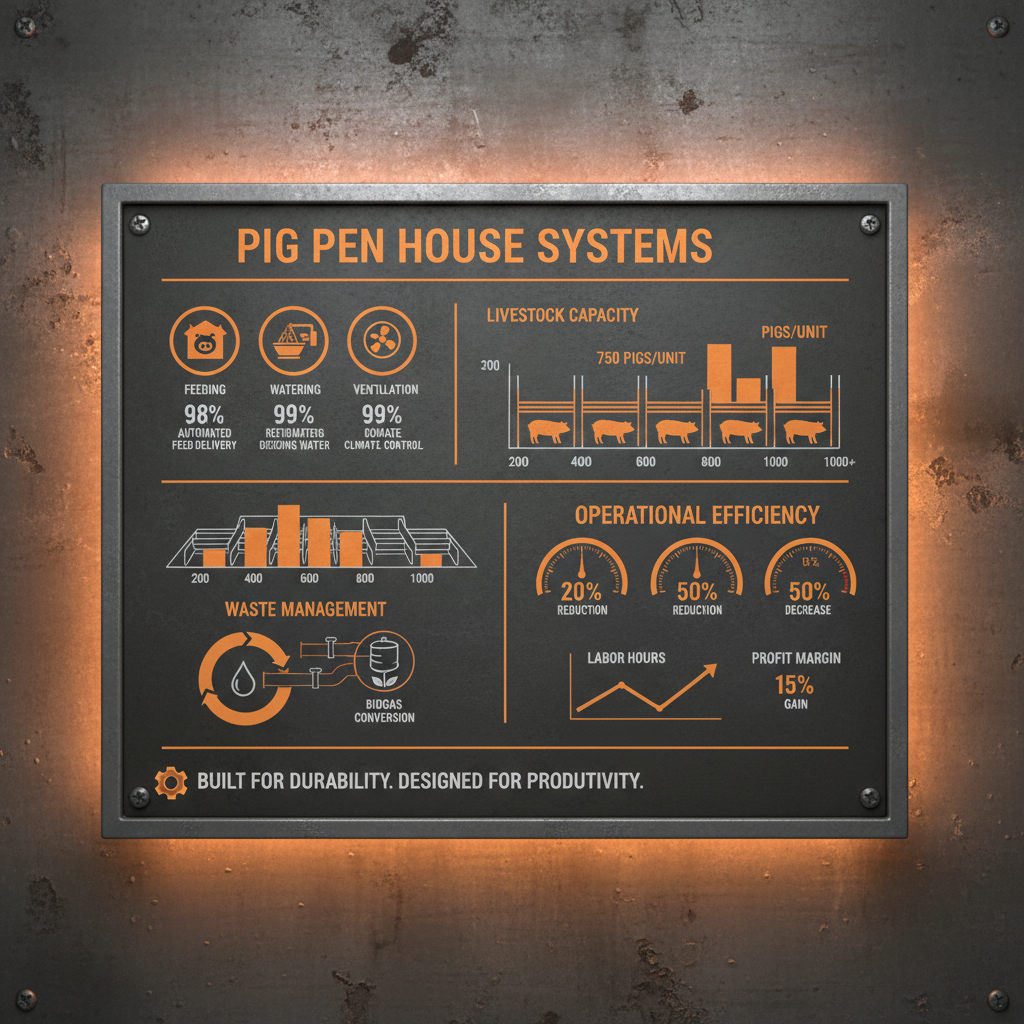
Finding the Right Pig Pen House Solution with Yizemachine
At Yizemachine, we understand the diverse needs of pig farmers. We offer a range of high-quality, durable, and customizable pig pen houses designed to enhance animal welfare and optimize farm efficiency. Our experienced team can help you select the best solution for your specific requirements, considering your farm size, climate, and budget. Contact us today to discuss your needs and explore our range of products!
Conclusion: Investing in a Comfortable and Safe Environment
Investing in a well-designed pig pen house is an investment in the health, wellbeing, and productivity of your pigs. By prioritizing comfort, safety, and hygiene, you can create an environment that promotes optimal growth and reduces the risk of disease. Yizemachine is dedicated to providing innovative and reliable housing solutions for pig farmers.
Frequently Asked Questions (FAQs)
What is the ideal temperature range for a pig pen house?
The ideal temperature range for a pig pen house depends on the age of the pigs. Newborn piglets require a warmer environment, typically between 85-95°F (29-35°C). As pigs grow, the temperature can be gradually reduced. For growing and finishing pigs, a comfortable range is generally between 60-75°F (16-24°C). Maintaining a consistent temperature and avoiding drafts are crucial for preventing stress and promoting optimal growth. Proper insulation and ventilation systems are essential for regulating temperature effectively.
How often should a pig pen house be cleaned?
Regular cleaning is vital for maintaining hygiene and preventing the spread of disease. Pig pen houses should be cleaned thoroughly at least once a week, and more frequently if necessary. This includes removing manure, disinfecting surfaces, and ensuring proper ventilation. Cleaning should be done after each group of pigs has been moved out. Effective cleaning reduces ammonia levels and creates a healthier environment for the animals.
What type of flooring is best for a pig pen house?
The best flooring material depends on your budget and priorities. Concrete is durable and easy to clean, but can be cold and hard. Slatted floors allow manure to fall through, improving hygiene, but can cause foot problems. Solid plastic floors are comfortable and easy to clean, but may be less durable. A combination of materials, such as concrete with bedding, can provide a good balance of comfort and hygiene. Consider the specific needs of your pigs and the overall management of your farm when selecting flooring.
How can I improve ventilation in my pig pen house?
Proper ventilation is essential for removing harmful gases and maintaining air quality. Natural ventilation can be achieved through strategically placed windows and vents. Mechanical ventilation systems, such as fans, can supplement natural ventilation, especially in larger buildings. Regularly cleaning vents and ensuring they are not blocked is crucial. Consider the prevailing wind direction when designing the ventilation system to maximize airflow.
-
Professional Mini Poultry Cage for Efficient Small Scale Farming
NewsApr.16,2026
-
Optimizing Poultry Production with Advanced Cage System Poultry
NewsApr.09,2026
-
Optimizing Layer Poultry Cages for Efficient and Profitable Egg Production
NewsApr.07,2026
-
Comprehensive Guide to Poultry Cages for Layers and Modern Farming Solutions
NewsApr.04,2026
-
Comprehensive Guide to Optimizing Poultry Laying Cages for Egg Production
NewsMar.31,2026
-
Maximize Egg Production with Efficient Poultry Layer Cage Systems
NewsMar.28,2026





 Afrikaans
 Albanian
 Amharic
 Arabic
 Armenian
 Azerbaijani
 Basque
 Belarusian
 Bengali
 Bosnian
 Bulgarian
 Catalan
 Cebuano
 Corsican
 Croatian
 Czech
Czech
 Danish
 Dutch
Dutch
 Esperanto
 Estonian
 Finnish
 French
 Frisian
 Galician
 Georgian
 German
 Greek
Greek
 Gujarati
 Haitian Creole
 Hausa
Hausa
 Hawaiian
 Hebrew
 Hindi
Hindi
 Miao
Miao
 Hungarian
 Icelandic
 Igbo
Igbo
 Indonesian
 Irish
Irish
 Italian
 Japanese
 Javanese
 Kannada
 Kazakh
 Khmer
Khmer
 Rwandese
 Korean
 Kurdish
 Kyrgyz
 Lao
Lao
 Latin
Latin
 Latvian
 Lithuanian
 Luxembourgish
 Macedonian
 Malgashi
 Malay
Malay
 Malayalam
 Maltese
 Maori
Maori
 Marathi
 Mongolian
 Myanmar
 Nepali
 Norwegian
 Norwegian
 Occitan
 Pashto
 Persian
 Polish
 Portuguese
 Punjabi
 Romanian
 Russian
 Samoan
 Scottish Gaelic
 Serbian
 Sesotho
 Shona
Shona
 Sindhi
 Sinhala
 Slovak
 Slovenian
 Somali
 Spanish
 Sundanese
 Swahili
 Swedish
 Tagalog
 Tajik
Tajik
 Tamil
Tamil
 Tatar
Tatar
 Telugu
 Thai
Thai
 Turkish
 Turkmen
 Ukrainian
 Urdu
Urdu
 Uighur
 Uzbek
Uzbek
 Vietnamese
 Welsh
Welsh
 Bantu
Bantu
 Yiddish
 Yoruba
 English