
Designing and Constructing a Simple Pig Pen for Optimal Livestock Welfare
Feb . 26, 2026 01:55 Back to list
Designing and Constructing a Simple Pig Pen for Optimal Livestock Welfare
Understanding the Essentials of a Simple Pig Pen
For farmers and livestock owners, providing a safe and comfortable environment for their pigs is crucial. A simple pig pen is the foundation of effective pig farming. This article explores the key considerations when choosing and constructing a pig pen, covering design, materials, size, and important safety features. We’ll focus on creating a practical and efficient space for your pigs, leading to healthier animals and improved productivity. A well-designed pig pen doesn't have to be complex, but it must address the basic needs of the animals.
Key Considerations for Pig Pen Design
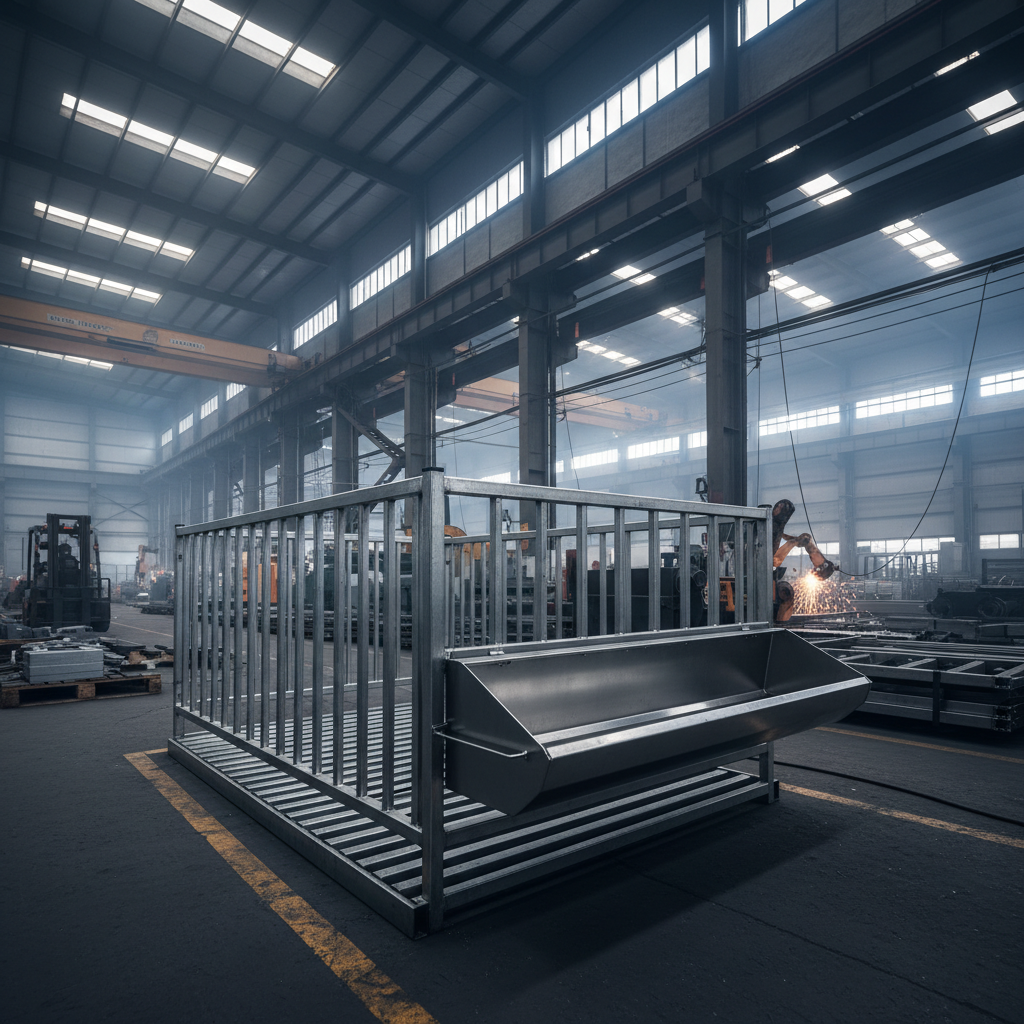
Designing a simple pig pen requires careful thought. The primary goals are to provide shelter, security, and ease of management. Consider the climate: pens in colder regions will need more robust shelter, while those in warmer areas should focus on shade and ventilation. Drainage is also critical to prevent mud and disease. The pen should be positioned to allow for easy access for feeding, cleaning, and health checks. Finally, think about future expansion – can the pen be easily enlarged if your herd grows? Thoughtful design now saves time and money later.
Design Essentials: Shelter, security, drainage, accessibility, and future scalability are the core components of a well-planned pig pen.
Material Selection: Durability and Cost-Effectiveness
The materials used to build your simple pig pen significantly impact its longevity and cost. Wood is a common choice, but it requires regular maintenance and is susceptible to damage from chewing pigs. Metal fencing is more durable but can be more expensive. Concrete is excellent for flooring, providing a hygienic and easy-to-clean surface. Consider using a combination of materials: for example, metal posts with wooden rails, or concrete flooring with wooden walls for shelter. Ensure all materials are non-toxic and won't harm the pigs.
Pig Pen Size: Space Requirements for Optimal Growth
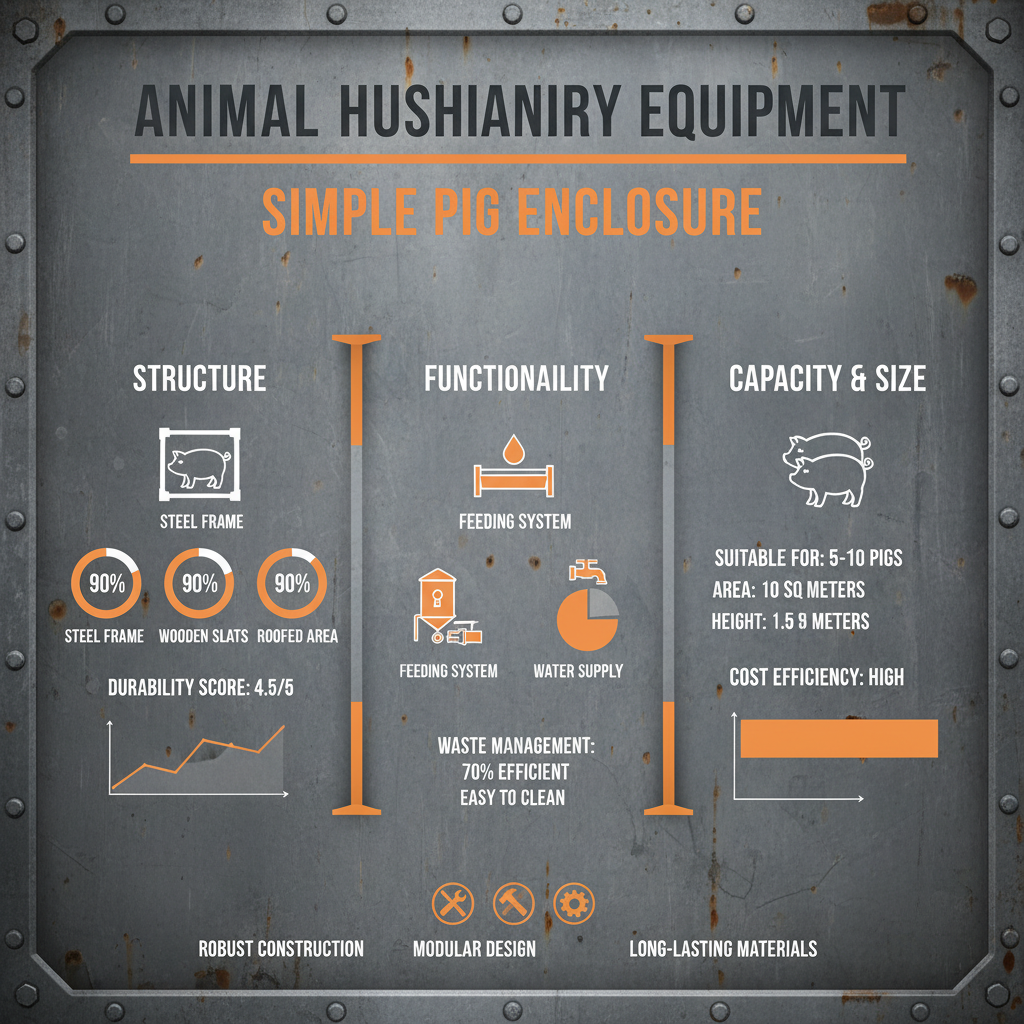
Adequate space is vital for pig health and well-being. Overcrowding leads to stress, disease, and reduced growth rates. The required space depends on the size and age of the pigs. Piglets need less space than mature breeding sows. As a general guideline, provide at least 4-6 square feet of floor space per piglet, increasing to 8-12 square feet for growing pigs, and 24-32 square feet for breeding sows. Remember, these are minimums; providing more space is always beneficial.
Simple Pig Pen Features: Enhancing Safety and Hygiene
Beyond basic construction, several features enhance a simple pig pen’s functionality. Solid flooring, like concrete, makes cleaning easier and prevents the spread of disease. A covered area provides protection from the elements. Secure fencing prevents escapes and protects against predators. Consider installing a feeding and watering system that minimizes waste and simplifies management. Regular cleaning and disinfection are essential for maintaining a healthy environment.
Long-Term Maintenance and Cleaning Protocols
Maintaining your pig pen is as important as building it. Regularly inspect the fencing for damage and make repairs promptly. Clean the pen thoroughly at least once a week, removing manure and debris. Disinfect the pen periodically to prevent the buildup of harmful bacteria. Monitor the pigs for signs of illness and address any health concerns immediately. A proactive maintenance schedule will ensure your pig pen remains a safe and productive environment for years to come.
Conclusion: Building a Better Pig Pen for a Healthier Herd
Creating a simple pig pen doesn’t have to be daunting. By focusing on thoughtful design, durable materials, adequate space, and consistent maintenance, you can provide your pigs with a safe, comfortable, and productive environment. Investing in a well-built and maintained pen is an investment in the health and profitability of your farm. Explore the resources available at Yizemachine for high-quality pig farming equipment and expert advice.
Frequently Asked Questions (FAQs)
What type of flooring is best for a pig pen?
Concrete flooring is generally considered the best option for a pig pen due to its durability, ease of cleaning, and ability to prevent the spread of disease. It's also less susceptible to damage from digging and rooting. However, concrete can be hard on pigs’ joints, so providing a generous layer of bedding, such as straw or wood shavings, is crucial for comfort. Other options include compacted clay or gravel, but these require more maintenance and are less hygienic. Ultimately, the best flooring depends on your budget, climate, and management practices.
How can I prevent pigs from escaping my pen?
Preventing escapes requires a combination of sturdy fencing and careful construction. Use strong materials like metal posts and wire mesh, and ensure the fencing is securely anchored in the ground. Dig the fencing a few inches below the surface to prevent pigs from digging underneath. Regularly inspect the fencing for weak spots or damage and make repairs immediately. Consider using electric fencing as an additional deterrent. Finally, ensure the gate is securely latched and cannot be easily opened by the pigs.
What are some important biosecurity measures for a pig pen?
Biosecurity is crucial for preventing the spread of disease. Regularly clean and disinfect the pen, focusing on areas where manure accumulates. Control access to the pen to prevent the introduction of pathogens. Quarantine any new pigs before introducing them to the herd. Implement a rodent and pest control program. Practice good hygiene when working with the pigs, including washing hands and wearing clean boots. Proper biosecurity measures will help keep your herd healthy and minimize the risk of costly outbreaks.
-
Professional Mini Poultry Cage for Efficient Small Scale Farming
NewsApr.16,2026
-
Optimizing Poultry Production with Advanced Cage System Poultry
NewsApr.09,2026
-
Optimizing Layer Poultry Cages for Efficient and Profitable Egg Production
NewsApr.07,2026
-
Comprehensive Guide to Poultry Cages for Layers and Modern Farming Solutions
NewsApr.04,2026
-
Comprehensive Guide to Optimizing Poultry Laying Cages for Egg Production
NewsMar.31,2026
-
Maximize Egg Production with Efficient Poultry Layer Cage Systems
NewsMar.28,2026





 Afrikaans
 Albanian
 Amharic
 Arabic
 Armenian
 Azerbaijani
 Basque
 Belarusian
 Bengali
 Bosnian
 Bulgarian
 Catalan
 Cebuano
 Corsican
 Croatian
 Czech
Czech
 Danish
 Dutch
Dutch
 Esperanto
 Estonian
 Finnish
 French
 Frisian
 Galician
 Georgian
 German
 Greek
Greek
 Gujarati
 Haitian Creole
 Hausa
Hausa
 Hawaiian
 Hebrew
 Hindi
Hindi
 Miao
Miao
 Hungarian
 Icelandic
 Igbo
Igbo
 Indonesian
 Irish
Irish
 Italian
 Japanese
 Javanese
 Kannada
 Kazakh
 Khmer
Khmer
 Rwandese
 Korean
 Kurdish
 Kyrgyz
 Lao
Lao
 Latin
Latin
 Latvian
 Lithuanian
 Luxembourgish
 Macedonian
 Malgashi
 Malay
Malay
 Malayalam
 Maltese
 Maori
Maori
 Marathi
 Mongolian
 Myanmar
 Nepali
 Norwegian
 Norwegian
 Occitan
 Pashto
 Persian
 Polish
 Portuguese
 Punjabi
 Romanian
 Russian
 Samoan
 Scottish Gaelic
 Serbian
 Sesotho
 Shona
Shona
 Sindhi
 Sinhala
 Slovak
 Slovenian
 Somali
 Spanish
 Sundanese
 Swahili
 Swedish
 Tagalog
 Tajik
Tajik
 Tamil
Tamil
 Tatar
Tatar
 Telugu
 Thai
Thai
 Turkish
 Turkmen
 Ukrainian
 Urdu
Urdu
 Uighur
 Uzbek
Uzbek
 Vietnamese
 Welsh
Welsh
 Bantu
Bantu
 Yiddish
 Yoruba
 English