
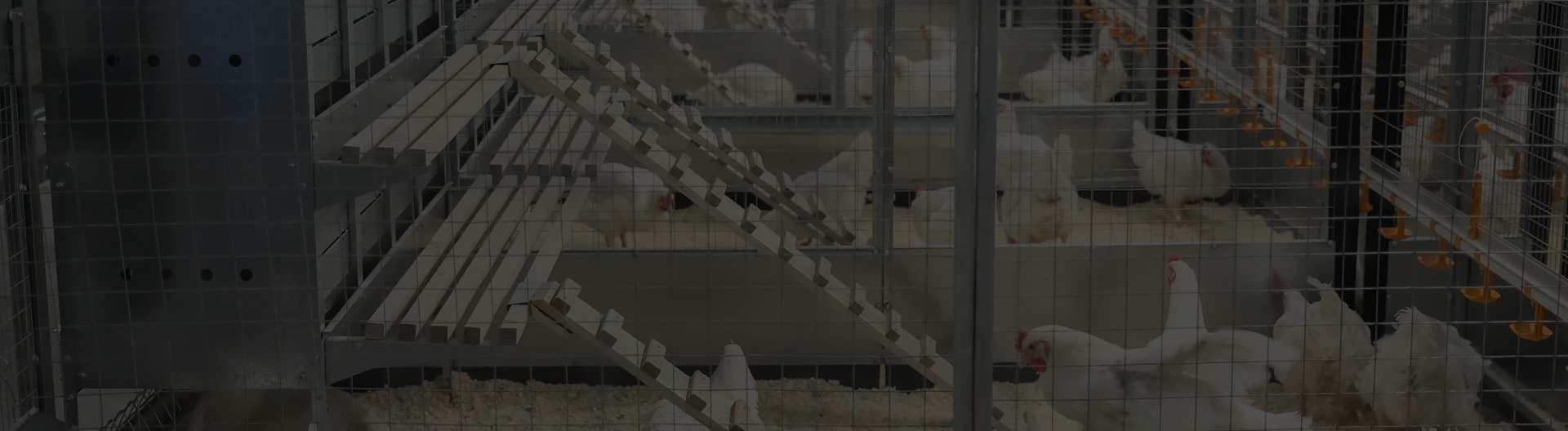
Comprehensive Guide to Chick Cages: Design, Benefits, and Global Applications
Dec . 14, 2025 01:50 Back to list
Comprehensive Guide to Chick Cages: Design, Benefits, and Global Applications
What Are Chick Cages and Why Do They Matter Globally?
“Chick cages” — it’s a straightforward term with surprisingly broad implications in the poultry industry and beyond. At their core, chick cages are specialized enclosures designed to house young poultry securely, efficiently, and hygienically. Globally, these cages support food security, economic livelihoods, and animal welfare standards, especially in countries where poultry farming is a cornerstone of agriculture.
Understanding how chick cages work and their role in modern farming isn't just about cages and chicks; it’s about sustaining millions of households and feeding entire populations. According to the FAO, poultry contributes substantially to global protein intake, and optimized chick rearing is the first step in ensuring sustainable poultry production.
Put simply: better chick cages mean better poultry farming practices, which then translate into improved economy, nutrition, and welfare worldwide.
Chick Cages in Context: A Global Perspective
Poultry farming isn’t just backyard coops and rural farms — it’s a heavy-hitter in the global food economy. The World Bank estimates that over 1.25 billion people depend on poultry for their livelihoods, with emerging markets leading massive production growth. But here’s the catch: chick mortality and disease outbreaks remain significant challenges.
Enter chick cages as a practical solution. They address problems of overcrowding, contamination, and uneven growth rates — factors that can devastate flocks. With the global poultry population nearing 24 billion (per Statista), the right infrastructure for early-stage chick management is more vital than ever.
Yet, it’s not just quantity. Environmental concerns and welfare regulations pushed by organizations like the ISO demand innovations in chick cage design, making the topic timely and critical.
Defining Chick Cages: More Than Just a Container
So, what exactly are chick cages? In the simplest terms: they are wire or plastic enclosures designed to house day-old chicks, providing shelter, easy access to food and water, and protection from external hazards. Unlike traditional brooding methods that use loose litter or floor pens, chick cages optimize space and improve monitoring.
In the industry, chick cages represent a fusion of animal husbandry principles and industrial design - they’re built to support healthy growth rates, reduce disease transmission, and simplify farm workflows. On a humanitarian note, improved chick cages can empower smallholders in developing countries to scale poultry production, enhancing food security and income stability.
Key Factors in Chick Cage Design and Usage
1. Durability and Material Quality
Practical chick cages need to withstand frequent cleaning, transport, and the rough handling typical in busy hatcheries or farms. Steel meshes coated with rust-resistant finishes or food-grade plastics are common. Many farmers say durability translates directly into cost savings over time.
2. Scalability
An important trait is how easily the cages adapt to different flock sizes. Modular designs allow farmers to add or remove units without overhaul, simply scaling from small backyard setups to commercial farms with thousands of chicks.
3. Ventilation and Hygiene
Good airflow prevents heat stress and spread of infectious diseases. Cage designs often feature open grids for natural ventilation, combined with easy-to-clean surfaces to maintain strict hygiene standards.
4. Cost Efficiency
Especially in emerging economies, cost is king. Chicks can be lost in droves due to suboptimal housing, so affordable chick cages that improve survival rates quickly pay off.
5. Welfare and Comfort
Gentler materials and rounded edges matter—just as much as space allowance. Many modern cages aim to balance productivity with ethical considerations, impacting regulations worldwide.
Mini takeaway: Successful chick cage design blends durability, scalability, hygiene, affordability, and welfare — each factor contributes directly to farm productivity and animal well-being.
Worldwide Applications and Industry Use Cases
Think about it: from the sprawling poultry complexes of the U.S. Midwest, to smallholder farms in Southeast Asia, chick cages arrive in various forms but serve a consistent purpose — supporting healthy poultry starts. In Africa, NGOs incorporate chick cages into micro-livestock projects to empower women farmers, providing them with tools to generate income and improve family nutrition.
In regions prone to avian diseases, like parts of Southeast Asia, chick cages enable quicker isolation and treatment, reducing economic losses. Meanwhile, organic and specialty brands in Europe use innovative cage designs that prioritize welfare while maintaining efficiency.
Even disaster relief agencies have explored mobile chick cages to reestablish poultry farming quickly after crises — a neat example of innovation blending with humanitarian goals.
The Advantages and Long-Term Value of Using Chick Cages
- Improved Survival Rates: By reducing exposure to pathogens and predators.
- Efficiency in Space Use: Maximizes hatchery and farm capacity without sacrificing welfare.
- Sustainability: Materials are often recyclable; cage designs increasingly incorporate eco-friendly features.
- Cost Savings: Reduced losses and labor requirements translate into better profit margins.
- Social Impact: Helps smallholders and community farms thrive, reinforcing rural economies.
The emotional impact is disarmingly real — farmers tell stories of heartbreak over lost chicks, and the relief when improved cages stop those losses.
Future Trends and Innovations in Chick Cage Technology
Looking ahead, I noticed several exciting developments:
- Smart cages: Sensors to monitor temperature, humidity, and chick activity remotely.
- Eco-friendly materials: Bioplastics and recycled composites to reduce carbon footprint.
- Automation: Integrated feeding and watering systems to streamline farm labor.
- Modular designs: Further enhancing flexibility for diverse farm sizes.
- Standardization: International certifications encouraging better welfare and quality control.
All these align neatly with global agendas for sustainable food systems and welfare-centered agriculture.
Common Challenges with Chick Cages and How to Overcome Them
Of course, chick cages aren’t a magic bullet. Issues like initial investment costs, maintenance needs, and adaptability to local environmental conditions can hamper adoption. Some regions face harsh weather or lack access to quality materials. However, innovative startups and NGOs are working on low-cost, locally sourced designs. Plus, training programs help farmers optimize cage use and maintenance.
Ultimately, it's about thoughtful integration — pairing the right technology with local expertise.
Frequently Asked Questions About Chick Cages
- How do chick cages improve survival compared to floor brooding?
- Chick cages reduce contact with feces and enable better airflow, lowering disease risks. The controlled environment supports consistent temperature and easy monitoring, improving early growth and survival rates.
- Are chick cages suitable for small-scale farmers or only large commercial operations?
- They can be adapted for any scale. Small-scale farmers benefit from modular and affordable cage models designed for easy transport and assembly, expanding access beyond industrial farms.
- What materials are best for long-lasting chick cages?
- Rust-resistant steel with powder coating or UV-stabilized plastics tend to last longest. Durability depends on environmental exposure and maintenance.
- Can chick cages be used in humid or wet climates?
- Yes, but cages must have elevated floors, corrosion-resistant materials, and good ventilation to prevent mold and bacterial growth. Designs often include drainage features for these conditions.
- How can farmers access chick cages internationally?
- Many global vendors offer international shipping and technical support. Partnering with organizations like chick cages suppliers or agri-tech NGOs can facilitate import and training.
Typical Specifications for a Commercial Chick Cage
| Specification | Details |
|---|---|
| Dimensions | 120 cm (L) × 60 cm (W) × 40 cm (H) |
| Material | Powder-coated galvanized steel mesh |
| Capacity | 50-70 day-old chicks |
| Ventilation | Open mesh sides, elevated floor |
| Weight | 5.5 kg |
| Additional features | Foldable design, easy-clean coating |
Vendor Comparison: Leading Chick Cage Suppliers
| Vendor | Material Quality | Price Range (USD) | Customization | Global Shipping |
|---|---|---|---|---|
| Yize Machine | High-grade galvanized steel | $150 - $350 per unit | Yes, modular options | Yes |
| AgriFlex Co. | Polypropylene mesh | $120 - $280 per unit | Limited | Select countries |
| Global Poultry Solutions | Steel with powder coating | $180 - $400 per unit | Yes, bespoke designs | Worldwide |
Conclusion and Next Steps
In the end, chick cages are a pivotal piece of the poultry production puzzle. By combining practical design, durability, and evolving technology, they offer a means to scale poultry farming responsibly and profitably. Whether you’re a smallholder aiming to improve flock survival or a large-scale operator looking to optimize efficiency, understanding chick cages is key.
If you want to explore quality options in this space or learn more, visit our website: chick cages and discover solutions tailored to your farm’s future.
References
-
Professional Mini Poultry Cage for Efficient Small Scale Farming
NewsApr.16,2026
-
Optimizing Poultry Production with Advanced Cage System Poultry
NewsApr.09,2026
-
Optimizing Layer Poultry Cages for Efficient and Profitable Egg Production
NewsApr.07,2026
-
Comprehensive Guide to Poultry Cages for Layers and Modern Farming Solutions
NewsApr.04,2026
-
Comprehensive Guide to Optimizing Poultry Laying Cages for Egg Production
NewsMar.31,2026
-
Maximize Egg Production with Efficient Poultry Layer Cage Systems
NewsMar.28,2026





 Afrikaans
 Albanian
 Amharic
 Arabic
 Armenian
 Azerbaijani
 Basque
 Belarusian
 Bengali
 Bosnian
 Bulgarian
 Catalan
 Cebuano
 Corsican
 Croatian
 Czech
Czech
 Danish
 Dutch
Dutch
 Esperanto
 Estonian
 Finnish
 French
 Frisian
 Galician
 Georgian
 German
 Greek
Greek
 Gujarati
 Haitian Creole
 Hausa
Hausa
 Hawaiian
 Hebrew
 Hindi
Hindi
 Miao
Miao
 Hungarian
 Icelandic
 Igbo
Igbo
 Indonesian
 Irish
Irish
 Italian
 Japanese
 Javanese
 Kannada
 Kazakh
 Khmer
Khmer
 Rwandese
 Korean
 Kurdish
 Kyrgyz
 Lao
Lao
 Latin
Latin
 Latvian
 Lithuanian
 Luxembourgish
 Macedonian
 Malgashi
 Malay
Malay
 Malayalam
 Maltese
 Maori
Maori
 Marathi
 Mongolian
 Myanmar
 Nepali
 Norwegian
 Norwegian
 Occitan
 Pashto
 Persian
 Polish
 Portuguese
 Punjabi
 Romanian
 Russian
 Samoan
 Scottish Gaelic
 Serbian
 Sesotho
 Shona
Shona
 Sindhi
 Sinhala
 Slovak
 Slovenian
 Somali
 Spanish
 Sundanese
 Swahili
 Swedish
 Tagalog
 Tajik
Tajik
 Tamil
Tamil
 Tatar
Tatar
 Telugu
 Thai
Thai
 Turkish
 Turkmen
 Ukrainian
 Urdu
Urdu
 Uighur
 Uzbek
Uzbek
 Vietnamese
 Welsh
Welsh
 Bantu
Bantu
 Yiddish
 Yoruba
 English