
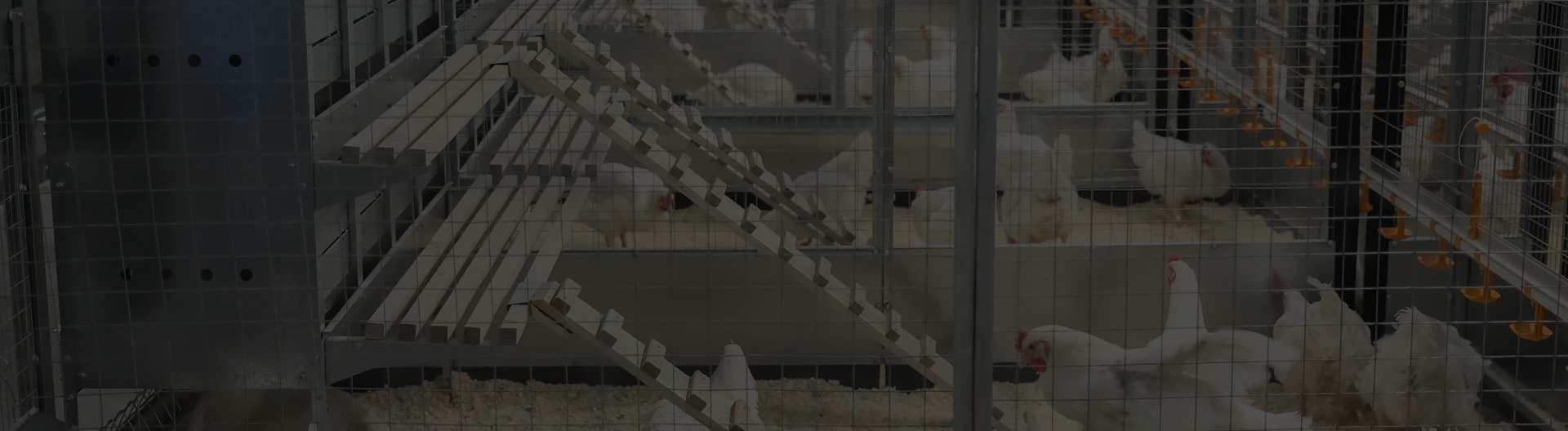
Modern Design Industrial Breeding Rabbit Cages
Dec . 11, 2025 15:15 Back to list
Modern Design Industrial Breeding Rabbit Cages
The global market for rabbit products necessitates highly efficient, sterile, and sustainable farming methods. To meet these demands, the design of commercial rabbit housing has evolved significantly, moving toward sophisticated, industrial-grade systems. The Modern Design Industrial Breeding Rabbit Cage is the core component of this revolution, engineered not just for housing, but for maximizing reproductive performance, ensuring animal welfare, and minimizing operational costs.
These advanced systems transcend simple housing, utilizing specialized materials and integrated features that prioritize longevity, hygiene, and the precise needs of breeding stock. The successful convergence of robust engineering and biological understanding defines the new generation of rabbit cages for commercial breeding.
Breeding Rabbit Cage’s Material Superiority: Advanced Steel Grades and Highly Resistant Treatment
The single greatest challenge in long-term commercial rabbit housing is corrosion caused by urine, feces, and frequent, aggressive washing routines. Modern industrial cages address this through superior material science.
Advanced Steel Grades Q235 Wire
The foundation of the cage structure is often built from Advanced Steel Grades Q235 Wire. Q235 is a carbon structural steel renowned for its strength, weldability, and excellent mechanical properties. This specific grade provides the necessary rigidity and load-bearing capacity for multi-tiered systems, ensuring the premium rabbit cages maintain their structural integrity over many years of intensive use. The wire is engineered to resist deformation, preventing sagging floors or loose connections that could injure the rabbits or compromise the system's hygiene.
Highly Resistant Treatment for Longevity
Simply using strong steel is insufficient. The longevity of the breeding cages for rabbits depends on the protective coating. After the wire mesh is manufactured and welded, it undergoes a Highly Resistant Treatment, which typically involves hot-dip galvanization or a specialized PVC coating application.
Hot-Dip Galvanization: This process submerges the steel components in molten zinc, creating a metallurgical bond that provides an extremely durable, thick layer of protection against rust and chemical corrosion.
PVC/Epoxy Coating: For specific components, a thick, durable polymer coating may be applied, offering a smooth, non-porous surface that is easy to clean and highly resistant to acidic waste.
This dual focus on material strength and advanced protective treatment ensures the cages remain hygienic and structurally sound, significantly extending their operational lifespan and protecting the farmer’s investment in these rabbit cages for commercial breeding.
Optimized Housing: Bottom Floor 12 Mother Rabbit Cage Position
Industrial systems are designed around the reproductive cycle, with dedicated spaces that optimize efficiency and ensure the welfare of the most critical stock: the breeding does (mothers).
The Bottom Floor 12 Mother Rabbit Cage Position specifies a high-density, centralized arrangement for breeding females. This is often the most accessible tier (the bottom layer) in a multi-stack system, chosen for practical reasons:
Easy Access and Inspection: Breeding does require frequent monitoring, including checking pregnancy status, monitoring health post-kindling, and inspecting the kits. Locating these crucial cages on the bottom tier provides workers with ergonomic access, reducing bending and lifting strain.
Uniform Management: Grouping 12 or more breeding positions allows for synchronized management of the reproductive cycle—all 12 can be bred, kindled, and weaned on a similar schedule, streamlining labor and feed management.
Specialized Kindling Features: Each position is an advanced breeding cage for rabbits, featuring a specialized area for a detachable nest box. The nest box provides a safe, dark, and warm environment essential for a successful kindling rate and kit survival.
This strategic housing arrangement ensures that the highest-value animals receive the most consistent care and attention, directly boosting the farm's productivity metrics.
Rabbit Cage’s Comfortable and Safe Feeding Environment
Modern premium rabbit cages recognize that the welfare of the rabbit is inseparable from its performance. A stressed rabbit is a less productive rabbit. Therefore, the cages are designed to create a Comfortable and Safe Feeding Environment.
Feed Troughs and Water Access
Ergonomics: Feed troughs are designed to be easily accessible yet placed to minimize spillage and contamination by feces. They are often made of non-corrosive material (like plastic or stainless steel) and positioned externally with access holes, preventing the rabbit from sitting in or soiling the feed.
Nipple Drinkers: Automatic nipple drinking systems provide fresh, clean water on demand. The water supply lines are managed with pressure regulators to ensure consistent flow without leakage, maintaining a dry cage environment.
Floor Design for Safety
The floor of the breeding cages for rabbits is the most critical surface for animal comfort. Utilizing high-quality welded rabbit cage wire mesh, the floor provides a supportive yet permeable surface. The gauge is carefully chosen to be comfortable underfoot while ensuring 100% waste clearance, separating the rabbit from its urine and droppings. This separation is key to:
Preventing Pododermatitis (Sore Hocks): A common ailment in rabbits, sore hocks are largely prevented by clean, dry, and supportive flooring.
Minimizing Disease: By reducing contact with fecal pathogens (like Coccidia), the cage design significantly lowers the need for medication, contributing to healthier animals and higher survival rates.
Flexibility and Scalability: Different Functions Rabbit Cage for Different Scenarios
The industrial setting requires flexibility to manage the entire life cycle of the rabbit—from kindling to market-ready fryers. The concept of Different Functions Rabbit Cage for Different Scenarios addresses this need.
Rabbit cages for commercial breeding systems are modular, allowing for:
Breeding Cages (Doe Cages): As detailed above, these are the primary housing units, optimized for kindling and rearing kits up to weaning.
Grow-Out/Fattening Cages: Once weaned, young rabbits are moved into specialized cages optimized for rapid weight gain. These cages may have higher stocking densities and larger feed capacities, but still maintain the core features of hygiene and comfort.
Buck (Male) Cages: Stud bucks require individual housing to prevent fighting. Their cages are typically designed for robust construction and easy access for handling during breeding cycles.
Hospital/Quarantine Cages: Dedicated cages are often integrated into the system for isolating new arrivals or treating sick animals. These units are designed for ease of sterilization and complete isolation from the main production flow.
This modularity, achieved through standardized dimensions and assembly features of the premium rabbit cages, ensures that a farmer can easily reconfigure the house layout to match shifts in market demand or breeding goals, maximizing the utility of the farm infrastructure.
The Modern Design Industrial Breeding Rabbit Cage represents the pinnacle of cuniculture engineering. Built on a foundation of Advanced Steel Grades Q235 Wire with Highly Resistant Treatment, these rabbit cages for commercial breeding offer unparalleled durability and hygiene. The intelligent layout, such as the Bottom Floor 12 Mother Rabbit Cage Position, combined with a Comfortable and Safe Feeding Environment, ensures peak reproductive performance and welfare. By offering Different Functions Rabbit Cage for Different Scenarios, these systems provide the flexibility and efficiency required for profitable, high-volume production, cementing their role as the standard for modern industrial rabbit farming.
-
Professional Mini Poultry Cage for Efficient Small Scale Farming
NewsApr.16,2026
-
Optimizing Poultry Production with Advanced Cage System Poultry
NewsApr.09,2026
-
Optimizing Layer Poultry Cages for Efficient and Profitable Egg Production
NewsApr.07,2026
-
Comprehensive Guide to Poultry Cages for Layers and Modern Farming Solutions
NewsApr.04,2026
-
Comprehensive Guide to Optimizing Poultry Laying Cages for Egg Production
NewsMar.31,2026
-
Maximize Egg Production with Efficient Poultry Layer Cage Systems
NewsMar.28,2026





 Afrikaans
 Albanian
 Amharic
 Arabic
 Armenian
 Azerbaijani
 Basque
 Belarusian
 Bengali
 Bosnian
 Bulgarian
 Catalan
 Cebuano
 Corsican
 Croatian
 Czech
Czech
 Danish
 Dutch
Dutch
 Esperanto
 Estonian
 Finnish
 French
 Frisian
 Galician
 Georgian
 German
 Greek
Greek
 Gujarati
 Haitian Creole
 Hausa
Hausa
 Hawaiian
 Hebrew
 Hindi
Hindi
 Miao
Miao
 Hungarian
 Icelandic
 Igbo
Igbo
 Indonesian
 Irish
Irish
 Italian
 Japanese
 Javanese
 Kannada
 Kazakh
 Khmer
Khmer
 Rwandese
 Korean
 Kurdish
 Kyrgyz
 Lao
Lao
 Latin
Latin
 Latvian
 Lithuanian
 Luxembourgish
 Macedonian
 Malgashi
 Malay
Malay
 Malayalam
 Maltese
 Maori
Maori
 Marathi
 Mongolian
 Myanmar
 Nepali
 Norwegian
 Norwegian
 Occitan
 Pashto
 Persian
 Polish
 Portuguese
 Punjabi
 Romanian
 Russian
 Samoan
 Scottish Gaelic
 Serbian
 Sesotho
 Shona
Shona
 Sindhi
 Sinhala
 Slovak
 Slovenian
 Somali
 Spanish
 Sundanese
 Swahili
 Swedish
 Tagalog
 Tajik
Tajik
 Tamil
Tamil
 Tatar
Tatar
 Telugu
 Thai
Thai
 Turkish
 Turkmen
 Ukrainian
 Urdu
Urdu
 Uighur
 Uzbek
Uzbek
 Vietnamese
 Welsh
Welsh
 Bantu
Bantu
 Yiddish
 Yoruba
 English