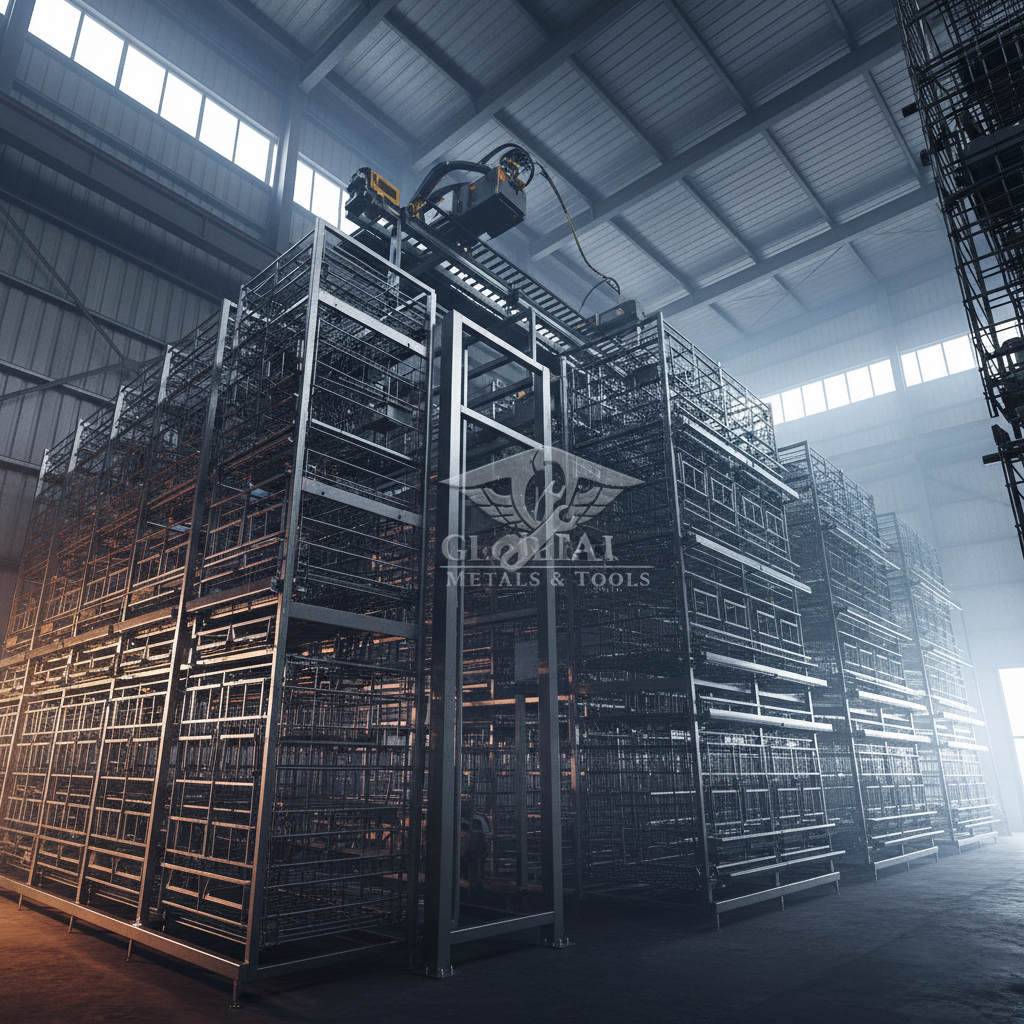
Selecting the right equipment provider is a pivotal decision for any commercial poultry operation, as the structural integrity of housing directly impacts bird welfare and production yields. When evaluating poultry cages manufacturers, operators must look beyond the basic wire mesh and consider the integration of automation, material durability, and hygiene standards.
The modern poultry landscape is shifting toward high-density, automated systems that minimize labor costs while maximizing space utilization. From breeding automation to environmental control, the synergy between the cage design and the supporting machinery determines the overall efficiency of the flock management process.
For businesses scaling their operations, understanding the technical nuances of cage materials and the reliability of the manufacturer's after-sales support is essential to avoid costly downtime and ensure long-term operational sustainability.

Analyzing the Role of Professional Cage Manufacturing in Modern Farming

The transition from traditional floor-raising to specialized cage systems is driven by the need for better disease control and optimized feed conversion ratios. Professional manufacturers focus on creating environments that balance the physiological needs of the birds with the economic requirements of the farmer, utilizing precision engineering to reduce waste.
In the context of specialized equipment manufacturing, the focus has shifted toward "breeding automation," where the cage is no longer just a container but a component of a larger system. This includes integrated feeding lines, automatic water nipples, and manure removal belts that ensure the environment remains sanitary.
Companies like Anping County Yize Metal Products Co., Ltd., leveraging decades of experience since 1999, emphasize the use of high-grade materials and ISO9001 certified processes to ensure that cages can withstand the corrosive nature of poultry waste without compromising structural stability.
Critical Technical Specifications for High-Yield Poultry Housing
Technical excellence in poultry housing is defined by the quality of the wire and the precision of the assembly. Factors such as wire gauge, galvanized coating thickness, and the slope of the egg-laying floor are not merely details but critical determinants of bird health and egg breakage rates.
Modern systems prioritize the use of thick PP pipes for feed troughs and precision-engineered nipple drinkers to minimize water leakage. Leakage in a high-density environment can lead to damp litter and a spike in ammonia levels, which negatively impacts respiratory health in poultry.
Furthermore, the integration of environmental control equipment allows manufacturers to offer solutions that maintain optimal temperature and ventilation, ensuring that birds remain unstressed regardless of external weather conditions, which is vital for consistent growth rates.
Operational Applications Across Different Poultry Species
While the core technology remains similar, the application of cages varies significantly between layers, broilers, and breeders. Layer cages require specific floor angles for egg collection, whereas broiler cages are designed for higher weight loads and rapid growth cycles.
Beyond chickens, specialized manufacturers produce rabbit cages and pig pens, applying the same principles of durability and hygiene. For instance, the transition from rearing to processing also requires specialized equipment, such as poultry scalding tanks, which use precise temperature control (65-67℃) to facilitate efficient feather removal.
The versatility of these systems allows farmers to implement a comprehensive pipeline—from automated brooding and feeding to slaughter equipment—creating a closed-loop production cycle that reduces reliance on external logistics and minimizes animal stress during transport.
Performance Benchmarks for Automated vs Manual Caging Systems
Comparing manual labor with automated breeding equipment reveals a stark difference in operational efficiency and resource waste. Automation reduces the human-animal contact, which significantly lowers the risk of introducing pathogens into the flock.
When measuring performance, key indicators include feed wastage, labor hours per 1,000 birds, and the speed of manure removal. Automated systems typically show a higher initial investment but deliver a much lower cost per bird over the lifecycle of the equipment.
poultry cages manufacturers Performance Metrics
The data indicates that while manual systems may seem accessible for small-scale hobbyists, the scalability and hygiene metrics of professional automated cages make them the only viable option for commercial-grade poultry enterprises seeking sustainable growth.
Strategic Procurement and Supplier Evaluation Framework
Procuring poultry equipment requires a rigorous evaluation of the manufacturer's capabilities. A common mistake is prioritizing the lowest price over the quality of the galvanization or the thickness of the barrel in processing equipment, which leads to premature rusting and frequent replacements.
Buyers should verify certifications such as ISO9001 and check for patent holdings, which reflect a company's investment in R&D. A manufacturer that provides a "one-stop service" for feeding, watering, and manure management is generally more reliable than sourcing components from multiple vendors.
Additionally, the availability of professional after-sales service and technical training for staff is paramount. Equipment is only as effective as the people operating it; therefore, comprehensive manuals and installation support are non-negotiable requirements.
Future Directions in Sustainable Breeding Equipment Design
The future of poultry housing is leaning toward "smart farming," where IoT sensors are integrated directly into the cage systems. This allows for real-time monitoring of feed consumption and water intake, enabling early detection of disease outbreaks before they spread through the flock.
Material science is also evolving, with the exploration of new anti-corrosive coatings that extend the lifespan of the cages in humid tropical climates. There is an increasing focus on energy-efficient heating and cooling systems to reduce the carbon footprint of large-scale poultry houses.
We are likely to see a greater emphasis on modular designs that can be easily expanded as a farm grows. This flexibility reduces the initial capital expenditure and allows farmers to integrate new technologies, such as AI-driven egg sorting, without replacing the entire housing structure.
Comparative Guide for Selecting Cage Systems by Farm Scale
Different scales of operation require different equipment configurations. While a small-scale enterprise may prioritize a semi-automatic scalding tank and basic cage series, a large industrial complex requires full breeding automation and sophisticated environmental control.
The following table outlines the recommended equipment focus based on the operational capacity and goals of the poultry enterprise.
| Farm Scale | Primary Equipment Focus | Automation Level | Key Decision Factor |
|---|---|---|---|
| Small Scale | Semi-Auto Cages / Manual Feeders | Low to Medium | Low Initial Investment |
| Medium Scale | Automatic Feeding / Water Lines | Medium to High | Labor Cost Reduction |
| Industrial | Full Breeding Automation Systems | High / Integrated | Maximum Throughput |
| Specialized | Breed-Specific Cages (Rabbit/Pig) | Variable | Species Compatibility |
| Processing Focus | Scalding Tanks / Pluckers | Medium | Processing Speed |
| Sustainable | Environmental Control / IoT | High | Resource Efficiency |
Ultimately, the choice depends on the long-term business strategy. Those aiming for rapid expansion should invest in scalable, high-automation systems from the start to avoid the complexities of retrofitting outdated equipment.
Frequently Asked Questions
Conclusion
The efficiency of a modern poultry farm is inextricably linked to the quality of its housing and automation systems. By partnering with experienced manufacturers who prioritize technical precision and material durability, farmers can ensure a healthier flock and a more profitable operation.
Whether you are upgrading an existing facility or building a new industrial complex, the focus should remain on scalability and hygiene. Readers evaluating these systems can review the relevant product and company information available through www.yizemachine.com to find solutions tailored to their specific operational needs.