Selecting the right poultry cage manufacturers is a critical decision for commercial poultry operations aiming to balance bird welfare with production efficiency. In the specialized sector of livestock breeding machinery, the quality of the housing system directly impacts growth rates, egg production, and the overall hygiene of the facility.
Many farmers struggle with choosing equipment that integrates seamlessly with their existing waste management and feeding systems. The primary challenge lies in finding manufacturers who provide not just the cages, but a comprehensive automation ecosystem that reduces labor costs and prevents disease spread through optimized manure removal.
This guide provides a professional framework for evaluating suppliers, analyzing key technical specifications of modern cage systems, and understanding how to integrate automated cleaning solutions to ensure a sustainable and high-yield poultry environment.

Core Capabilities of Specialized Cage Manufacturers

Professional poultry cage manufacturers must possess an integrated capability that spans R&D, precision manufacturing, and site-specific installation. Leading providers, such as Anping County Yize Metal Products Co., Ltd., leverage regional expertise in wire mesh and metal fabrication to produce cages that withstand the corrosive environment of a poultry house.
Beyond simple cage fabrication, a capable manufacturer offers a full suite of breeding automation, including environmental control and feed processing machines. This holistic approach ensures that the cages function as part of a larger, synchronized system rather than as isolated equipment, which is essential for large-scale industrial operations.
Technical Specifications for Modern Housing Systems
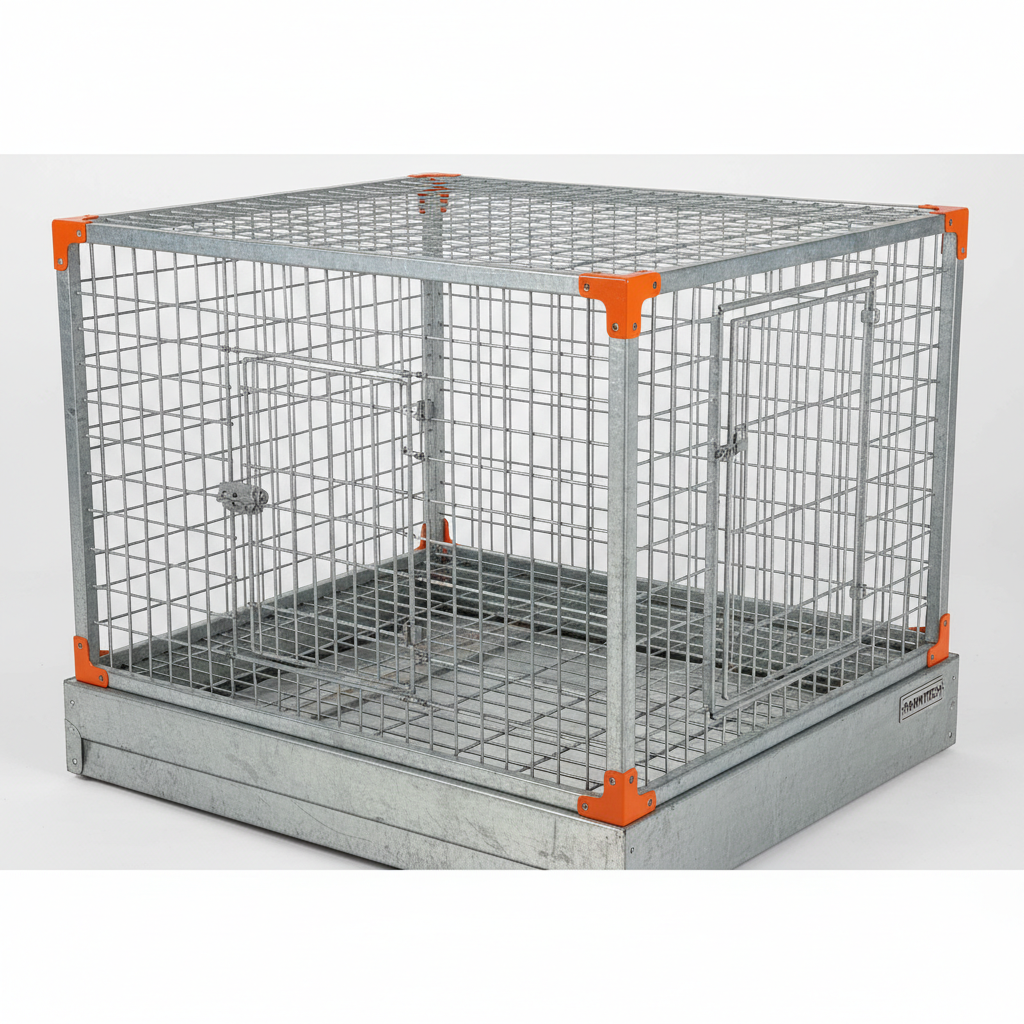
When analyzing the technical output of various manufacturers, the focus should be on material grade and structural integrity. The use of galvanized steel or SS304 stainless steel is non-negotiable for long-term durability, as poultry waste is highly corrosive. High-quality cages are engineered to minimize bird injury while maximizing space utilization through tiered designs.
Key specifications include the gauge of the wire, the precision of the welding, and the ergonomics of the feeding and watering troughs. Modern systems prioritize "zero-waste" feeding mechanisms and nipple drinking systems that reduce spillage and keep the bedding dry, which is fundamental to preventing footpad dermatitis and other bacterial infections.
Integrating Automated Manure Management
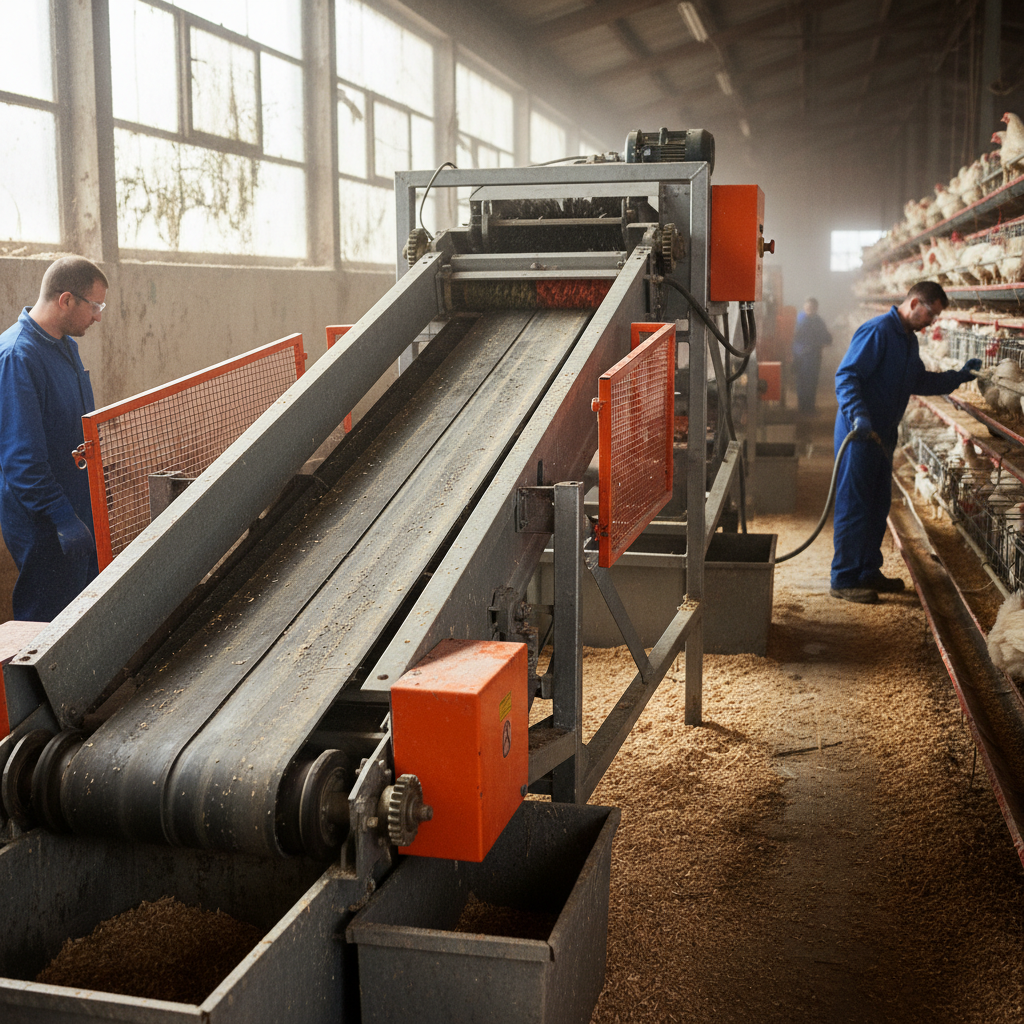
The effectiveness of a poultry cage system is heavily dependent on the waste removal strategy. Automated manure scrapers are now a standard requirement for modern facilities. These systems utilize waterproof gear motors and adjustable scraper plates to ensure that waste is removed efficiently regardless of the pit's construction tolerances.
For example, scrapers equipped with width-adjusting plates (typically allowing 70-80mm of adjustment) prevent obstacles and equipment failure caused by non-standard manure ditch construction. By automating this process, farmers can significantly reduce manual labor and maintain a hygienic environment that prevents the spread of ammonia and pathogens.
Evaluation Metrics for Equipment Durability
To objectively compare poultry cage manufacturers, buyers should use a normalized scoring system based on material resistance and mechanical reliability. The following conceptual framework illustrates the relative importance of different durability factors in a high-performance system.
The data indicates that corrosion resistance and structural strength are the primary drivers of equipment lifespan. Systems that utilize SS304 stainless steel or high-zinc galvanized coatings typically show a significant increase in operational life compared to standard mild steel options, reducing the long-term total cost of ownership.
Matching Cage Configurations to Farm Layouts
The selection of a cage series must align with the specific bird type—whether broiler, layer, or breeder—and the physical dimensions of the barn. Manufacturers should provide customizable widths for manure scrapers (ranging from 1m to 2.4m) to ensure the cleaning mechanism fits the specific ditch layout of the farm.
Operational efficiency is maximized when the housing system is paired with appropriate environmental control equipment. Proper ventilation and temperature regulation, combined with a structured cage layout, ensure that air circulation reaches all tiers of the birds, preventing heat stress and respiratory issues in densely populated houses.
Common Procurement Risks and Red Flags
One of the most frequent mistakes in procuring equipment from poultry cage manufacturers is prioritizing initial cost over lifecycle value. Low-cost systems often use thinner wire or inferior galvanization, leading to premature rusting and structural failure within 2-3 years, which necessitates expensive replacements.
Another risk is the lack of integration. Purchasing cages from one supplier and manure scrapers from another often leads to compatibility issues. Buyers should look for "one-stop service" providers who can synchronize the feeding line, water line, and manure removal system into a single automated workflow to avoid operational bottlenecks.
Supplier Selection Decision Framework
When evaluating potential poultry cage manufacturers, a qualitative comparison across technical and service dimensions is essential. This framework helps buyers distinguish between basic equipment suppliers and professional solution providers.
| Evaluation Dimension | Basic Supplier | Professional Manufacturer | Impact on Operation |
|---|---|---|---|
| Material Quality | Standard Galvanized | SS304 / 275g Galvanized | Lifespan & Corrosion |
| System Integration | Cages Only | Full Automation Suite | Labor Efficiency |
| Waste Management | Manual/Basic | Adjustable Auto-Scrapers | Hygiene & Health |
| Customization | Fixed Sizes | Bespoke Dimensions | Space Optimization |
| Certification | Local Standards | ISO9001 / Patented | Quality Assurance |
| Support | Sales-based | After-sales Engineering | Reduced Downtime |
By applying this framework, farmers can move beyond price-based decisions and select a partner capable of providing a durable, scalable, and technologically advanced housing solution.
Frequently Asked Questions
Stainless steel (SS304) or heavy-duty galvanized steel (e.g., 275g zinc coating) are recommended. These materials provide the necessary corrosion resistance to withstand the ammonia and moisture prevalent in poultry houses.
Automatic scrapers remove waste on a scheduled cycle, preventing the buildup of manure. This reduces ammonia levels, lowers the risk of respiratory diseases, and eliminates the need for manual cleaning, which can be disruptive to the birds.
Ensure the scraper has an adjustable width plate. Since manure pits may have non-standard construction, a scraper that can adjust by 70-80mm prevents the equipment from getting stuck or leaving waste behind.
Customized dimensions are generally superior as they allow you to maximize every square meter of your barn and ensure that automated systems (feeding, watering, cleaning) fit perfectly without gaps.
Environmental control systems regulate temperature, humidity, and airflow. In tiered cage systems, this is critical to prevent "dead zones" where heat builds up, which could otherwise lead to reduced egg production or bird mortality.
Check for ISO9001 certifications, the number of patents held, and their experience in exporting to diverse climates. A manufacturer with a broad international presence typically has more refined quality control processes.
Conclusion
Investing in high-quality housing from reputable poultry cage manufacturers is the foundation of a productive and sustainable farm. By prioritizing material durability, integrating automated waste management, and selecting a supplier that offers a complete ecosystem of breeding automation, operators can maximize their ROI and ensure bird health.
For those evaluating implementation options for their facility, detailed product specifications and customized solution information can be reviewed at www.yizemachine.com to match equipment capabilities with specific farm requirements.