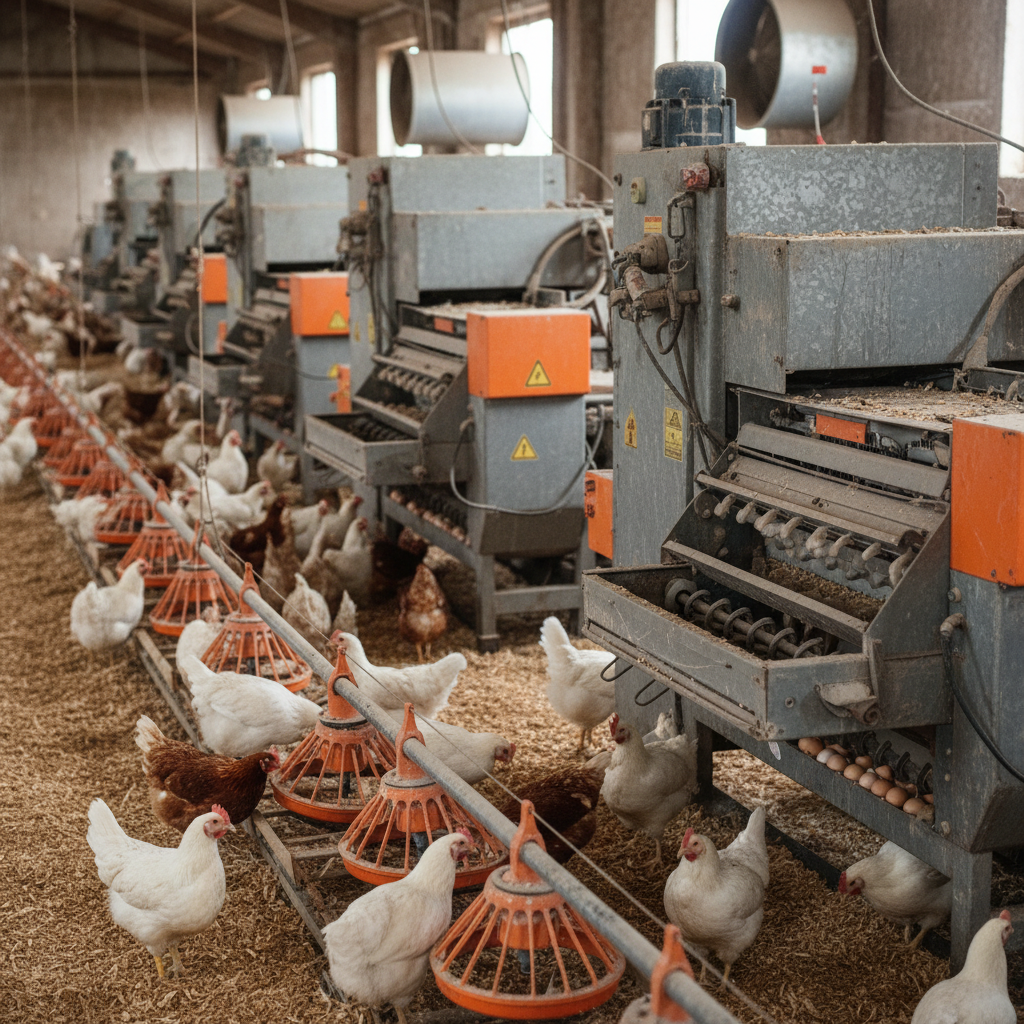
Selecting the right machinery for livestock nutrition often comes down to a balance between throughput capacity and pellet durability. For many small to medium-scale operations, the transition from mash feed to pelleted feed is a critical step in reducing waste and improving animal growth rates.
The complexity of modern animal husbandry requires a nuanced approach to feed processing. Whether managing poultry, swine, or rabbit populations, the consistency of the feed pellet directly impacts digestive efficiency and overall farm profitability. This shift has led many operators to scrutinize the technical capabilities of various feed pellet machine suppliers to ensure their equipment can handle diverse raw material compositions.
Evaluating the landscape of feed processing involves understanding not just the machine itself, but the integrated system—from grinding and mixing to the final pelleting and cooling phases. The following analysis examines the core technicalities and selection frameworks necessary for optimizing feed production.


Feed processing has moved from simple manual mixing to highly automated pelleting systems. Early methods relied on basic extrusion, but the industry has shifted toward precision-engineered dies and rollers that allow for exact control over pellet diameter and density. This evolution was driven by the need to eliminate "sorting" behavior in livestock, where animals pick out specific ingredients, leaving nutrient-poor mash behind.
Modern systems now incorporate advanced moisture control and pre-conditioning stages. By applying heat and steam before compression, the starches in the feed are gelatinized, which not only binds the pellet more effectively but also improves the digestibility of the final product for the animal.
At the heart of any pellet machine is the interaction between the roller and the die. The roller forces the conditioned mash through the die holes, creating immense pressure and friction. This process transforms a loose powder into a solid, dense cylinder. The ratio of the roller diameter to the die diameter is a primary factor in determining the throughput and the mechanical stress placed on the machine.
Material science plays a crucial role here. The dies must be made from wear-resistant alloys to withstand the constant abrasion of raw grains and minerals. If the die wears down unevenly, the resulting pellets will vary in size and strength, potentially clogging automatic feeding lines.
Moreover, the compression ratio—the relationship between the diameter of the die hole and its length—determines the pellet's hardness. A higher compression ratio produces a denser pellet, which is often necessary for transport over long distances to prevent crumbling, though it requires more energy and puts more strain on the motor.
When analyzing the output of feed processing equipment, operators must look beyond the simple hourly tonnage. The quality of the pellet is measured by the Pellet Durability Index (PDI), which indicates how well the pellet maintains its integrity during handling and transport.
The optimal feed pellet is characterized by a high PDI, uniform dimensions, and a surface finish that prevents dust accumulation, thereby reducing respiratory issues in poultry and swine.
Energy efficiency is another vital indicator. The amount of kilowatt-hours consumed per ton of produced feed directly impacts the operational cost. High-efficiency machines optimize the motor torque and roller gap to minimize wasted energy and heat buildup during the compression cycle.
Comparing different equipment configurations requires a standardized approach to performance. Factors such as moisture content of the raw material, die hole diameter, and motor power all contribute to the overall efficiency of the production line.
By quantifying the relative impact of these variables, farm managers can decide whether to invest in higher-capacity units or focus on improving the pre-conditioning phase to lower the mechanical load on the pelleting machine.
Feed processing does not exist in a vacuum; it is the first step in a larger chain of breeding automation. When the output of a pellet machine is consistent, it allows for the seamless operation of automatic feeding lines and silos. Inconsistent pellet sizes can lead to blockages in the transport augers, causing feed gaps that stress the animals and hinder growth.
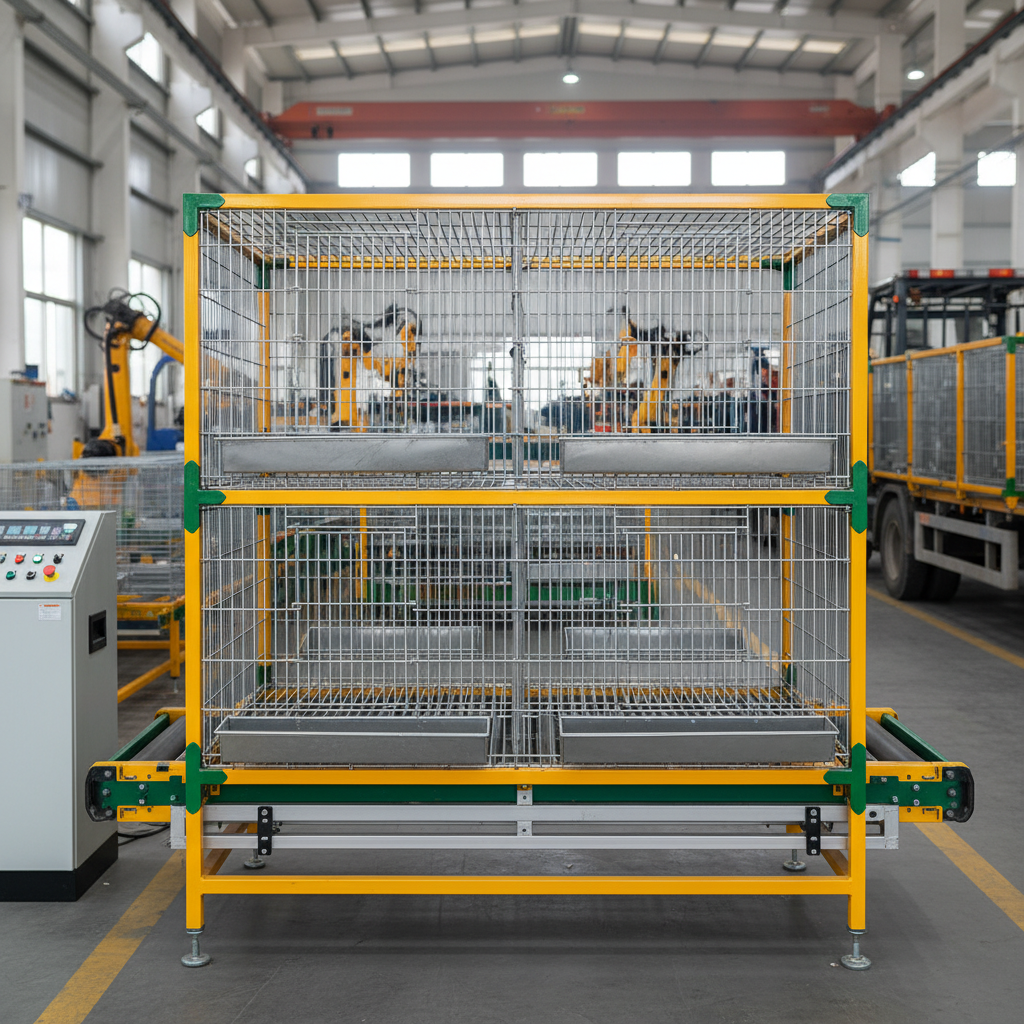
For enterprises like Anping County Yize Metal Products Co., Ltd., providing a holistic approach means considering the synergy between feed processing machines and the housing equipment. Integrating high-quality pelleting with automated feeding lines ensures that the nutrient-dense feed is delivered precisely where and when the livestock needs it, minimizing manual labor and waste.
The industry is moving toward "precision nutrition," where feed formulations are adjusted in real-time based on the growth stage of the animal. This requires pelleting machines that can handle frequent changes in raw material composition without requiring extensive downtime for cleaning or die changes.
Digital twin technology and IoT sensors are beginning to appear in larger plants, allowing operators to monitor the temperature and pressure within the die in real-time. This predictive maintenance approach reduces the risk of catastrophic failure and ensures that the pellets are always produced at the optimal thermal point.
Sustainability is also driving innovation. New designs focus on reducing the carbon footprint of the heating process and utilizing recycled materials for the outer frames of the machinery, all while maintaining the rigorous hygiene standards required for food-grade animal feed.
Choosing between various feed pellet machine suppliers requires a framework that balances upfront cost with long-term operational expenses. The "cheapest" machine often becomes the most expensive when considering the cost of frequent die replacements and energy inefficiency.
Buyers should evaluate the supplier's ability to provide customized die sizes for different livestock species. A poultry pellet requires a significantly different diameter and density than a cattle pellet; a supplier that offers a one-size-fits-all solution is rarely the best choice for a professional operation.
Finally, the quality of after-sales support and the availability of wear parts are non-negotiable. Because feed production is a daily necessity, any downtime in the pelleting line can lead to significant losses in animal weight gain and overall farm productivity.
| Evaluation Factor | Low-End Supplier | Mid-Range Supplier | Premium Supplier | Criticality |
|---|---|---|---|---|
| Material Grade | Carbon Steel | Hardened Alloy | Tungsten Carbide | High |
| Energy Efficiency | Basic Motor | Variable Frequency | Smart Inverter | Medium |
| Die Customization | Standard Only | Limited Options | Full Bespoke | High |
| PDI Consistency | Variable | Stable | Precision Controlled | High |
| Support Network | Email Only | Regional Tech | Global 24/7 | Medium |
| Lifecycle Cost | High (Maintenance) | Balanced | Low (Durability) | High |
Flat die machines are generally more suitable for small-scale farms and a wider variety of materials, as they are easier to operate and maintain. Ring die machines are engineered for high-volume industrial production, offering superior throughput and more consistent pellet quality due to the way material is compressed against the ring. The choice depends entirely on the required hourly capacity and the specific livestock being fed.
Moisture acts as a lubricant and a binding agent. If the feed is too dry, friction increases, leading to excessive heat and rapid wear of the die and rollers; it may also result in pellets that crumble easily. If the feed is too wet, the pellets may become too soft or "mushy," causing them to stick together in the storage bin or clog the automatic feeding system. Most professionals aim for a moisture level between 12% and 15%.
Prioritize the quality of the alloy used in the die and the manufacturer's track record with specific livestock needs. You should also verify their ability to provide consistent spare parts and technical support. A supplier that understands the integration of the pellet machine into a larger breeding automation system—such as combining it with automatic feeders—will provide more value than one that only sells a standalone machine.
Yes, provided the machine allows for the exchange of dies. Poultry typically requires smaller, denser pellets, while pigs may require larger diameters depending on their age. The core mechanical structure of the machine remains the same, but the die hole diameter and the compression ratio must be adjusted to meet the nutritional and physical requirements of each animal species.
Replacement frequency depends on the abrasiveness of the raw materials (e.g., high mineral content increases wear) and the total tonnage processed. High-grade alloy dies can last for thousands of hours, but regular inspection is necessary. If you notice a drop in pellet density or an increase in motor power consumption, it is usually a sign that the die has worn down and needs replacement to maintain efficiency.
Yes, for several reasons. First, it prevents livestock from selectively eating only the most palatable parts of the feed, ensuring they receive a balanced diet in every bite. Second, the pelleting process often involves heat, which can neutralize certain anti-nutritional factors in raw grains. Third, pellets reduce feed waste caused by spilling or wind, leading to a better feed conversion ratio (FCR) and faster growth.
Optimizing livestock nutrition begins with the mechanical precision of the feed production line. By focusing on high-durability materials, precise compression ratios, and seamless integration with breeding automation, farm operators can significantly reduce waste and improve the health and productivity of their animals.
Ultimately, the goal is to move from simply "making feed" to "engineering nutrition." When working with experienced suppliers, the focus shifts from the purchase price to the total cost of ownership, ensuring that the machinery supports the farm's growth for years to come without becoming a bottleneck in the production cycle.