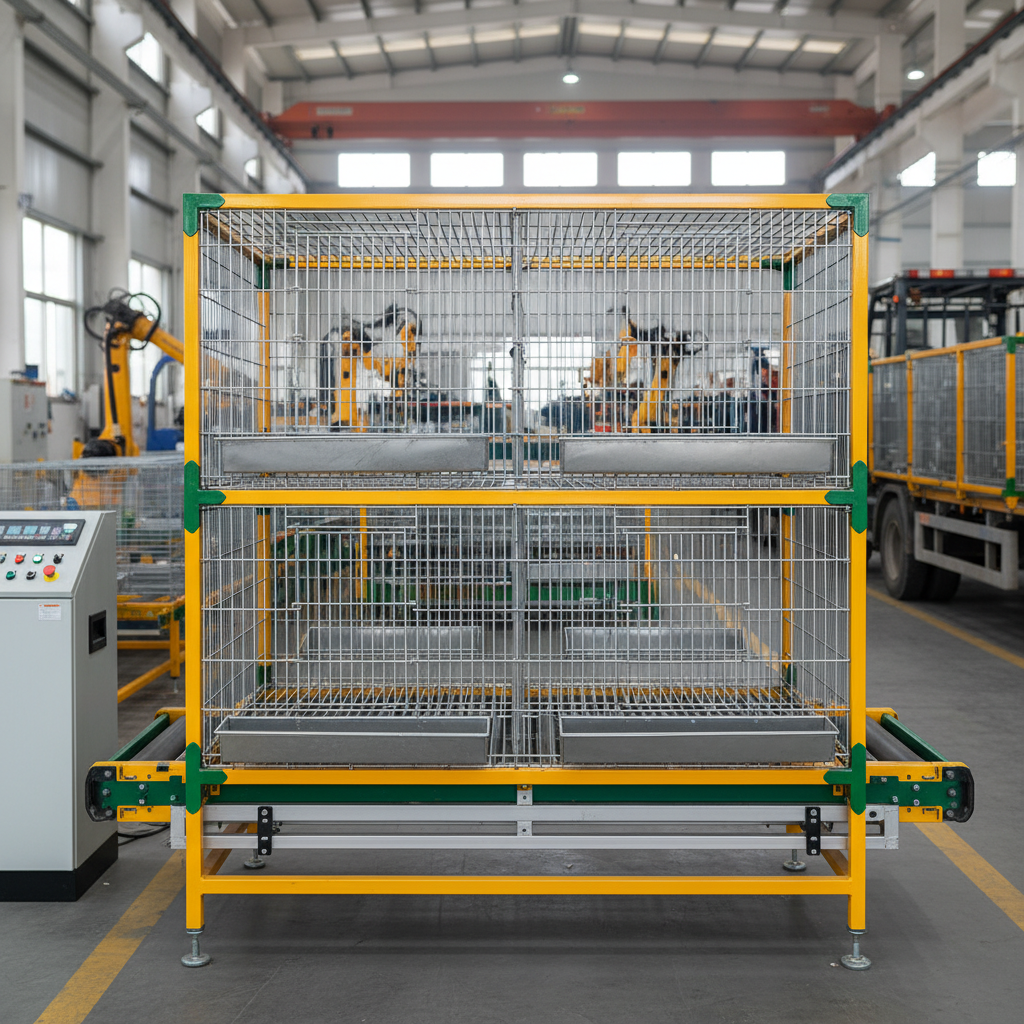
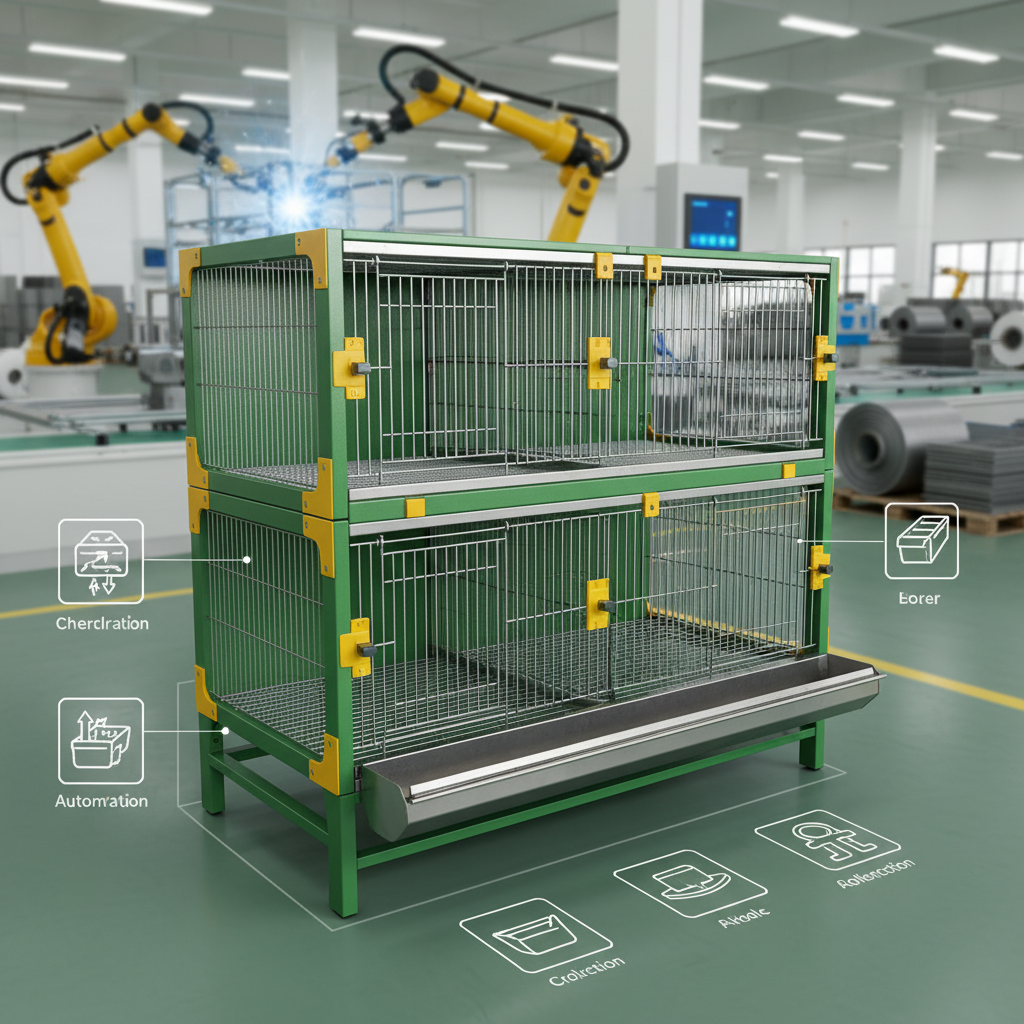
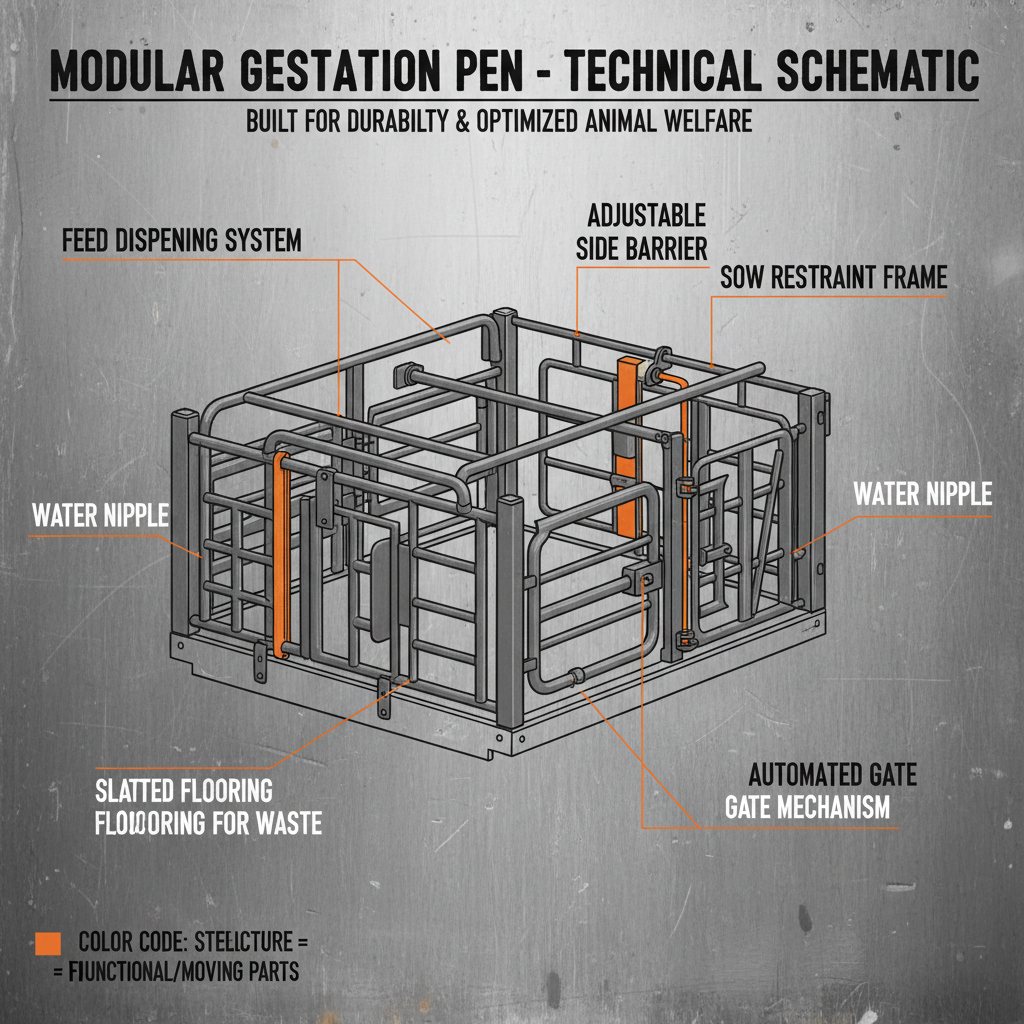
In the evolving landscape of modern cuniculture, the selection of appropriate housing is the cornerstone of operational success. The 4 hole rabbit cage represents a strategic balance between space optimization and animal welfare, allowing farmers to manage smaller cohorts of rabbits with high precision. By utilizing a multi-compartment design, this system ensures that breeding and rearing can be handled in a structured environment that minimizes stress and maximizes yield.
Globally, the demand for high-quality rabbit protein is rising, prompting a shift from traditional open-pen systems to specialized equipment. The 4 hole rabbit cage addresses the critical need for hygiene and disease control, which are often the biggest hurdles in small-to-medium scale farming. With the integration of galvanized materials and ergonomic layouts, these cages provide a sustainable solution for livestock managers aiming for consistency.
Understanding the technical specifications and application of the 4 hole rabbit cage is essential for anyone looking to integrate breeding automation. Whether for commercial meat production or pedigree breeding, the ability to isolate animals while maintaining a compact footprint makes this specific configuration a gold standard in the industry.
Global Relevance of the 4 Hole Rabbit Cage
The global livestock market has seen a significant uptick in the adoption of intensive farming techniques to meet the nutritional needs of a growing population. In this context, the 4 hole rabbit cage has become an essential tool for farmers in Europe, Asia, and Africa, where land availability is often limited. By concentrating the housing into a four-compartment vertical or horizontal grid, producers can significantly increase their livestock density without compromising the health of the animals.
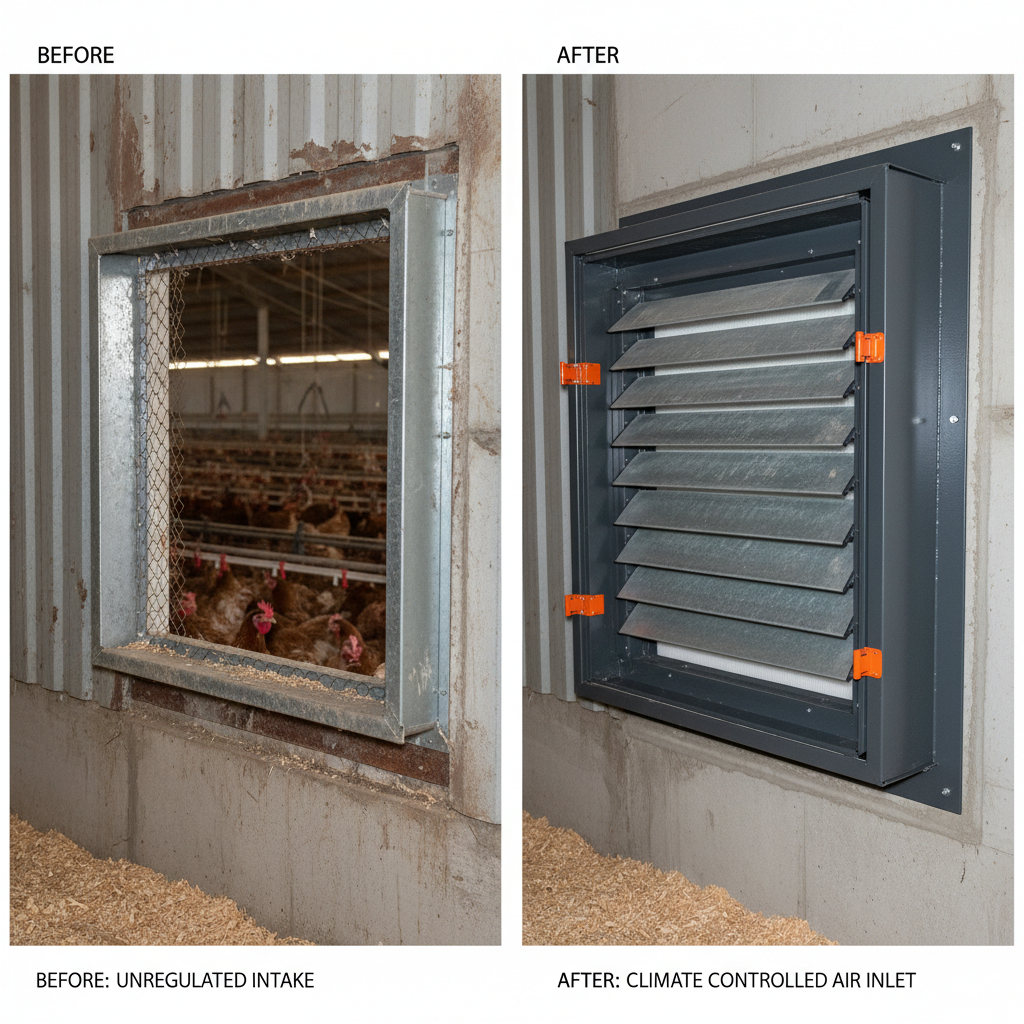
According to industry standards mirroring ISO quality guidelines, the transition to modular housing like the 4 hole rabbit cage reduces the incidence of soil-borne diseases and parasites. This shift is not merely about space; it is about creating a controlled environment where temperature, ventilation, and waste management can be monitored. The challenge of "disease clusters" in traditional flooring is effectively mitigated by the elevated wire mesh design typical of these professional cages.
Defining the Architecture of 4 Hole Rabbit Cages
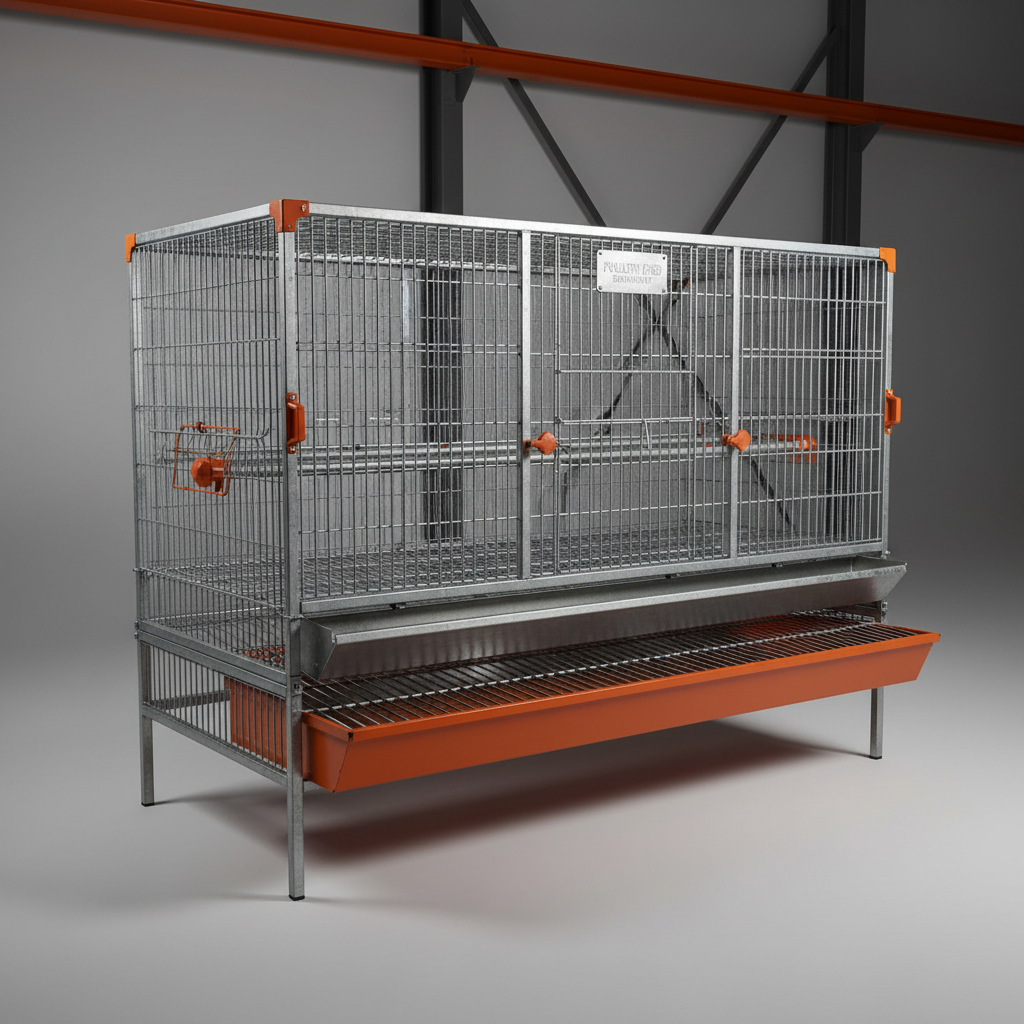
At its core, a 4 hole rabbit cage is a specialized livestock enclosure divided into four distinct sections, designed to house either four separate adult rabbits or a combination of does and kits. This configuration is specifically engineered to facilitate the "separation of concerns" in breeding, allowing a farmer to isolate a sick animal or separate a buck from a doe instantly without disturbing the rest of the colony.
From a technical perspective, the "four-hole" design is chosen because it represents the optimal balance between structural integrity and accessibility. Cages that are too large become difficult to clean, while those that are too small restrict natural movement. The 4 hole rabbit cage utilizes a precise gauge of galvanized steel wire, ensuring that the floor is firm enough to support the weight of the rabbit but permeable enough to allow waste to fall through.
In the broader scope of humanitarian and agricultural development, these cages enable small-scale farmers in developing regions to transition from subsistence farming to commercial viability. By providing a standardized, hygienic environment, the 4 hole rabbit cage ensures a higher survival rate for kits and a more predictable growth cycle for meat rabbits, directly impacting the food security of the local community.
Core Components for Maximum Durability
The longevity of a 4 hole rabbit cage depends heavily on the quality of the raw materials used. High-grade hot-dipped galvanized steel is the primary component, providing a protective zinc layer that prevents oxidation and rust, even in the humid environments common in livestock barns. This ensures that the structural framework remains rigid over years of constant use.
Another critical element is the floor mesh design of the 4 hole rabbit cage. A semi-smooth wire finish is employed to prevent "sore hocks" (pododermatitis), a common ailment in caged rabbits. By optimizing the wire diameter and spacing, manufacturers create a surface that supports the paw while facilitating the immediate removal of excrement, which is vital for maintaining a sterile environment.
Finally, the integration of automated feeding and watering systems transforms the 4 hole rabbit cage from a simple box into a piece of precision equipment. Nipple drinkers and J-shaped feeders are typically integrated into the front of each hole, reducing feed wastage and ensuring that each animal has constant access to clean water without the risk of contamination from waste.
Economic Efficiency and Scalability Analysis
When calculating the Return on Investment (ROI) for a cuniculture operation, the 4 hole rabbit cage offers a superior cost-to-benefit ratio. Its modular nature allows farmers to start with a few units and scale up linearly as their herd grows. This reduces the initial capital expenditure while maintaining a professional standard of care that prevents costly losses due to disease or poor hygiene.
Furthermore, the labor efficiency provided by the 4 hole rabbit cage is substantial. Because the animals are organized in a predictable grid, tasks such as feeding, health checks, and cleaning are streamlined. The time spent per animal is reduced by approximately 30% compared to traditional pen systems, allowing the operator to focus on genetic selection and market expansion.
Efficiency Comparison of Rabbit Housing Methods
Practical Global Applications in Cuniculture
The deployment of the 4 hole rabbit cage varies by region based on the primary goal of the farm. In European markets, where animal welfare regulations are stringent, these cages are often used in combination with environmental control systems to ensure optimal airflow and temperature. They serve as the primary housing for breeding does, providing a secure space for kidding and early nursing.
In contrast, in Southeast Asia and parts of Africa, the 4 hole rabbit cage is frequently used in "backyard commercial" setups. Here, the focus is on maximum protein output per square meter. The cages are often stacked vertically to create a "wall of production," allowing a family to run a profitable business within a very small footprint, thereby enhancing the economic resilience of rural households.
Long-Term Value and Animal Welfare Impact
Investing in a professional 4 hole rabbit cage is an investment in the long-term health of the livestock. By eliminating the risk of rabbits digging into the earth or coming into contact with their own waste, the cage drastically reduces the incidence of coccidiosis and other parasitic infections. This creates a stable health baseline, reducing the need for expensive veterinary interventions and antibiotics.
From a psychological perspective, the division of the cage into four holes prevents aggressive fighting among territorial adults. Rabbits are naturally territorial; by providing clear physical boundaries, the 4 hole rabbit cage minimizes stress-induced behaviors and prevents injuries. A calm rabbit grows faster and produces higher-quality meat or fur, directly linking welfare to profit.
Moreover, the reliability of these systems fosters trust between the producer and the consumer. In an era where "farm-to-table" transparency is demanded, being able to demonstrate a clean, organized, and professional housing system like the 4 hole rabbit cage gives producers a competitive edge in high-end markets and organic certifications.
Future Innovations in Rabbit Housing Systems
The future of the 4 hole rabbit cage lies in the integration of "Smart Farming" or Agriculture 4.0. We are seeing the emergence of sensors integrated directly into the cage frames to monitor animal weight and activity levels in real-time. This allows farmers to identify a sick rabbit or a pregnancy through subtle changes in behavior before visual symptoms appear.
Sustainability is also driving a shift in materials. While galvanized steel remains the standard, new eco-friendly coatings and recycled high-density polymers are being tested to reduce the carbon footprint of manufacturing. These new materials aim to maintain the strength of the 4 hole rabbit cage while offering even greater resistance to corrosive ammonia fumes.
Automation will continue to evolve, with robotic cleaning systems designed to slide beneath the 4 hole rabbit cage arrays, removing waste automatically. This will virtually eliminate the most labor-intensive part of rabbit farming, making the industry more attractive to a younger, tech-savvy generation of agricultural entrepreneurs.
Technical Analysis of 4 Hole Rabbit Cage Variants
| Cage Variant |
Material Grade |
Welfare Score (1-10) |
Estimated Lifespan |
| Standard Galvanized |
Q235 Steel |
7 |
5-8 Years |
| Heavy-Duty Industrial |
Hot-Dip Zinc |
8 |
10-15 Years |
| Eco-Polymer Hybrid |
HDPE / Steel |
9 |
7-10 Years |
| Pedigree Breeding |
Stainless Steel |
10 |
20+ Years |
| Modular Starter Kit |
Electro-galvanized |
6 |
3-5 Years |
| Automated Integration |
Coated Alloy |
8 |
12-15 Years |
FAQS
The 4 hole rabbit cage offers superior space efficiency and organizational capacity. It allows farmers to group rabbits by age or gender while maintaining complete physical separation, reducing the labor required to move animals between different housing units. It is far more cost-effective for scaling operations than purchasing dozens of individual cages.
To prevent pododermatitis, ensure you select a 4 hole rabbit cage with a high-quality, semi-smooth mesh floor. Additionally, providing a small resting mat or a wooden plank in each section allows the rabbit to take its weight off the wire, significantly improving comfort and health.
Yes, it is highly suitable. The individual compartments allow for the placement of nesting boxes within one or more of the holes, ensuring the doe has a private, secure area for her kits while still being easily accessible to the farmer for monitoring and feeding.
Because these cages are elevated and use a permeable wire floor, waste falls directly into a collection tray or onto the ground. This eliminates the need to manually scrub floors. A simple daily removal of the waste tray or a weekly hose-down makes maintenance incredibly efficient.
Most professional 4 hole rabbit cages are designed for modular stacking. By using a dedicated support frame, you can create vertical batteries that maximize your vertical space, which is ideal for indoor facilities or small sheds where floor area is limited.
Depending on the quality of the galvanization and the environmental conditions, a standard 4 hole rabbit cage typically lasts between 5 to 15 years. Regular cleaning and avoiding the use of harsh acidic chemicals during washing can extend the lifespan of the zinc coating.
Conclusion
The 4 hole rabbit cage is more than just a containment unit; it is a fundamental component of a productive and ethical cuniculture operation. By integrating durability, spatial efficiency, and a focus on animal welfare, this system empowers farmers to scale their production while maintaining the highest standards of hygiene and health. From the strategic use of galvanized steel to the modular flexibility it offers, the four-compartment design solves the primary challenges of livestock density and disease management.
As the industry moves toward greater automation and sustainability, the role of specialized equipment will only grow. For those looking to enter the rabbit farming market or upgrade their existing facility, adopting professional housing solutions is the most reliable path to long-term profitability. We recommend prioritizing high-grade materials and ergonomic designs to ensure your investment pays dividends for years to come. Visit our website for more professional equipment: www.yizemachine.com