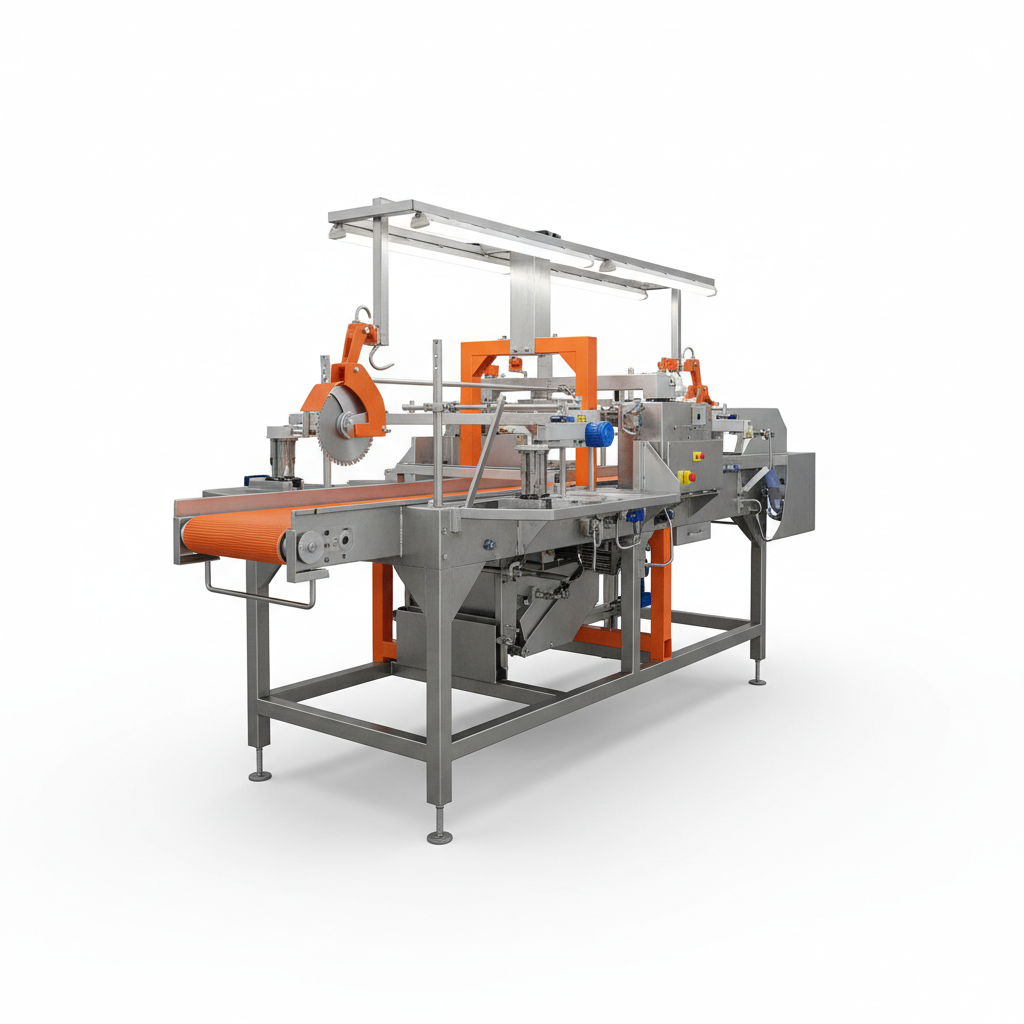
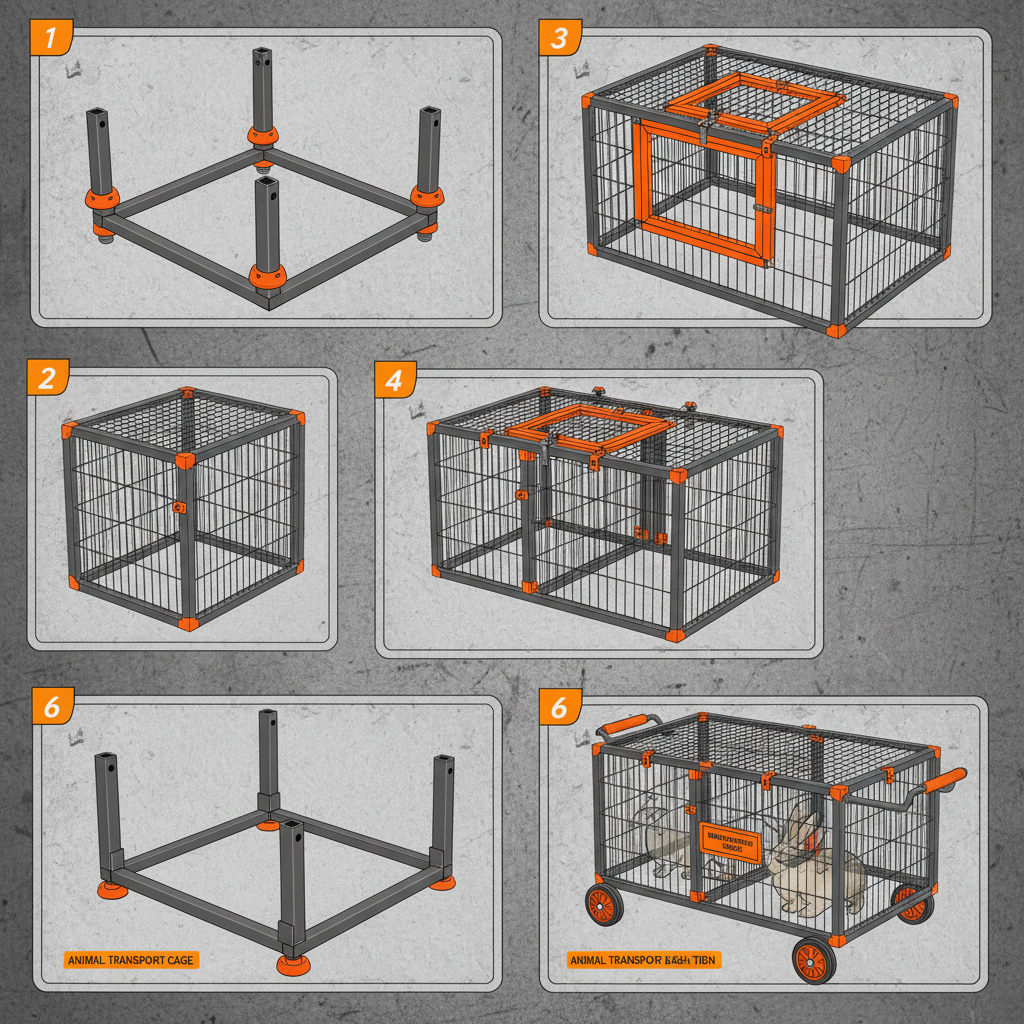
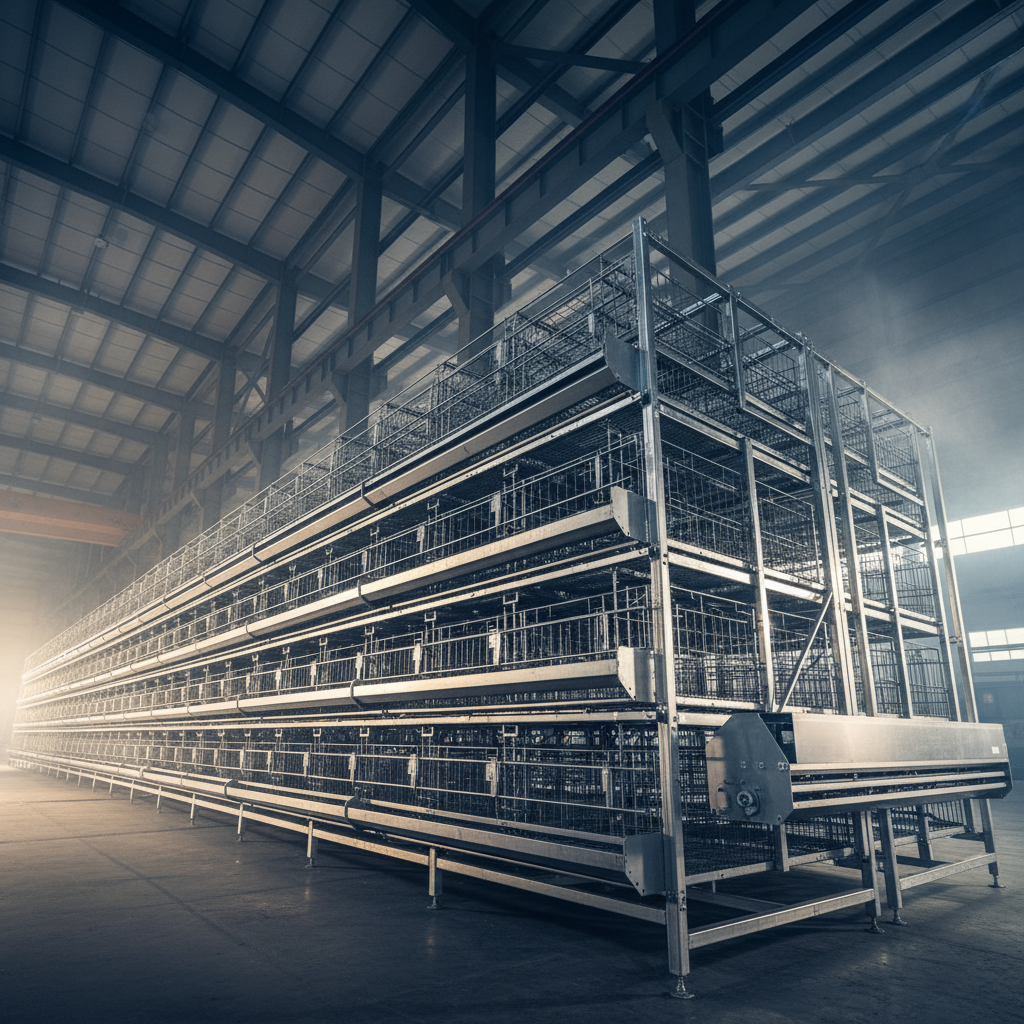
Look, I’ve spent the last fifteen years knee-deep in dust and concrete, watching things get built – and sometimes, not built very well. That’s why I pay attention to solutions like stacking rabbit cage. It’s not just about keeping rabbits; it’s about efficient space use, animal welfare, and frankly, making life easier for the people running these operations. We’re seeing a growing demand for these systems, not just from hobby farmers, but from commercial breeders and even research facilities. The need for scalable, hygienic, and cost-effective housing solutions is real, and stacking rabbit cage is directly addressing that.
What I’ve noticed is, a lot of folks jump straight to the low initial cost. That’s a mistake. You need to look at the total cost of ownership. Cleaning, maintenance, disease control… those costs add up fast if you’re using flimsy, poorly designed setups. A well-built stacking rabbit cage, constructed with durable materials and a smart design, pays for itself over time. Plus, the ability to easily expand as your operation grows is a huge advantage in a market that can shift quickly.
And it's not just about the money. It's about doing things right. Good animal husbandry means providing a clean, safe environment. These systems, when done well, contribute to that. Happy, healthy animals mean a better product, and a better reputation. It’s a surprisingly impactful piece of the puzzle, and one I’m seeing more and more of my contacts in the industry take seriously.
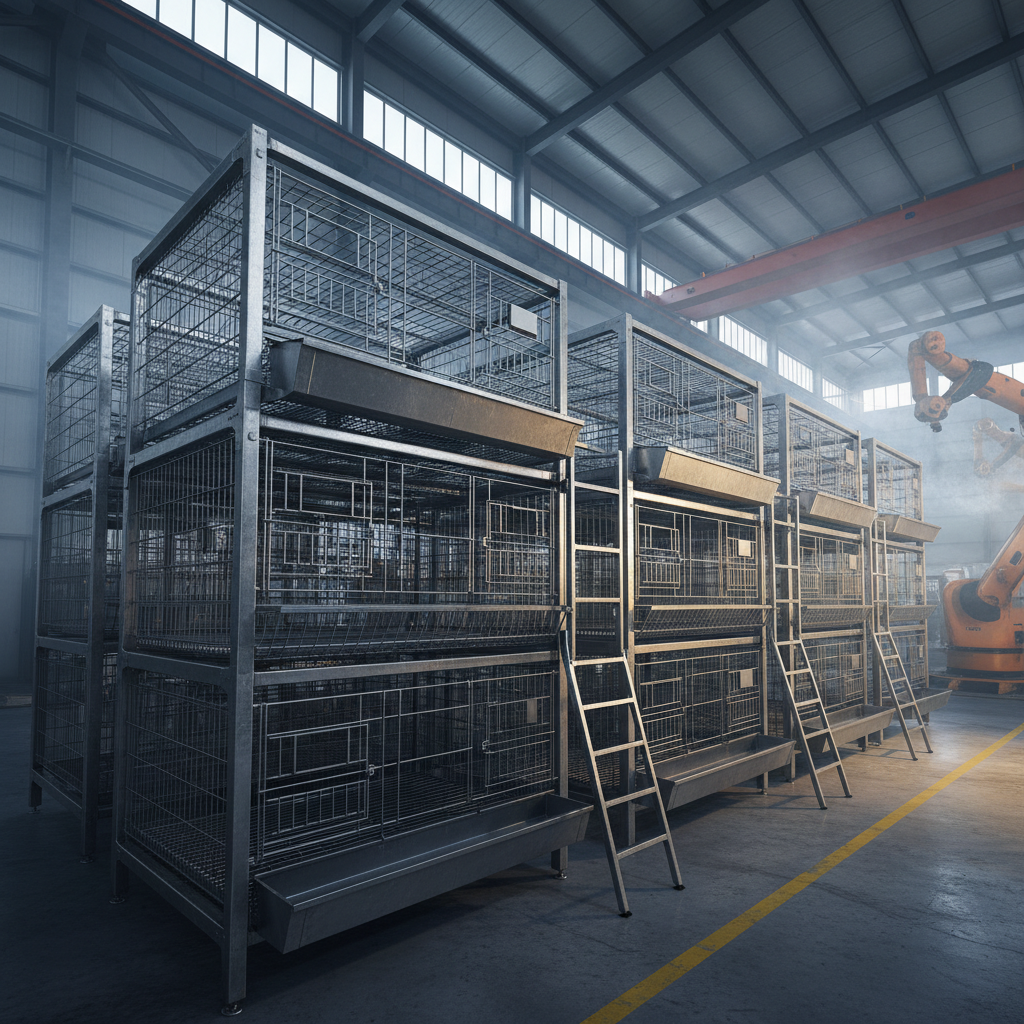
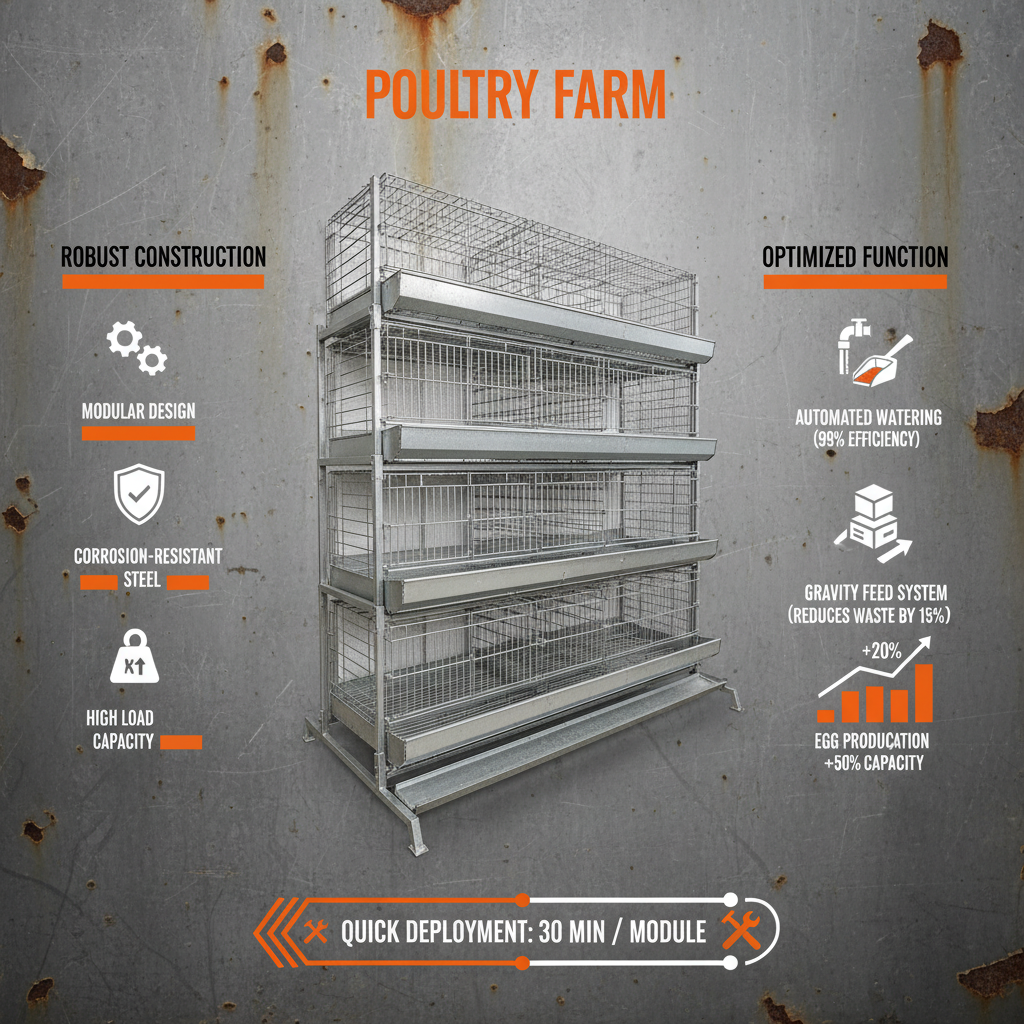
I’ve seen operations crippled by space constraints. Especially in areas with high land costs, maximizing your footprint is critical. Stacked rabbit cage solves that problem directly. It allows breeders to significantly increase their capacity without expanding their physical location. This is a game-changer for businesses looking to scale.
But it’s not just about squeezing more animals into a smaller area. It’s about efficient workflow, better sanitation, and improved animal management. When cages are stacked and designed correctly, it simplifies cleaning, feeding, and health monitoring. That translates to less labor and fewer losses.
Honestly, it's underestimating the importance of ventilation. People get focused on capacity and forget that rabbits need fresh air. Poor ventilation leads to ammonia buildup, respiratory issues, and a whole host of problems. Invest in a good ventilation system from the start.
It depends on the design, of course. But a well-designed system should have removable trays and sloped floors to make cleaning as easy as possible. You should be able to thoroughly clean each cage in a matter of minutes. Avoid systems that require a lot of disassembly or scrubbing.
Galvanized steel is the gold standard, hands down. It’s strong, corrosion-resistant, and can withstand years of use. Plastic is a cheaper option, but it’s not as durable. Wood can work, but it needs to be properly treated to prevent rot and pest infestations.
That depends on the number of rabbits you plan to house. However, stacking allows you to significantly reduce your overall footprint. A good rule of thumb is to allow at least 1 square foot of floor space per rabbit, but that can vary depending on the breed and size. Plan carefully to maximize space efficiency.
Yes, absolutely. Local and regional regulations regarding animal welfare and housing standards vary. It’s essential to check with your local authorities to ensure that your system meets all applicable requirements. Ignoring these regulations can lead to fines and other penalties.
With proper maintenance, a galvanized steel stacking rabbit cage can easily last 10-15 years, or even longer. Regular cleaning, occasional repairs, and preventative maintenance are key. Avoid systems that are prone to rust or corrosion, as these will have a much shorter lifespan.
Stacking rabbit cage isn’t just a trend; it’s a practical solution to real challenges faced by breeders and animal handlers. It’s about maximizing space, improving efficiency, enhancing animal welfare, and ultimately, building a more sustainable operation. The benefits are tangible, and the technology is continually evolving.
If you’re serious about rabbit breeding or animal husbandry, I strongly encourage you to explore the possibilities of stacking rabbit cage. Do your research, choose a reputable supplier, and invest in a system that’s built to last. You can find more information and explore our range of systems at yizemachine.com.






 Afrikaans
 Albanian
 Amharic
 Arabic
 Armenian
 Azerbaijani
 Basque
 Belarusian
 Bengali
 Bosnian
 Bulgarian
 Catalan
 Cebuano
 Corsican
 Croatian
 Czech
Czech
 Danish
 Dutch
Dutch
 Esperanto
 Estonian
 Finnish
 French
 Frisian
 Galician
 Georgian
 German
 Greek
Greek
 Gujarati
 Haitian Creole
 Hausa
Hausa
 Hawaiian
 Hebrew
 Hindi
Hindi
 Miao
Miao
 Hungarian
 Icelandic
 Igbo
Igbo
 Indonesian
 Irish
Irish
 Italian
 Japanese
 Javanese
 Kannada
 Kazakh
 Khmer
Khmer
 Rwandese
 Korean
 Kurdish
 Kyrgyz
 Lao
Lao
 Latin
Latin
 Latvian
 Lithuanian
 Luxembourgish
 Macedonian
 Malgashi
 Malay
Malay
 Malayalam
 Maltese
 Maori
Maori
 Marathi
 Mongolian
 Myanmar
 Nepali
 Norwegian
 Norwegian
 Occitan
 Pashto
 Persian
 Polish
 Portuguese
 Punjabi
 Romanian
 Russian
 Samoan
 Scottish Gaelic
 Serbian
 Sesotho
 Shona
Shona
 Sindhi
 Sinhala
 Slovak
 Slovenian
 Somali
 Spanish
 Sundanese
 Swahili
 Swedish
 Tagalog
 Tajik
Tajik
 Tamil
Tamil
 Tatar
Tatar
 Telugu
 Thai
Thai
 Turkish
 Turkmen
 Ukrainian
 Urdu
Urdu
 Uighur
 Uzbek
Uzbek
 Vietnamese
 Welsh
Welsh
 Bantu
Bantu
 Yiddish
 Yoruba
 English