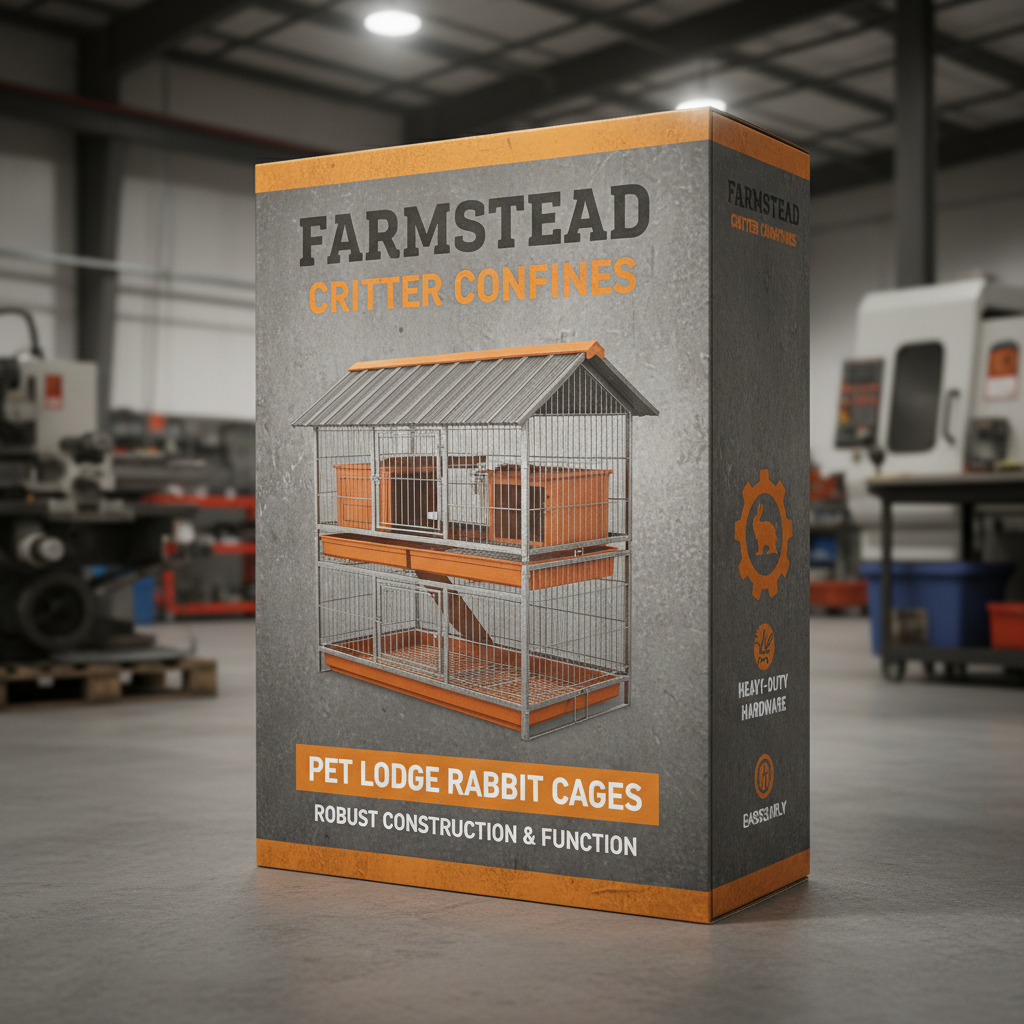
The modern livestock industry is increasingly shifting toward precision farming, where the efficiency of housing plays a pivotal role in animal welfare and commercial viability. A 6 hole rabbit cage represents a strategic balance between space optimization and animal health, allowing breeders to maximize their output without compromising the quality of care. By consolidating multiple units into a single streamlined structure, farmers can significantly reduce labor costs and improve sanitation management.
Globally, the demand for high-quality protein has led to a resurgence in cuniculture, particularly in regions where land is scarce and resource efficiency is paramount. The implementation of a standardized 6 hole rabbit cage system enables a transition from traditional, haphazard penning to a professional, automated approach. This shift is not merely about capacity; it is about creating a controlled environment that minimizes disease transmission and optimizes the growth cycle of the rabbits.
Understanding the technical nuances of these housing systems is essential for any commercial operation looking to scale. From the choice of galvanized steel to the ergonomics of the waste removal system, every detail of the 6 hole rabbit cage is designed to enhance the breeder's workflow. This guide explores how such specialized equipment integrates into the broader ecosystem of breeding automation, ensuring a sustainable and profitable venture.
Global Relevance of the 6 hole rabbit cage
In the current global agricultural landscape, the 6 hole rabbit cage has become a staple for medium-to-large scale breeders who aim to standardize their production. According to industry trends aligned with ISO quality standards for livestock equipment, the move toward modular housing reduces the risk of zoonotic diseases by isolating animals in sanitized, easy-to-clean compartments. This structural approach allows for better monitoring of individual rabbit health, which is critical for maintaining herd stability in volatile markets.
Furthermore, in developing economies, the adoption of the 6 hole rabbit cage provides a scalable solution for food security. By utilizing vertical space, smallholder farmers can increase their rabbit population without requiring extensive land expansion. This efficiency is mirrored in the high-density farming models seen in Europe and Asia, where the focus is on reducing the carbon footprint per kilogram of meat produced.
Technical Definition and Industrial Meaning
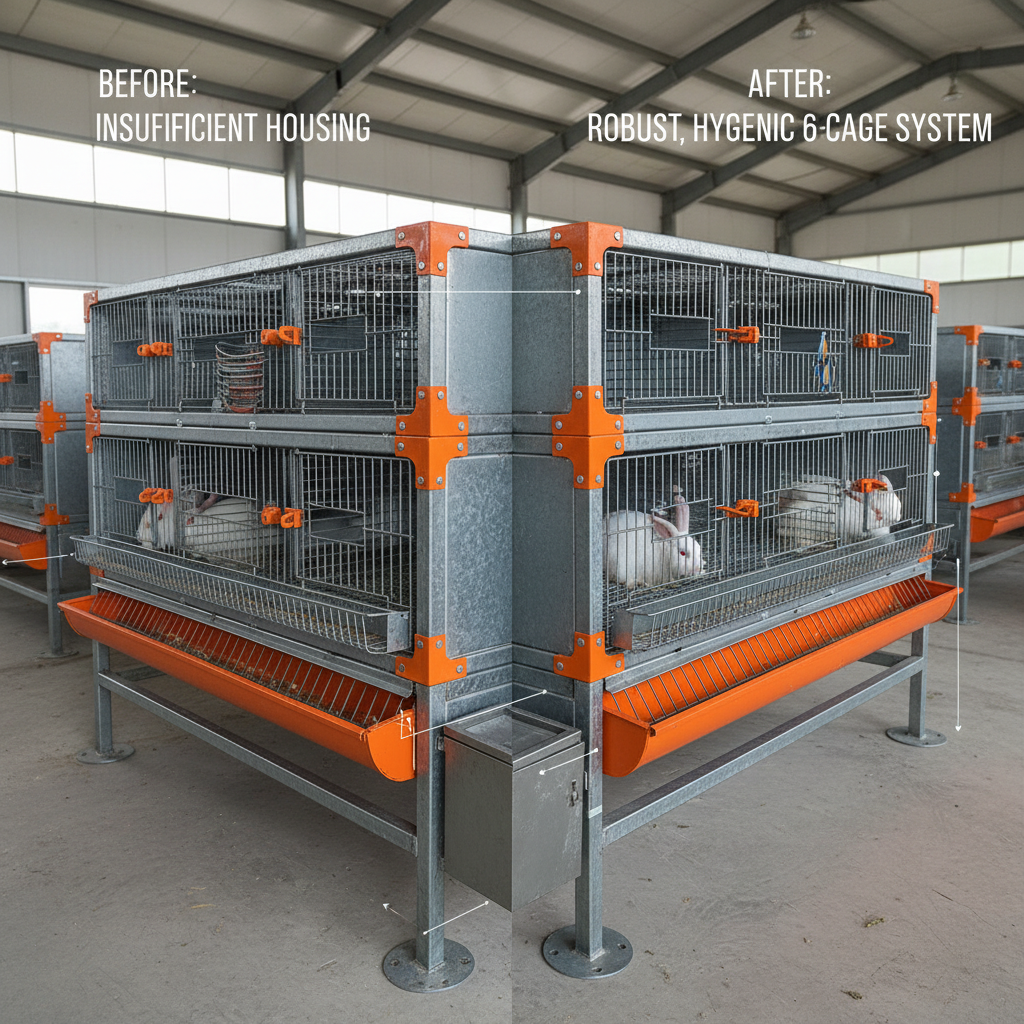
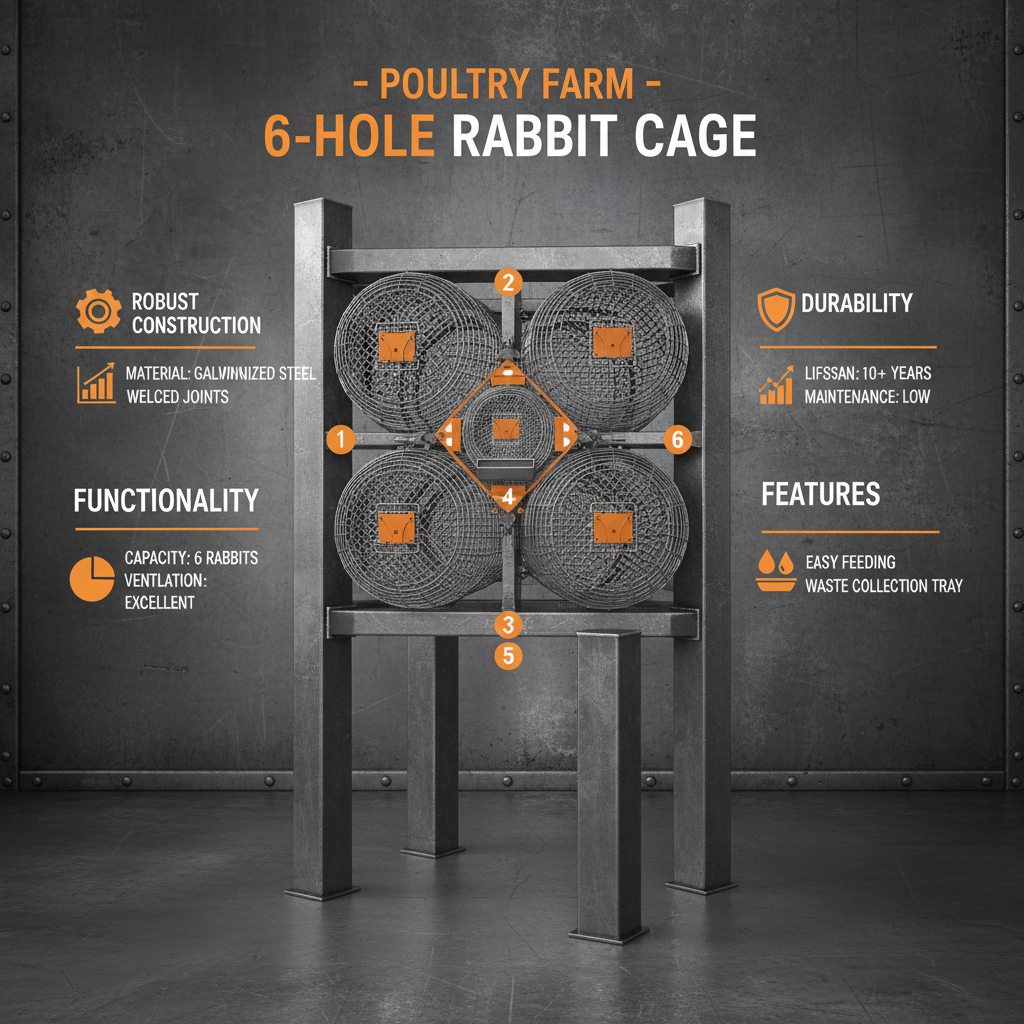
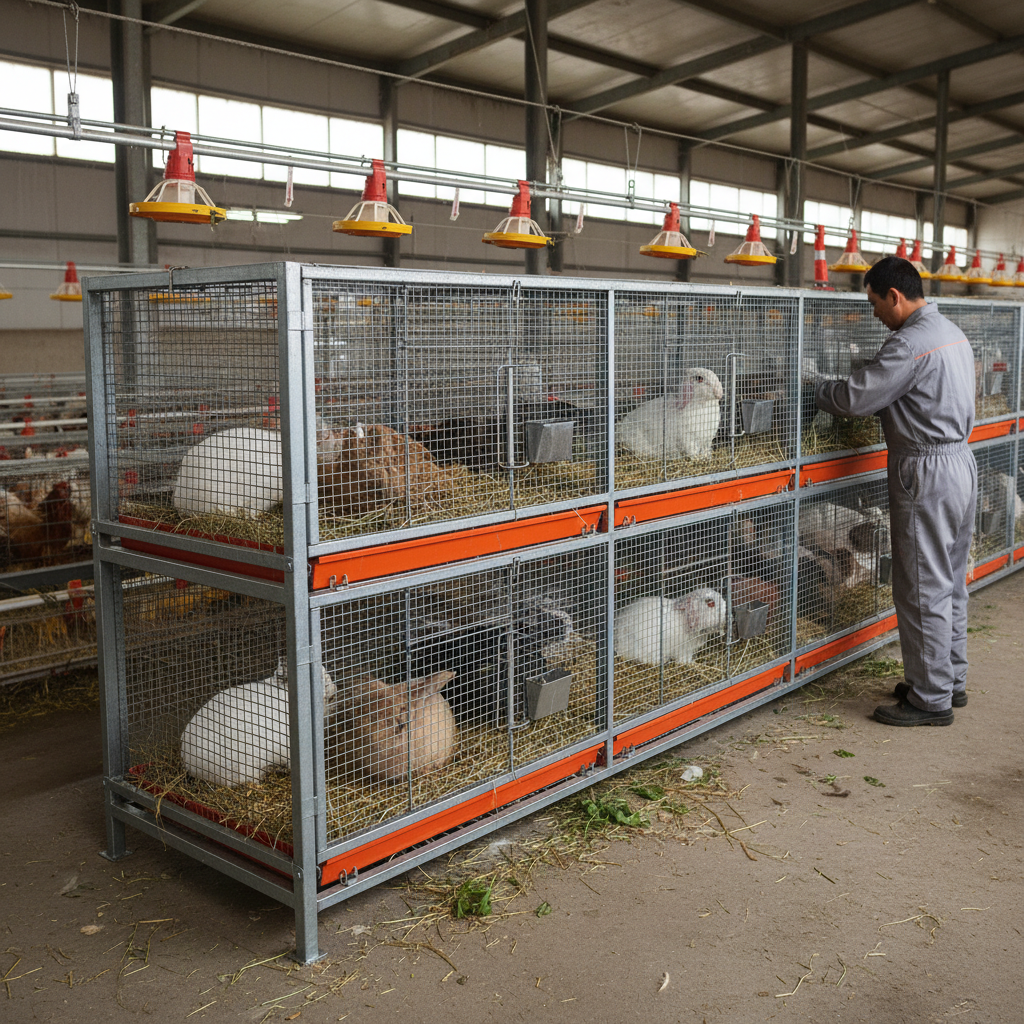
Technically, a 6 hole rabbit cage is a precision-engineered livestock housing unit divided into six separate compartments, typically constructed from heavy-duty galvanized wire or stainless steel. Unlike basic cages, these units are designed with integrated feeding and watering systems that serve all six inhabitants simultaneously, reducing the man-hours required for daily maintenance. The "6-hole" configuration is specifically optimized for breeding pairs or weaning litters, providing enough space for movement while preventing wasteful territorial disputes.
From an industrial perspective, this equipment is a cornerstone of "Breeding Automation." By standardizing the dimensions of the 6 hole rabbit cage, manufacturers can create compatible accessories, such as automatic nipple drinkers and conveyor-belt waste systems. This modularity means that a farm can start with a few units and expand into a massive warehouse operation without needing to redesign their entire infrastructure.
Ultimately, the meaning of the 6 hole rabbit cage extends beyond simple containment. It represents a commitment to animal welfare through engineered hygiene. The wire flooring is calibrated to allow droppings to fall through immediately, preventing the buildup of ammonia and reducing the incidence of pododermatitis (sore hocks), which is a common failure in traditional bedding systems.
Core Components for Maximum Durability
The primary strength of a high-quality 6 hole rabbit cage lies in its material composition. Most professional units utilize hot-dip galvanized steel, which creates a thick protective layer of zinc that prevents rust even in the humid, ammonia-rich environments typical of rabbitries. This ensure that the structural integrity remains intact for decades, providing a high return on investment.
Another critical component of the 6 hole rabbit cage is the ergonomic flooring design. Using a combination of thick gauge wires for support and thinner, smoother wires for the surface, the cage prevents foot injuries while ensuring maximum drainage. This specific engineering prevents the rabbits from slipping and supports their natural posture, directly impacting the quality of the meat and the health of the animal.
Finally, the integration of a standardized feeding trough across the 6 hole rabbit cage ensures that feed waste is minimized. These troughs are often designed with a "J-shape" or "U-shape" to prevent rabbits from pawing feed onto the floor. When coupled with an automatic watering system, the cage becomes a self-sustaining environment that requires only minimal human intervention for basic sustenance.
Practical Applications Across Global Regions
The deployment of the 6 hole rabbit cage varies significantly based on the regional economic goal. In Western Europe, these cages are often integrated into fully automated climate-controlled warehouses where environmental sensors adjust temperature and humidity. Here, the focus is on extreme precision, where each cage unit is part of a larger data-driven system to track growth rates and feed conversion ratios.
In contrast, in regions like Southeast Asia and Africa, the 6 hole rabbit cage is frequently used in semi-intensive systems. Farmers often utilize these cages in naturally ventilated sheds to combat tropical heat, taking advantage of the wire mesh's airflow properties. In these contexts, the cages provide a critical safeguard against predators and ground-borne parasites, which are the leading causes of livestock loss in rural settings.
Comparative Efficiency of 6 hole rabbit cage Models
Long-term Value and Economic Advantages
Investing in a professional 6 hole rabbit cage offers a tangible economic advantage through the reduction of "hidden costs." Traditional flooring often leads to high veterinary bills due to respiratory infections and foot rot. By providing a hygienic, elevated environment, these cages drastically lower the mortality rate and reduce the reliance on expensive antibiotics, thereby improving the organic quality of the end product.
Moreover, the scalability of the 6 hole rabbit cage allows farmers to pivot their business model quickly. Whether expanding into breeding stock sales or focusing on meat production, the versatility of the 6-compartment layout ensures that labor costs do not grow linearly with the animal population. This operational efficiency creates a higher profit margin per square foot of facility space, making it a superior choice for long-term commercial viability.
Future Trends in Rabbit Housing Automation
The future of the 6 hole rabbit cage is inextricably linked to the "Internet of Things" (IoT). We are seeing the emergence of "Smart Cages" equipped with load cells that monitor the weight of the rabbits in real-time. This allows breeders to detect health issues or pregnancy progress without stressing the animals through manual handling, shifting the paradigm from reactive to proactive care.
Sustainability is also driving innovation in materials. New eco-friendly polymer coatings are being tested to replace traditional galvanization, offering even greater corrosion resistance while being more environmentally friendly during production. These materials are being integrated into the 6 hole rabbit cage to extend the lifespan of the equipment to 30+ years, further reducing the waste generated by farm upgrades.
Finally, the integration of automated cleaning systems is reaching new heights. Future iterations of these cages will likely feature integrated flushing systems that remove waste via water channels, completely eliminating the need for manual scraping. This transformation will allow the 6 hole rabbit cage to be part of a fully closed-loop system where waste is automatically diverted to biogas digesters for energy production.
Common Challenges and Professional Solutions
One of the most common challenges faced by breeders is the potential for "cage stress" if animals are overcrowded. To solve this, professional designers have optimized the internal dimensions of the 6 hole rabbit cage to ensure that each animal has a dedicated "safe zone." By providing slightly staggered compartments or integrated nesting boxes, the stress levels are lowered, which in turn improves the reproductive success rates of the does.
Another frequent issue is the buildup of corrosion at the welding points. To overcome this, leading manufacturers are now using robotic laser welding followed by a secondary electro-galvanization process. This ensures that the 6 hole rabbit cage has no exposed raw steel, preventing the "rust-through" effect that often plagues cheaper, manually welded alternatives.
Lastly, managing waste in high-density setups can lead to odor problems. The professional solution is the implementation of a dual-layer waste collection tray system beneath the 6 hole rabbit cage. By separating the liquid and solid waste at the source, farmers can more easily compost the solids and treat the liquids, ensuring that the farm remains compliant with local environmental regulations.
Technical Analysis of 6 hole rabbit cage Design Variations
|
Cage Material
|
Corrosion Resistance
|
Average Lifespan
|
Cost-Benefit Ratio
|
|
Standard Galvanized Steel
|
Moderate (High)
|
8-12 Years
|
9/10
|
|
304 Stainless Steel
|
Excellent
|
20+ Years
|
7/10
|
|
Electro-Galvanized Wire
|
Low
|
3-5 Years
|
4/10
|
|
Powder Coated Steel
|
High (Surface)
|
7-10 Years
|
6/10
|
|
Hybrid Polymer-Steel
|
Very High
|
15-20 Years
|
8/10
|
|
Heavy-Duty Zinc Coated
|
High
|
10-15 Years
|
8/10
|
FAQS
The 6 hole rabbit cage offers superior space efficiency and reduced labor. By sharing a common frame and often a shared watering system, you reduce the overall footprint of your facility and spend less time filling waterers or moving feed. It also allows for better organization of breeding groups, making it easier to track kinship and litter cycles within a single structural block.
The best way to prevent rust is to invest in hot-dip galvanized steel rather than electro-galvanized wire. Additionally, maintaining a well-ventilated environment to reduce ammonia levels and regularly cleaning the waste trays prevents corrosive substances from sitting against the wire for extended periods. For stainless steel models, rust is rarely an issue, but regular rinsing is still recommended.
Yes, provided the cage is equipped with proper nesting boxes. Professional 6 hole units are often designed to accommodate detachable nest boxes for each compartment. This ensures that the doe has a private, safe space for her kits while still benefiting from the hygiene and efficiency of the cage system. Ensure you choose a model with dimensions that allow for a comfortable nest box installation.
Absolutely. The standardized design of the 6 hole rabbit cage makes it compatible with most automatic hopper systems. Feed can be gravity-fed into the shared troughs, ensuring a constant supply without the need for manual daily filling. This is particularly useful for large-scale operations where labor costs are a significant factor in the overhead.
The most efficient method is using a high-pressure water sprayer combined with a mild, animal-safe disinfectant. Because the cages are elevated, you can spray from the top down, allowing waste to be washed directly into the collection trays or drainage channels. Regular scraping of the trays and a weekly deep-wash will keep the environment sterile and the animals healthy.
For commercial use, we recommend a heavy-gauge support wire (usually 3mm-4mm) for the frame and a smoother 2mm-2.5mm wire for the floor. This combination provides the structural strength to hold multiple rabbits without sagging, while the smoother floor prevents foot injuries. Always check the manufacturer's specifications to ensure the gauge is appropriate for the breed of rabbit you are raising.
Conclusion
The implementation of a high-quality 6 hole rabbit cage is more than a simple equipment upgrade; it is a strategic move toward professionalized cuniculture. By integrating durability, hygiene, and space efficiency, these systems allow breeders to maximize their productivity while upholding high standards of animal welfare. From the choice of galvanized materials to the possibility of IoT integration, the 6 hole rabbit cage provides the structural foundation necessary for a sustainable and profitable livestock operation.
As the industry evolves, the focus will continue to shift toward automation and sustainability. We encourage breeders to move away from makeshift housing and embrace standardized, engineered solutions that reduce risk and increase yield. By investing in the right infrastructure today, you ensure the resilience of your business in an increasingly competitive global market. For premium equipment and expert consultation, visit our website: www.yizemachine.com