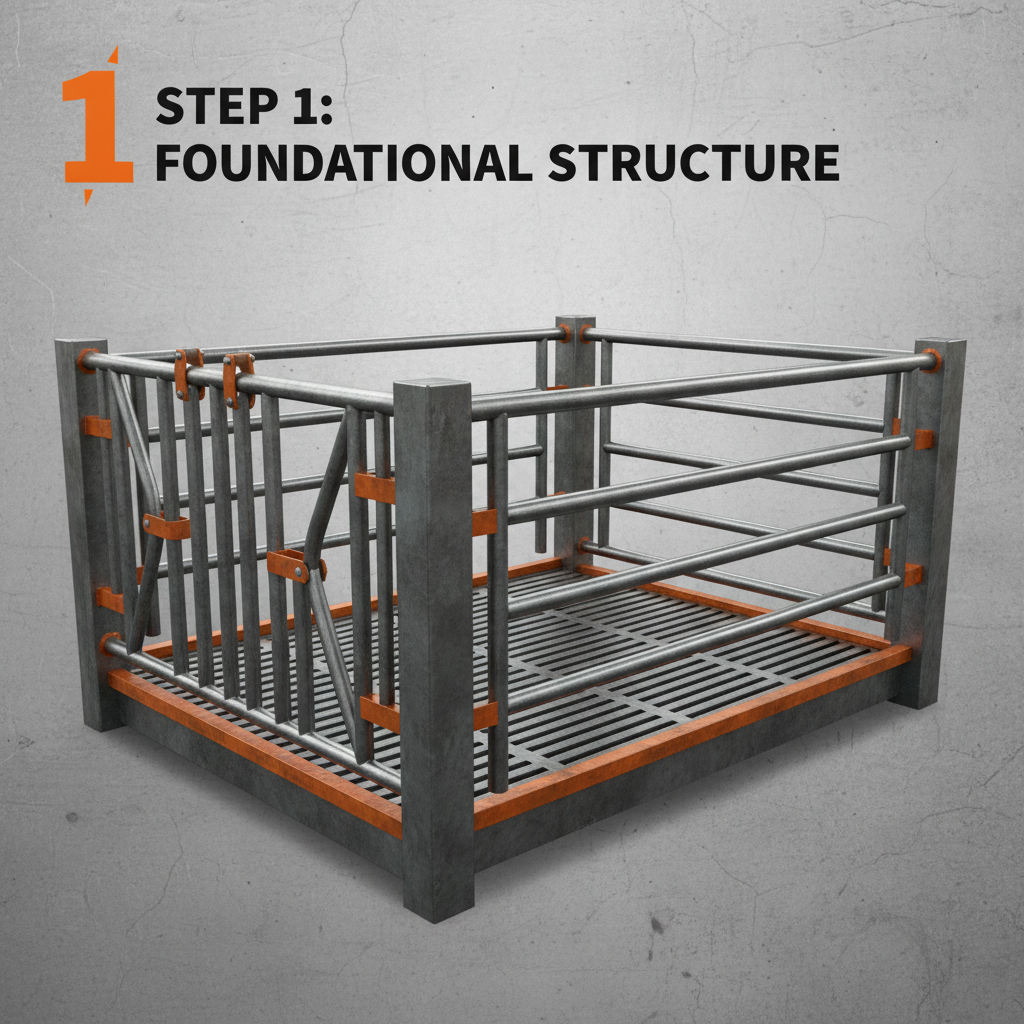
Selecting the right housing is a critical decision for any cuniculture operation, and the 3 hole rabbit cage has emerged as a gold standard for small to medium-scale breeders. This specific configuration balances spatial efficiency with animal welfare, providing a structured environment that simplifies the management of breeding does and their litters. By optimizing the layout, farmers can significantly reduce labor costs while ensuring that each animal has the necessary room to thrive without overcrowding.
In the global context of livestock production, the shift toward semi-automated systems has made the 3 hole rabbit cage an essential tool for enhancing productivity. Whether used for weaning or as specialized breeding units, these cages prevent the spread of disease through better waste management and social distancing between animals. The architectural design focuses on maximizing the vertical and horizontal footprint of the rabbitry, allowing for a higher density of livestock without compromising hygiene standards.
Understanding the technical specifications of a 3 hole rabbit cage is not just about knowing the dimensions; it is about understanding the intersection of animal psychology and industrial efficiency. From the gauge of the galvanized wire to the slope of the waste trays, every detail is engineered to reduce stress for the rabbit and the handler. As the demand for high-protein rabbit meat grows globally, investing in a standardized, durable housing solution becomes a strategic move for sustainable agricultural growth.
Global Industry Context of 3 Hole Rabbit Cages
The global rabbit meat market has seen a steady increase, driven by the demand for lean, healthy proteins. According to industry trends aligned with FAO standards, the transition from traditional floor-raising to cage-based systems, particularly using the 3 hole rabbit cage, has reduced mortality rates by nearly 15% in emerging markets. This shift is primarily due to the ability to control environmental pathogens and manage nutrition more precisely.
However, the industry faces a challenge: balancing intensive production with stringent animal welfare laws. The 3 hole rabbit cage addresses this by providing a modular approach where space can be allocated based on the rabbit's growth stage. By implementing these systems, commercial farms in Europe and Asia are achieving higher turnover rates while maintaining the biological health of their herds.
Defining the 3 Hole Rabbit Cage System
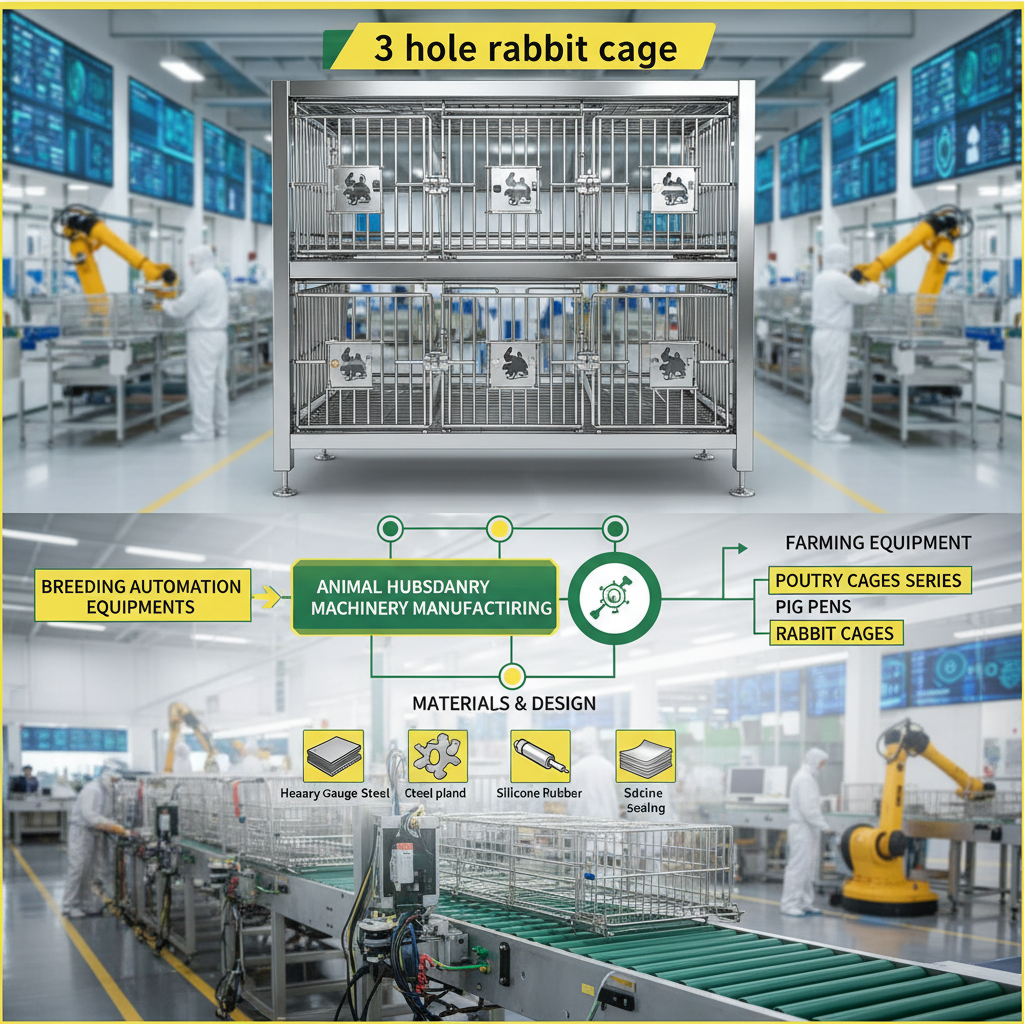
In simple terms, a 3 hole rabbit cage is a specialized livestock housing unit divided into three distinct compartments. This design is typically utilized to separate a breeding doe from her offspring or to group weaned kits in a way that minimizes fighting. The "three-hole" configuration is widely regarded as an optimal compromise between the space-intensive single-cage units and the overcrowded multi-tier batteries.
From an industrial perspective, this system represents a move toward precision farming. It allows the breeder to monitor the health of individual rabbits more closely while utilizing a shared structural frame, which reduces the total amount of raw materials needed. This efficiency is critical for smallholders who need to maximize their limited facility space to ensure financial viability.
Beyond the physical structure, the 3 hole rabbit cage is linked to humanitarian needs in food-insecure regions. Because rabbits are highly prolific and require relatively little space, these cages provide a scalable way for families to generate a reliable protein source and a secondary income stream, promoting local food sovereignty.
Core Components for Maximum Durability
The primary strength of a 3 hole rabbit cage lies in its material composition. High-grade galvanized steel is the industry standard, ensuring that the cage resists corrosion from urine and moisture. The wire gauge must be carefully selected—thick enough to prevent bending under the weight of a mature doe, but smooth enough to avoid causing skin abrasions on the rabbits' paws.
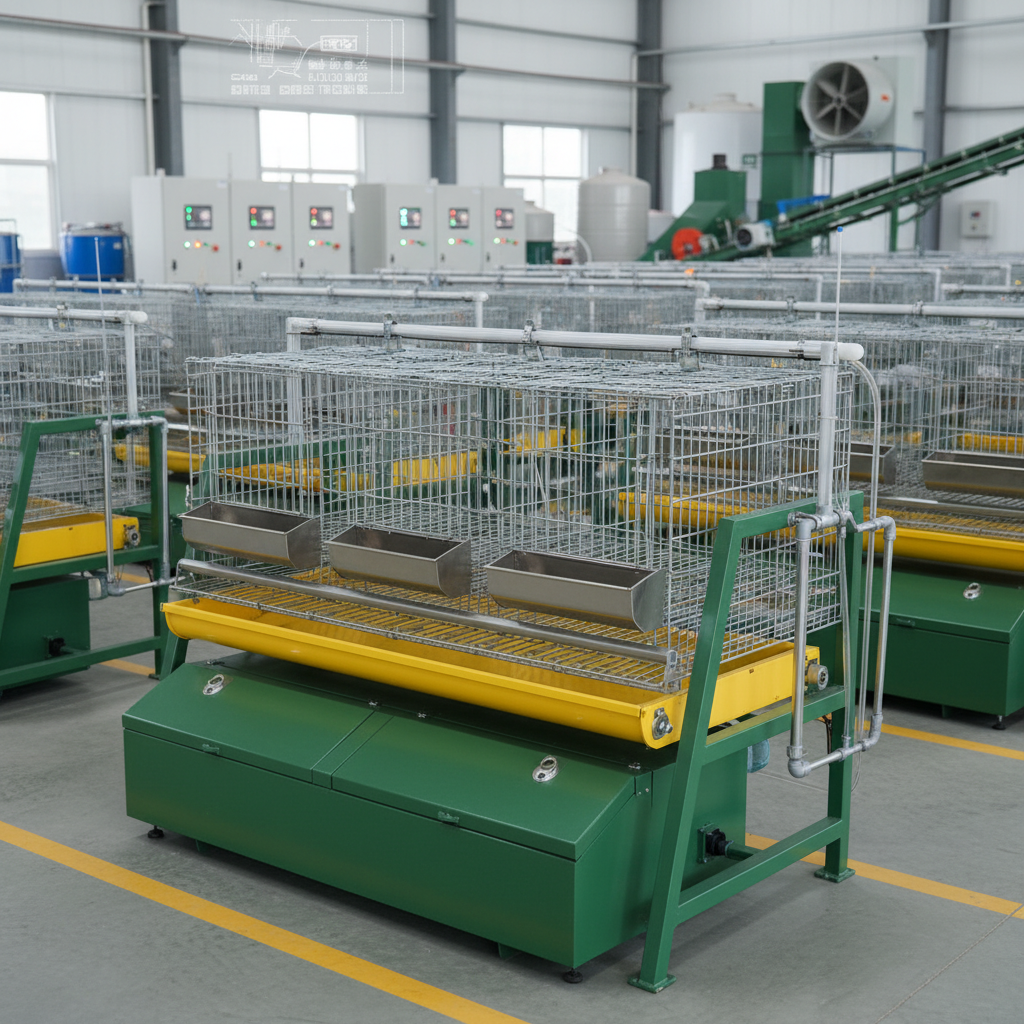
Another critical component of the 3 hole rabbit cage is the integrated waste management system. Most modern designs feature slanted floors and removable waste trays that allow for the rapid removal of droppings. This prevents the buildup of ammonia gases, which are a leading cause of respiratory infections in rabbitries, thereby ensuring a healthier living environment.
Finally, the accessibility features, such as reinforced doors and secure locking mechanisms, are what make the 3 hole rabbit cage practical for daily use. Ease of access for feeding and cleaning reduces the stress on the animals and the physical strain on the farmer, making the operation more sustainable in the long run.
Practical Global Applications and Use Cases
The application of the 3 hole rabbit cage varies significantly across different regions. In the European Union, where welfare regulations are strict, these cages are often integrated into larger automated systems that include automatic watering and feeding lines. This allows for high-precision livestock management while adhering to the "Five Freedoms" of animal welfare.
In contrast, in remote industrial zones or developing agrarian economies in Africa and Southeast Asia, the 3 hole rabbit cage is used as a modular building block for community-based farming. Because they are easy to transport and assemble, these cages are frequently deployed in rural development projects to jumpstart local meat production and improve nutritional standards.
Performance Analysis of Rabbit Housing Configurations
Long-Term Economic and Welfare Advantages
From an economic standpoint, the 3 hole rabbit cage offers a superior return on investment (ROI) compared to traditional hutches. The use of galvanized materials means a longer lifespan with minimal maintenance, while the three-compartment design optimizes the "rabbit-per-square-meter" ratio. This allows farmers to scale their production without needing to expand their physical buildings.
Beyond the finances, there is a profound emotional and ethical advantage to using a high-quality 3 hole rabbit cage. When animals are housed in clean, secure, and appropriately sized environments, their stress levels drop, leading to better growth rates and higher quality meat. This creates a cycle of trust and reliability between the producer and the consumer, who are increasingly concerned with the ethics of livestock farming.
Future Innovations in Rabbit Housing Technology
The next generation of the 3 hole rabbit cage is moving toward "Smart Farming" integration. We are seeing the introduction of IoT sensors within the cages that can monitor temperature, humidity, and even the weight of the rabbit in real-time. This digital transformation allows farmers to detect illness early by spotting changes in feeding behavior or movement patterns.
Material science is also evolving, with the exploration of eco-friendly, antimicrobial coatings that further reduce the need for chemical disinfectants. These "green" iterations of the 3 hole rabbit cage aim to reduce the carbon footprint of livestock production while enhancing the biological safety of the farm.
Furthermore, automation in cleaning—such as conveyor-belt waste systems integrated directly into the cage frame—is becoming more accessible. This removes the most labor-intensive part of rabbit farming, allowing the operator to focus on breeding genetics and market expansion rather than manual scrubbing.
Common Challenges and Expert Solutions
One of the most common challenges associated with the 3 hole rabbit cage is the risk of "cage sores" or pododermatitis. This occurs when the wire flooring is too coarse or when waste is allowed to accumulate. The expert solution is to implement a "resting mat" or a plastic flooring insert in specific areas of the cage, allowing the rabbit to move off the wire and rest on a soft surface.
Another limitation is the potential for territorial aggression when multiple rabbits are housed in the same unit. To solve this, breeders are encouraged to use the 3 hole rabbit cage specifically for segregated age groups or compatible pairs. Proper social sorting, combined with the physical barriers of the cage, effectively eliminates fighting.
Lastly, maintaining optimal ventilation in high-density cage setups can be difficult. The solution lies in the strategic placement of the cages within the facility—ensuring they are not pushed flush against walls—and the integration of environmental control equipment such as exhaust fans and automated ventilation curtains to maintain a fresh airflow.
Comparative Analysis of 3 Hole Rabbit Cage Specifications
| Material Grade |
Durability Score (1-10) |
Maintenance Level |
Optimal Use Case |
| Hot-Dip Galvanized Steel |
10 |
Very Low |
Commercial Farms |
| Electro-Galvanized Wire |
7 |
Moderate |
Small-scale Breeding |
| Powder-Coated Steel |
8 |
Low |
Exhibition Rabbits |
| Stainless Steel 304 |
10 |
Very Low |
High-Humidity Regions |
| Mixed Alloy Wire |
6 |
High |
Temporary Housing |
| PVC-Coated Galvanized |
9 |
Low |
Nursing/Kitting |
FAQS
The primary advantage is space and cost efficiency. A 3 hole rabbit cage allows for the segregation of animals (such as separating a doe from her kits) within a single structural unit. This reduces the amount of raw materials needed for the frame and simplifies the layout of the rabbitry, making it easier to clean and manage multiple animals without needing dozens of individual stands.
Foot injuries, or pododermatitis, are usually caused by rough wire or excessive waste buildup. To prevent this, ensure you choose a cage with smooth-finished galvanized wire. Additionally, providing a small plastic or rubber resting mat in each compartment of the 3 hole rabbit cage gives the animals a soft place to sit, significantly reducing the risk of sores.
Yes, it is ideal. The three-compartment design allows the breeder to use one section as a nesting area and the others for temporary segregation or as a weaning zone. This flexibility ensures that the doe has a secure environment for her litter while allowing the handler to manage the kits' transition to solid food without removing them from the general vicinity of the mother.
Depending on the quality of the galvanization, a professional-grade 3 hole rabbit cage can last between 10 to 20 years. Hot-dip galvanizing provides the best protection against the corrosive nature of rabbit urine. Regular cleaning of the waste trays and ensuring the cages are kept in a well-ventilated area will further extend the lifespan of the equipment.
Absolutely. Most modern 3 hole rabbit cage designs are compatible with nipple drinker systems. By installing a central PVC pipe connected to a water reservoir, you can provide a constant supply of clean water to all three compartments. This not only reduces labor but also prevents water spillage, which keeps the cages drier and more hygienic.
Since these cages are often modular, they are typically shipped as "knock-down" (KD) kits to save on freight costs. They are packed in reinforced crates and can be easily assembled on-site. When importing, ensure you check the local livestock equipment regulations and use a supplier that provides comprehensive assembly manuals and customs documentation.
Conclusion
The 3 hole rabbit cage represents the ideal synergy between industrial efficiency and animal welfare. By providing a structured, durable, and hygienic environment, it empowers breeders to maximize their output while minimizing the risks of disease and stress. From the selection of galvanized materials to the implementation of smart waste management, this housing solution is a cornerstone for any professional cuniculture operation.
Looking forward, the integration of automation and sustainable materials will continue to evolve the 3 hole rabbit cage into a high-tech tool for global food security. For those looking to upgrade their livestock infrastructure, investing in high-quality, standardized housing is the most effective way to ensure long-term profitability and animal health. Visit our website for more information: www.yizemachine.com