
Optimizing Material Handling with Advanced Automatic Feeding Cart Solutions
Jan . 27, 2026 21:15 Back to list
Optimizing Material Handling with Advanced Automatic Feeding Cart Solutions
Understanding the Efficiency of Automatic Feeding Carts
In the dynamic world of material handling, efficiency is paramount. Automatic feeding carts have emerged as a game-changer, streamlining processes and reducing labor costs across various industries. This article will delve into the benefits, applications, and key considerations when choosing an automatic feeding cart, with a focus on how they can optimize your operations. Investing in the right system can dramatically improve your productivity and overall bottom line. We’ll explore the features and advantages that make these carts a valuable asset.
What is an Automatic Feeding Cart?
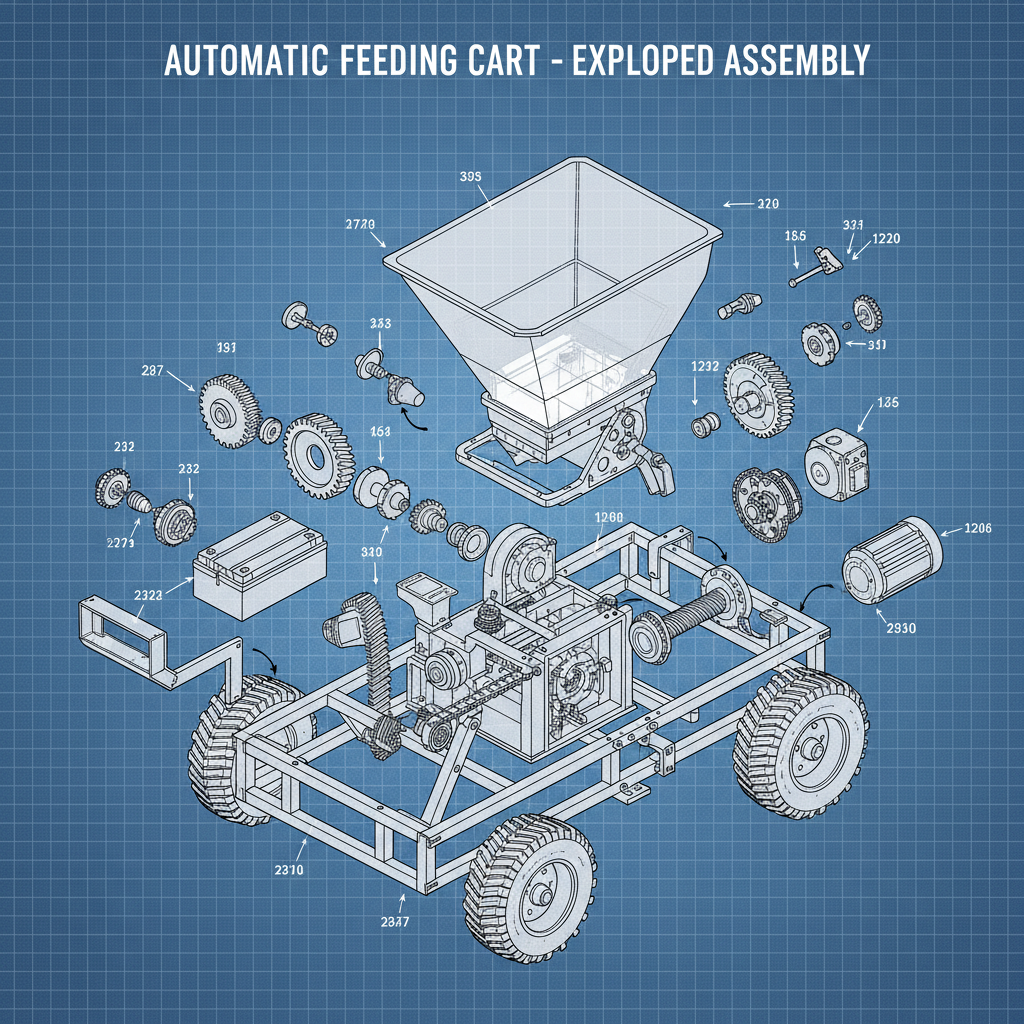
An automatic feeding cart, also known as a self-propelled cart or automated guided vehicle (AGV), is a driverless vehicle designed to transport materials within a facility. These carts utilize various navigation technologies – such as magnetic tape, laser guidance, or vision systems – to follow predefined routes without human intervention. They're powered by rechargeable batteries and are capable of carrying significant loads, making them ideal for repetitive material transfer tasks. They significantly reduce the reliance on manual labor, minimizing errors and improving throughput.
Key Benefits: Reduced labor costs, increased efficiency, improved safety, minimized material damage, and streamlined workflows.
Key Features of Automatic Feeding Carts
Modern automatic feeding carts are equipped with a range of features designed to enhance performance and safety. These include obstacle detection sensors, emergency stop buttons, programmable routes, and load capacity monitoring systems. Some advanced models also incorporate data logging capabilities, allowing for performance analysis and optimization. Yizemachine offers carts with customized configurations to meet specific operational needs. These features combine to create a robust and reliable material handling solution.
Industries Benefiting from Automatic Feeding Carts
The versatility of automatic feeding carts makes them suitable for a wide spectrum of industries. Manufacturing facilities utilize them to transport raw materials, work-in-progress, and finished goods. Warehouses and distribution centers leverage them to automate order fulfillment processes. The automotive industry employs them for just-in-time delivery of components to assembly lines. Other sectors benefiting include food and beverage processing, pharmaceuticals, and logistics. Essentially, any industry requiring the repetitive movement of materials can significantly benefit from implementing these systems.
Industry Applications:
• Manufacturing: Raw materials, work-in-progress, finished goods
• Warehousing & Logistics: Order fulfillment, inventory management
• Automotive: Just-in-time delivery of components
• Food & Beverage: Ingredient transport, packaging materials
Automatic Feeding Cart: Comparing Navigation Systems
The performance of an automatic feeding cart is heavily influenced by its navigation system. Different systems offer varying levels of accuracy, flexibility, and cost. Understanding these differences is crucial for selecting the right cart for your specific application. Here’s a comparison:
Yizemachine Automatic Feeding Cart Specifications
Below is a sample of our popular model’s specifications. Contact us to discuss customized configurations tailored to your specific requirements.
Conclusion: Enhancing Efficiency with Automated Solutions
Investing in automatic feeding carts represents a strategic move towards optimizing material handling processes. By reducing labor costs, increasing efficiency, and improving safety, these carts deliver a significant return on investment. Whether you operate in manufacturing, warehousing, or another industry, exploring the potential of automation is essential for staying competitive in today’s dynamic market. Contact Yizemachine today to discuss your specific needs and discover how we can help you transform your operations.
Frequently Asked Questions (FAQs)
What is the typical payback period for an automatic feeding cart?
The payback period for an automatic feeding cart varies depending on factors such as the initial investment, labor savings, and operational efficiency improvements. However, many companies experience a payback period of 12-24 months. The reduction in labor costs alone often justifies the investment, especially in environments with high material handling volumes. Furthermore, reduced material damage and improved throughput contribute to overall cost savings. A thorough cost-benefit analysis tailored to your specific operation is recommended.
What safety features are included in Yizemachine’s automatic feeding carts?
Safety is a top priority. Our carts are equipped with multiple safety features, including obstacle detection sensors to prevent collisions, emergency stop buttons for immediate shutdown, audible and visual warning signals, and speed control mechanisms. We also incorporate safety barriers and protective shrouds to minimize the risk of contact with moving parts. All our carts comply with relevant safety standards and undergo rigorous testing to ensure reliable performance.
Can automatic feeding carts be integrated with existing warehouse management systems (WMS)?
Yes, our automatic feeding carts can be seamlessly integrated with most standard warehouse management systems (WMS). This integration allows for real-time data exchange, enabling automated dispatching, tracking, and reporting. The integration streamlines workflows, improves inventory accuracy, and provides valuable insights into material handling operations. Our team of engineers can assist with the integration process to ensure compatibility and optimal performance.
What maintenance is required for automatic feeding carts?
Automatic feeding carts require minimal maintenance. Regular checks of battery levels, tire pressure, and sensor functionality are recommended. We also provide preventative maintenance schedules and comprehensive service support to ensure optimal performance and longevity. Routine cleaning and lubrication of moving parts are also important. Our carts are designed for durability and reliability, minimizing the need for extensive repairs.
-
Professional Mini Poultry Cage for Efficient Small Scale Farming
NewsApr.16,2026
-
Optimizing Poultry Production with Advanced Cage System Poultry
NewsApr.09,2026
-
Optimizing Layer Poultry Cages for Efficient and Profitable Egg Production
NewsApr.07,2026
-
Comprehensive Guide to Poultry Cages for Layers and Modern Farming Solutions
NewsApr.04,2026
-
Comprehensive Guide to Optimizing Poultry Laying Cages for Egg Production
NewsMar.31,2026
-
Maximize Egg Production with Efficient Poultry Layer Cage Systems
NewsMar.28,2026





 Afrikaans
 Albanian
 Amharic
 Arabic
 Armenian
 Azerbaijani
 Basque
 Belarusian
 Bengali
 Bosnian
 Bulgarian
 Catalan
 Cebuano
 Corsican
 Croatian
 Czech
Czech
 Danish
 Dutch
Dutch
 Esperanto
 Estonian
 Finnish
 French
 Frisian
 Galician
 Georgian
 German
 Greek
Greek
 Gujarati
 Haitian Creole
 Hausa
Hausa
 Hawaiian
 Hebrew
 Hindi
Hindi
 Miao
Miao
 Hungarian
 Icelandic
 Igbo
Igbo
 Indonesian
 Irish
Irish
 Italian
 Japanese
 Javanese
 Kannada
 Kazakh
 Khmer
Khmer
 Rwandese
 Korean
 Kurdish
 Kyrgyz
 Lao
Lao
 Latin
Latin
 Latvian
 Lithuanian
 Luxembourgish
 Macedonian
 Malgashi
 Malay
Malay
 Malayalam
 Maltese
 Maori
Maori
 Marathi
 Mongolian
 Myanmar
 Nepali
 Norwegian
 Norwegian
 Occitan
 Pashto
 Persian
 Polish
 Portuguese
 Punjabi
 Romanian
 Russian
 Samoan
 Scottish Gaelic
 Serbian
 Sesotho
 Shona
Shona
 Sindhi
 Sinhala
 Slovak
 Slovenian
 Somali
 Spanish
 Sundanese
 Swahili
 Swedish
 Tagalog
 Tajik
Tajik
 Tamil
Tamil
 Tatar
Tatar
 Telugu
 Thai
Thai
 Turkish
 Turkmen
 Ukrainian
 Urdu
Urdu
 Uighur
 Uzbek
Uzbek
 Vietnamese
 Welsh
Welsh
 Bantu
Bantu
 Yiddish
 Yoruba
 English