
Optimize Pig Farming with Durable Pig Panels and Pens Solutions
Feb . 24, 2026 10:52 Back to list
Optimize Pig Farming with Durable Pig Panels and Pens Solutions
Understanding Pig Panels and Pens: A Comprehensive Guide
Efficient and secure livestock management begins with the right infrastructure. Pig panels and pens are crucial components in modern pig farming, impacting animal welfare, hygiene, and overall productivity. This article explores the types, benefits, and considerations when choosing pig panels and pens, helping you optimize your pig farming operations. Selecting the correct systems is vital for maintaining a healthy and productive herd.
What are Pig Panels and Pens?
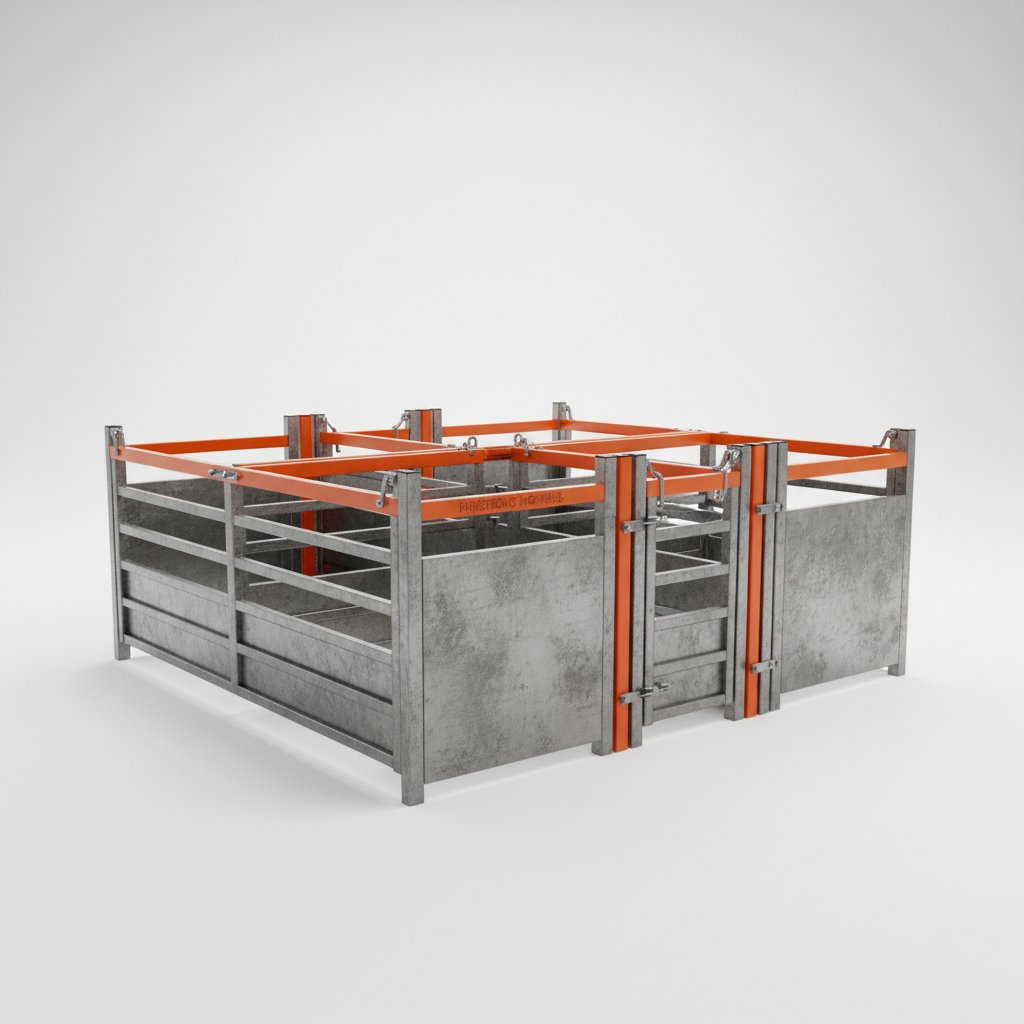
Pig panels, also known as hog panels, are galvanized steel barriers used to create durable and secure enclosures for pigs. They are typically constructed with vertical and horizontal rails welded together, offering strength and preventing escape. Pig pens, formed using these panels, provide designated areas for feeding, resting, and breeding. These pens can be customized to accommodate different pig stages, from weaning to finishing. The robust construction of these systems contributes to a safer and more manageable farm environment. Yizemachine provides high-quality pig panels and pens designed to meet the specific needs of modern pig farms.
Key Benefits: Enhanced animal welfare, improved hygiene, increased efficiency, and long-lasting durability.
Types of Pig Panels and Pens
There’s a variety of pig panel and pen designs to suit different farm layouts and operational needs. Common types include:
- Straight Panels: The most basic type, used for creating straight pen walls.
- Corner Panels: Designed for creating 90-degree corners.
- Gate Panels: Include a hinged door for easy access.
- Weaning Pens: Smaller, enclosed pens specifically for young piglets.
- Gestation Pens: Designed to house pregnant sows comfortably and safely.
- Finishing Pens: Larger pens for pigs nearing market weight.
The choice of panels and pens depends on the age and size of the pigs, the number of pigs per pen, and the overall farm management system. Yizemachine offers a comprehensive range of these panel types to meet diverse requirements.
Pig Panel Specifications and Material Considerations
Understanding the specifications of pig panels is crucial for making an informed decision. Key factors include rail diameter, panel height, and panel length. Typically, pig panels are constructed from galvanized steel, providing excellent corrosion resistance and durability. The thickness of the steel also affects the panel's strength. Here's a typical specification table:
Benefits of Using High-Quality Pig Panels and Pens
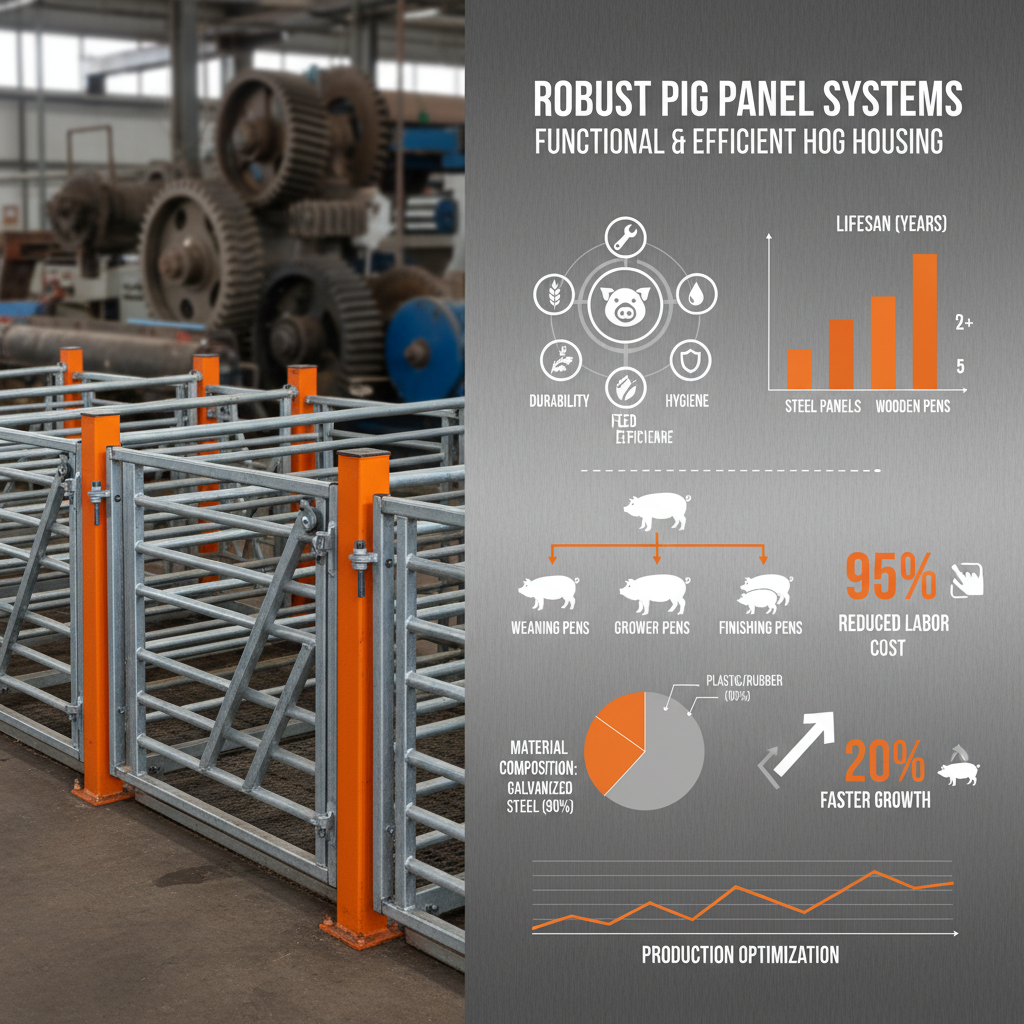
Investing in durable, high-quality pig panels and pens yields significant benefits. These include improved animal welfare through reduced injuries and stress, enhanced hygiene due to easier cleaning and disinfection, and increased operational efficiency through streamlined management. A well-designed pen system also promotes better air circulation and waste removal, leading to a healthier environment for the pigs. Robust construction minimizes maintenance and replacement costs over the long term.
Choosing the Right Supplier: Yizemachine
Selecting a reputable supplier is essential for ensuring you receive high-quality pig panels and pens. Yizemachine is a leading manufacturer and supplier, committed to providing durable, reliable, and customizable solutions for pig farms of all sizes. We offer competitive pricing, excellent customer service, and expert advice to help you optimize your pig farming operation. Our products are designed to meet the highest industry standards, ensuring long-lasting performance and value.
Conclusion: Investing in Quality for a Productive Pig Farm
Investing in quality pig panels and pens from a trusted supplier like Yizemachine is crucial for the success of your pig farming operation. These investments contribute to improved animal welfare, enhanced hygiene, and increased productivity. Don't compromise on quality – choose Yizemachine for durable and reliable solutions.
Frequently Asked Questions (FAQs)
What is the typical lifespan of galvanized pig panels?
Galvanized pig panels, when properly maintained, can last 15-20 years or even longer. The lifespan depends on factors such as the quality of the galvanization, the environmental conditions (exposure to salt spray, chemicals, etc.), and the frequency of cleaning. Regular inspection for rust or corrosion is crucial. Applying a protective coating periodically can further extend the lifespan. Choosing a panel with a thicker galvanization layer is also recommended for environments with high corrosion potential.
How do I clean and maintain pig panels?
Regular cleaning is essential for maintaining the hygiene and longevity of pig panels. Use a mild detergent and water to remove dirt, manure, and debris. Avoid harsh chemicals or abrasive cleaners, as they can damage the galvanization. A pressure washer can be used cautiously, maintaining a safe distance to prevent damage. Inspect panels regularly for any signs of rust or corrosion and address them promptly with a rust-inhibiting paint or coating.
What size pig pen is recommended for different pig stages?
Pen size recommendations vary depending on the pig's stage of development. Weaning piglets require smaller pens (around 0.5-1 square meter per pig), while growing pigs need larger spaces (1.5-2.5 square meters per pig). Finishing pigs typically require the most space (2.5-4 square meters per pig). Overcrowding can lead to stress, aggression, and reduced growth rates. Consulting with a pig farming expert or referring to industry best practices is advisable for determining the optimal pen size for your specific operation.
Can pig panels be customized to fit specific farm layouts?
Yes, many suppliers, including Yizemachine, offer customized pig panels to accommodate specific farm layouts and requirements. This includes adjustments to panel length, height, and the inclusion of gates or other features. Customization ensures optimal space utilization and efficient workflow within your pig farming operation.
-
Professional Mini Poultry Cage for Efficient Small Scale Farming
NewsApr.16,2026
-
Optimizing Poultry Production with Advanced Cage System Poultry
NewsApr.09,2026
-
Optimizing Layer Poultry Cages for Efficient and Profitable Egg Production
NewsApr.07,2026
-
Comprehensive Guide to Poultry Cages for Layers and Modern Farming Solutions
NewsApr.04,2026
-
Comprehensive Guide to Optimizing Poultry Laying Cages for Egg Production
NewsMar.31,2026
-
Maximize Egg Production with Efficient Poultry Layer Cage Systems
NewsMar.28,2026





 Afrikaans
 Albanian
 Amharic
 Arabic
 Armenian
 Azerbaijani
 Basque
 Belarusian
 Bengali
 Bosnian
 Bulgarian
 Catalan
 Cebuano
 Corsican
 Croatian
 Czech
Czech
 Danish
 Dutch
Dutch
 Esperanto
 Estonian
 Finnish
 French
 Frisian
 Galician
 Georgian
 German
 Greek
Greek
 Gujarati
 Haitian Creole
 Hausa
Hausa
 Hawaiian
 Hebrew
 Hindi
Hindi
 Miao
Miao
 Hungarian
 Icelandic
 Igbo
Igbo
 Indonesian
 Irish
Irish
 Italian
 Japanese
 Javanese
 Kannada
 Kazakh
 Khmer
Khmer
 Rwandese
 Korean
 Kurdish
 Kyrgyz
 Lao
Lao
 Latin
Latin
 Latvian
 Lithuanian
 Luxembourgish
 Macedonian
 Malgashi
 Malay
Malay
 Malayalam
 Maltese
 Maori
Maori
 Marathi
 Mongolian
 Myanmar
 Nepali
 Norwegian
 Norwegian
 Occitan
 Pashto
 Persian
 Polish
 Portuguese
 Punjabi
 Romanian
 Russian
 Samoan
 Scottish Gaelic
 Serbian
 Sesotho
 Shona
Shona
 Sindhi
 Sinhala
 Slovak
 Slovenian
 Somali
 Spanish
 Sundanese
 Swahili
 Swedish
 Tagalog
 Tajik
Tajik
 Tamil
Tamil
 Tatar
Tatar
 Telugu
 Thai
Thai
 Turkish
 Turkmen
 Ukrainian
 Urdu
Urdu
 Uighur
 Uzbek
Uzbek
 Vietnamese
 Welsh
Welsh
 Bantu
Bantu
 Yiddish
 Yoruba
 English