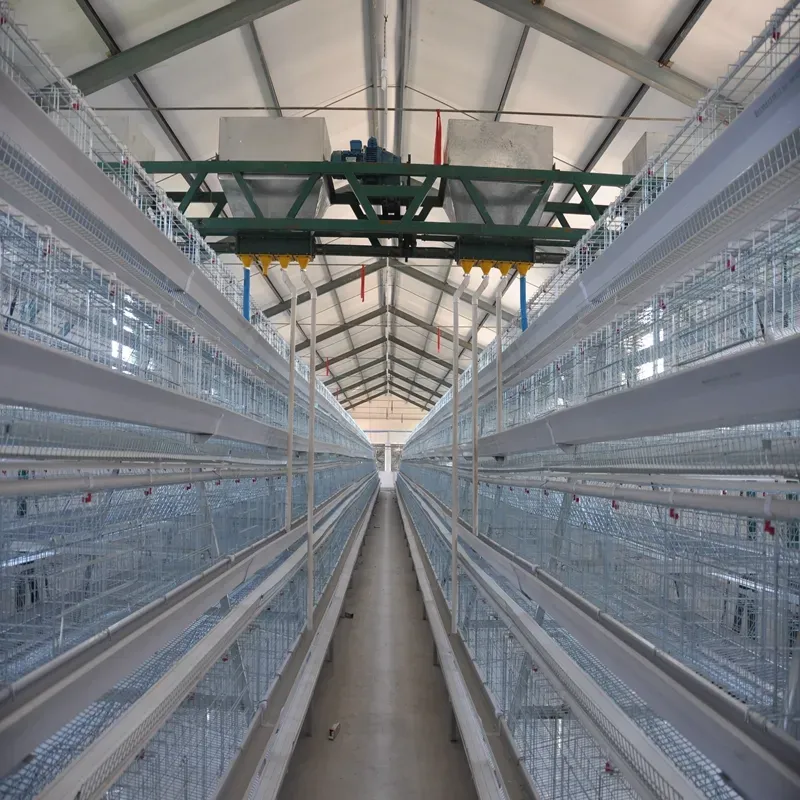
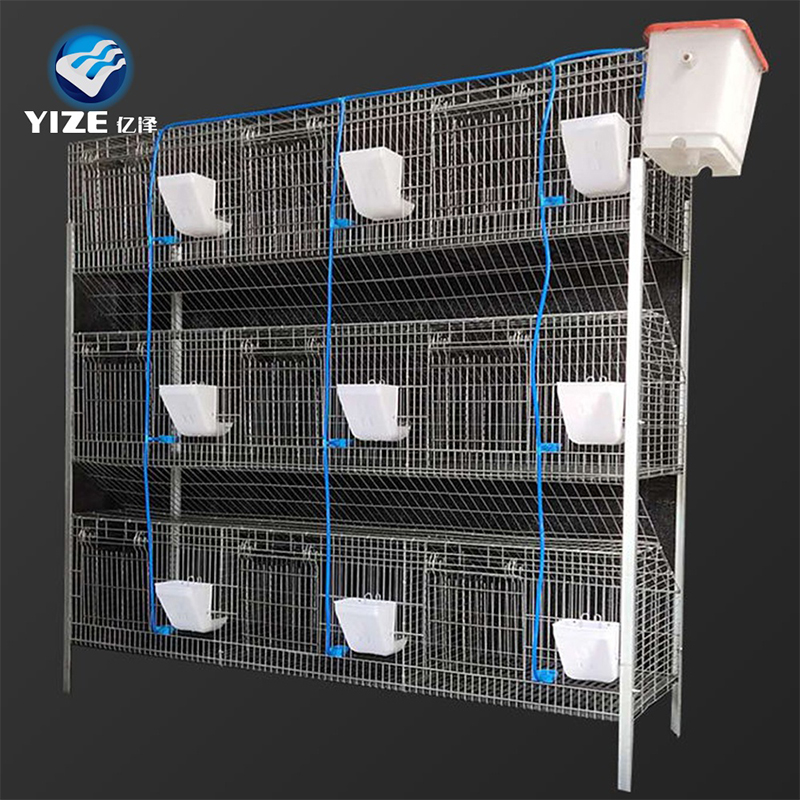
Ethiopia possesses one of the largest livestock populations in Africa, yet much of the production remains fragmented. The prevalence of traditional open-air rearing leads to high mortality rates in piglets and poultry, creating a critical demand for a standardized cage house poultry system to protect flocks from predators and disease.
Economically, the shift toward commercialization in regions like Oromia and Amhara is driving the adoption of value-added machinery. There is a significant gap in the secondary processing market, where an efficient egg tray production line is needed to reduce post-harvest losses and improve the logistics of egg distribution to urban centers like Addis Ababa.
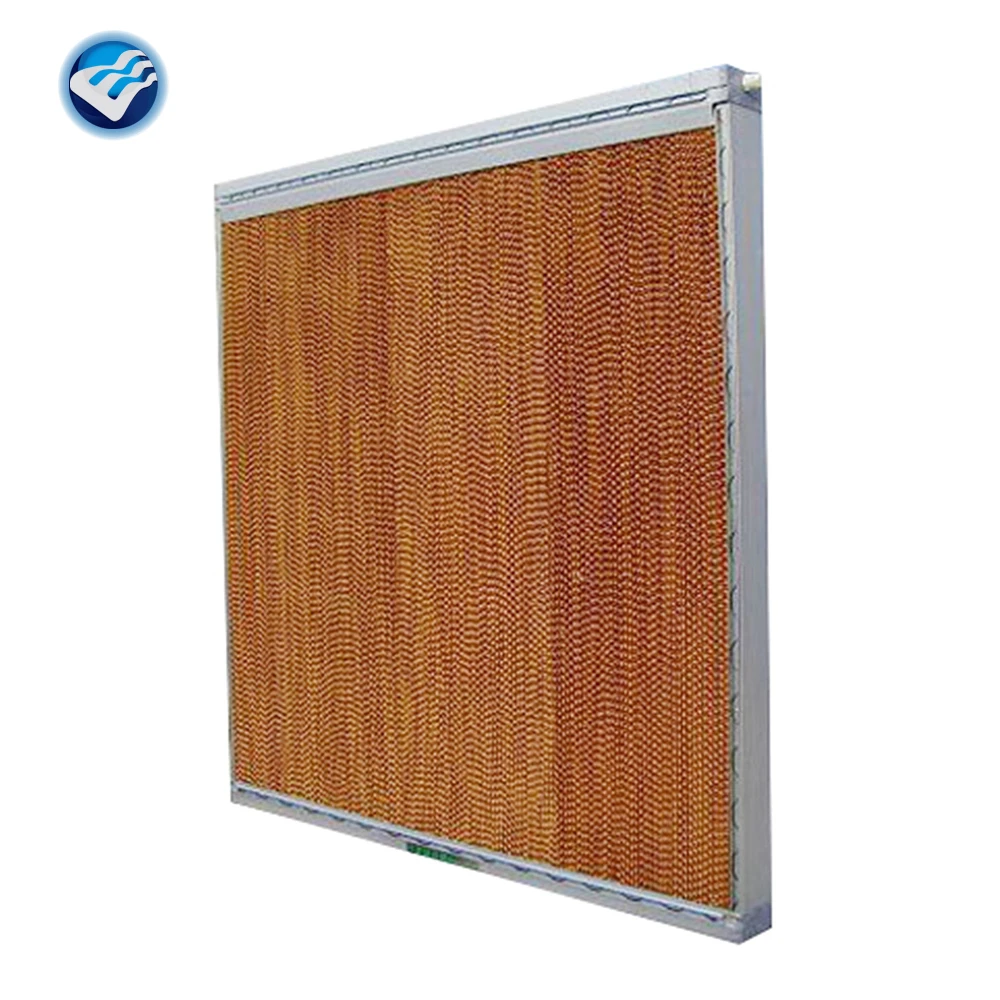
Climate variability in the Ethiopian highlands necessitates equipment that can withstand temperature fluctuations while maintaining optimal animal health. The introduction of a professional animal feed cutter has become essential for small-to-medium enterprises to process local biomass into nutritious fodder efficiently.