
Tajikistan's livestock sector is currently characterized by a mix of traditional small-scale farming and an emerging interest in industrialization. Due to the rugged mountainous terrain and extreme temperature fluctuations, farmers are increasingly seeking a farrowing house for pigs and other controlled-environment systems to protect livestock from harsh winters.
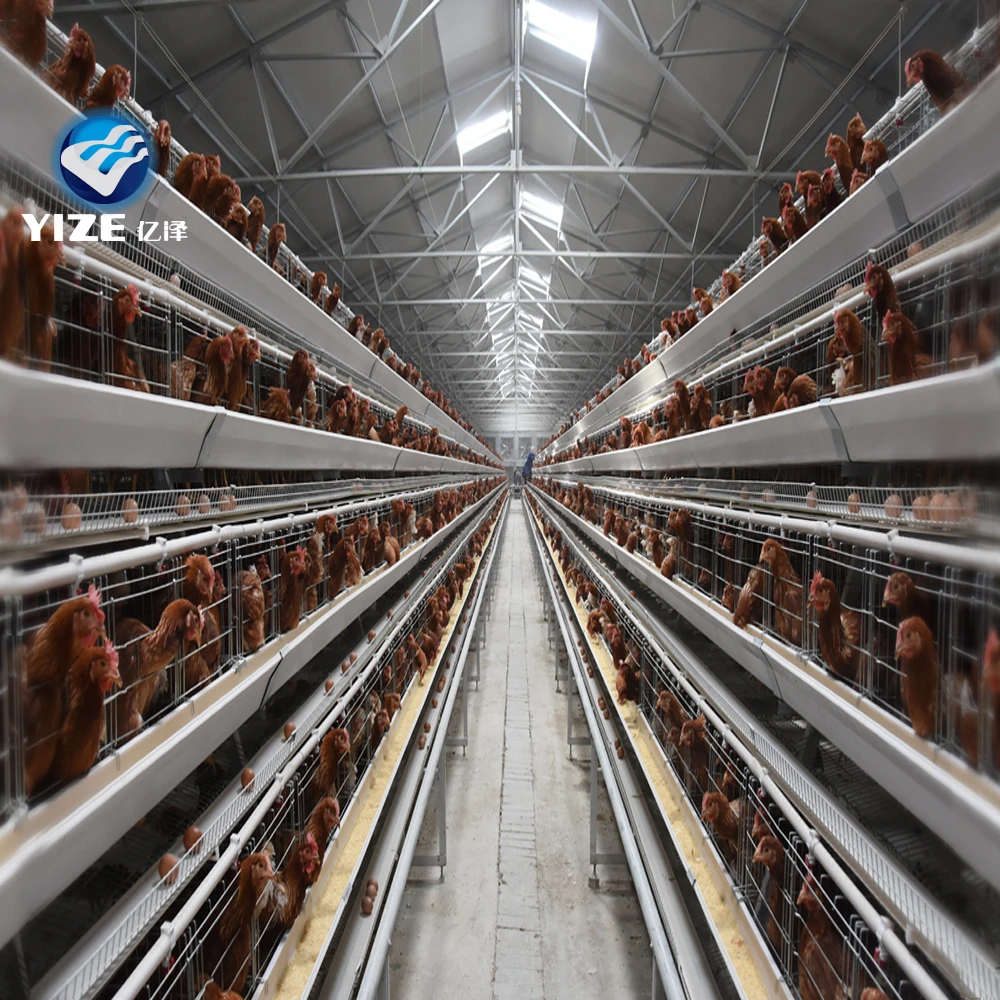
The regional demand for poultry and eggs is rising, but the lack of automated processing leads to significant post-harvest losses. This has created a critical market gap for an integrated egg tray production line to support local egg distributors and large-scale poultry farms in the Sughd and Khatlon regions.
Moreover, the efficiency of feed preparation remains a bottleneck. While manual chopping is common, the introduction of the animal feed cutter is transforming the cost structure of local farms by reducing labor and improving the nutritional intake of livestock through precise processing.