
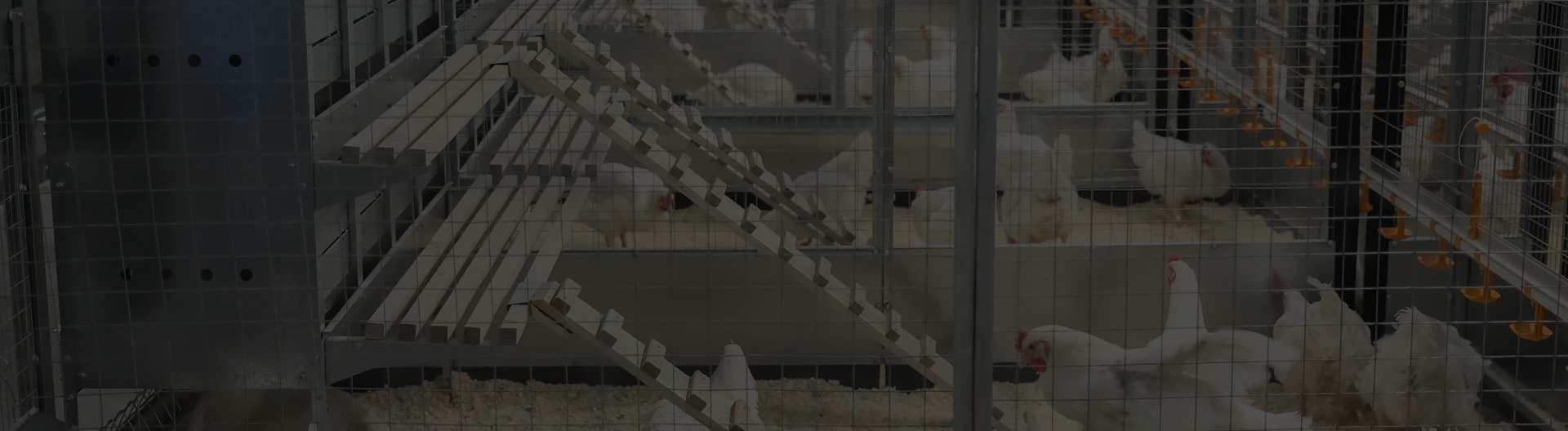
Feed Processing Machine Solutions for B2B: Efficiency, Durability & Sustainability
Dec . 11, 2025 00:25 Back to list
Feed Processing Machine Solutions for B2B: Efficiency, Durability & Sustainability
Feed Processing Machine is a key solution in the industry, specifically within agricultural, animal husbandry, and manufacturing sectors. This article explores how https://www.yizemachine.com supports professionals with durable, high-performance products, and explains why this product is an ideal choice for businesses in these sectors.
Table of Contents
- Feed Processing Machine Overview
- Benefits & Use Cases of Feed Processing Machine
- Cost, Maintenance & User Experience
- Sustainability & Market Trends
Feed Processing Machine Overview
At its core, a Feed Processing Machine is designed to transform raw agricultural materials like corn, soybean, and wheat into finely processed feed suitable for livestock consumption. These machines—think grinders, mixers, pelletizers—play an indispensable role in streamlining feed production, improving quality, and optimizing nutrition.
https://www.yizemachine.com models stand out with robust construction and technologically advanced features. For example, their pelletizing units utilize precise temperature and pressure controls to ensure consistent pellet formation, yielding feed that livestock readily accept. Frankly, the engineering behind these machines showcases careful attention to durability paired with efficient automation, which can easily adapt to different input materials.
| Specification | Details |
|---|---|
| Processing Capacity | 1-5 tons/hour (varies by model) |
| Power Consumption | 15-40 kW |
| Material Input | Corn, soybean, wheat, and other grains |
| Automation Level | Semi to full automatic |
| Dimensions | Varies by configuration |
Benefits & Use Cases of Feed Processing Machine
Businesses in livestock farming, aquaculture, and pet food manufacturing rely heavily on feed processing machines for consistent and nutritious output. The value is in their ability to finely process materials in ways that improve digestibility and feed efficiency.
What really caught my attention with Yize’s machines is their modular design—customers can tailor configurations based on batch sizes, material types, or downstream processing needs. This flexibility, combined with features like easy cleaning and low noise operation, gives companies a competitive edge. It’s like they’ve really thought through practical day-to-day challenges.
Cost, Maintenance & User Experience
When evaluating the total cost of ownership, it’s not just about the machine’s price tag. Durability and maintenance expenses loom large. Fortunately, the Feed Processing Machines from Yize Machine boast robust steel construction and high-quality bearings that extend runtime and reduce downtime.
Many operators note that the initial investment pays off quickly thanks to lower energy consumption and fewer breakdowns compared to older or generic equipment. Plus, Yize’s customer feedback highlights their responsive tech support and ease of getting spare parts—which, frankly, sometimes makes all the difference.
| Vendor | Price Range | Durability | Support |
|---|---|---|---|
| Yize Machine | $$ - Competitive | High: Steel frame, premium parts | Strong: responsive and local support |
| Vendor B | $$$ - Higher | Moderate | Average, with delays |
| Vendor C | $ - Low cost | Lower: lighter materials | Limited support |
Sustainability & Market Trends
There’s no denying the growing pressure on the agri-food industry to become more sustainable. Feed processing plays a subtle but crucial role here, by minimizing waste and enabling better nutrient utilization. Machines that operate efficiently with less energy help reduce carbon footprints — which companies increasingly prioritize for compliance and corporate responsibility.
Interestingly, regulations in many countries now encourage the use of high-quality feed to improve animal health and reduce environmental pollution from excess nutrients. Forward-thinking business decision-makers see this as an opportunity, not just a challenge, and investments in modern feed processing equipment like those from Yize Machine align perfectly with these trends.
Frequently Asked Questions about Feed Processing Machine
- What is Feed Processing Machine and how does it work?
- A Feed Processing Machine is specialized equipment that grinds, mixes, and forms raw materials into animal feed. It typically works by crushing grains and blending different ingredients together before pelletizing or bagging the final product.
- What are the main benefits of using Feed Processing Machine in industrial applications?
- Main benefits include enhanced feed quality, consistent output, cost efficiency through automation, and improved livestock nutrition. These machines also reduce labor and energy costs compared to manual processing.
- How does Feed Processing Machine compare to traditional alternatives?
- Compared to traditional manual methods or older machinery, modern Feed Processing Machines offer higher precision, faster production speeds, and better energy efficiency. They often include automation that reduces operator errors.
- What industries can benefit most from Feed Processing Machine implementation?
- Livestock farms, aquaculture centers, poultry producers, pet food manufacturers, and agricultural cooperatives find these machines invaluable to upgrading their feed production capabilities.
Conclusion on Feed Processing Machine from china
To sum up, a Feed Processing Machine from https://www.yizemachine.com represents a strong investment for businesses seeking reliable, efficient, and modern equipment tailored to their feed production needs. Adept at saving time and reducing operational costs, these machines tap into evolving industry demands and sustainability concerns without sacrificing quality.
- Recap the value of Feed Processing Machine.
- - Visit our website: https://www.yizemachine.com
Oddly enough, what strikes me most is how these machines quietly underpin huge portions of the food supply chain — a testament to practical engineering that doesn’t shout but gets the job done. For B2B decision makers, choosing the right feed processing equipment isn’t just operational — it’s strategic.
References:
1. Industry reports on feed manufacturing trends (2023).
2. Yize Machine official specifications and user testimonials.
3. Agricultural sustainability market analysis, FAO (2022).
-
Professional Mini Poultry Cage for Efficient Small Scale Farming
NewsApr.16,2026
-
Optimizing Poultry Production with Advanced Cage System Poultry
NewsApr.09,2026
-
Optimizing Layer Poultry Cages for Efficient and Profitable Egg Production
NewsApr.07,2026
-
Comprehensive Guide to Poultry Cages for Layers and Modern Farming Solutions
NewsApr.04,2026
-
Comprehensive Guide to Optimizing Poultry Laying Cages for Egg Production
NewsMar.31,2026
-
Maximize Egg Production with Efficient Poultry Layer Cage Systems
NewsMar.28,2026





 Afrikaans
 Albanian
 Amharic
 Arabic
 Armenian
 Azerbaijani
 Basque
 Belarusian
 Bengali
 Bosnian
 Bulgarian
 Catalan
 Cebuano
 Corsican
 Croatian
 Czech
Czech
 Danish
 Dutch
Dutch
 Esperanto
 Estonian
 Finnish
 French
 Frisian
 Galician
 Georgian
 German
 Greek
Greek
 Gujarati
 Haitian Creole
 Hausa
Hausa
 Hawaiian
 Hebrew
 Hindi
Hindi
 Miao
Miao
 Hungarian
 Icelandic
 Igbo
Igbo
 Indonesian
 Irish
Irish
 Italian
 Japanese
 Javanese
 Kannada
 Kazakh
 Khmer
Khmer
 Rwandese
 Korean
 Kurdish
 Kyrgyz
 Lao
Lao
 Latin
Latin
 Latvian
 Lithuanian
 Luxembourgish
 Macedonian
 Malgashi
 Malay
Malay
 Malayalam
 Maltese
 Maori
Maori
 Marathi
 Mongolian
 Myanmar
 Nepali
 Norwegian
 Norwegian
 Occitan
 Pashto
 Persian
 Polish
 Portuguese
 Punjabi
 Romanian
 Russian
 Samoan
 Scottish Gaelic
 Serbian
 Sesotho
 Shona
Shona
 Sindhi
 Sinhala
 Slovak
 Slovenian
 Somali
 Spanish
 Sundanese
 Swahili
 Swedish
 Tagalog
 Tajik
Tajik
 Tamil
Tamil
 Tatar
Tatar
 Telugu
 Thai
Thai
 Turkish
 Turkmen
 Ukrainian
 Urdu
Urdu
 Uighur
 Uzbek
Uzbek
 Vietnamese
 Welsh
Welsh
 Bantu
Bantu
 Yiddish
 Yoruba
 English