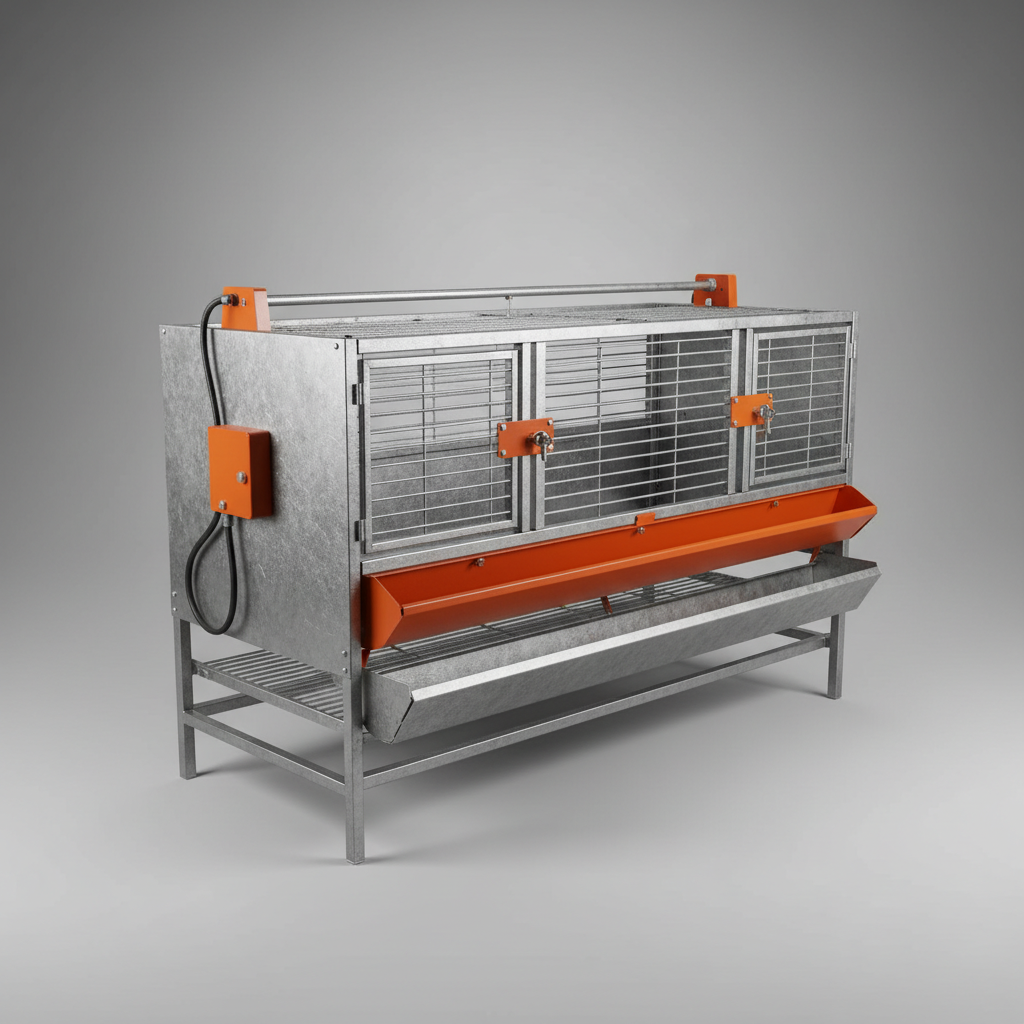
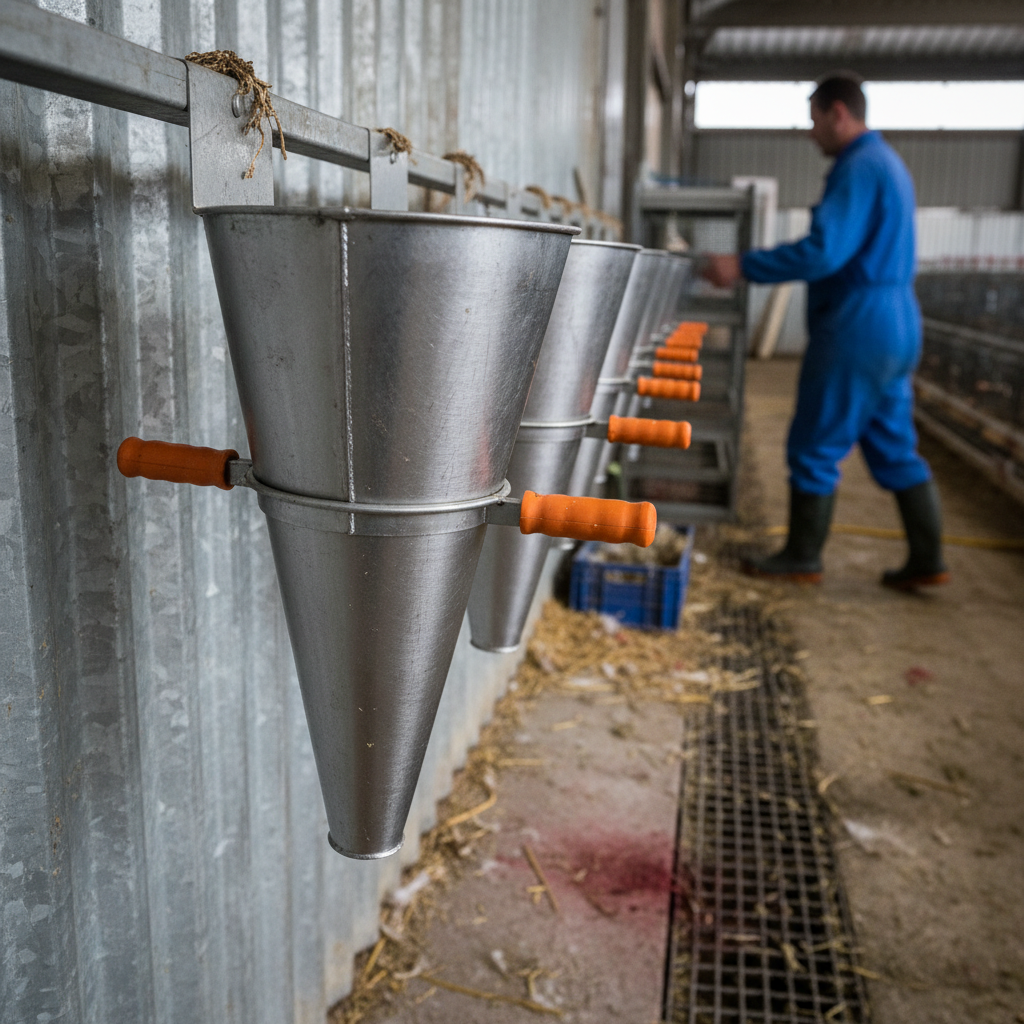
Automatic egg collecting machines are rapidly transforming the poultry industry, offering a compelling solution to labor shortages, increased efficiency demands, and improved egg quality. These systems represent a significant advancement over traditional manual egg collection methods, impacting farms of all sizes globally. The implementation of these machines isn't simply about automation; it’s about optimizing the entire egg production process, from bird welfare to logistical streamlining.
The global demand for eggs is continuously rising, driven by population growth and increasing protein consumption. This increasing demand necessitates innovative solutions to maintain production levels while minimizing costs and maximizing sustainability. Automatic egg collecting machines address these challenges directly, providing a scalable and cost-effective solution for modern poultry farms. According to the UN, global egg production is projected to increase by [insert statistic here], highlighting the urgent need for efficient production technologies.
Understanding the nuances of automatic egg collecting machine technology – its components, benefits, and future trends – is crucial for stakeholders across the poultry value chain, including farm owners, equipment manufacturers, and industry researchers. Embracing this technology offers opportunities to enhance profitability, improve animal welfare standards, and contribute to a more sustainable food system. This article explores the multifaceted aspects of these machines, providing a comprehensive overview for informed decision-making.


Automatic egg collecting machines represent a pivotal innovation in modern poultry farming. They've moved beyond the initial concepts to become sophisticated systems integrating sensors, robotics, and data analytics. The core function remains consistent: the automated removal of eggs from laying nests, but the methods and capabilities have expanded considerably.
The adoption rate of these machines is strongly correlated with farm size and operational scale. Larger commercial operations often see the quickest return on investment due to the substantial labor savings. However, advancements in affordability and modularity are making these systems increasingly accessible to smaller and medium-sized farms as well.
The payback period for an automatic egg collecting machine varies depending on farm size, labor costs, and egg prices. However, most farms can expect a payback period of 3-7 years. Larger operations with higher labor costs will typically see a faster return on investment. Consider also potential increases in egg yield due to reduced breakage and improved egg quality.
Routine maintenance includes regular cleaning, lubrication of moving parts, and inspection of sensors and conveyors. Most manufacturers recommend scheduled maintenance checks performed by trained technicians. Preventive maintenance is crucial to ensure optimal performance and minimize downtime. Newer machines with AI-powered diagnostics often provide predictive maintenance alerts.
Compatibility depends on the specific machine and housing design. Some machines are designed for specific cage systems, while others are more adaptable. It’s crucial to assess the existing housing infrastructure and choose a machine that integrates seamlessly. Modifications to the housing may be necessary in some cases to ensure proper functionality.
Modern automatic egg collecting machines incorporate various safety features to protect both birds and operators. These include collision detection sensors, emergency stop buttons, and protective guarding around moving parts. Systems are designed to minimize stress on birds and prevent injuries. Regular safety inspections are recommended.
When properly maintained, automatic egg collecting machines can improve egg quality. Gentle handling minimizes breakage and shell damage. Prompt collection reduces the risk of contamination and maintains egg freshness. Some systems also incorporate automated egg grading and quality assessment features.
Power consumption varies depending on the machine’s size, complexity, and operating speed. Smaller machines may consume around 1-2 kilowatts, while larger systems can require up to 5 kilowatts or more. Energy-efficient designs and integration with renewable energy sources can help minimize electricity costs.
Automatic egg collecting machines represent a significant leap forward in poultry farming technology. Their benefits – reduced labor costs, improved efficiency, enhanced egg quality, and increased sustainability – are undeniable. Embracing this technology is not simply about automating a task; it’s about optimizing the entire egg production process and ensuring a secure and sustainable food supply.
Looking ahead, continued innovation in AI, robotics, and sustainable energy will further enhance the capabilities and accessibility of these machines. Investing in automatic egg collection is an investment in the future of poultry farming, paving the way for a more efficient, sustainable, and resilient industry. Visit our website to learn more about how automatic egg collecting machine can benefit your farm.






 Afrikaans
 Albanian
 Amharic
 Arabic
 Armenian
 Azerbaijani
 Basque
 Belarusian
 Bengali
 Bosnian
 Bulgarian
 Catalan
 Cebuano
 Corsican
 Croatian
 Czech
Czech
 Danish
 Dutch
Dutch
 Esperanto
 Estonian
 Finnish
 French
 Frisian
 Galician
 Georgian
 German
 Greek
Greek
 Gujarati
 Haitian Creole
 Hausa
Hausa
 Hawaiian
 Hebrew
 Hindi
Hindi
 Miao
Miao
 Hungarian
 Icelandic
 Igbo
Igbo
 Indonesian
 Irish
Irish
 Italian
 Japanese
 Javanese
 Kannada
 Kazakh
 Khmer
Khmer
 Rwandese
 Korean
 Kurdish
 Kyrgyz
 Lao
Lao
 Latin
Latin
 Latvian
 Lithuanian
 Luxembourgish
 Macedonian
 Malgashi
 Malay
Malay
 Malayalam
 Maltese
 Maori
Maori
 Marathi
 Mongolian
 Myanmar
 Nepali
 Norwegian
 Norwegian
 Occitan
 Pashto
 Persian
 Polish
 Portuguese
 Punjabi
 Romanian
 Russian
 Samoan
 Scottish Gaelic
 Serbian
 Sesotho
 Shona
Shona
 Sindhi
 Sinhala
 Slovak
 Slovenian
 Somali
 Spanish
 Sundanese
 Swahili
 Swedish
 Tagalog
 Tajik
Tajik
 Tamil
Tamil
 Tatar
Tatar
 Telugu
 Thai
Thai
 Turkish
 Turkmen
 Ukrainian
 Urdu
Urdu
 Uighur
 Uzbek
Uzbek
 Vietnamese
 Welsh
Welsh
 Bantu
Bantu
 Yiddish
 Yoruba
 English