Advanced Livestock Infrastructure Solutions: Optimized cage house poultry for Philippines

Integrating high-efficiency breeding systems and automated waste management to maximize yield in the tropical climate of the Philippines.

Advanced Livestock Infrastructure Solutions: Optimized cage house poultry for Philippines

Empowering Filipino farmers with industrial-grade machinery, from multi level rabbit cage systems to large-scale porcine housing, designed for sustainability and high output.

Agricultural Modernization Status in the Philippines

Analyzing the intersection of tropical livestock farming and industrial automation.

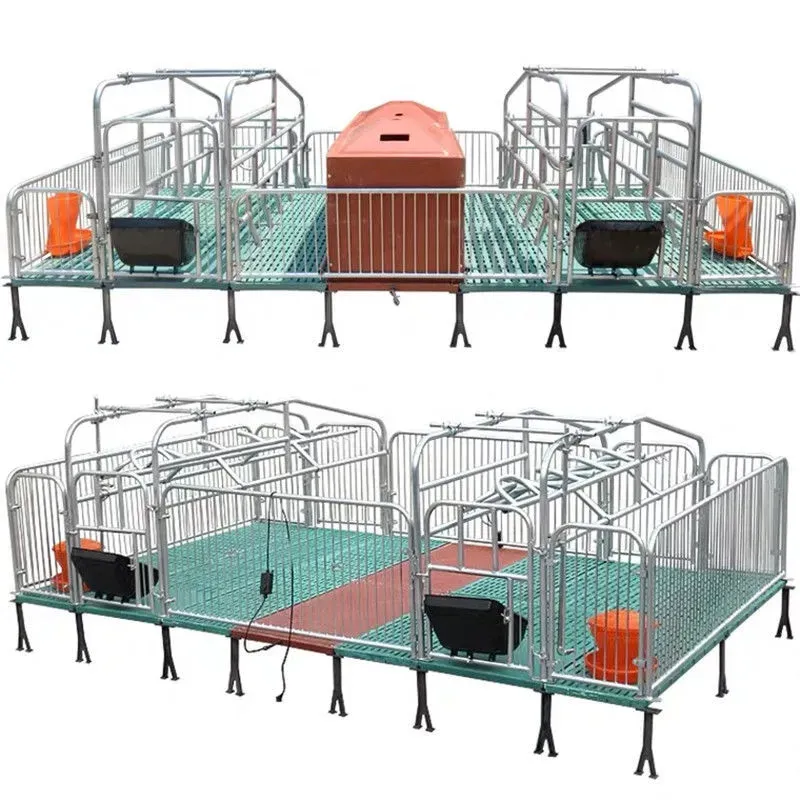
The livestock sector in the Philippines is currently transitioning from traditional backyard farming to commercial-scale operations. With high humidity and fluctuating temperatures, farmers are increasingly seeking specialized structures like the farrowing house for pigs to protect piglets from environmental stress and reduce mortality rates.

In the poultry and rabbit sectors, space optimization has become a critical economic driver. The adoption of a multi level rabbit cage allows small-to-medium enterprises (SMEs) in Luzon and Visayas to scale their production without requiring vast land expansion, aligning with the region's fragmented land ownership patterns.

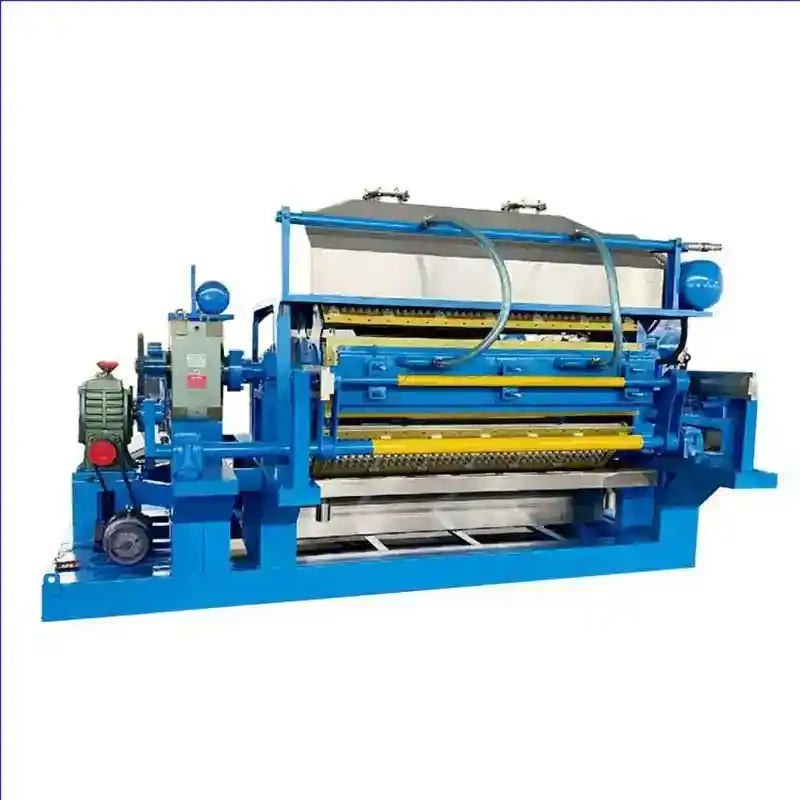
Furthermore, the surge in egg consumption has created a massive demand for downstream processing. The implementation of an egg tray production line is becoming essential for local distributors to ensure safe transport and reduce breakage during logistics across the archipelago's challenging terrain.
Technological Evolution of Philippine Livestock Equipment

From bamboo structures to automated industrial steel systems.

Market Development History

Prior to 2010, most livestock housing in the Philippines relied on indigenous materials like bamboo and wood, which were susceptible to pests and rapid decay in the humid tropics. Feeding was primarily manual, leading to significant waste and inconsistent growth rates.

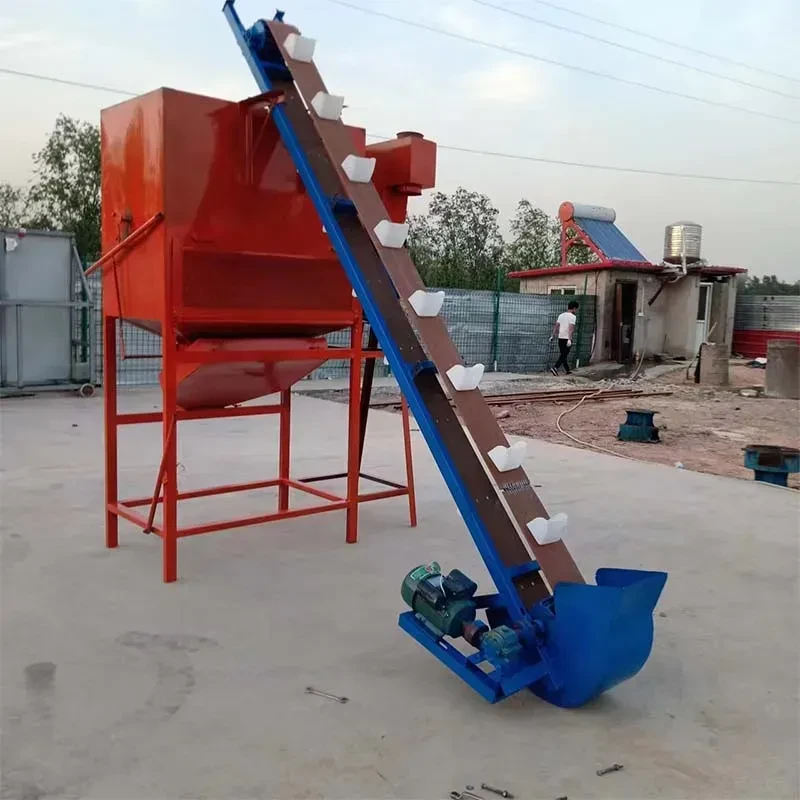
Between 2010 and 2020, there was a shift toward galvanized steel and basic mechanical automation. The introduction of the animal feed cutter revolutionized the way local farmers processed forage, moving from hand-chopping to mechanical shredding, which improved nutrient absorption for livestock.

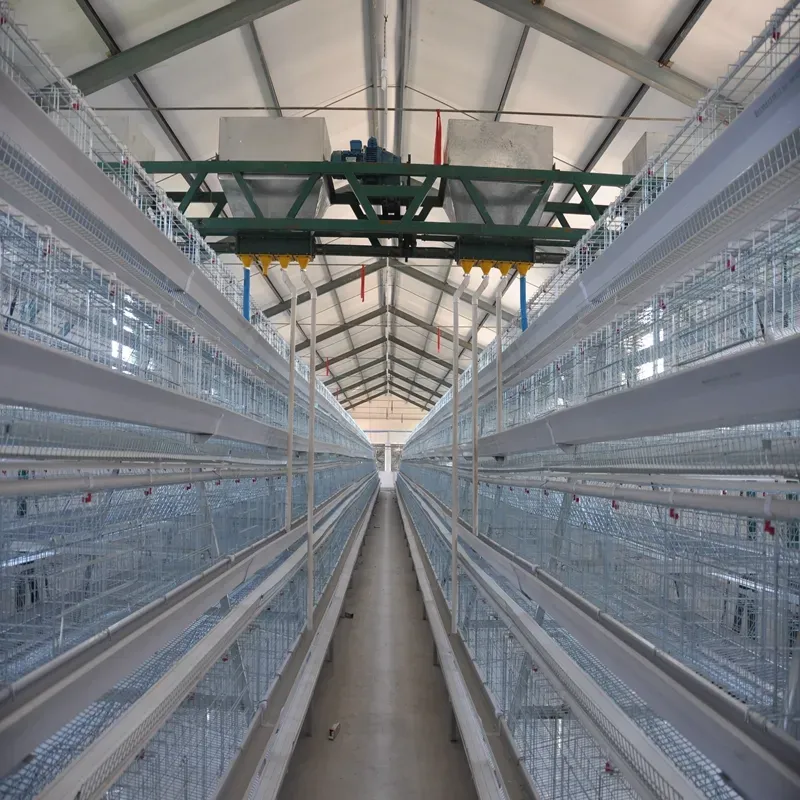
Since 2021, the market has entered the era of "Precision Livestock Farming" (PLF). This includes the integration of climate-controlled cage house poultry systems that utilize automated ventilation and feeding, drastically reducing labor costs and increasing biosecurity against diseases like Avian Flu.

Future Development Trends

IoT-Integrated Monitoring

Future systems will incorporate sensors to monitor ammonia levels and temperature in real-time, automatically adjusting ventilation in farrowing houses.

Circular Waste Economy

Integration of waste-to-energy systems where poultry and pig manure is processed into biogas, powering the very machinery used in the facility.

Modular Scalability

A shift toward prefabricated, modular cage systems that allow farmers to expand their capacity incrementally based on market demand.

Strategic Trends and Future Outlook for Livestock Machinery

Driving productivity through sustainable engineering and automation.

Climate-Resilient Design
Engineering equipment with anti-corrosive coatings to withstand the high salinity and humidity of the Philippine archipelago.
Feed Efficiency Optimization
Utilizing advanced animal feed cutter technology to reduce waste and optimize nutritional intake for livestock.
Vertical Farming Integration
Maximizing land use in urbanized areas of Manila and Cebu through high-density vertical cage architectures.
Sustainable Packaging
Scaling the use of recycled paper in an egg tray production line to reduce plastic waste.

Industry Outlook

Based on search trends for "automated livestock farming" in Southeast Asia, we expect a 15% CAGR in the demand for integrated housing systems. The focus is shifting from simple containment to "wellness-centric" design, where ventilation and ergonomics reduce animal stress.

The convergence of government subsidies for agricultural modernization in the Philippines and the rising cost of manual labor will accelerate the adoption of fully automated feeding and cleaning systems across all livestock categories.

Localized Application Scenarios in the Philippines

Practical implementations across various Philippine agricultural landscapes.

01. Urban Rabbitry in Metro Manila

Implementing a multi level rabbit cage in limited urban spaces, utilizing vertical height to maintain a high population density for meat and fur production.

02. Commercial Egg Production in Batangas

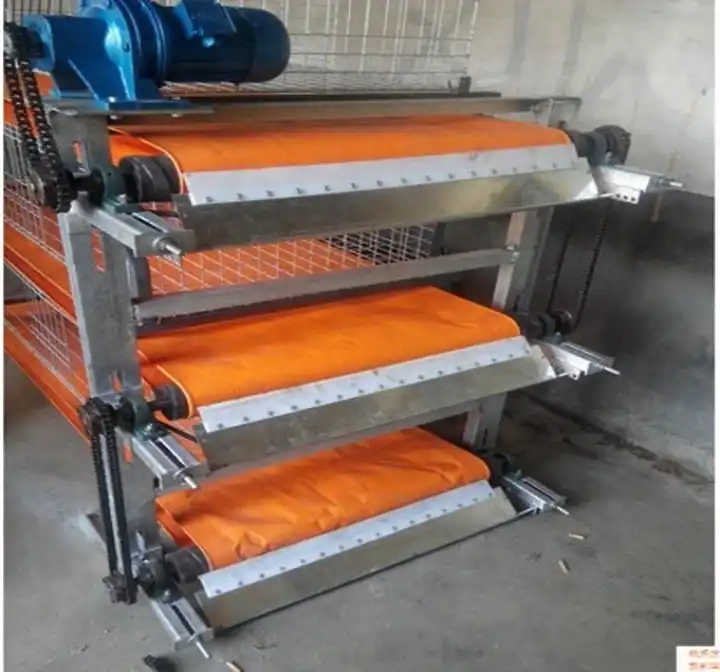
Deploying an industrial cage house poultry system integrated with an automated conveyor, ensuring high hygiene standards and rapid egg collection.

03. Swine Breeding Farms in Central Luzon

Installing a professional farrowing house for pigs with temperature-controlled creep areas to ensure maximum piglet survival rates during the rainy season.

04. Local Feed Milling in Mindanao

Using a high-capacity animal feed cutter to process local corn and coconut by-products into nutrient-dense fodder for cattle and goats.

05. Egg Distribution Hubs in Cebu

Setting up a local egg tray production line to produce biodegradable packaging for regional egg suppliers, reducing reliance on expensive imports.

Brand Story

Global Development Journey of Anping Yize Metal Products Co., Ltd.

Founding Vision

Established with a mission to bridge the gap between traditional farming and industrial efficiency through high-quality metal fabrication.

Technical Breakthroughs

Developed proprietary anti-oxidation galvanizing processes to ensure equipment longevity in extreme tropical climates.

Global Expansion

Extended our footprint into the Southeast Asian market, focusing on tailoring equipment to the specific needs of Filipino farmers.

Sustainable Innovation

Launched a series of eco-friendly production lines, reducing the carbon footprint of livestock housing manufacturing.

Industry Leadership

Now recognized as a leading provider of comprehensive livestock solutions, combining precision engineering with animal welfare.

Frequently Asked Questions for Philippine Farmers

Expert answers to common technical and logistical queries.

How to maintain a multi level rabbit cage in high humidity?

We use hot-dip galvanized steel which prevents rust. We recommend regular ventilation and using the automated cleaning trays to remove moisture and waste quickly.

Can an egg tray production line use recycled paper from local sources?

Yes, our machines are designed to process various grades of waste paper and cardboard, making it ideal for local recycling initiatives in the Philippines.

What is the optimal layout for a cage house poultry system?

The layout should prioritize cross-ventilation. We provide customized blueprints that align the cages with prevailing wind directions to naturally cool the birds.

How does a farrowing house for pigs improve piglet survival?

By separating the sow and piglets into specialized zones, it prevents crushing and allows for precise heating in the piglet area, which is crucial during rainy seasons.

Which animal feed cutter is best for tropical forage?

Our heavy-duty stainless steel cutters are designed to handle fibrous tropical grasses and corn stalks, ensuring a uniform cut for better digestion.

Are these livestock systems compliant with Philippine biosecurity laws?

Absolutely. Our designs focus on ease of disinfection and controlled access, helping farmers meet the strict biosecurity standards required by the Department of Agriculture.

Upgrade Your Farm Today

Contact our technical team for a customized livestock equipment quote tailored for the specific environment of the Philippines.

Contact Us Now

If you are interested in our products, you can choose to leave your information here, and we will be in touch with you shortly.