Advanced Livestock Farming Solutions with farrowing house for pigs

Engineering high-efficiency animal husbandry equipment tailored for the North American agricultural market to maximize yield and animal welfare.

Advanced Livestock Farming Solutions with farrowing house for pigs

Integrating precision engineering with livestock biology to provide the United States market with sustainable and scalable farming infrastructure, ranging from cage house poultry systems to waste management tools.

The State of Livestock Equipment in the United States

Analyzing the shift toward industrial automation in North American livestock farming.

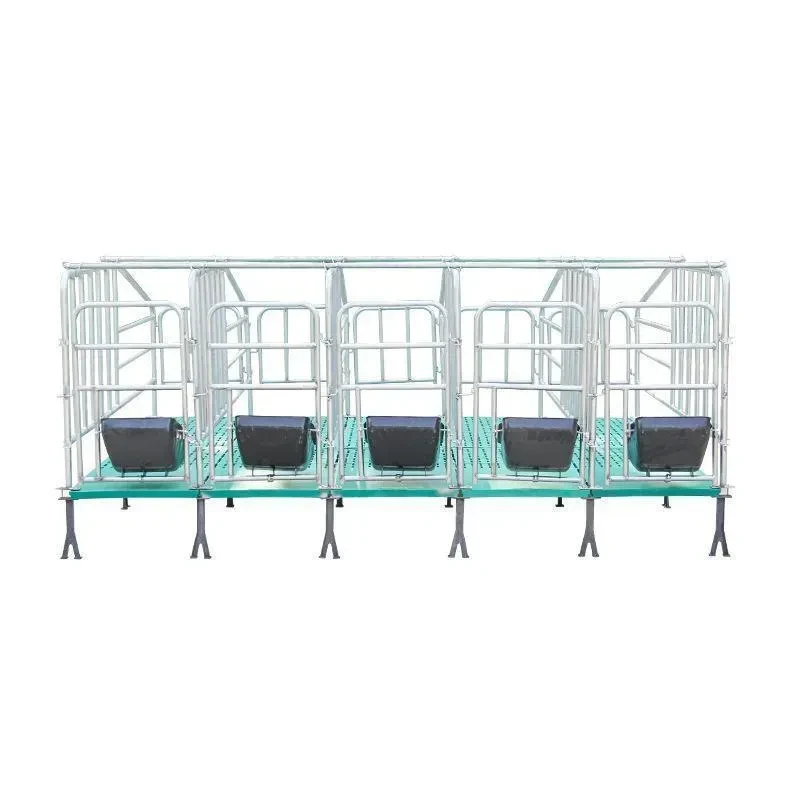
The United States livestock industry is currently facing a critical transition toward "Precision Livestock Farming" (PLF). In the Midwest and Southern regions, where large-scale operations dominate, there is an increasing demand for a farrowing house for pigs that minimizes piglet mortality through advanced thermal regulation and spatial optimization.

Labor shortages and rising operational costs in North America have forced farmers to seek automation. The adoption of an egg tray production line has become essential for integrated poultry farms to reduce reliance on external packaging suppliers and streamline the supply chain from coop to consumer.

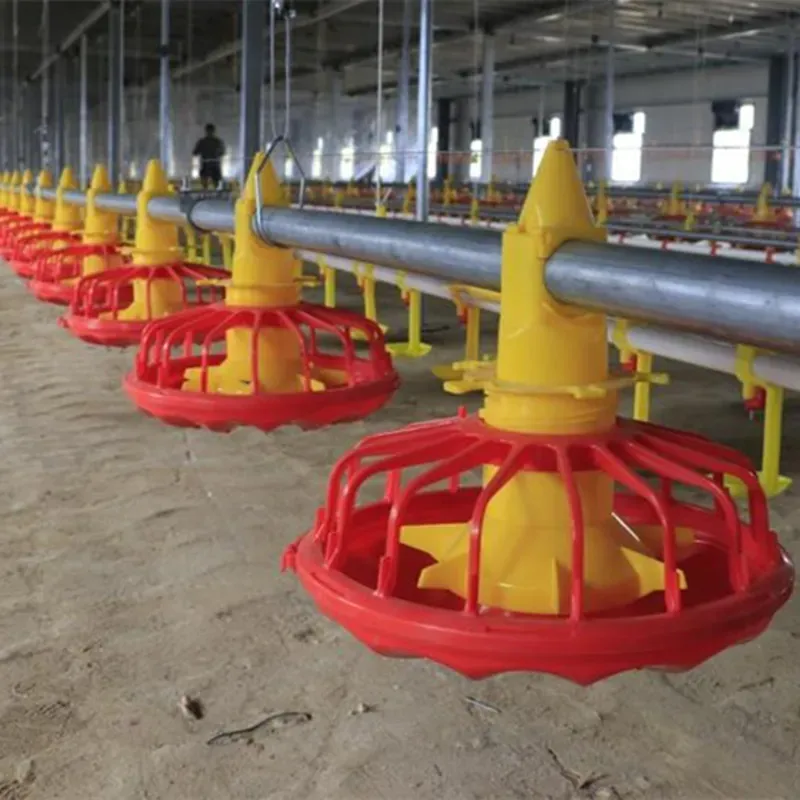
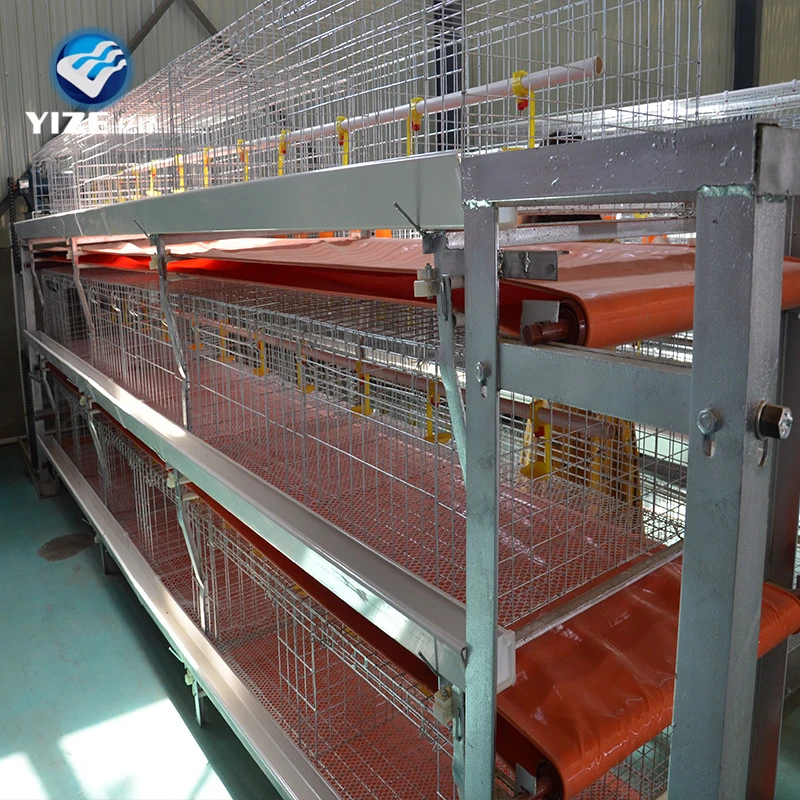
Furthermore, strict USDA and EPA regulations regarding animal welfare and environmental impact are driving the replacement of legacy systems. Modern farms are now prioritizing the installation of a cage house poultry setup that balances high-density production with ventilation standards required for the diverse US climates.
Evolution of Livestock Engineering and Development

From manual labor to AI-driven livestock management systems.

Market Development History

In the 1980s and 90s, US livestock farming relied heavily on manual feeding and basic galvanized steel structures. Feed preparation was primitive, often requiring rudimentary chopping tools before the introduction of the industrial animal feed cutter, which standardized nutrient distribution.

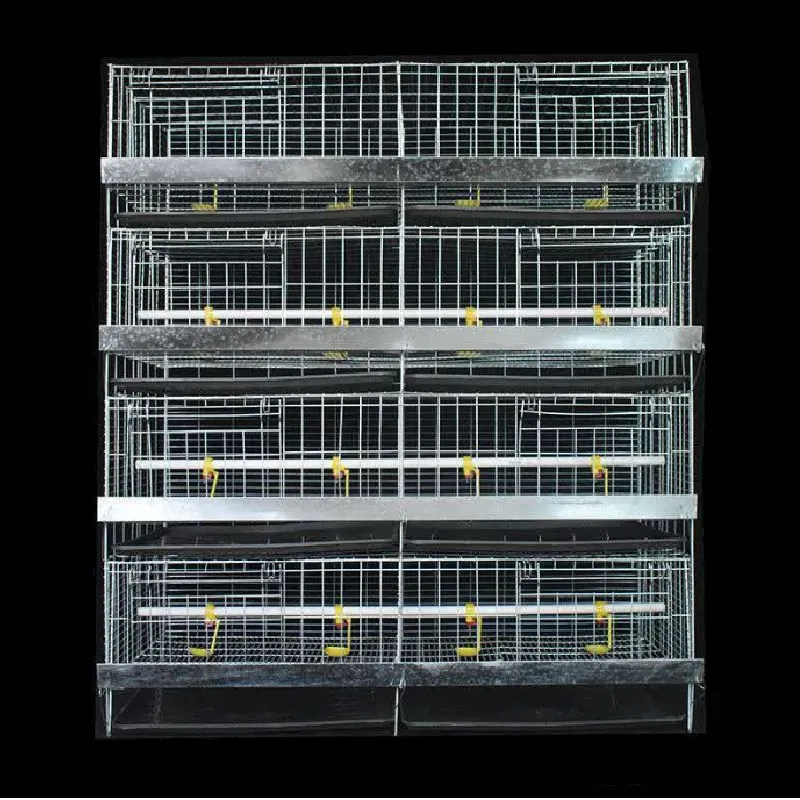
Between 2000 and 2015, the industry shifted toward specialization. We saw the rise of the multi level rabbit cage to optimize vertical space in small-to-medium enterprises, moving away from floor-raising methods to improve hygiene and disease control.

From 2016 to the present, the focus has pivoted to "Smart Farming." Integration of IoT sensors in farrowing and poultry houses allows real-time monitoring of temperature and humidity, ensuring that equipment serves as a biological support system rather than just a container.

Future Development Trends

Carbon-Neutral Equipment

Future machinery will integrate recycled materials and energy-efficient motors to meet the US green energy mandates, specifically in high-energy components like the egg tray production line.

Automated Health Monitoring

Integration of AI cameras within the cage house poultry systems to detect early signs of illness based on animal movement patterns.

Modular Scalability

A shift toward plug-and-play modular housing that allows farmers to expand their capacity without needing complete structural overhauls.

Industry Trends and Future Outlook

Predicting the technological trajectory of the North American husbandry market.

AI-Driven Automation
Implementation of machine learning to optimize feeding schedules and environment controls.
Bio-Secure Materials
Using antimicrobial alloys and coatings to reduce the spread of zoonotic diseases.
Waste-to-Energy
Integrating equipment with anaerobic digesters to turn manure into farm power.
Vertical Integration
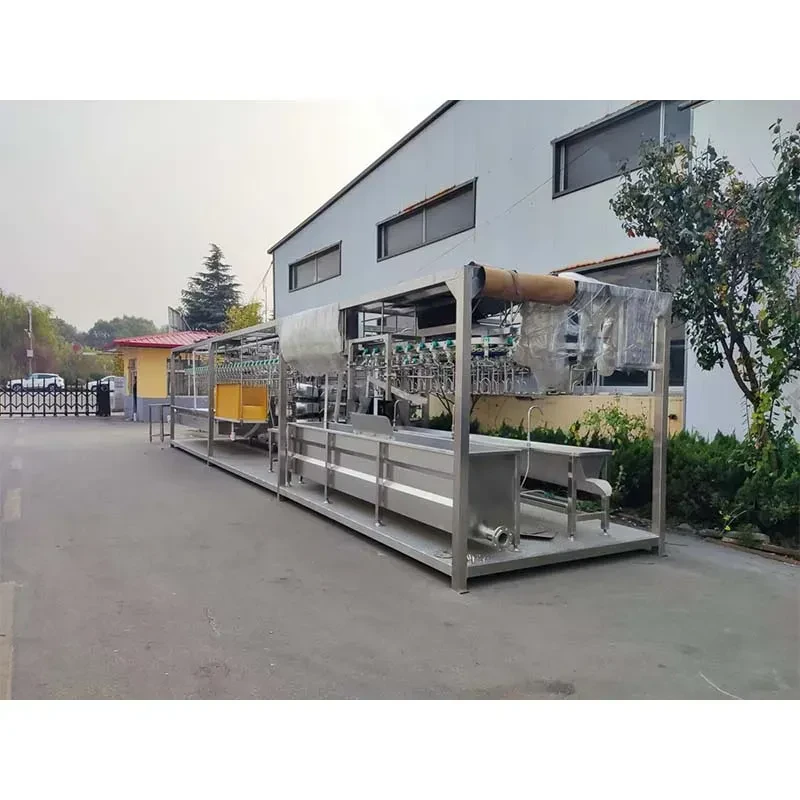
Combining production and packaging lines in one facility to eliminate logistics costs.

Industry Outlook

The North American market is moving toward a data-centric model. We expect Google search trends for "automated livestock systems" to increase as farmers seek ways to combat the rising cost of manual labor in the United States.

Ultimately, the winners in this sector will be those who provide integrated ecosystems—where the animal feed cutter, housing, and packaging lines all communicate through a single management software.

Localized Application Scenarios in North America

Practical deployments of our equipment across different US agricultural zones.

1. Midwest Industrial Pig Farms

Deployment of high-capacity farrowing house for pigs in Iowa, focusing on climate-controlled zones to maintain piglet warmth during harsh winters.

2. Appalachian Small-Scale Rabbitry

Installation of space-saving multi level rabbit cage systems for specialty meat producers in West Virginia to maximize limited acreage.

3. Southern Poultry Hubs

Implementing large-scale cage house poultry infrastructure in Georgia, utilizing advanced ventilation to combat high summer humidity.

4. Regional Egg Distribution Centers

Setup of a fully automated egg tray production line in Ohio to provide sustainable packaging for local organic egg cooperatives.

5. Mixed-Crop Forage Operations

Integration of the animal feed cutter in Nebraska to process corn silage and alfalfa into precision feed for diverse livestock.

Brand Story

Global Development History of Anping Yize Metal Products Co., Ltd.

Foundational Excellence

Starting as a specialized metal fabricator, we focused on solving the durability issues of livestock cages in corrosive environments.

Technical Diversification

We expanded our R&D into automated production lines, bridging the gap between raw housing and end-product packaging.

Global Market Entry

By aligning our standards with international welfare certifications, we successfully entered the North American market.

Innovation Leadership

Developing the next generation of smart cages that integrate weight sensors and automatic feeding mechanisms.

Sustainable Future

Committing to a zero-waste manufacturing process to support the global shift toward eco-friendly agriculture.

Livestock Equipment FAQs - United States

Expert answers to common technical and regulatory questions in the US.

How does a multi level rabbit cage improve disease control in US farms?

By separating the animals from their waste through galvanized wire flooring and using a vertical arrangement, it prevents the spread of coccidiosis and other ground-borne pathogens common in floor-raising.

What is the ROI for installing an egg tray production line on-site?

Most US poultry farms see a return on investment within 18-24 months by eliminating the cost of purchasing trays and reducing breakage during transport via custom-fitted packaging.

Does your cage house poultry system comply with USDA welfare guidelines?

Yes, our systems are designed with adjustable spacing and advanced ventilation to ensure birds have adequate air quality and movement, meeting strict North American welfare standards.

How to optimize a farrowing house for pigs for winter in the Midwest?

We recommend using integrated heat lamps and insulated wall panels within the farrowing house to create a micro-climate that protects piglets from cold stress while keeping the sow cool.

Can an animal feed cutter process diverse North American forage types?

Absolutely. Our cutters are engineered with high-carbon steel blades capable of processing everything from tough corn stalks and alfalfa to soft succulents and silage.

What is the maintenance cycle for automated poultry housing in humid climates?

In humid regions like the US South, we recommend a quarterly inspection of ventilation fans and a bi-annual anti-corrosion treatment on all galvanized surfaces.

Get Your Custom Livestock Solution

Ready to upgrade your facility? Our engineers provide full customization for all agricultural projects across the United States.

Contact Us Now

If you are interested in our products, you can choose to leave your information here, and we will be in touch with you shortly.