Advanced Livestock Farming Solutions: Precision farrowing house for pigs for Canada

Integrating high-efficiency automation and animal welfare standards to optimize livestock productivity across the Canadian prairies and coastal regions.

Advanced Livestock Farming Solutions: Precision farrowing house for pigs for Canada

Empowering Canadian farmers with durable, high-capacity equipment designed for extreme climates and stringent welfare regulations, from automated feeding to climate-controlled housing.

The Current State of Livestock Equipment in Canada

Analyzing the intersection of harsh climatic conditions and the push for sustainable agricultural intensification.

Canada's livestock industry is currently navigating a transition toward "Precision Livestock Farming" (PLF). In provinces like Alberta and Saskatchewan, the vast geography demands equipment that minimizes manual labor while maximizing animal health. The adoption of a cage house poultry system has evolved to include sophisticated ventilation and heating to combat the brutal winter temperatures.

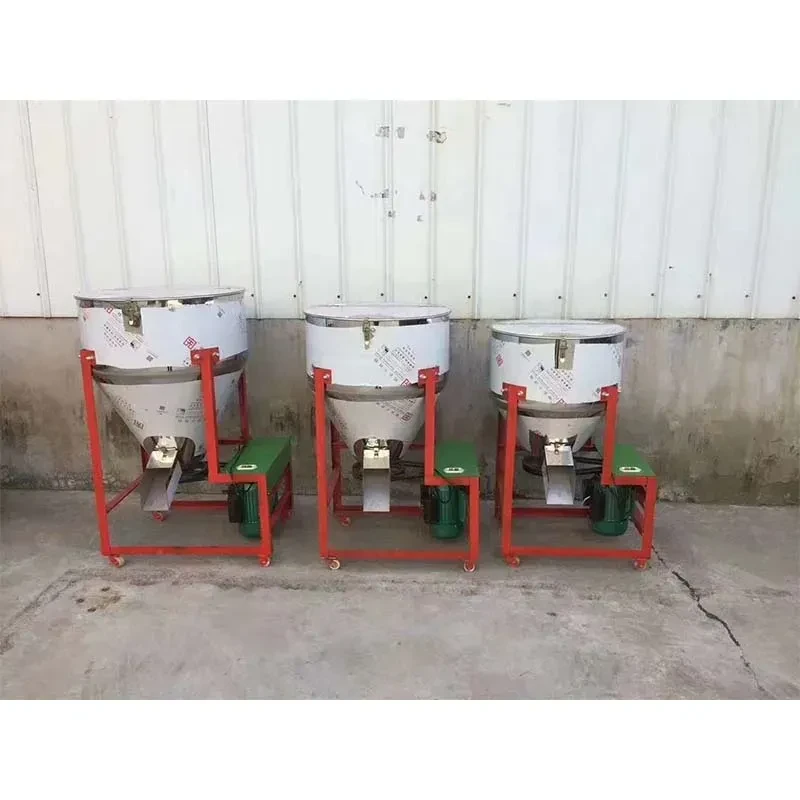
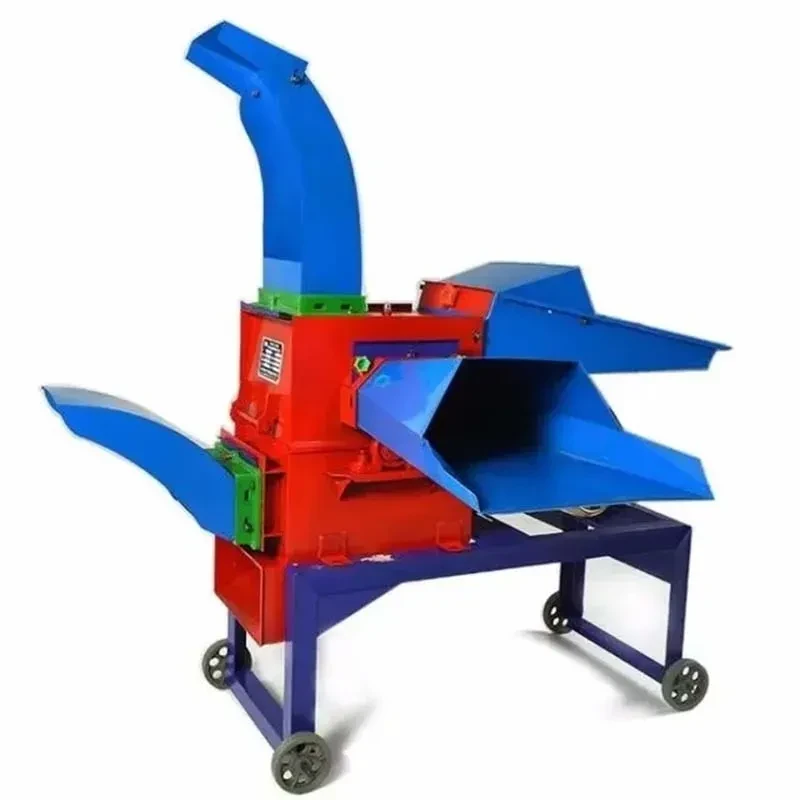
Economic pressures and labor shortages in rural Canada have accelerated the demand for automated waste management and feeding. Farmers are increasingly replacing legacy systems with a modern animal feed cutter to ensure nutrient consistency and reduce feed waste, aligning with the national goal of reducing the environmental footprint of meat production.

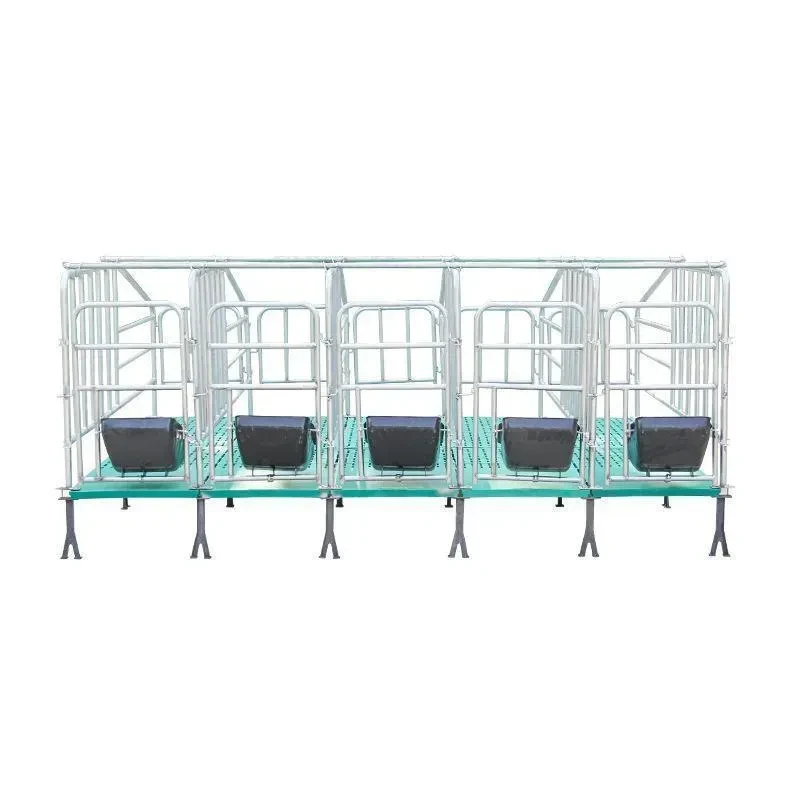
Furthermore, regulatory shifts toward higher animal welfare standards are forcing a redesign of housing. The shift from traditional pens to a specialized farrowing house for pigs is now a priority to reduce piglet mortality and improve the overall hygiene of the nursery environment in commercial farms.
Evolutionary Trajectory of Canadian Livestock Machinery

From manual labor to AI-driven environmental control systems.

Market Development History

In the 1980s and 90s, Canadian livestock farming relied heavily on manual processes and basic galvanized steel structures. Equipment was primarily designed for durability rather than efficiency, with simple feeding troughs and open-air ventilation that struggled during Canadian winters.

Between 2000 and 2015, the industry saw a surge in mechanization. This era introduced the widespread use of the egg tray production line for local poultry hubs, shifting the focus toward industrial-scale output and streamlined supply chains for the domestic market.

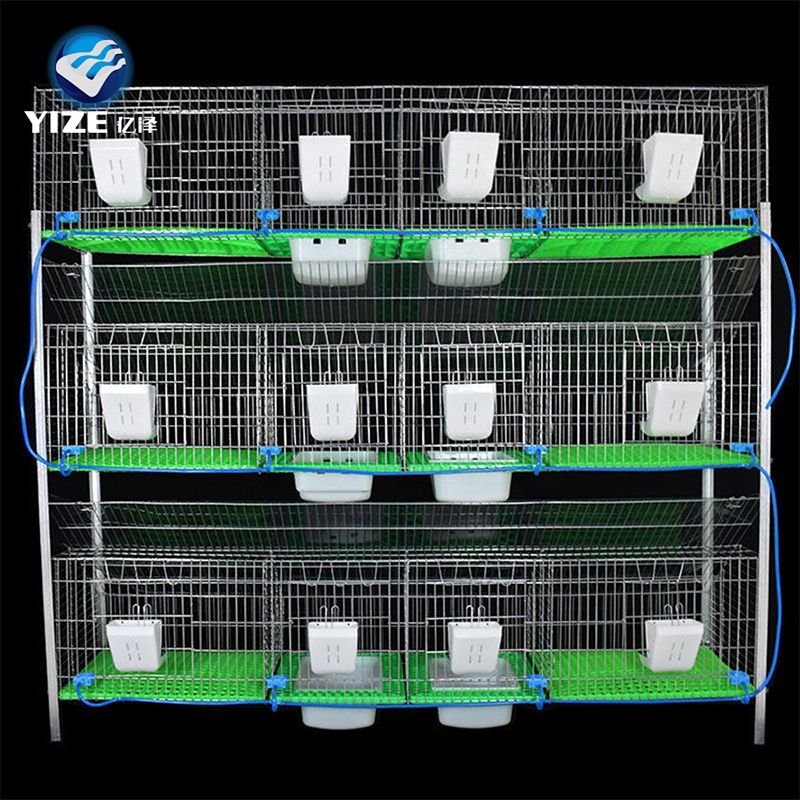
Since 2016, the focus has shifted toward "Smart Farming." The integration of IoT sensors within a multi level rabbit cage or poultry house allows farmers to monitor ammonia levels and temperature in real-time, drastically reducing the risk of disease outbreaks.

Future Development Trends

Modular Housing Systems

The trend is moving toward prefabricated, modular units that can be quickly expanded or relocated based on seasonal demand and land use regulations in North America.

Circular Economy Integration

Future systems will integrate waste-to-energy modules, where the output of a farrowing house is directly linked to biogas digesters to power the farm's heating.

AI-Driven Feed Optimization

Next-generation cutters and feeders will use AI to analyze animal growth rates and adjust feed composition automatically to optimize FCR (Feed Conversion Ratio).

Industry Trends and Future Outlook

Driving the next generation of livestock productivity through technological convergence.

Climate-Adaptive Design
Developing thermal-insulated housings that maintain optimal temperatures regardless of external Canadian frost.
Automation Convergence
Integrating robotic cleaners and automated feed dispensers to reduce labor reliance.
Bio-Secure Infrastructure
Implementing sealed environments to prevent the spread of avian influenza and swine fever.
Sustainable Materiality
Transitioning to recycled high-strength alloys and eco-friendly coatings for all cage structures.

Industry Outlook

Over the next 3-5 years, Google Search trends indicate a significant rise in queries related to "autonomous livestock management" and "carbon-neutral farming" in Canada. This suggests that the market will shift away from simple hardware toward integrated ecosystems where hardware and software merge.

The future lies in the democratization of high-end machinery. Small to mid-sized Canadian farms will increasingly adopt scalable solutions, such as modular egg tray production line systems, allowing them to compete with industrial giants through higher quality and local branding.

Localized Application Scenarios in Canada

Tailored equipment implementations for diverse Canadian agricultural landscapes.

1. Alberta Prairie Pork Hubs

Deployment of large-scale farrowing house for pigs featuring heat-mat technology to ensure piglet survival during sub-zero Alberta winters.

2. Ontario Poultry Cooperatives

Implementation of high-density cage house poultry systems with automated egg collection and climate control to maximize yield in Southern Ontario.

3. Quebec Small-Scale Rabbit Farms

Utilization of space-saving multi level rabbit cage setups for specialty meat and fur production in rural Quebec communities.

4. British Columbia Organic Feed Mills

Installation of precision animal feed cutter machines to process local organic forage into high-nutrient feed for sustainable livestock.

5. Manitoba Egg Processing Centers

Integration of fully automated egg tray production line systems to handle the massive seasonal output of Manitoba's poultry sector.

Brand Story

Global Development History of Anping Yize Metal Products Co., Ltd.

Founding Vision

Established with a mission to solve the inefficiency of traditional livestock housing through precision metallurgy and industrial design.

Technical Breakthrough

Developed patented anti-corrosion coatings specifically for high-humidity livestock environments, extending equipment lifespan by 40%.

Global Expansion

Expanded operations to North America, tailoring designs to meet Canadian and US animal welfare and safety certifications.

Smart Integration

Launched a new line of IoT-compatible cages and feeders, transitioning from a hardware manufacturer to a smart farming solution provider.

Sustainability Commitment

Committed to a zero-waste manufacturing process, utilizing 100% recyclable steel for all global livestock exports.

Frequently Asked Questions for Canadian Farmers

Expert answers to common technical and logistical queries regarding livestock machinery.

How does a multi level rabbit cage handle ventilation in cold climates?

Our systems are designed with adjustable airflow baffles and are compatible with Canadian HVAC heat-exchange systems to prevent drafts while maintaining fresh air circulation.

What is the installation timeline for a full egg tray production line in Canada?

Depending on the scale, installation typically takes 2-4 weeks, including calibration and staff training on the automated controls.

Are your cage house poultry systems compliant with Canadian animal welfare laws?

Yes, our poultry housing is designed to meet the latest space and hygiene requirements stipulated by Canadian agricultural regulators.

Can the farrowing house for pigs be customized for organic farming?

Absolutely. We offer customized dimensions and materials that allow for more foraging space and natural bedding integration for organic certified farms.

What maintenance is required for an industrial animal feed cutter?

Basic maintenance includes blade sharpening every 6 months and lubricating the drive motor, which can be managed by on-site farm staff.

Do you provide shipping and customs clearance for machinery into Canada?

We provide comprehensive logistics support, including all necessary documentation for smooth customs entry into Canadian ports.

Ready to Upgrade Your Farm?

Our experts are ready to design the perfect livestock solution for your operation in Canada. Let's build the future of farming together.

Contact Us Now

If you are interested in our products, you can choose to leave your information here, and we will be in touch with you shortly.