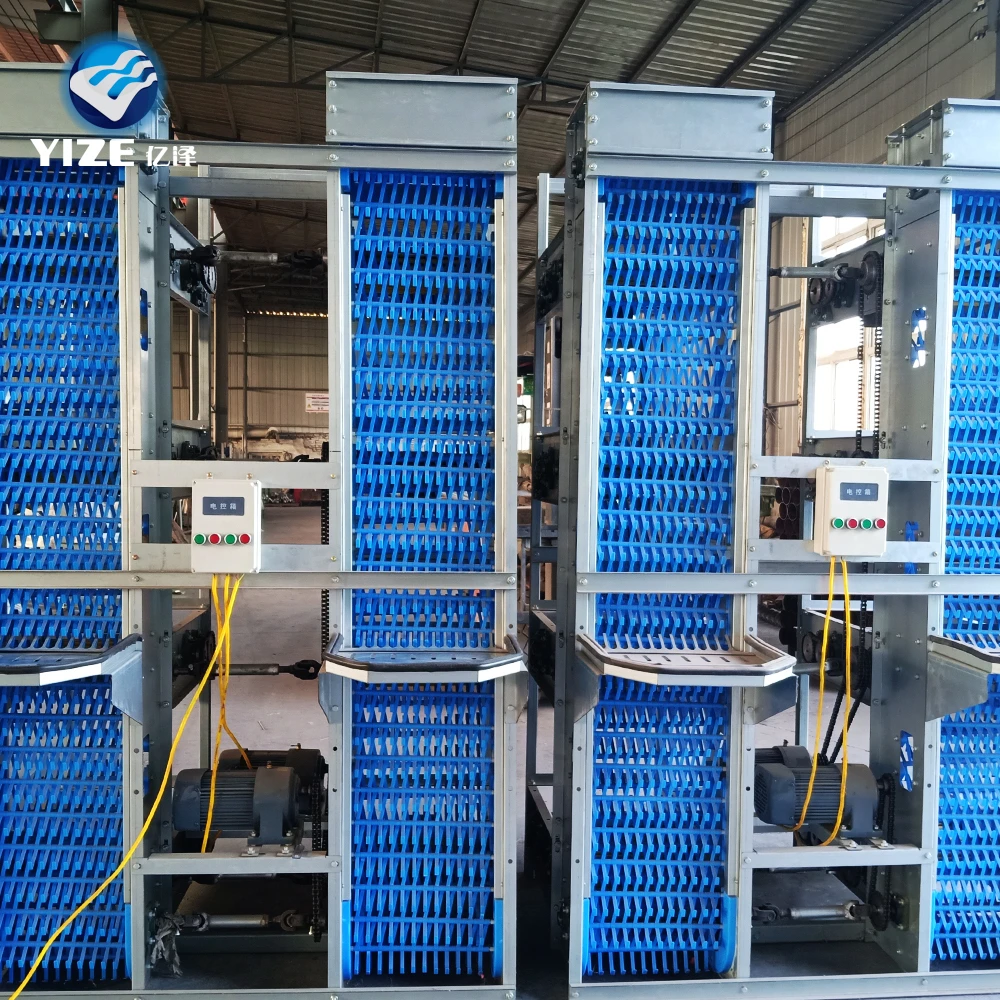

Zimbabwe's livestock sector currently faces a duality of traditional free-range methods and an emerging shift toward intensified production. In regions like Mashonaland, there is a growing demand for organized structures such as cage house poultry to combat predation and optimize space in peri-urban areas.
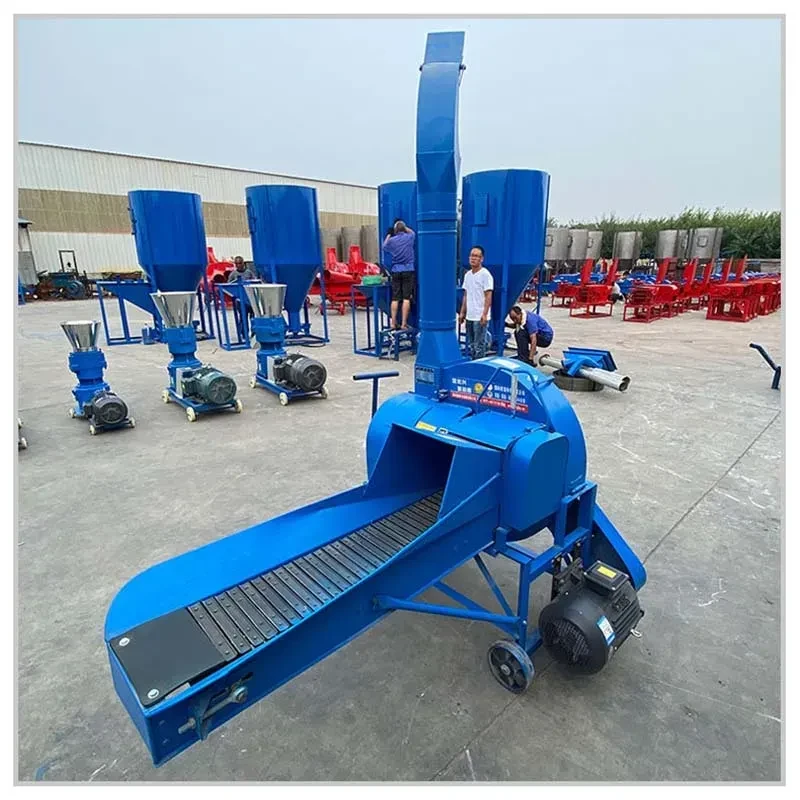
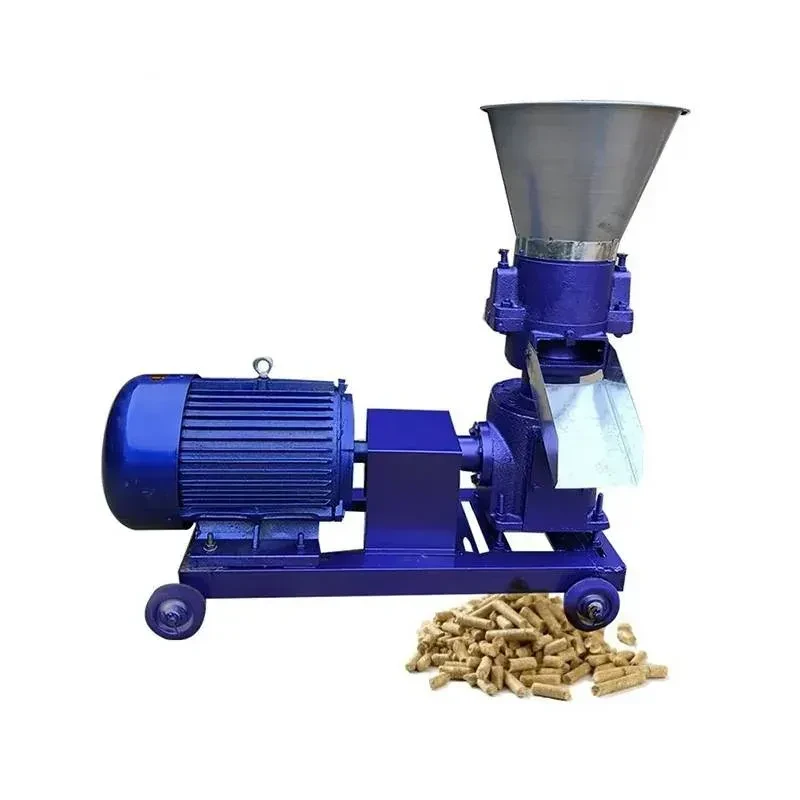
Climate volatility in Southern Africa has made traditional sheltering inadequate. The adoption of specialized equipment like the animal feed cutter has become crucial for farmers to process local maize and forage efficiently, reducing feed costs during drought periods.
Furthermore, the commercialization of small-stock farming has led to a surge in the use of multi level rabbit cage systems, allowing farmers to increase their protein output per square meter, aligning with the national goal of food security.