Advanced Livestock Equipment Solutions for farrowing house for pigs in Rwanda

Empowering Rwandan farmers with high-efficiency, durable, and sustainable livestock housing and processing machinery to maximize yield and animal welfare.

Advanced Livestock Equipment Solutions for farrowing house for pigs in Rwanda

Integrating precision engineering with local agricultural needs to provide Rwanda's livestock sector with world-class infrastructure and automated feed solutions.

The Current State of Livestock Manufacturing in Rwanda

Analyzing the intersection of Rwandan topography and modern livestock equipment adoption.

In Rwanda, the "Land of a Thousand Hills," livestock farming is shifting from subsistence to commercialization. However, the rugged terrain and varying humidity levels across provinces like the Eastern and Southern regions pose significant challenges for traditional housing. The demand for a specialized cage house poultry system has risen as farmers seek to optimize limited land space and improve hygiene in densely populated rural areas.

Economically, Rwanda is investing heavily in food security. This has led to a surge in the requirement for professional processing equipment. Specifically, the lack of localized packaging materials has made the egg tray production line a critical investment for cooperatives aiming to reduce post-harvest losses and increase the export value of poultry products.

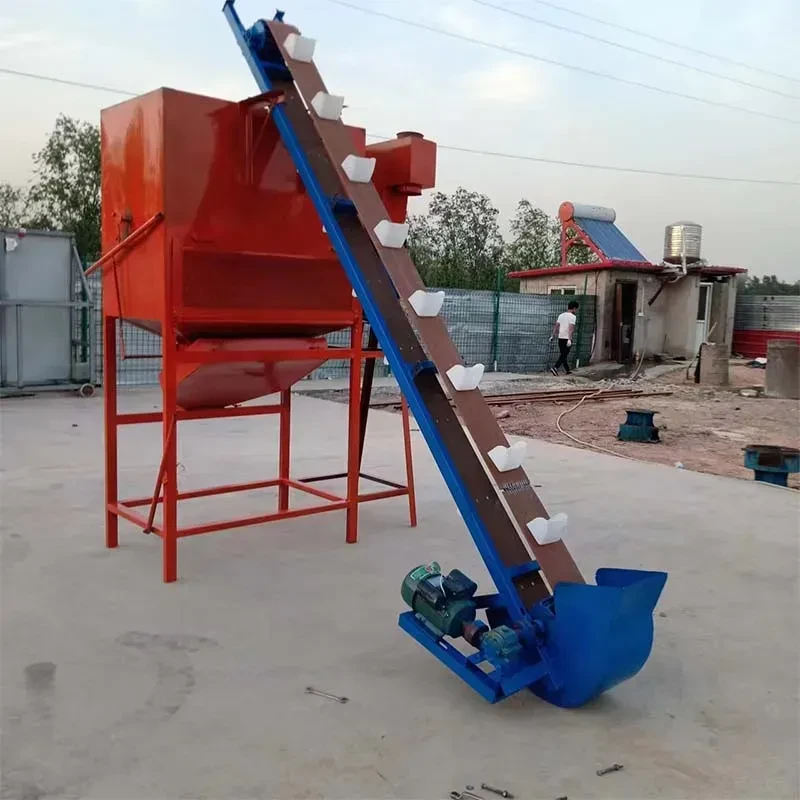
Furthermore, the adoption of an animal feed cutter has become essential for small to medium enterprises. By converting local agricultural residues into high-quality fodder, Rwandan farmers are reducing their dependence on expensive imported feed, thereby increasing the profit margins of pig and rabbit farming operations.
Evolution and Trajectory of Rwanda's Livestock Technology

From traditional wooden pens to automated, climate-resilient livestock systems.

Market Development History

Before 2010, the Rwandan livestock sector relied heavily on artisanal wooden structures and manual feeding. This era was characterized by high mortality rates due to poor ventilation and lack of waste management, especially in pig and rabbit rearing.

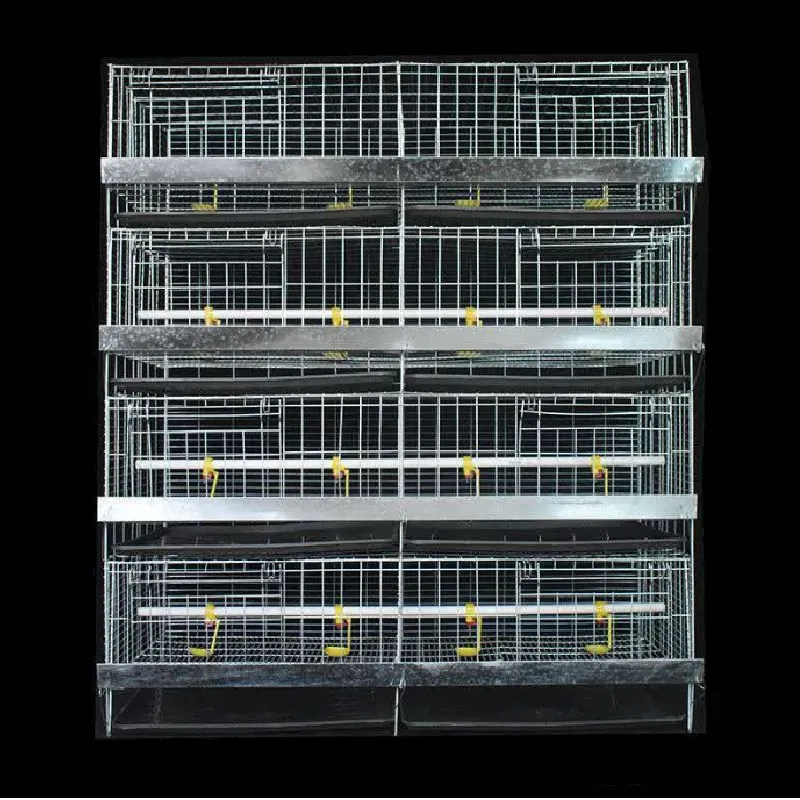
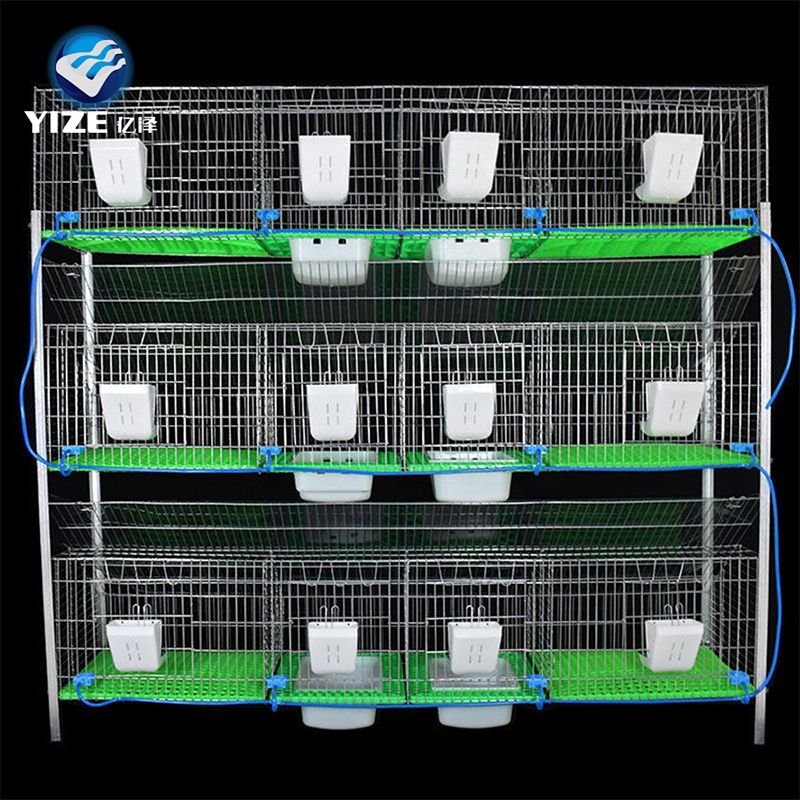
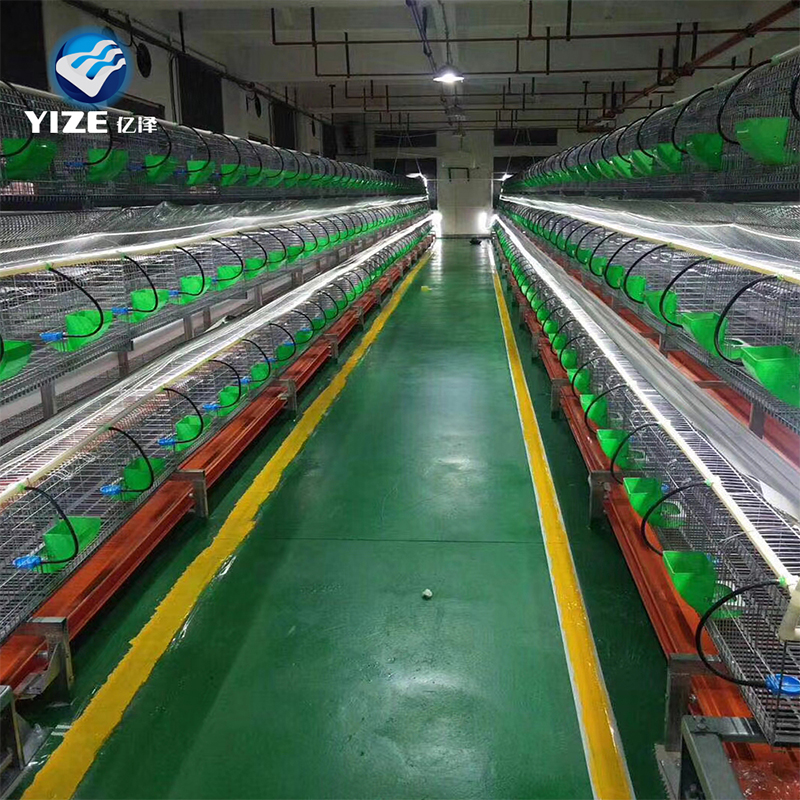
Between 2010 and 2020, a transition toward galvanized steel occurred. The introduction of the multi level rabbit cage allowed farmers to multiply their production capacity without increasing their land footprint, aligning with Rwanda's strict land-use policies.

From 2021 to the present, the focus has shifted toward "precision livestock farming." There is now a strong preference for integrated systems that combine durable housing with mechanized processing, emphasizing durability and ease of maintenance in remote Rwandan districts.

Future Development Trends

Smart Ventilation and Climate Control

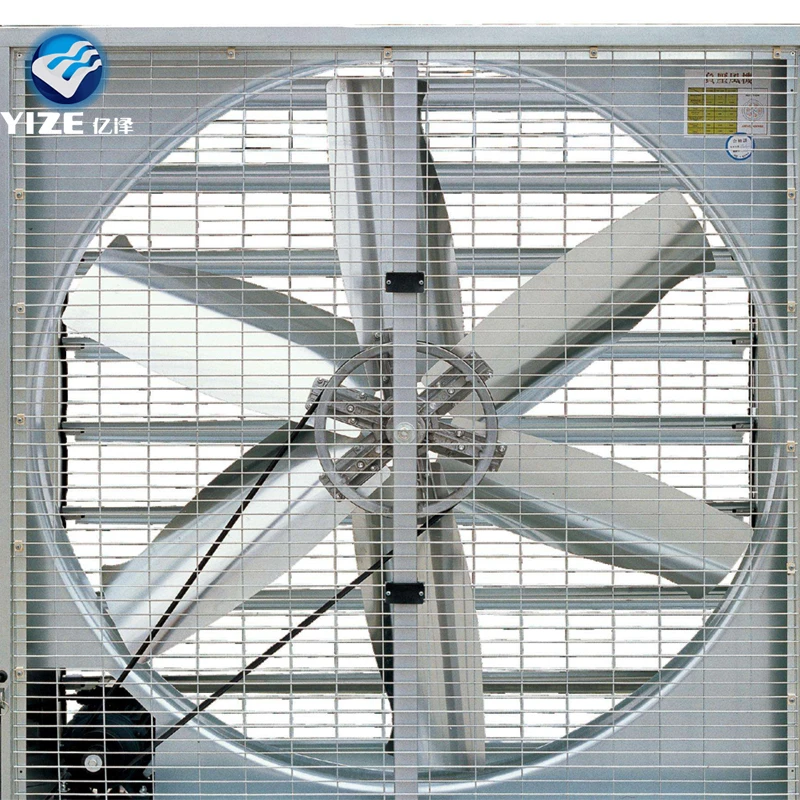
Integration of low-energy sensors in poultry and pig houses to maintain optimal temperatures during Rwanda's rainy seasons, reducing disease outbreaks.

Circular Waste Economy

Combining waste collection from cages with biogas plants to create a zero-waste farming ecosystem, converting manure into energy for the farm.

Automation of Feed Processing

A shift from simple cutters to fully automated mixing and pelleting lines to ensure nutritional consistency across different animal species.

Industry Outlook and Strategic Forecast

Predicting the next 3-5 years of livestock machinery trends in the East African region.

Vertical Farming Expansion
Increased adoption of multi-tier systems to maximize protein production per square meter in hilly regions.
Sustainable Material Integration
Shift toward anti-corrosive, eco-friendly alloys that withstand high humidity and reduce replacement costs.
Localized Feed Production
Integration of milling and cutting machinery at the farm level to ensure 100% feed autonomy.
Packaging Automation
Scaling of industrial egg tray lines to support Rwanda's growing domestic egg market and regional exports.

Industry Outlook

Based on Google search trends in East Africa, there is a growing interest in "low-cost automated farming." Rwanda is poised to become a hub for livestock technology in the region due to its stable political environment and pro-innovation policies. We expect the demand for modular cage systems to increase by 40% as urban farming gains traction.

The future will be defined by the "integration of hardware and biology," where machinery is designed around the specific behavioral patterns of animals to minimize stress and maximize growth rates, further supported by localized training and technical support.

Localized Application Scenarios in Rwanda

Real-world implementations of livestock machinery tailored to the Rwandan landscape.

1. Urban Rabbitry in Kigali

Implementing the multi level rabbit cage in Kigali's limited residential spaces, allowing city entrepreneurs to maintain high-density production with automated cleaning systems.

2. Poultry Cooperatives in Musanze

Deploying large-scale cage house poultry systems in the colder highlands, featuring insulated roofing and high-density nesting to protect birds from temperature drops.

3. Egg Distribution Hubs in Eastern Province

Establishing a centralized egg tray production line to serve multiple small farms, ensuring eggs are transported to markets without breakage using recycled paper trays.

4. Commercial Pig Farms in Bugesera

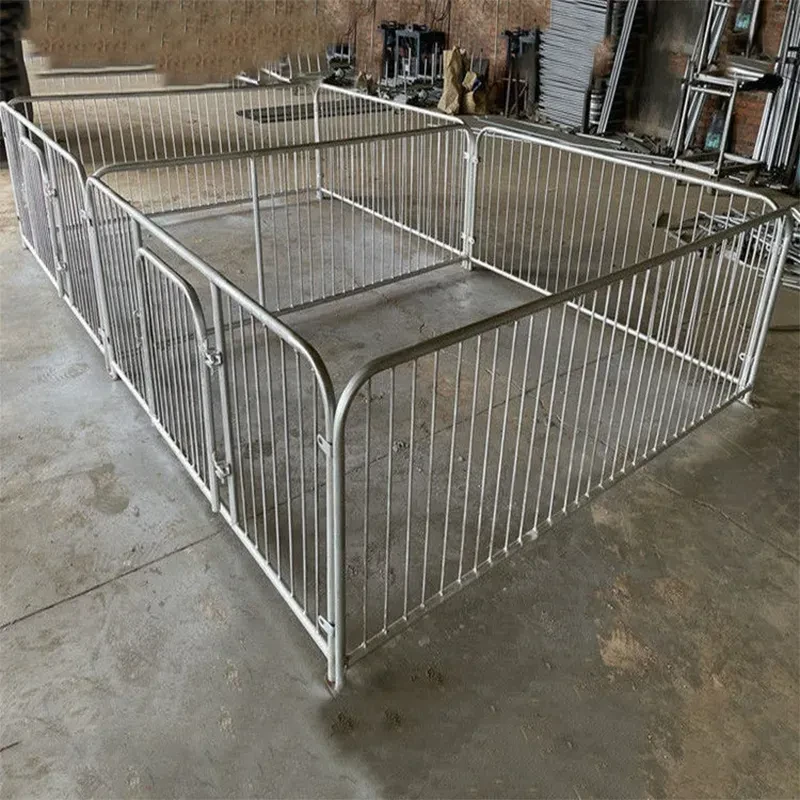
Installing a professional farrowing house for pigs with precise heating zones for piglets and reinforced partitions to ensure sow safety and high weaning rates.

5. Integrated Feed Centers in Rural Districts

Providing the animal feed cutter to village clusters, enabling farmers to process banana stalks and maize husks into standardized feed for diverse livestock.

Brand Story

Global Development Journey of Anping Yize Metal Products Co., Ltd.

Foundations of Precision

Established with a focus on high-quality metal fabrication, we began by solving the basic durability issues of livestock cages in local Asian markets.

Technological Breakthroughs

We pioneered the integration of hot-dip galvanization with modular designs, ensuring our equipment could survive the harshest environmental conditions globally.

Expanding to Africa

Recognizing the potential in Rwanda and neighboring countries, we tailored our machinery to be "low-maintenance, high-output" to fit the African agrarian model.

Commitment to Animal Welfare

Our R&D shifted toward ergonomics, ensuring that every cage and farrowing house maximizes animal comfort, which directly increases farmer profitability.

Global Leadership

Today, we stand as a trusted partner for livestock modernization, bridging the gap between industrial efficiency and sustainable farming practices.

Complete Livestock Machinery Portfolio for Rwanda

A comprehensive suite of equipment designed to cover every stage of the livestock production cycle.

Common Questions for Rwandan Livestock Farmers

Expert answers to the most frequent technical and logistical queries in the region.

How do I choose the right multi level rabbit cage for a small farm in Kigali?

For urban farms in Kigali, we recommend vertical systems with integrated waste trays to maximize space and maintain hygiene in close quarters.

What is the capacity of a standard egg tray production line for a local cooperative?

Our lines range from semi-automatic to fully automatic, capable of producing anywhere from 1,000 to 5,000 trays per hour depending on the model selected.

How does a cage house poultry system improve egg production rates?

It reduces stress, eliminates ground-borne diseases, and allows for precise feed and water control, which significantly increases the daily lay rate.

What are the key features of a farrowing house for pigs in humid climates?

Our farrowing houses feature anti-corrosive galvanization and adjustable heating lamps to protect piglets from dampness and cold drafts.

Can an animal feed cutter process local Rwandan crop residues?

Yes, our cutters are designed to handle various materials including maize stalks, banana leaves, and grass, turning them into uniform fodder.

What is the lifespan of galvanized livestock equipment in Rwanda?

With our high-standard hot-dip galvanizing process, our equipment typically lasts 15-20 years, even in humid agricultural environments.

Ready to Modernize Your Farm?

Our technical team is ready to provide customized livestock machinery layouts for your projects in Rwanda.

Contact Us Now

If you are interested in our products, you can choose to leave your information here, and we will be in touch with you shortly.