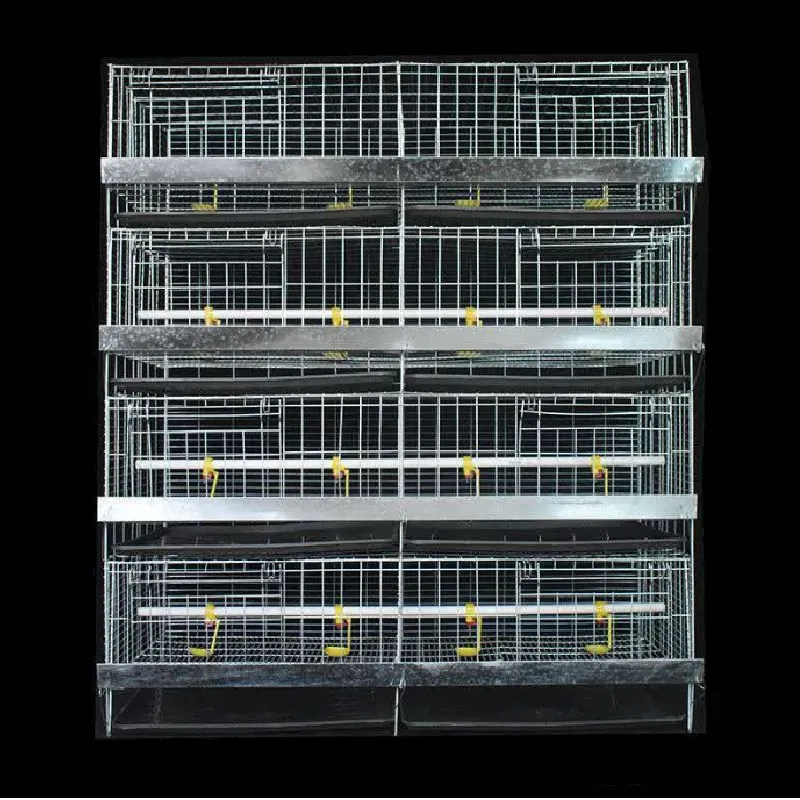
Advanced Livestock Equipment Solutions for cage house poultry in Japan

Integrating precision engineering with Japanese farming standards to optimize livestock productivity and welfare.

Advanced Livestock Equipment Solutions for cage house poultry in Japan

Specialized livestock machinery designed to meet the rigorous efficiency and hygiene requirements of the Japanese agricultural sector.

Current Landscape of Livestock Machinery in Japan

Analyzing the shift towards high-density, automated farming in limited land areas.

Japan's livestock industry is characterized by extreme land scarcity and a shrinking rural workforce. Consequently, there is a critical demand for space-saving technologies like the multi level rabbit cage, which allows farmers to maximize vertical space while maintaining strict ventilation and sanitation standards.

The Japanese market prioritizes "Precision Livestock Farming" (PLF). Equipment such as the farrowing house for pigs must now integrate climate control and automated feeding to compensate for labor shortages and ensure animal welfare compliance.

Furthermore, the integration of waste management and byproduct recycling is paramount. The demand for an efficient egg tray production line highlights the local trend of converting agricultural waste into sustainable packaging, reflecting Japan's commitment to a circular economy.
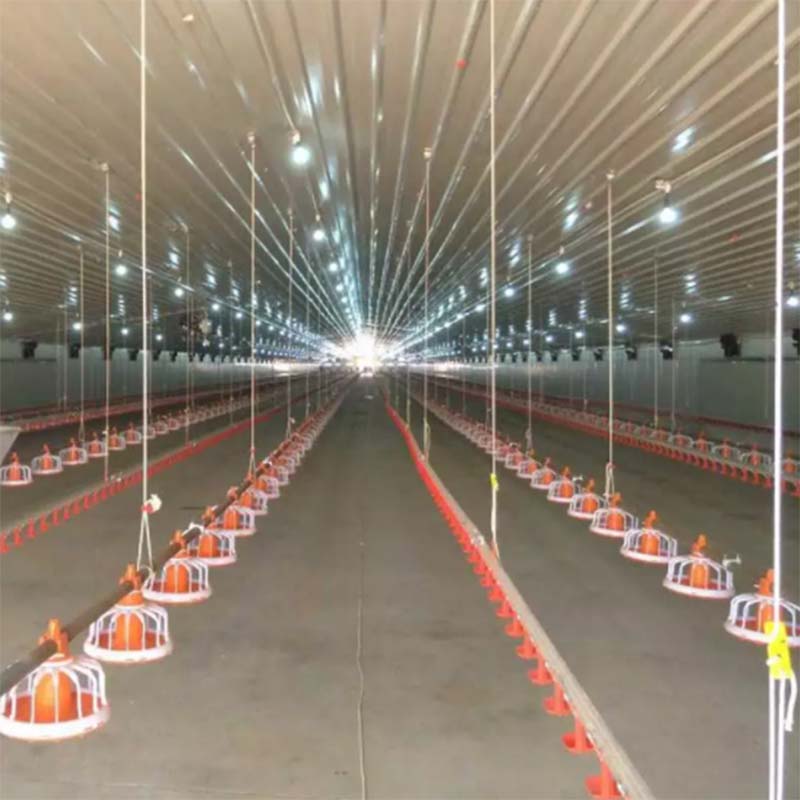
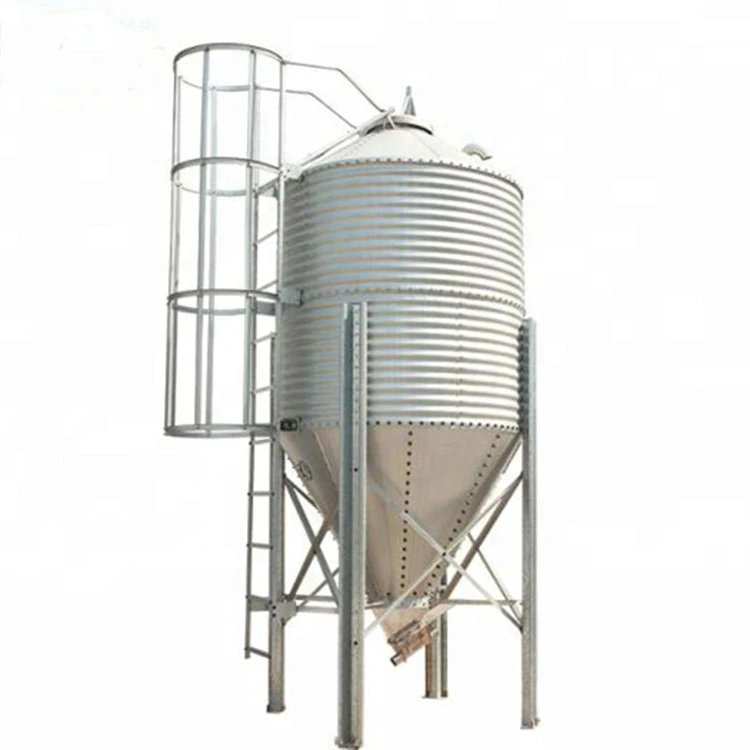
Evolution and Technical Trajectory

From manual labor to AI-driven livestock management systems.

Market Development History

In the 1980s and 90s, Japanese livestock farming relied heavily on manual labor and simple metal enclosures. Feed processing was primitive, often utilizing basic tools before the introduction of the industrial animal feed cutter, which standardized nutrition delivery.

By the 2010s, the industry transitioned toward semi-automation. The focus shifted to hygiene and disease prevention, leading to the widespread adoption of galvanized steel and automated waste removal systems in poultry and swine housing.

Today, the era of "Smart Farming" has arrived. Integration of IoT sensors and robotic systems has transformed the traditional cage into a data-collecting hub, optimizing the environment in real-time to increase yield and reduce mortality rates.

Future Development Trends

Modular Automation

Future systems will move toward modular designs that can be scaled based on farm size, allowing for rapid deployment of automated feeding and cleaning systems.

Eco-Friendly Materials

A shift toward biodegradable and recycled materials in equipment manufacturing, reducing the carbon footprint of livestock infrastructure.

AI-Driven Health Monitoring

Implementation of AI cameras and acoustic sensors to detect early signs of illness in livestock, reducing the need for prophylactic antibiotics.

Industry Trends and Future Outlook

Predicting the next 5 years of livestock machinery based on Google Search Trends and market data.

IoT Integration
Real-time monitoring of temperature and humidity to ensure optimal growth conditions.
Waste-to-Value
Developing closed-loop systems that turn animal waste into usable packaging or energy.
Robotic Maintenance
Automated cleaning and feeding robots to eliminate manual labor costs.
Precision Nutrition
Customized feed mixing using high-precision cutters for species-specific diets.

Industry Outlook

The trajectory of the Japanese livestock sector is moving toward "Micro-Farming" at scale. This means utilizing highly efficient equipment like the egg tray production line to ensure that every aspect of the production cycle, from hatching to packaging, is optimized for zero waste.

We anticipate that within 5 years, the convergence of AI and mechanical engineering will lead to "Autonomous Barns," where equipment adjusts itself based on the growth stage of the animals, significantly increasing the ROI for medium-sized Japanese enterprises.

Localized Application Scenarios in Japan

Practical implementation of livestock machinery in diverse Japanese farming environments.

01. Urban-Periurban Rabbit Farms

Utilizing the multi level rabbit cage in limited suburban spaces to provide high-protein meat while maintaining strict odor control for neighborhood compliance.

02. High-Tech Poultry Hubs

Implementing the cage house poultry system integrated with automated climate control to ensure consistent egg production despite Japan's seasonal humidity fluctuations.

03. Sustainable Egg Distribution Centers

Deploying an on-site egg tray production line using recycled pulp, reducing transportation costs and plastic usage for local supermarkets.

04. Intensive Swine Breeding Facilities

Installing advanced farrowing house for pigs with heated creep areas and precision feeding to increase piglet survival rates in colder northern prefectures.

05. Small-Scale Organic Feed Mills

Using the animal feed cutter to process locally sourced organic forage, reducing reliance on imported grains and enhancing the "Local Production for Local Consumption" model.

Brand Story

Global Development Journey of Anping Yize Metal Products Co., Ltd.

Foundation of Quality

Established with a commitment to metallurgical excellence, focusing on providing durable, corrosion-resistant livestock enclosures for global markets.

Technological Pivot

Transitioned from simple cage manufacturing to integrated system solutions, incorporating automation into poultry and swine housing.

Global Expansion

Expanded into the Asian market, adapting equipment to meet the specific regulatory and geographical needs of countries like Japan.

Sustainability Drive

Launched a series of eco-friendly production lines, emphasizing the use of recycled materials and energy-efficient motors.

Industry Leadership

Recognized as a leading provider of specialized livestock equipment, solving the pain point of labor shortages through intelligent design.

Common Questions from Japanese Livestock Farmers

Expert answers to technical and operational queries regarding our equipment.

How does the multi level rabbit cage handle ventilation in humid Japanese summers?

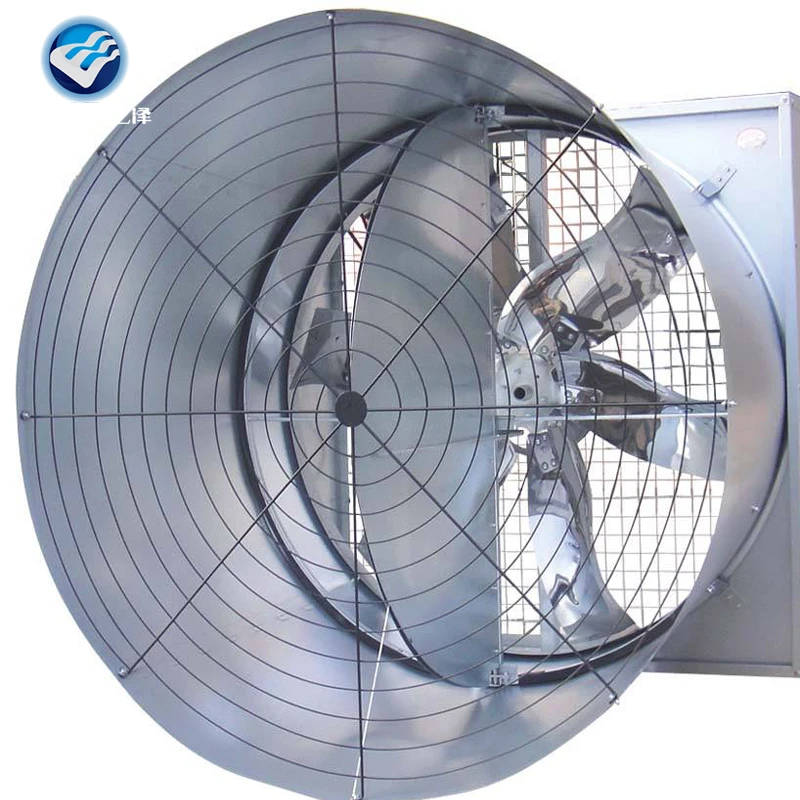
Our cages are designed with high-airflow galvanized mesh and compatible with industrial fans to ensure consistent cross-ventilation and prevent heat stress.

What is the capacity of a standard egg tray production line for small-scale farms?

We offer modular lines that can scale from 1,000 to 10,000 trays per day, allowing small farmers to start lean and grow as demand increases.

Can the cage house poultry system be integrated with existing Japanese IoT sensors?

Yes, our structures are designed with mounting points and open conduits for easy integration of third-party temperature and weight sensors.

How does the farrowing house for pigs improve piglet survival rates?

By providing a designated heat lamp zone for piglets and a separate cool zone for the sow, our farrowing houses eliminate crushing and hypothermia.

Is the animal feed cutter suitable for processing tough Japanese organic forage?

Absolutely. Our cutters feature reinforced manganese steel blades that can handle fibrous materials while maintaining a precise cut for better digestion.

What maintenance is required for galvanized livestock equipment in coastal regions?

We use hot-dip galvanization which provides superior salt-spray resistance. Regular rinsing with fresh water is recommended for farms near the coast.

Ready to Optimize Your Farm?

Contact our technical team for customized livestock equipment solutions tailored for Japan.

Contact Us Now

If you are interested in our products, you can choose to leave your information here, and we will be in touch with you shortly.