Advanced farrowing house for pigs Solutions for Russian Livestock Farms

Engineering high-efficiency, climate-resilient livestock equipment tailored for the rigorous environmental demands of the Russian agricultural sector.

Livestock Equipment Landscape in Russia

Analyzing the challenges of large-scale animal husbandry in extreme continental climates.

The Russian livestock industry faces unique challenges due to extreme temperature fluctuations. From the freezing winters of Siberia to the humid summers of the south, the demand for durable cage house poultry systems and thermal-regulated piggery solutions is paramount to maintaining biological security and animal welfare.

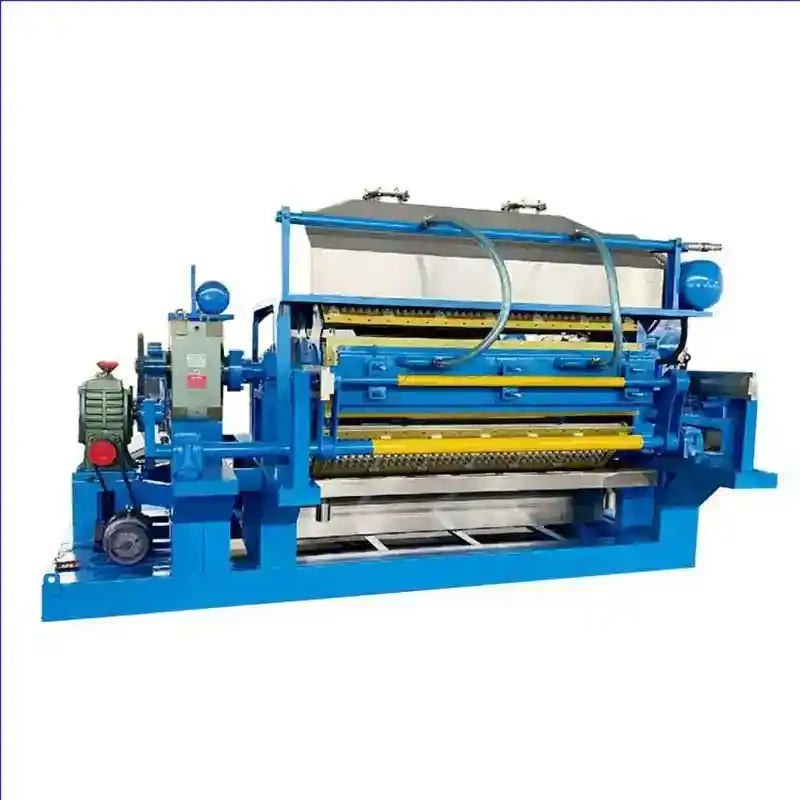
Economically, there is a significant shift towards import substitution and the modernization of Soviet-era infrastructure. Farmers are increasingly replacing outdated manual systems with automated egg tray production line setups to support the growing domestic egg market and reduce logistical waste.

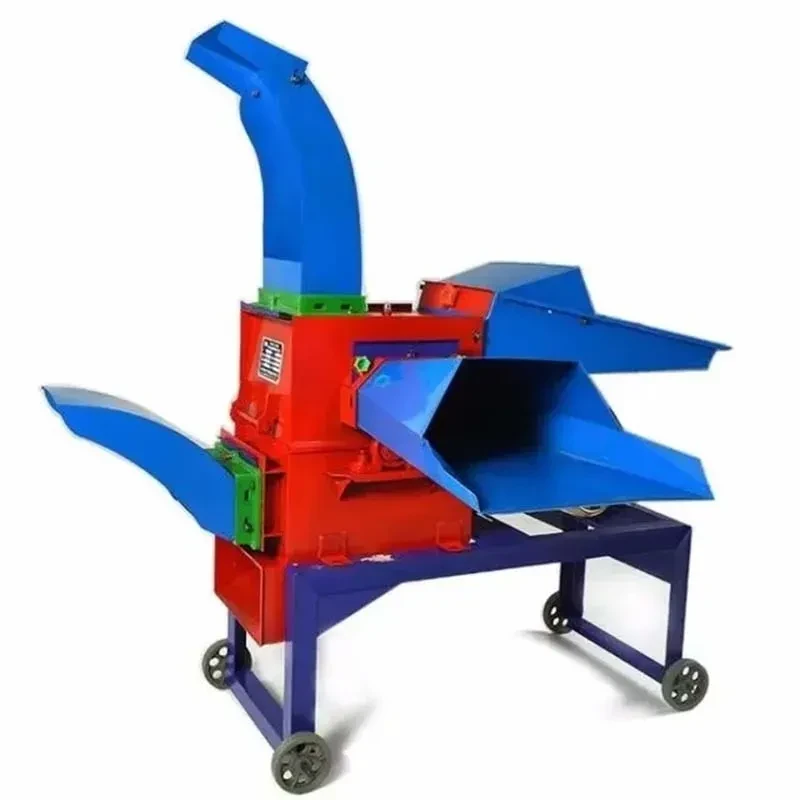
Furthermore, the integration of precision feeding is becoming a priority. The adoption of an industrial-grade animal feed cutter allows farms to better utilize local raw materials, reducing dependency on imported concentrated feeds while maintaining strict nutritional standards.
Evolution of Husbandry Technology

From primitive shelters to smart, automated livestock environments.

Market Development History

During the 1990s and early 2000s, Russian farming relied heavily on open-floor systems and manual labor. Equipment was characterized by heavy steel construction but lacked the ergonomics and hygiene standards required for modern disease prevention.

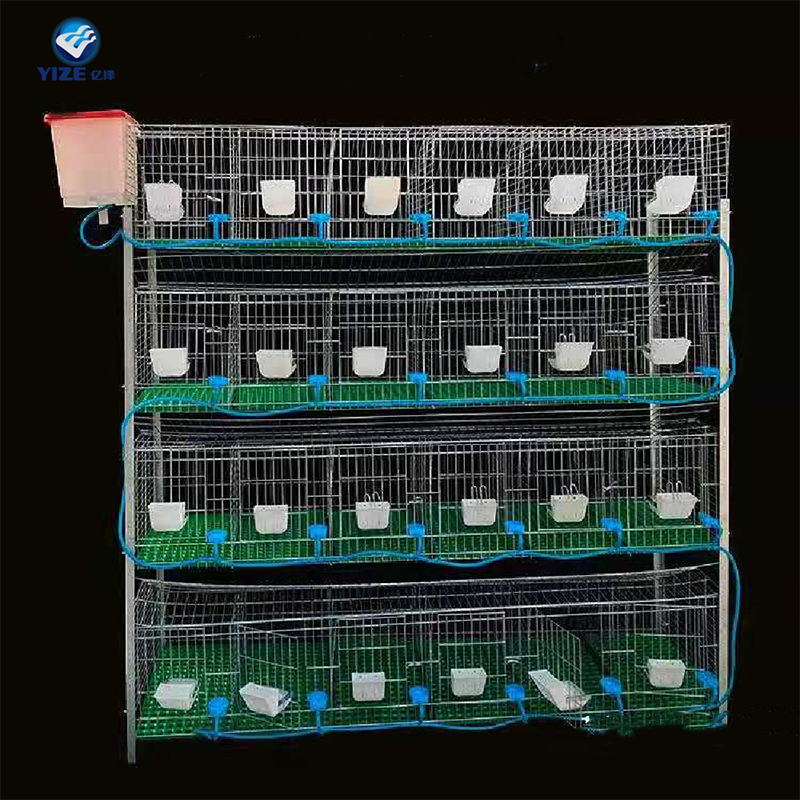
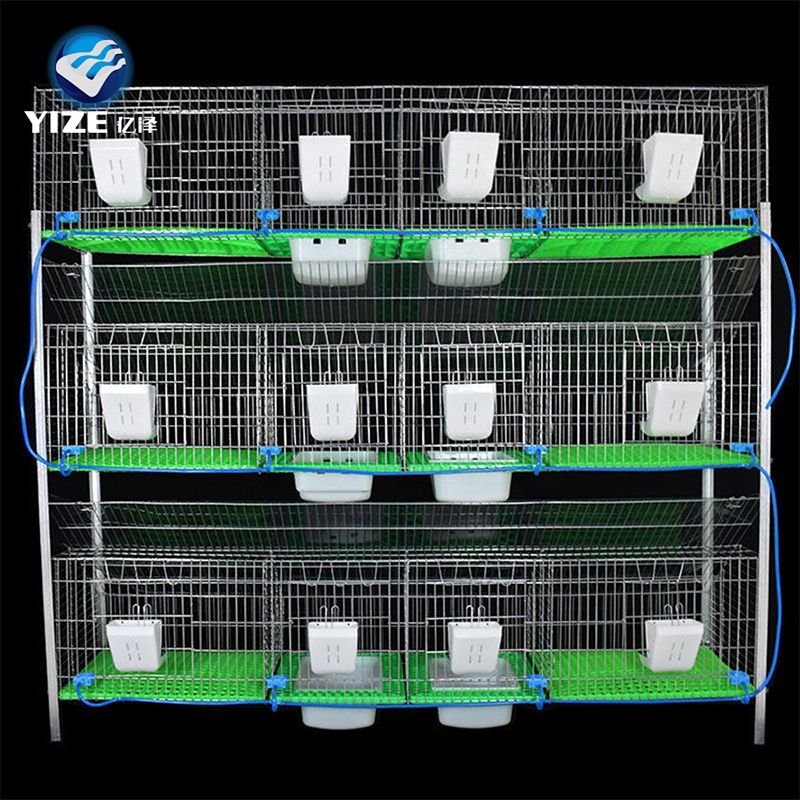
Between 2010 and 2020, a transition occurred toward semi-automation. The introduction of the multi level rabbit cage revolutionized small-to-medium rabbit farms, shifting production from backyard gardening to commercial-scale ventures with optimized space utilization.

Since 2021, the focus has shifted to "Precision Livestock Farming" (PLF). Current installations emphasize climate control, automated waste removal, and the use of galvanized, corrosion-resistant materials to withstand the ammonia-rich environments of intensive farming.

Future Development Trends

IoT Integration

Predictive maintenance and real-time health monitoring sensors will be embedded directly into cage structures to reduce mortality rates.

Circular Economy Systems

Integrating waste-to-energy modules within the farrowing and poultry houses to offset the high heating costs during Russian winters.

Modular Scalability

A move toward prefabricated, modular units that can be deployed rapidly across diverse geographical terrains without extensive on-site construction.

Industry Trends and Future Outlook

Strategic directions for the next 5 years in livestock machinery.

Climate-Adaptive Engineering
Developing equipment with advanced thermal breaks and insulation to thrive in sub-zero temperatures.
Automation of Feed Processing
Integrating smart sensors into feed cutters to ensure precise particle size for optimal digestion.
Biosecurity Optimization
Enhanced cage designs that minimize animal-to-animal contact and simplify disinfection processes.
Resource Efficiency
Reducing material waste in egg tray production through higher precision recycled pulp molding.

Industry Outlook

According to search trends and market data, the demand for automated husbandry is growing at a CAGR of 6.2% in the Eurasian region. This is driven by the need to reduce labor costs and the rising cost of animal protein.

Future success will depend on the ability to marry high-output industrial capacity with the strict animal welfare standards emerging in the global market, ensuring that Russian exports remain competitive.

Local Application Scenarios in Russia

Real-world deployment of specialized machinery across diverse Russian farm types.

01. Large-scale Pork Complexes in Belgorod

Implementation of high-density farrowing house for pigs systems featuring integrated heat lamps and automatic feeding, designed to maintain a constant 32°C for piglets despite external winter drops to -20°C.

02. Commercial Egg Farms in the Moscow Region

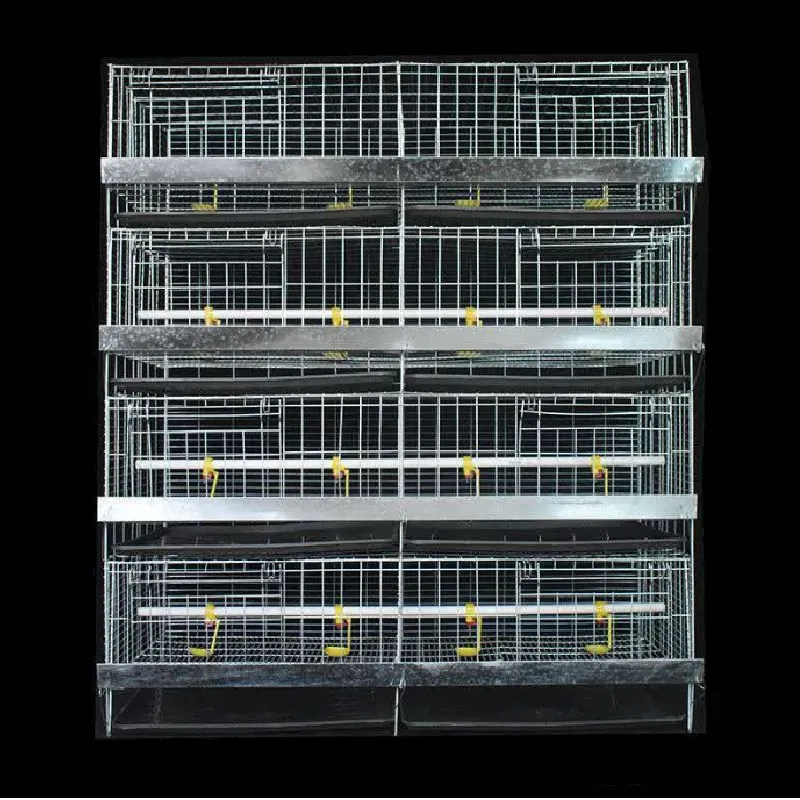
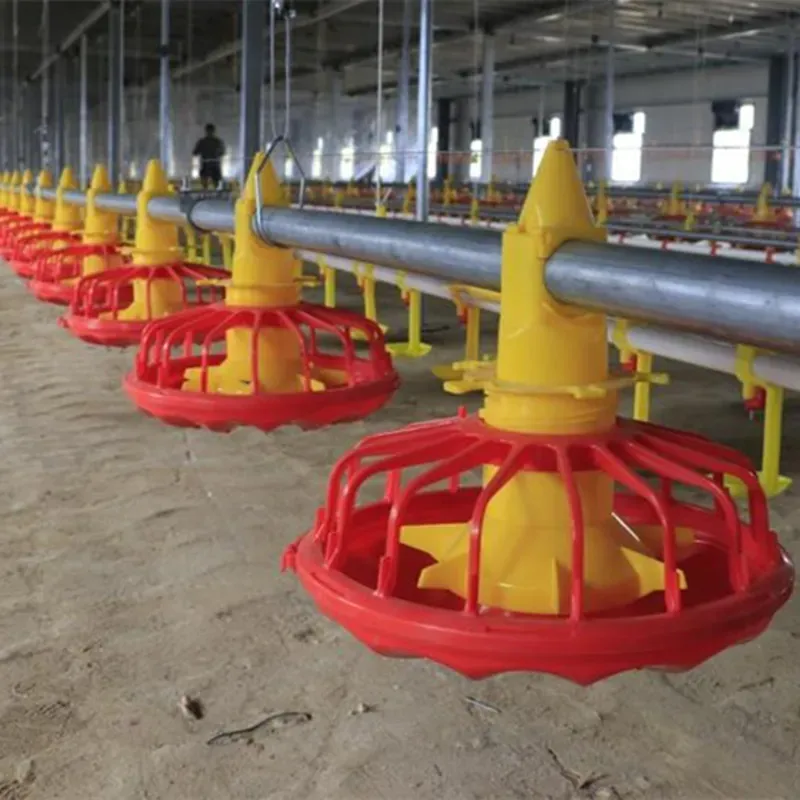
Deployment of fully automated cage house poultry solutions that integrate automatic egg collection and climate-controlled ventilation to maximize layer efficiency.

03. Regional Rabbit Breeding Hubs in the Urals

Installation of multi level rabbit cage arrays with automatic watering systems, allowing small farmers to quintuple their production capacity per square meter.

04. Feed Milling Centers in the South

Integration of heavy-duty animal feed cutter machinery to process corn and soy locally, ensuring fresh feed delivery for poultry and swine livestock.

05. Egg Packaging Plants in Siberia

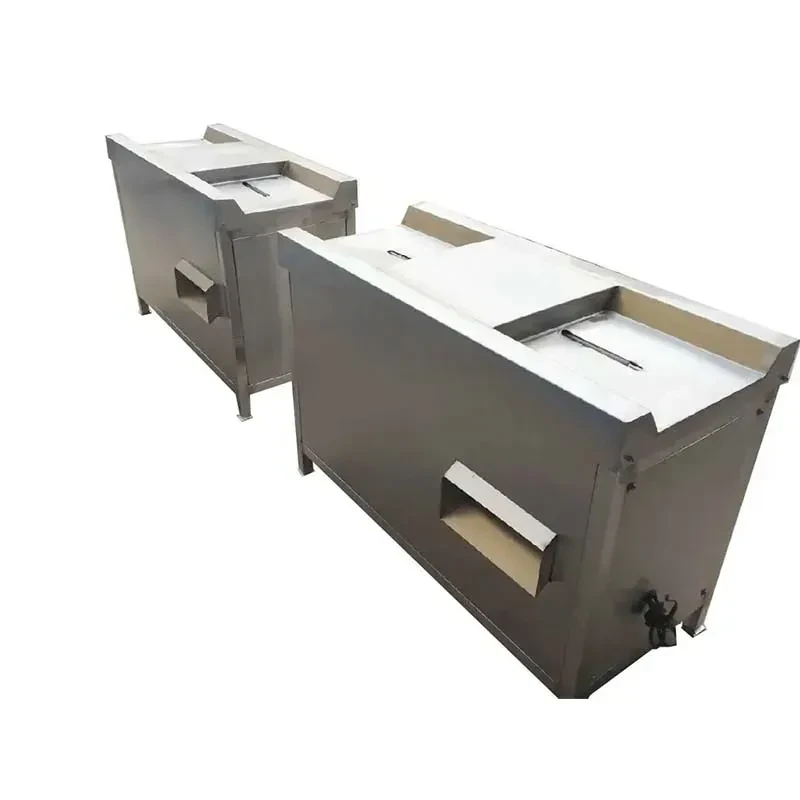
Setting up industrial egg tray production line systems using waste paper recycling, providing eco-friendly packaging for regional egg distributors.

Brand Story

Global Development Journey of Anping Yize Metal Products Co., Ltd.

Founding Vision

Established with a commitment to solving the inefficiency of traditional animal housing through precision metal engineering.

Technical Breakthroughs

Developed proprietary hot-dip galvanizing processes that extend the lifespan of cages in highly corrosive environments.

Market Expansion

Expanded from local supply to international exports, tailoring equipment for the unique needs of the Russian and European markets.

Quality Standardization

Achieved international certifications to ensure that every unit meets global animal welfare and safety standards.

Future Commitment

Investing in R&D for smart-farming tools to help livestock producers achieve zero-waste and maximum productivity.

Common Questions for Russian Livestock Operators

Expert answers to the most frequent technical and logistical queries.

How do I choose the right multi level rabbit cage for cold climates?

For cold climates, we recommend cages with optimized spacing for bedding and compatible heat-lamp mounts. Ensure the galvanization is thick to prevent rust from high-humidity indoor heating.

What is the capacity of a standard egg tray production line for regional farms?

Our lines vary from semi-automatic small-scale units to fully automated industrial plants, capable of producing anywhere from 1,000 to 10,000 trays per hour depending on the model.

Can a cage house poultry system be retrofitted into existing barns?

Yes, our modular cage systems are designed for versatility. We provide custom layout planning to integrate automated feeding and egg collection into your existing building dimensions.

What are the key features of a farrowing house for pigs in winter?

Key features include precision heating zones for piglets, anti-crush rails for the sow, and high-efficiency ventilation that prevents drafts while removing ammonia.

How often should an animal feed cutter be maintained for heavy use?

We recommend blade sharpening every 500 operating hours and a full lubrication of moving parts monthly to ensure consistent cut quality and motor longevity.

Do you provide shipping and installation support for Russia?

Yes, we offer comprehensive logistics solutions and detailed installation manuals, with remote technical support to ensure your equipment is commissioned correctly.

Get Your Custom Farming Solution

Contact our engineering team today to design a high-performance livestock system specifically for the environment of Russia.

Contact Us Now

If you are interested in our products, you can choose to leave your information here, and we will be in touch with you shortly.