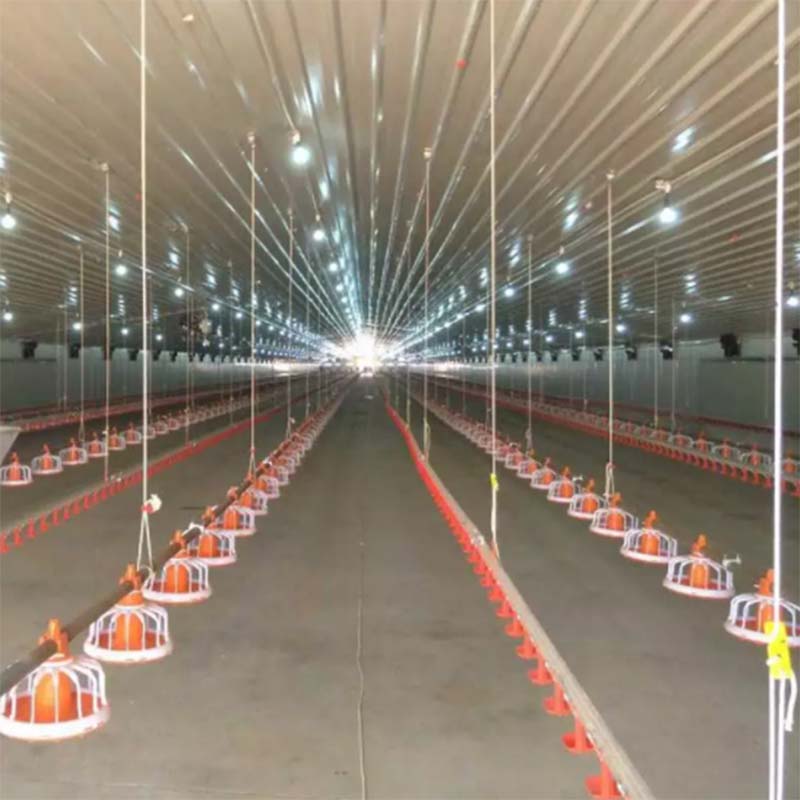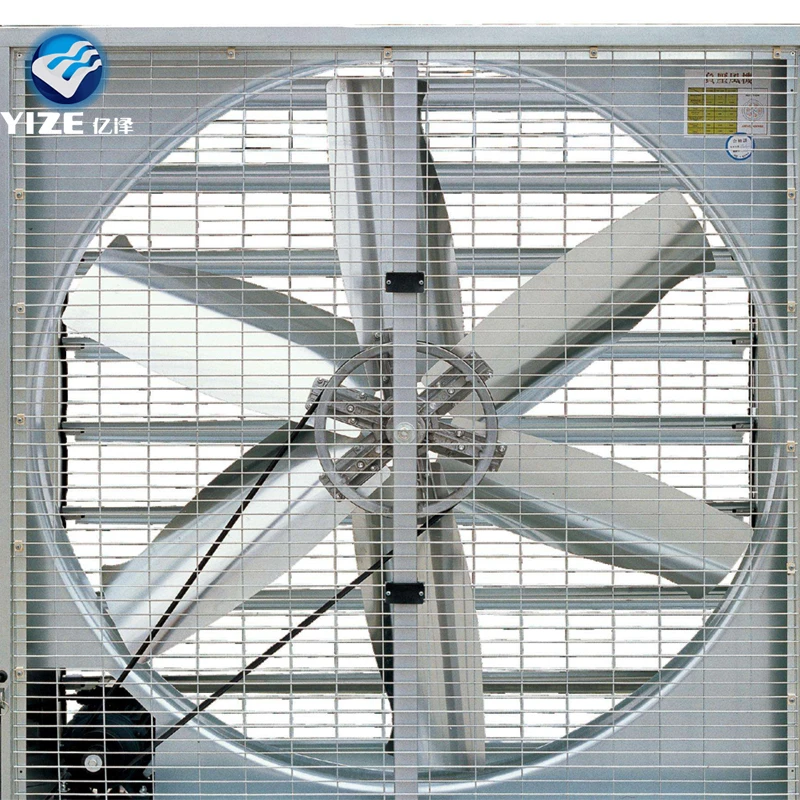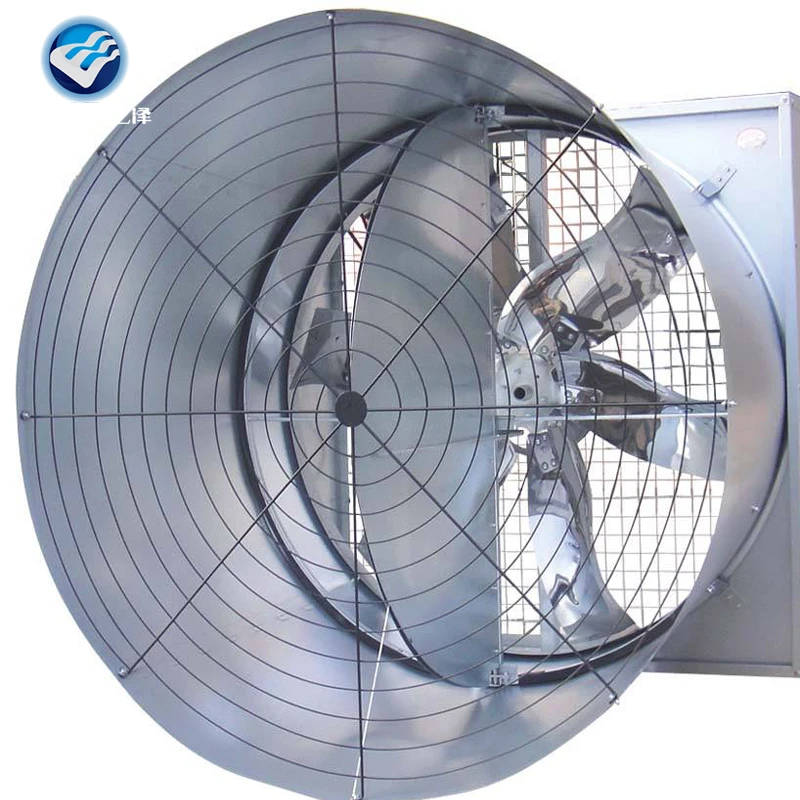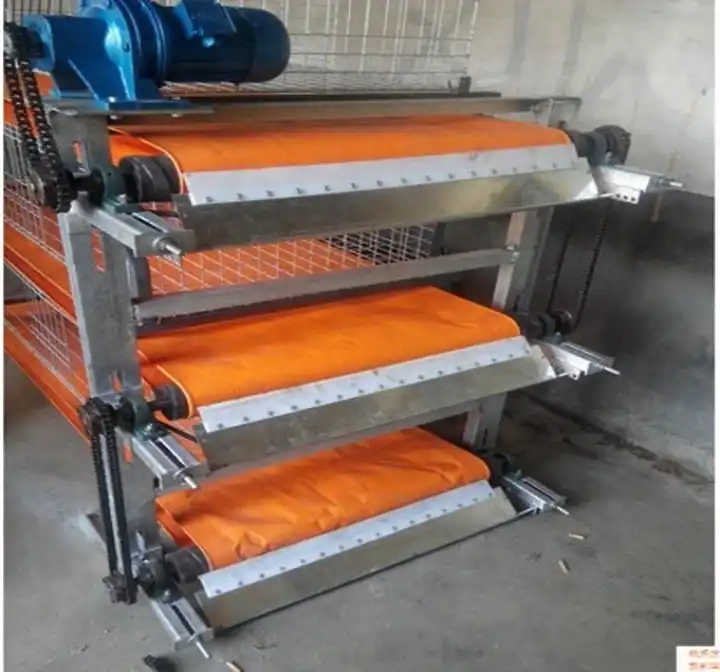
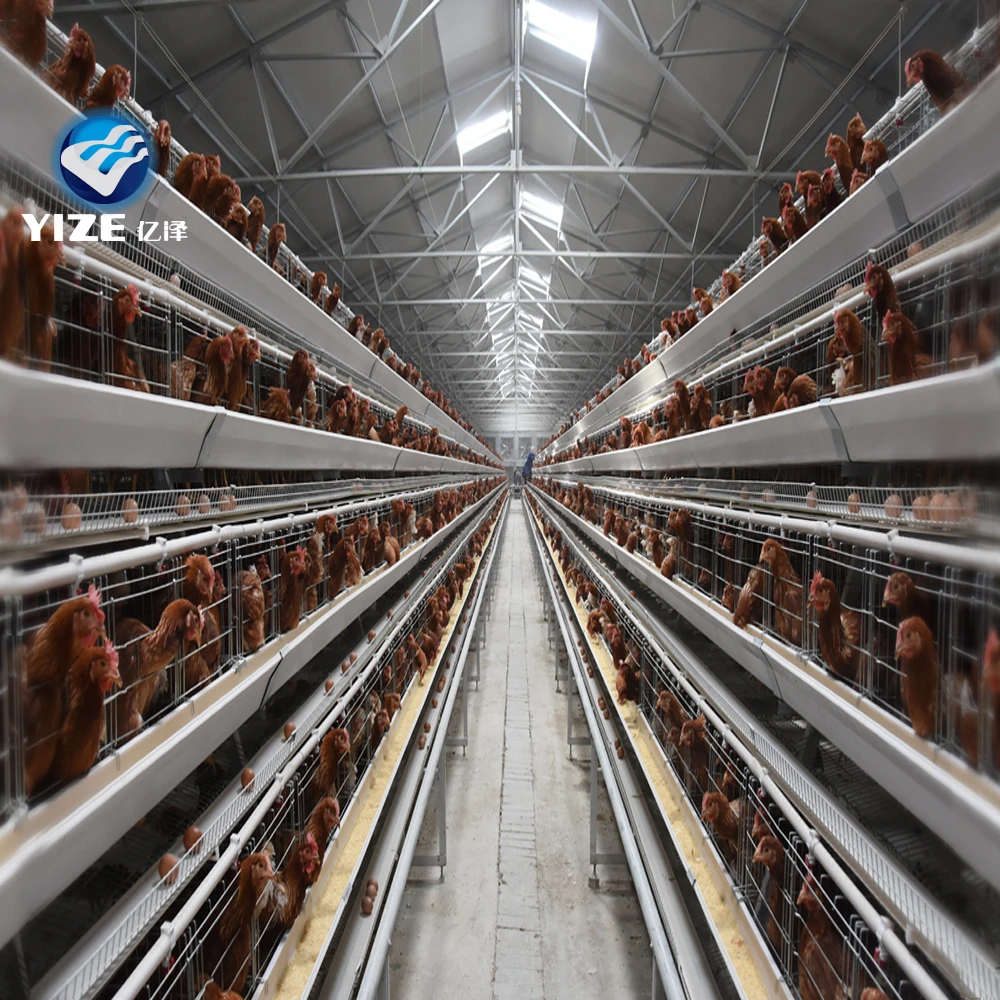
In Mali, the livestock sector is a cornerstone of the national economy, yet it faces severe challenges from the arid Sahelian climate. Traditional farming often relies on open-air shelters that expose animals to extreme heat and dust, leading to high mortality rates in young livestock. The demand for a professional cage house poultry system has grown as farmers seek to isolate flocks from ground-borne diseases and predators.
Feed security remains a critical bottleneck. Many small-to-medium enterprises in Mali struggle with the manual processing of agricultural residues. The introduction of the animal feed cutter has begun to transform how local farmers convert crop waste into nutritious fodder, reducing reliance on expensive imported feed blends.
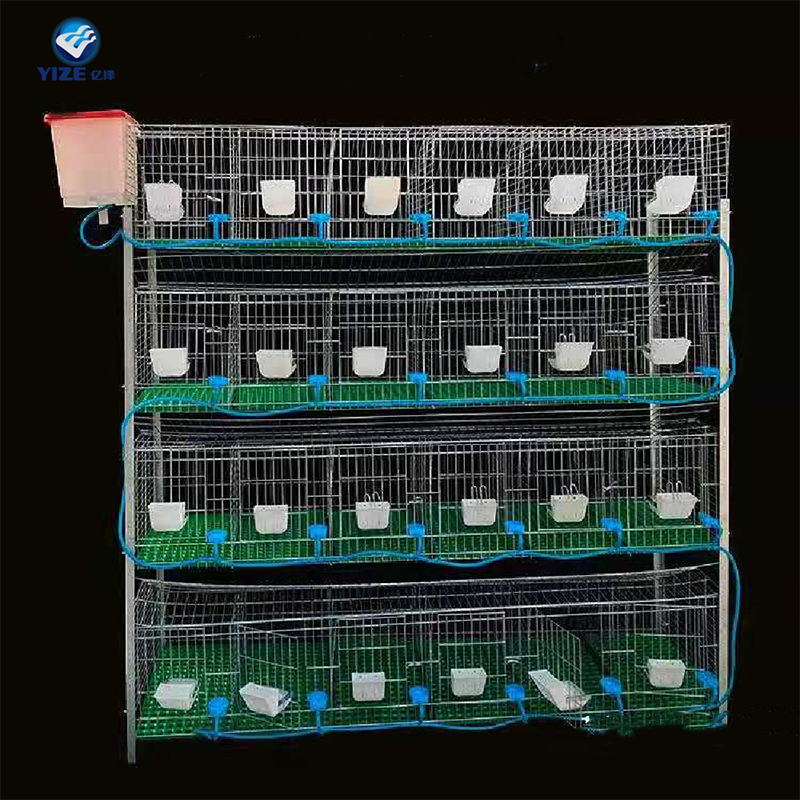
Furthermore, the poultry and rabbit sectors are shifting toward intensification. The adoption of the multi level rabbit cage is becoming a strategic choice for urban and peri-urban farmers in Bamako, allowing for high-density protein production within limited land footprints.