

Advanced farrowing house for pigs Solutions for Gambia Livestock Farms

Empowering Gambian farmers with high-efficiency livestock equipment to maximize productivity and ensure animal welfare in West Africa.

Livestock Infrastructure Status in Gambia

Analyzing the transition from traditional husbandry to mechanized farming in the region.

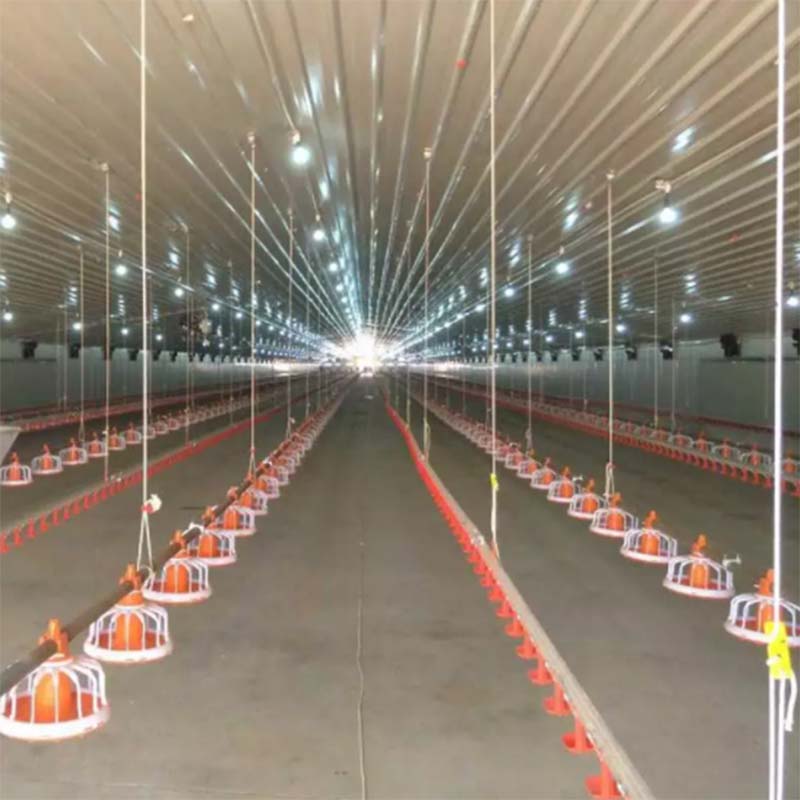
In Gambia, the livestock sector is predominantly characterized by small-scale traditional farming. However, the rising demand for protein has led to a critical need for a professional cage house poultry system to replace open-floor rearing, which is often susceptible to local avian diseases and predatory threats.

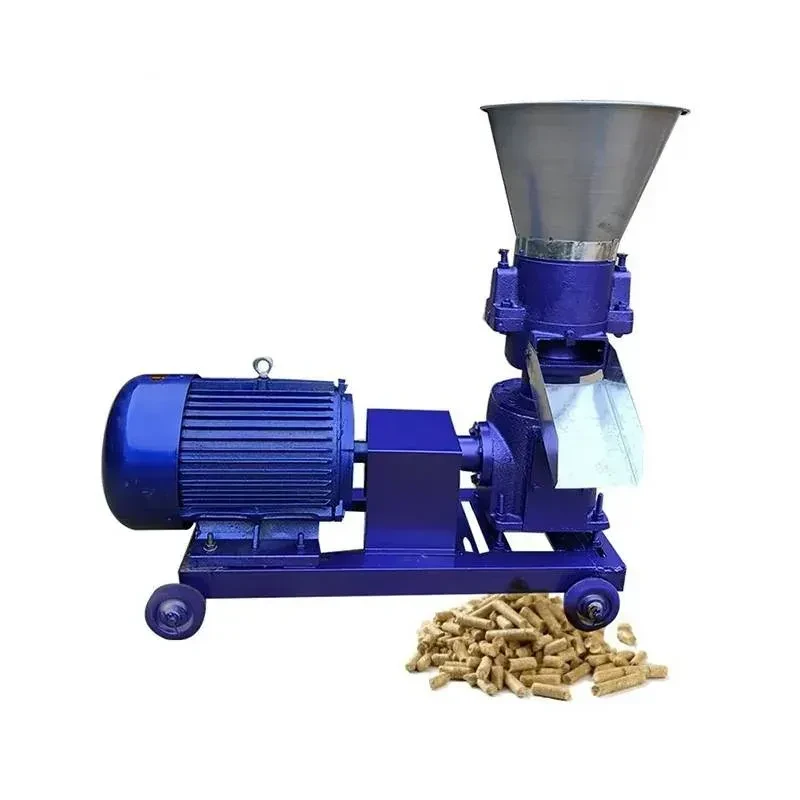
The humid tropical climate of Gambia poses significant challenges for waste management and ventilation. Many farmers are now seeking an animal feed cutter to process local agricultural residues more efficiently, reducing feed costs while improving the nutritional intake of livestock.

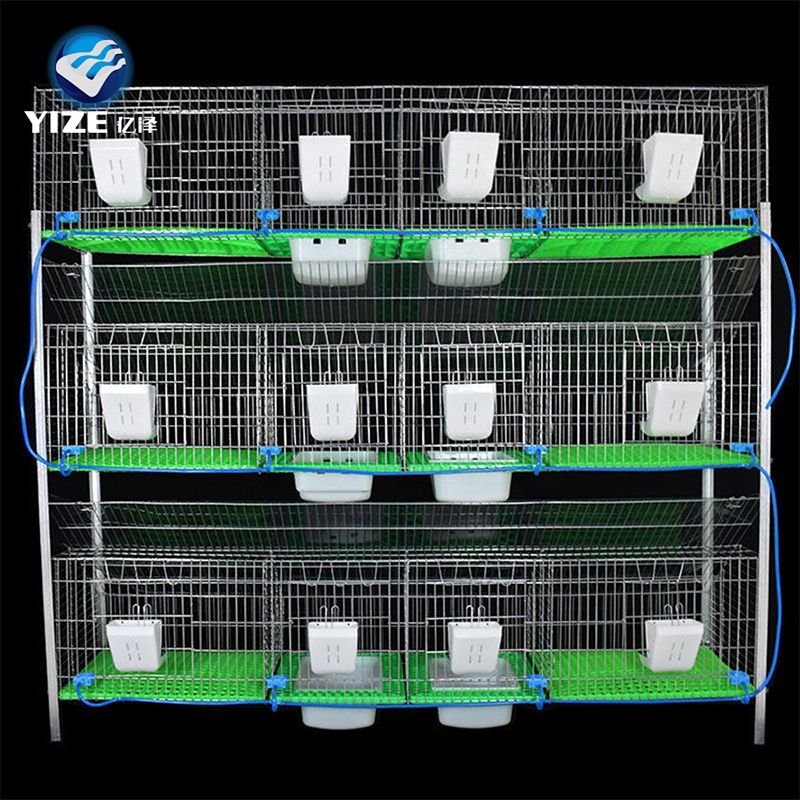
Furthermore, the shift toward commercialization is evident in the piggery and rabbit sectors. The adoption of a structured multi level rabbit cage allows urban and peri-urban farmers to maximize limited land space, transforming subsistence farming into a viable commercial business.
Evolution and Trajectory of Animal Husbandry Equipment

From manual labor to automated precision livestock equipment (PLE).

Market Development History

Prior to 2010, livestock farming in Gambia relied almost entirely on wooden structures and manual feeding. The primary focus was on survival rather than optimization, with very few mechanized tools available for feed preparation.

Between 2010 and 2020, the introduction of basic steel cages and manual cutters began to standardize production. Farmers started recognizing the benefit of specialized environments, such as the early implementation of rudimentary farrowing pens to reduce piglet mortality.

From 2021 to the present, there is a surge in the demand for integrated lines. The emergence of the egg tray production line has allowed local poultry farmers to move from importing packaging to producing their own, creating a fully circular local economy.

Future Development Trends

Climate-Adaptive Housing

Integration of passive cooling systems in poultry and pig houses to combat the extreme heat of the Gambian summer, reducing heat stress and increasing growth rates.

Waste-to-Feed Circularity

Advanced processing machinery that converts local crop waste into high-protein pellets using industrial-grade cutting and mixing technology.

Modular Scalability

A shift toward modular cage systems that allow farmers to expand their capacity incrementally as their capital grows, reducing the initial barrier to entry.

Future Trends and Strategic Outlook for Gambian Ag-Tech

Forecasting the next 3-5 years of livestock machinery integration based on regional search trends.

Automation of Feeding
Reducing manual labor through automated dispensers and precision feed cutters.
Biosecurity Enhancement
Implementing closed-cage systems to prevent disease outbreaks in poultry and swine.
Vertical Space Optimization
Adopting multi-tier systems to increase animal density without compromising health.
Integrated Processing
Combining feed production, rearing, and packaging into one synchronized line.

Industry Outlook

The Gambian livestock market is moving toward a "Precision Farming" model. Based on search data, there is a growing interest in turnkey solutions that combine an egg tray production line with poultry housing, indicating a desire for vertical integration.

We expect that within 5 years, the standard for pig farming in Gambia will shift entirely toward specialized farrowing houses to minimize piglet loss and maximize the yield per sow, driven by the increasing cost of imported meat.

Localized Application Scenarios in Gambia

Practical implementations of our equipment across different Gambian farming environments.

01. Small-Scale Urban Rabbitry in Banjul

Utilizing the multi level rabbit cage in compact urban spaces to provide a sustainable protein source for local families with minimal footprint.

02. Commercial Poultry Hubs in West Coast Region

Implementing a full cage house poultry system that optimizes ventilation and egg collection for large-scale egg production.

03. Professional Swine Breeding in Upper River Region

Installing a modern farrowing house for pigs to ensure a safe birthing environment, significantly reducing mortality rates during the critical first weeks.

04. Community Feed Centers in Central River Region

Deploying high-capacity animal feed cutter units to help cooperatives process corn and cassava into uniform feed for various livestock.

05. Integrated Egg Distribution Centers

Setting up an egg tray production line to provide eco-friendly, locally made packaging for poultry farmers across the country.

Brand Story

Global Development History of Anping Yize Metal Products Co., Ltd.

Founding and Specialization

Established with a focus on high-quality wire mesh and metal fabrication, specializing in durable livestock cages for harsh environments.

Technological Breakthroughs

Developed proprietary galvanization processes to prevent rust in high-humidity tropical regions like West Africa.

Global Market Expansion

Expanded operations to serve Africa, Asia, and South America, tailoring equipment to regional agricultural standards.

Innovation in Integrated Lines

Moved beyond simple cages to offer full production lines, including feed processing and packaging solutions.

Commitment to Sustainability

Focusing on creating long-lasting equipment that reduces waste and improves the livelihood of farmers globally.

Complete Livestock Equipment Portfolio for Gambia

A comprehensive range of machinery designed to optimize every stage of animal rearing and processing.

Common Questions for Gambian Livestock Farmers

Expert answers to the most frequent queries regarding livestock machinery installation and maintenance.

How to choose the right multi level rabbit cage for hot climates?

For Gambia's heat, we recommend cages with optimized airflow gaps and galvanized coatings that do not absorb excessive heat, ensuring rabbits remain cool and healthy.

What is the capacity of a standard egg tray production line?

Our lines are scalable; depending on the model, they can produce from 1,000 to 5,000 trays per hour, making them ideal for both local cooperatives and large exporters.

Can a cage house poultry system reduce disease transmission?

Yes, by separating the birds from their droppings, our cage systems significantly reduce the risk of coccidiosis and other floor-borne parasites common in the region.

How does a farrowing house for pigs improve piglet survival?

The specialized crates prevent the sow from accidentally crushing the piglets while providing a controlled temperature zone for the newborns.

Which materials are best for an animal feed cutter in humid areas?

We use high-carbon steel with anti-corrosive coatings to ensure that the blades remain sharp and rust-free despite the high humidity levels in Gambia.

Do you provide installation guides for livestock machinery in Gambia?

Yes, every shipment includes detailed technical manuals and video tutorials to ensure correct assembly and optimal performance of the equipment.

Get Your Custom Livestock Solution

Ready to modernize your farm in Gambia? Our experts are here to design the perfect layout for your livestock needs.

Contact Us Now

If you are interested in our products, you can choose to leave your information here, and we will be in touch with you shortly.